Artwork
Portrait of a Man in an Oval with Cupids Decoration
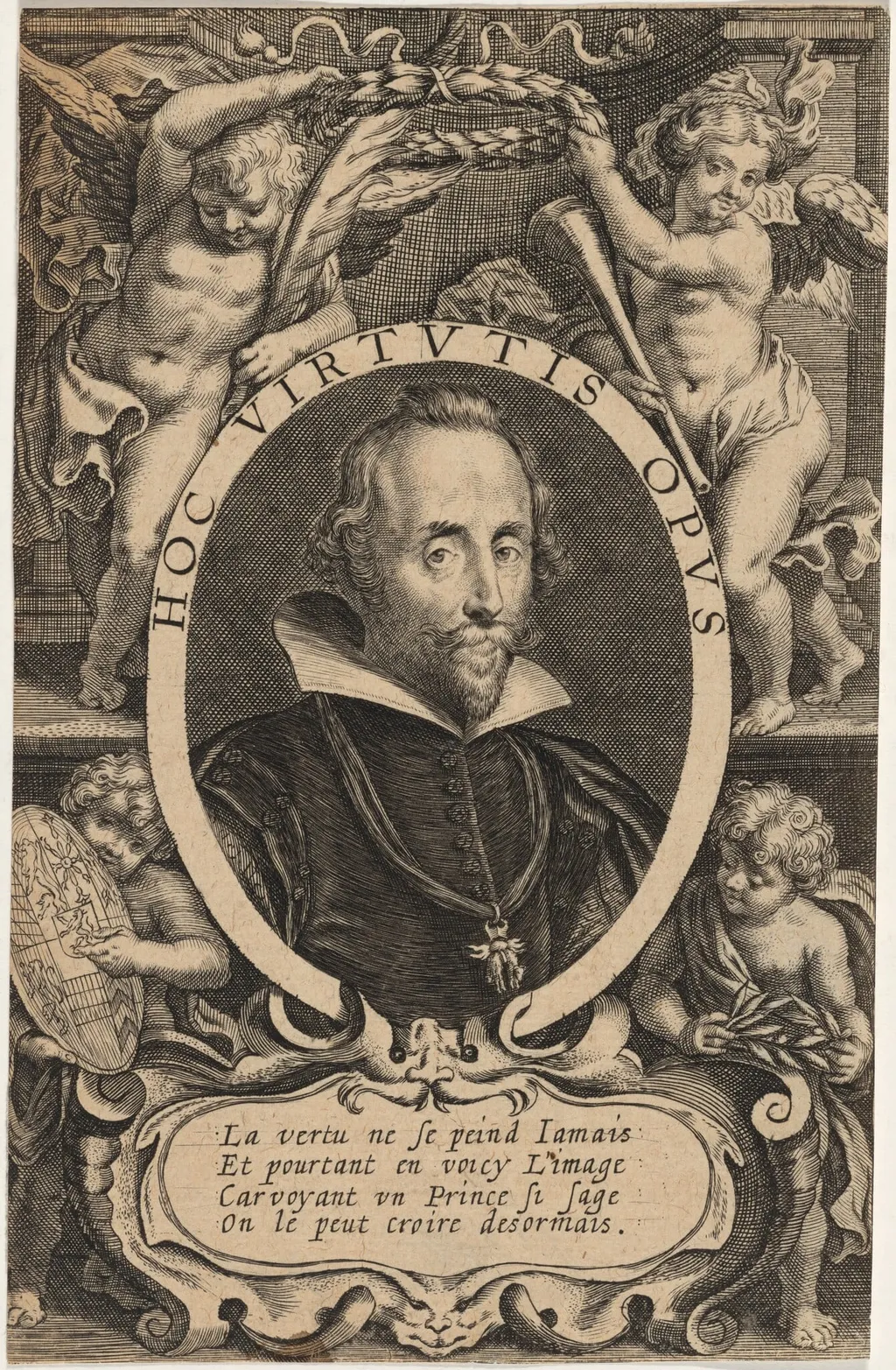
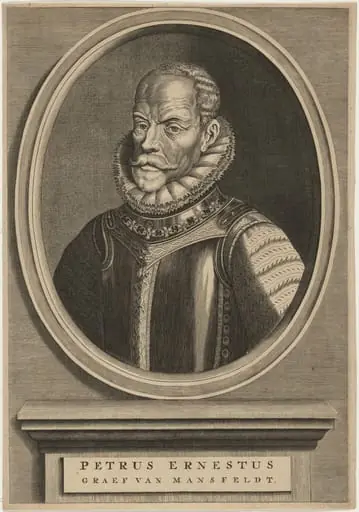
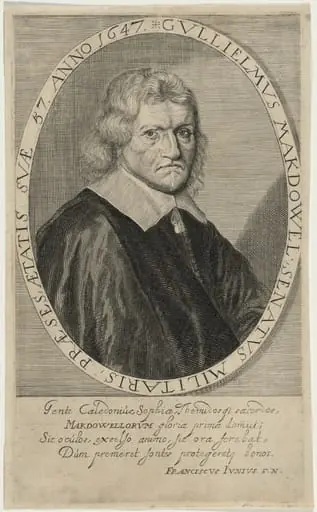
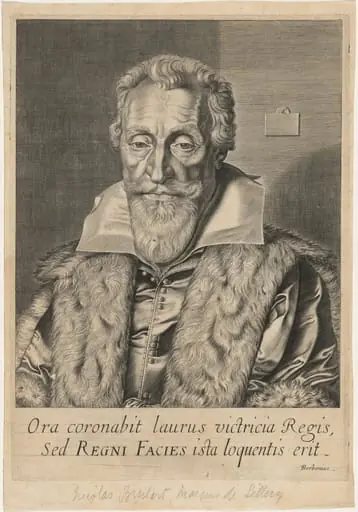
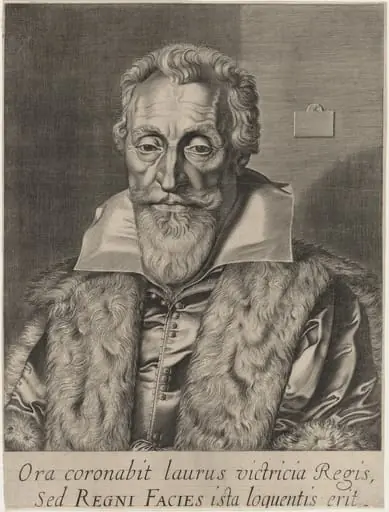
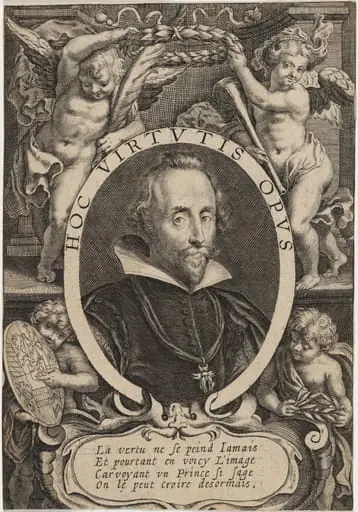
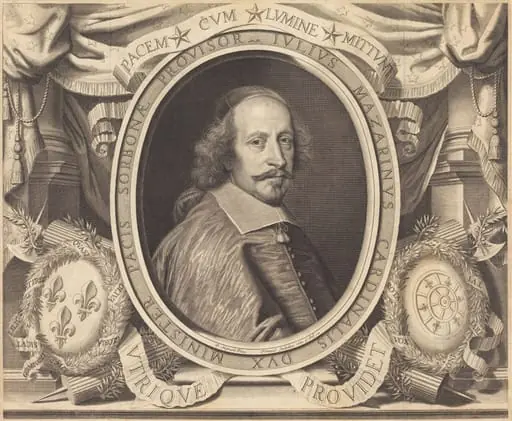
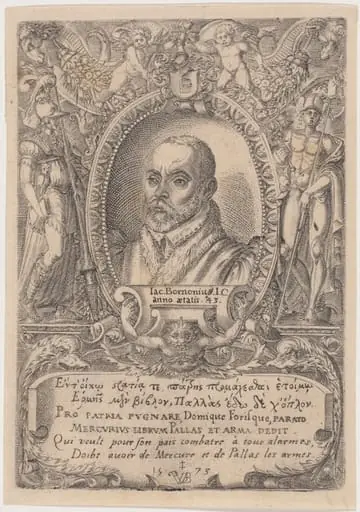
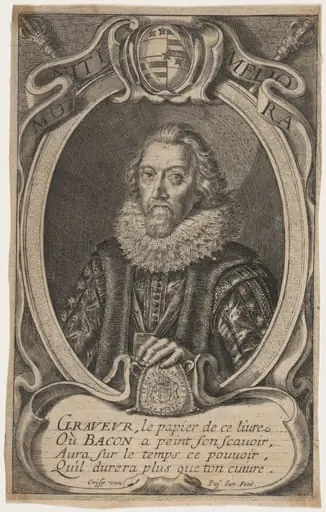
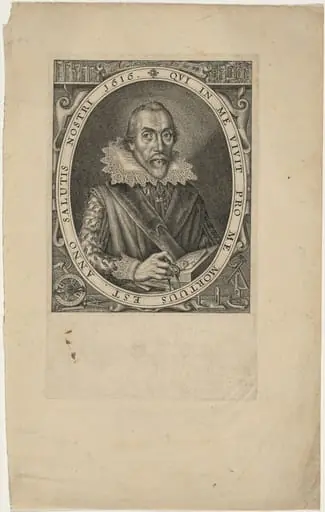
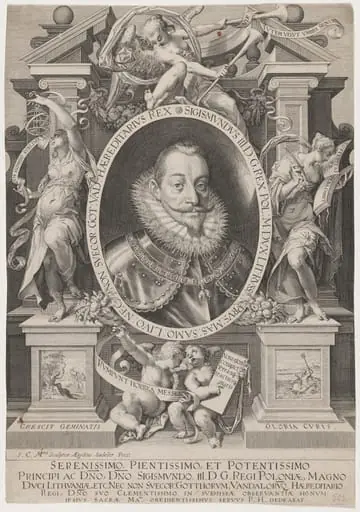
Portrait of a Man in an Oval with Cupids Decoration is an ink print by the Romanticist artist Unknown 19th Century. It dates from 1850 and is held in the collection of the National Gallery of Art. This engraving presents a formal portrait of a bearded man within an oval border, adorned with playful cupids.
About this work
Overview
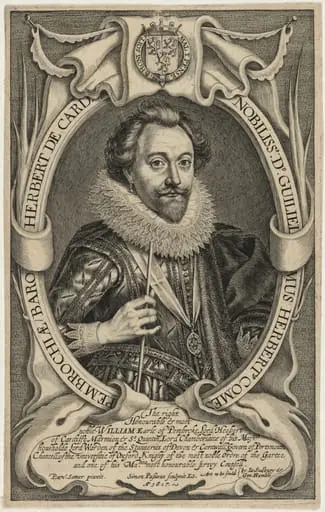
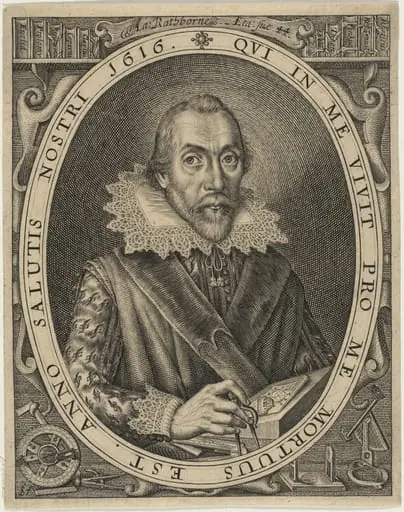
This engraving presents a formal portrait of a bearded man within an oval border, adorned with playful cupids. Rendered in fine linear detail, the composition contrasts the man’s solemn demeanor with the lighthearted figures surrounding him. The dark background enhances the clarity of the figures, emphasizing the precision of the engraving technique and the decorative intent of the frame.
Subject & Meaning
The central figure, depicted with a serious gaze and formal attire, likely represents a man of status or intellectual standing.
The central figure, depicted with a serious gaze and formal attire, likely represents a man of status or intellectual standing. The surrounding cupids—engaged with ribbons and flowers—introduce allegorical elements, possibly symbolizing love, fleeting beauty, or the tension between human gravity and youthful whimsy. The pairing suggests a layered narrative, blending personal identity with mythological reference.
Technique & Style
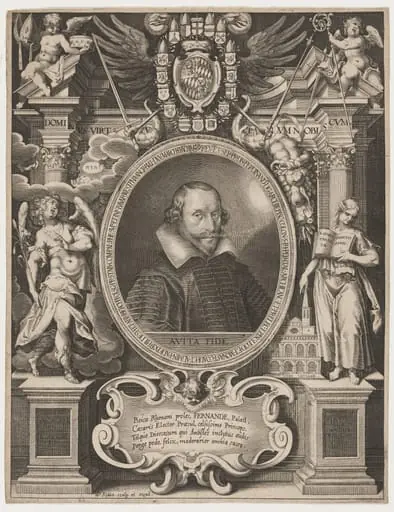
Executed as a detailed engraving, the work employs fine, controlled lines to render texture in fabric, hair, and the cupids’ delicate forms. The contrast between the dark ground and the sharply defined figures enhances depth. The decorative border of cupids reflects a Baroque or early Neoclassical tradition of integrating allegory into portraiture, prioritizing intricate craftsmanship over broad brushwork.
History & Provenance
The engraving likely dates to the late 17th or early 18th century, a period when such portrait formats were common among European elites. While the artist and original owner remain unidentified, similar works circulated as prints for private collections, serving both as commemorative objects and demonstrations of artistic skill. Its survival suggests continued appreciation for refined graphic art.
Context
This piece aligns with a broader European practice of embedding mythological figures around portraits to convey virtue, status, or emotional complexity. Cupids in such contexts often referenced classical ideals, while the oval format was favored for its association with intimacy and elegance. The work reflects a transitional moment between Baroque ornamentation and emerging Neoclassical restraint.
Legacy
Though not widely attributed to a major artist, the engraving exemplifies the enduring appeal of graphic portraiture in early modern Europe. Its blend of realism and allegory influenced later decorative arts and illustrated books. The format’s quiet dignity and technical precision continue to inform studies of print culture and symbolic representation in portraiture.
Artist & collection

Artist