Artwork
Cardinal Mazarin
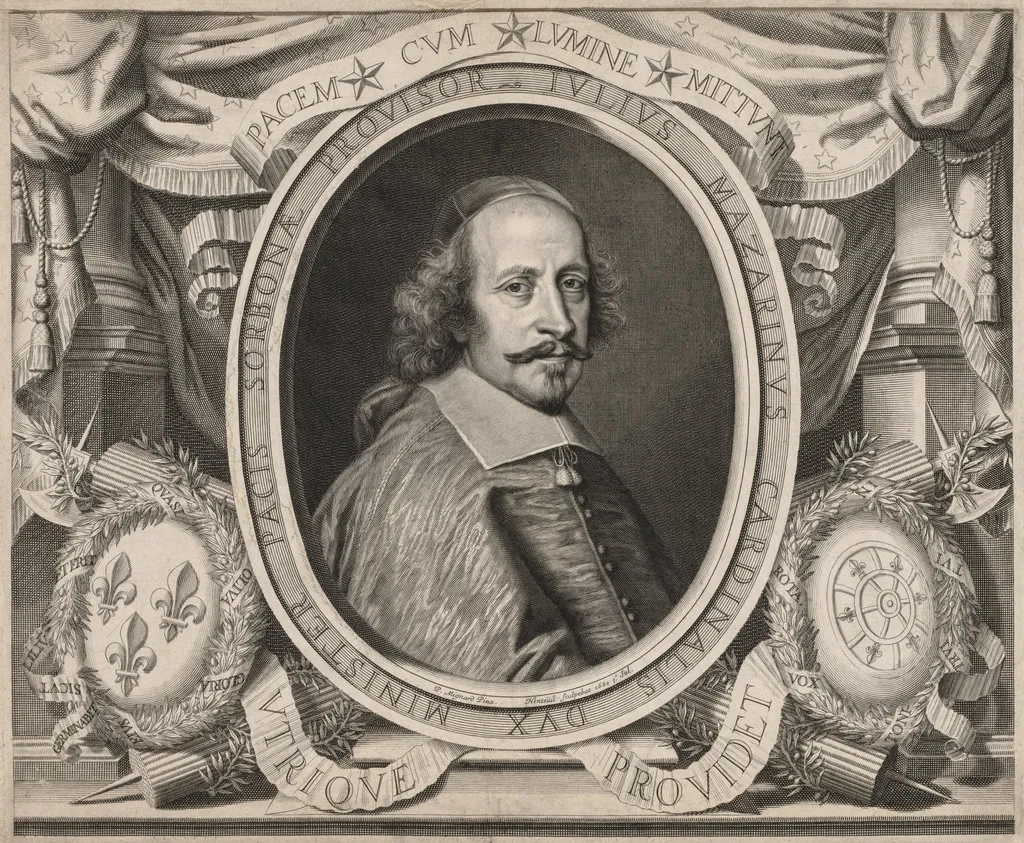
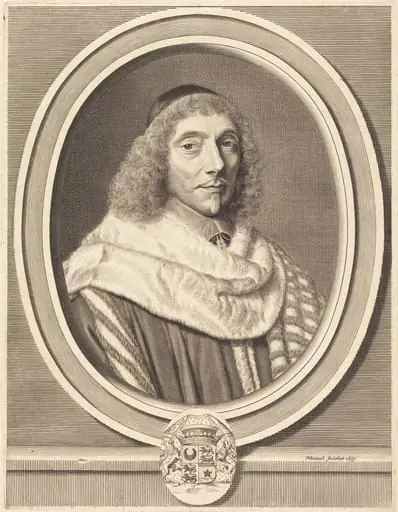
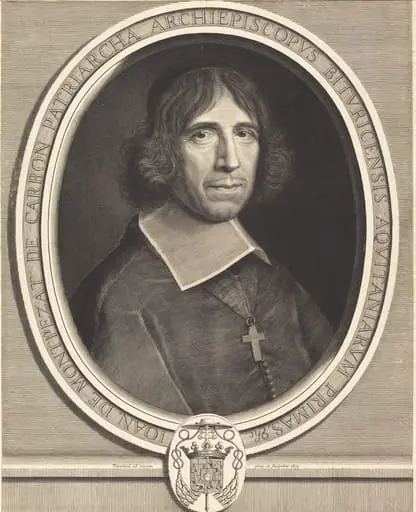
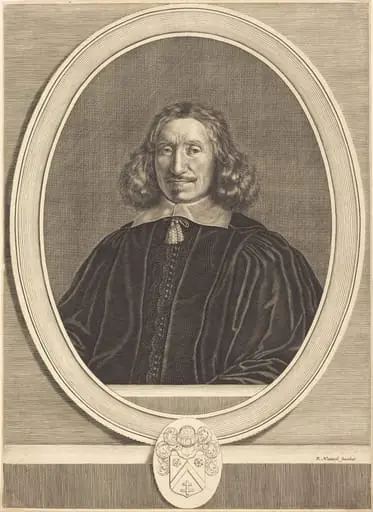
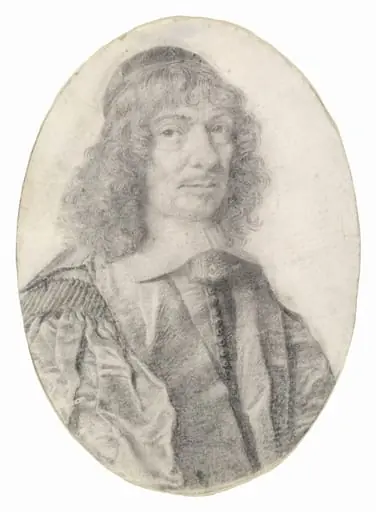
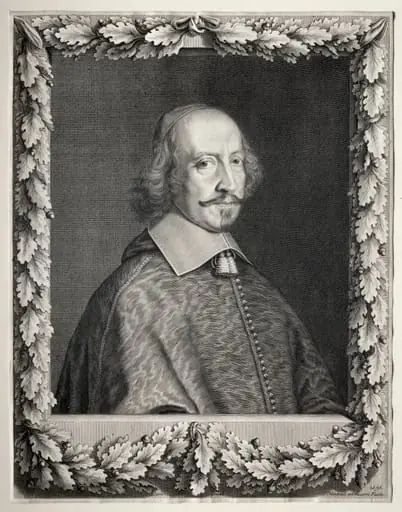
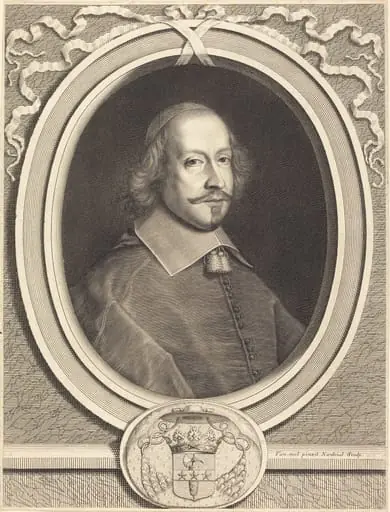
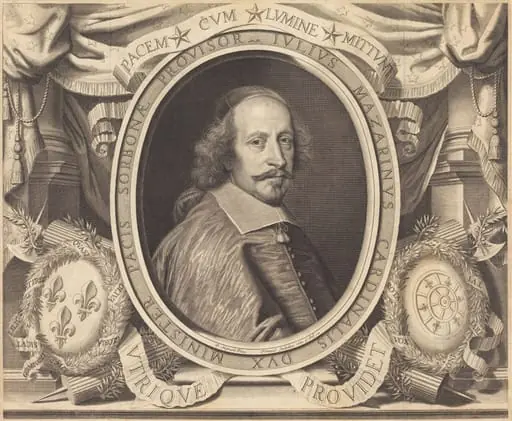
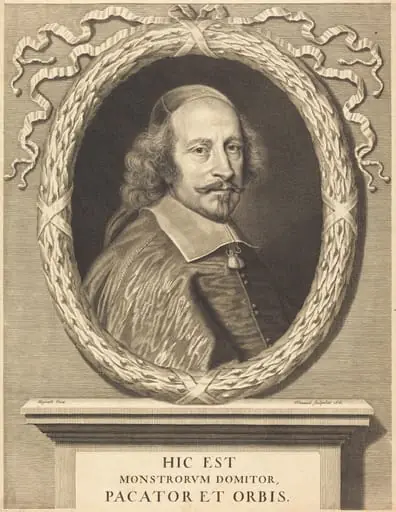
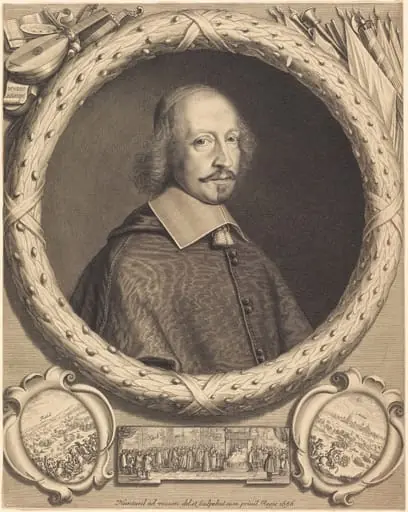
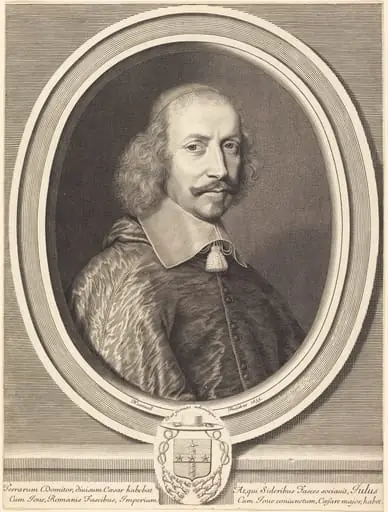
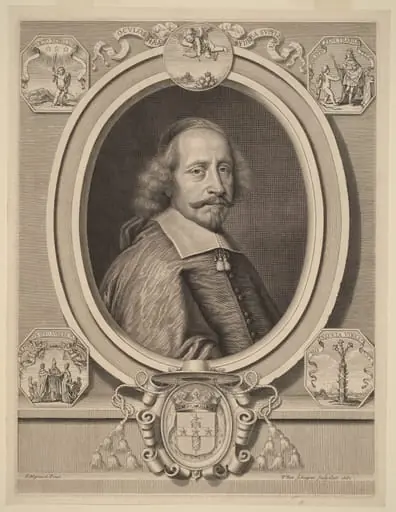
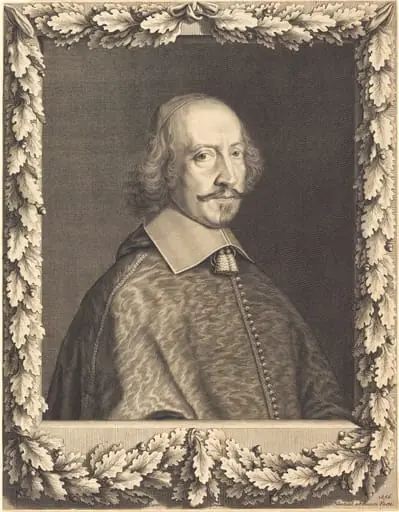
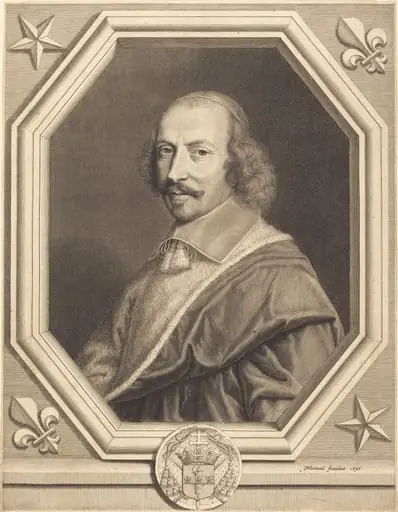
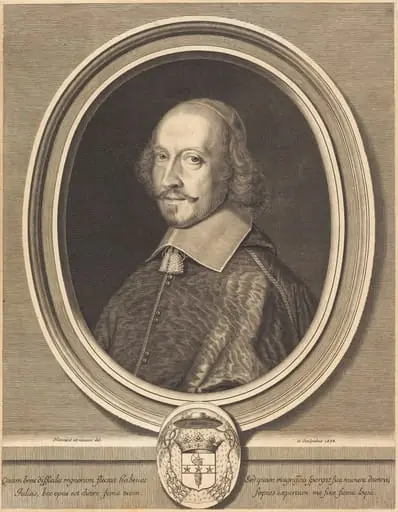
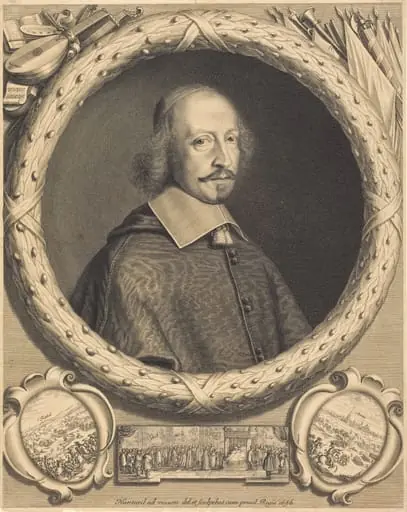
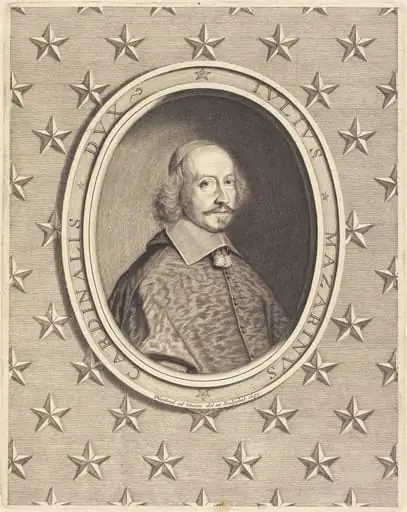
Cardinal Mazarin is a print by the Baroque artist Robert Nanteuil. It dates from 1660 and is held in the collection of the Cleveland Museum of Art.
About this work
Overview
Nanteuil’s mastery of line and texture elevated engraving beyond mere reproduction, transforming it into a vehicle for political and personal representation.
Robert Nanteuil, principal engraver to Louis XIV, produced this 1660 portrait of Cardinal Mazarin as a formal commemorative print. Executed in black ink on paper, the image reflects the precision and decorum expected in royal portraiture of the era. Nanteuil’s mastery of line and texture elevated engraving beyond mere reproduction, transforming it into a vehicle for political and personal representation.
Subject & Meaning
Cardinal Mazarin, chief minister to Louis XIV and architect of French policy during the Fronde, is portrayed with solemn dignity. His hands rest gently over his chest, suggesting composure and authority. Latin inscriptions—such as 'Cum Lumine' and 'Pacem'—frame the image as an invocation of wisdom and peace, aligning his legacy with ideals of enlightened governance rather than mere power.
Technique & Style
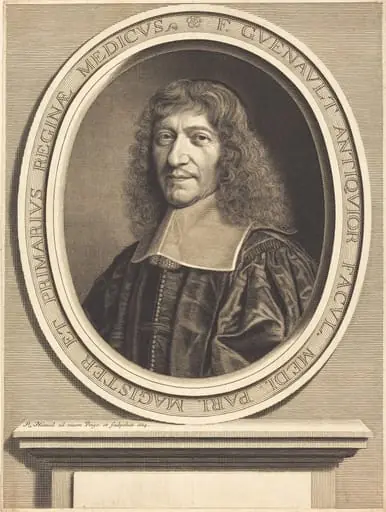
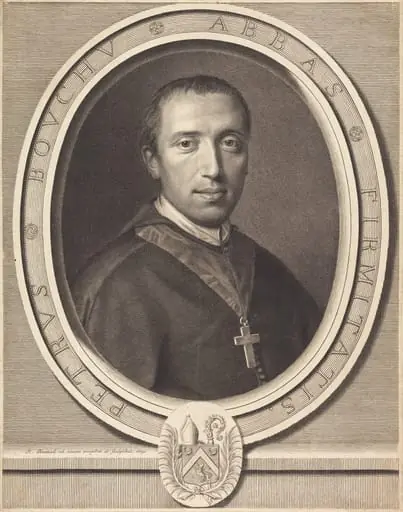
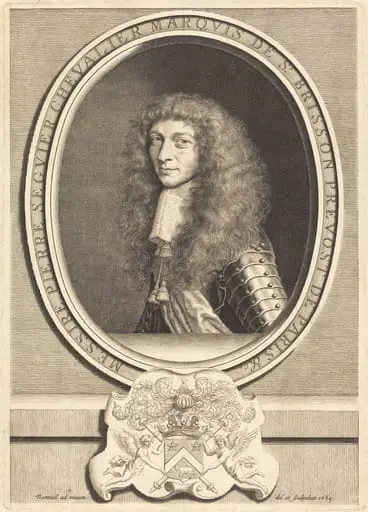
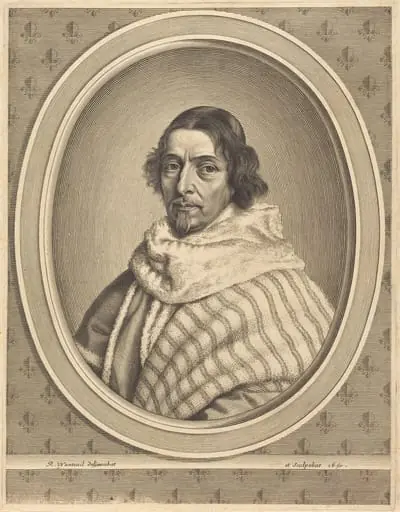
Nanteuil employed fine, controlled engraving lines to render texture in the cardinal’s ruffled collar and curly hair, achieving a lifelike softness despite the medium’s rigidity. The oval border, adorned with floral scrolls, celestial symbols, and geometric emblems, reflects Baroque ornamentation. These elements frame the figure not as a mere likeness but as a symbolic monument, blending naturalism with allegorical decoration.
History & Provenance
Created shortly after Mazarin’s death in 1661, the print served to solidify his public image during a period of political transition. As court engraver, Nanteuil had exclusive access to elite sitters, and this work was likely distributed among diplomats and nobles to affirm Mazarin’s enduring influence. Original impressions are rare, held today in major print collections across Europe.
Context
In mid-17th-century France, portraiture functioned as political tool as much as personal record. Mazarin’s image, rendered in the Baroque idiom, echoed the grandeur of absolutist rule. Nanteuil’s prints, including this one, helped standardize the visual language of power, bridging the gap between the opulence of court life and the reproducibility of print culture.
Legacy
Nanteuil’s portrait of Mazarin became a model for later French engraved portraiture, influencing how statesmen were visually codified. His technical refinement set a benchmark for engravers across Europe. Though Mazarin’s political legacy remains contested, Nanteuil’s image ensured his presence in the visual memory of the French state for generations.
Artist & collection
Artist
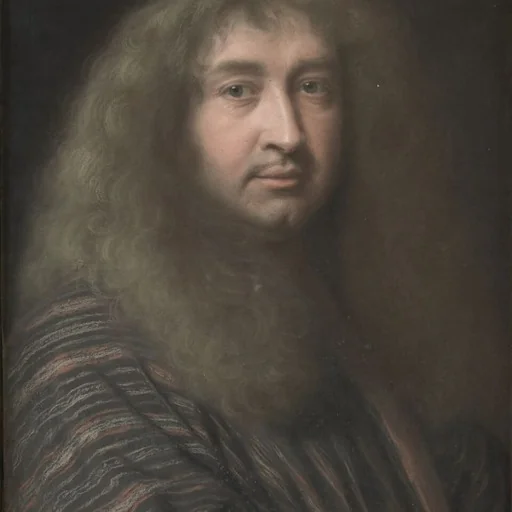
Robert Nanteuil (French pronunciation: ; 1623 – 9 December 1678) was a French portrait artist: engraver, draughtsman and pastellist to the court of Louis XIV.