Artwork
Cardinal Charles de Bourbon
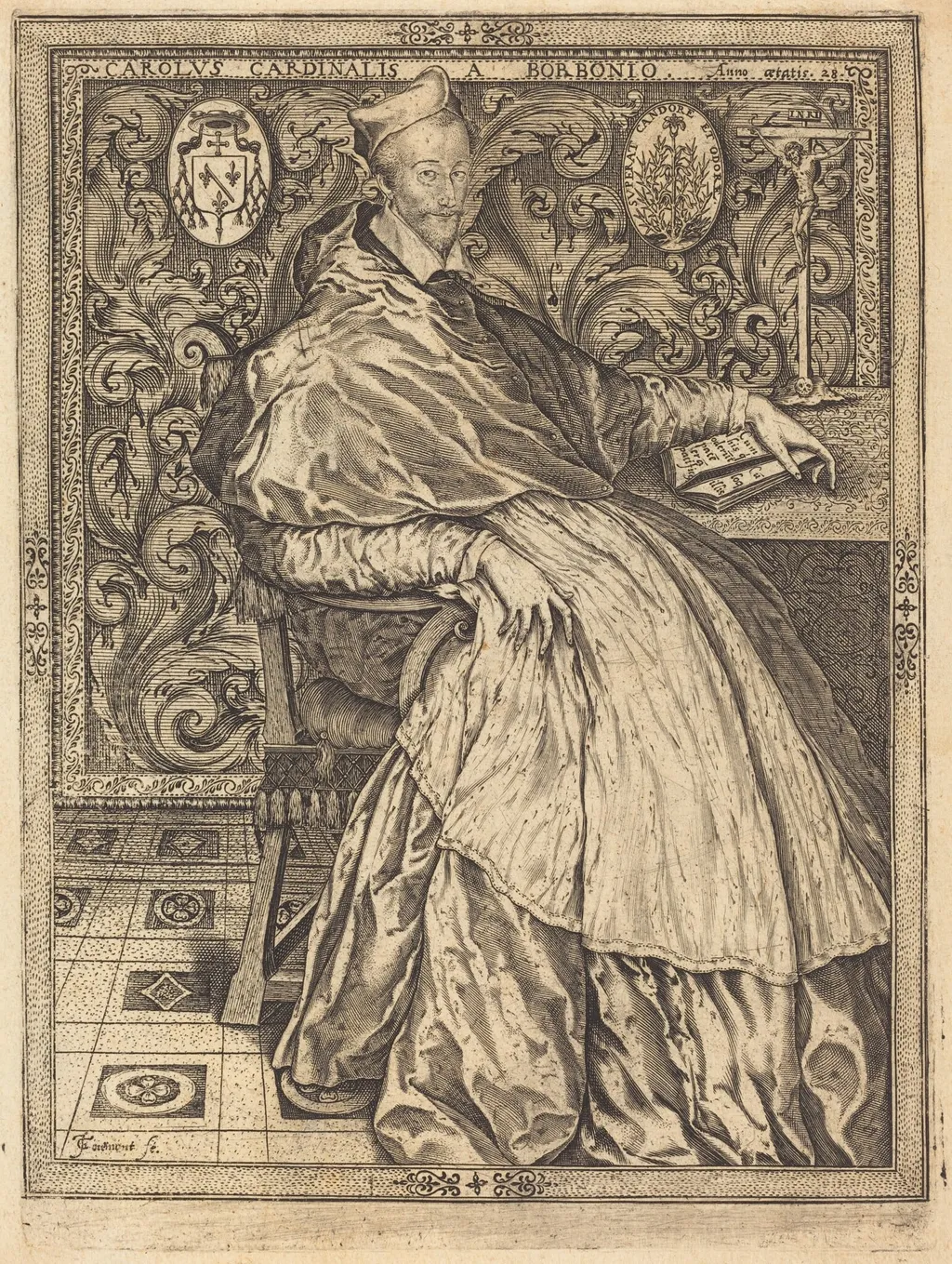
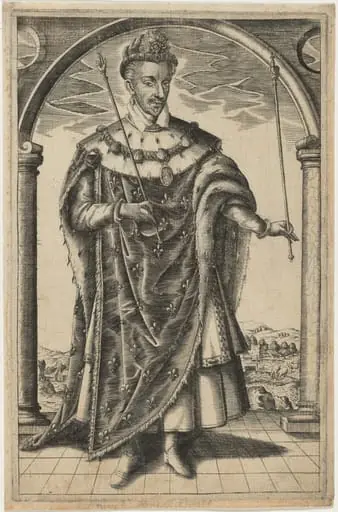
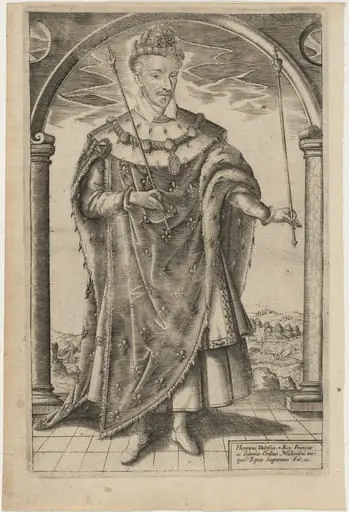
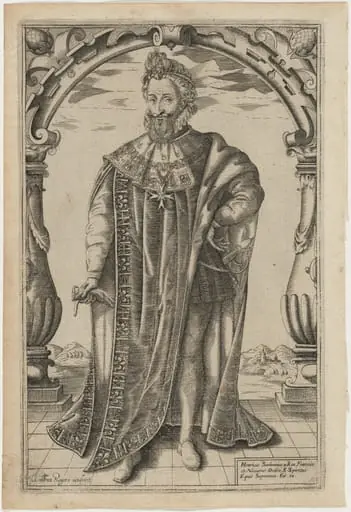
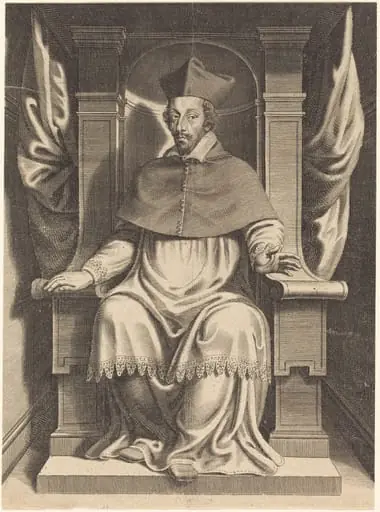
Cardinal Charles de Bourbon is an ink print by the Renaissance artist Jean de Gourmont I. It dates from 1518 and is held in the collection of the National Gallery of Art.
About this work
Overview
An engraving from 1518 by Jean de Gourmont I depicts Cardinal Charles de Bourbon, a prominent French churchman. The portrait captures him seated in a formal pose, dressed in ecclesiastical robes, with a hat and a solemn demeanor. The composition is framed by detailed decorative elements surrounding the figure, suggesting both status and the craftsmanship typical of early 16th-century printmaking.
Subject & Meaning
Cardinal Charles de Bourbon, a member of the French nobility and senior clergy, is portrayed with the gravity befitting his rank.
Cardinal Charles de Bourbon, a member of the French nobility and senior clergy, is portrayed with the gravity befitting his rank. His seated posture, hand resting on a book, conveys authority and intellectual engagement. The inclusion of symbolic motifs and illegible inscriptions reinforces the ceremonial nature of the image, likely intended for circulation among ecclesiastical circles to affirm his position and influence.
Technique & Style
Executed in fine-line engraving, the work demonstrates precise control of incised lines to render texture and form. The cardinal’s robe, chair, and table are rendered with careful attention to folds and surfaces, while the ornate background features intricate patterns typical of Northern Renaissance printmaking. The contrast between the detailed surroundings and the restrained facial expression emphasizes solemnity over individuality.
History & Provenance
Created in 1518, the engraving emerged during a period of intense ecclesiastical politics in France. Jean de Gourmont I, a known printmaker active in Paris, produced portraits of religious figures for elite audiences. While specific early ownership records are sparse, the print’s survival suggests it was preserved within ecclesiastical or noble collections, valued for its representation of high-ranking clergy.
Context
In early 16th-century France, engravings of cardinals served as visual tools of authority, often distributed to reinforce ecclesiastical hierarchy. Charles de Bourbon’s status as a prince of the Church and potential royal contender made him a subject of political interest. The engraving reflects the intersection of religious power and aristocratic identity, aligning with broader trends in portraiture among the clergy during the pre-Reformation era.
Legacy
Though not widely reproduced in later centuries, the engraving remains a documented example of French ecclesiastical portraiture from the early Renaissance. It contributes to the study of how religious figures were visually represented in print media before the rise of mass reproduction. Its survival offers insight into the aesthetics and social functions of printed images within clerical circles of the time.
Artist & collection