Artwork
Richard Gethinge, Writing Master
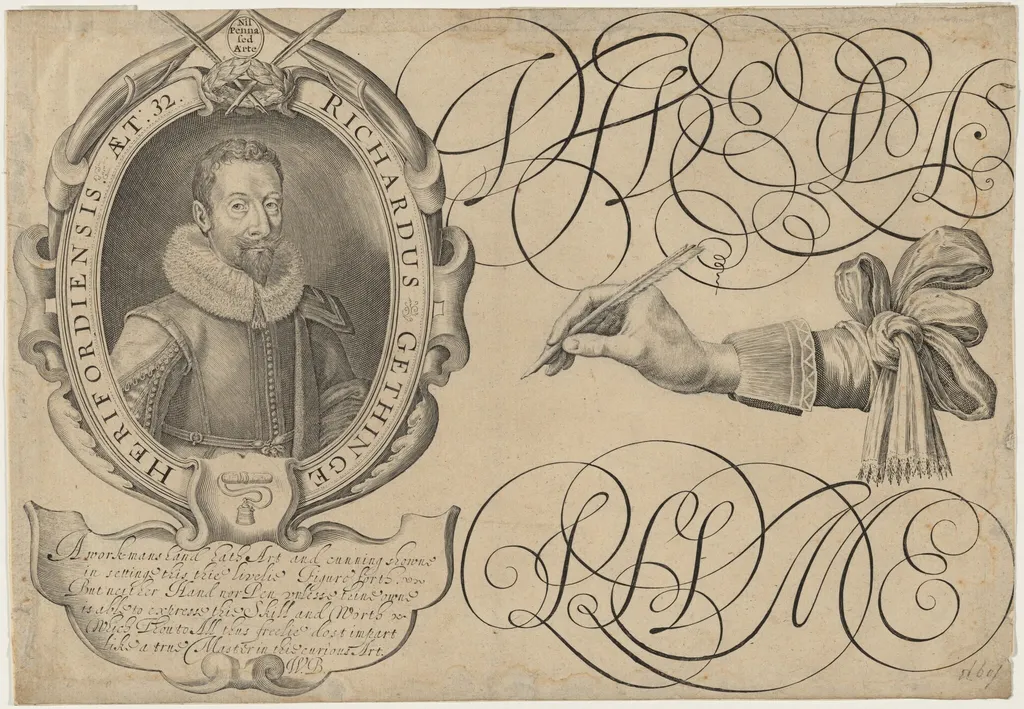
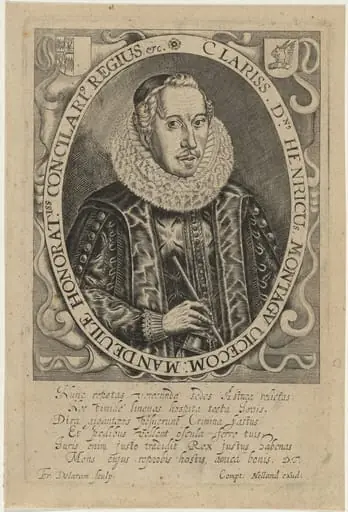
Richard Gethinge, Writing Master is an ink print by the Romanticist artist Unknown 19th Century. It dates from 1850 and is held in the collection of the National Gallery of Art. This engraved print depicts Richard Gethinge, a writing master active in early 17th-century England.
About this work
Overview
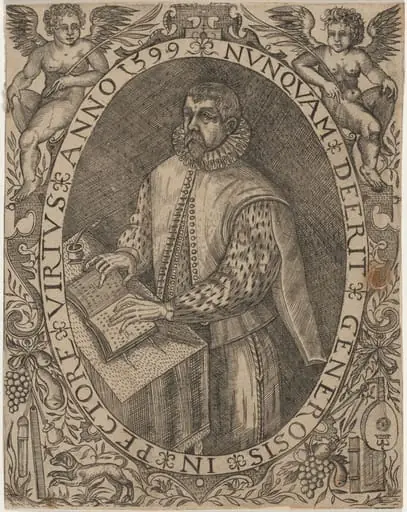
Rendered in monochrome, the image presents him in formal attire with a high collar and fur trim, enclosed within a circular border.
This engraved print depicts Richard Gethinge, a writing master active in early 17th-century England. Rendered in monochrome, the image presents him in formal attire with a high collar and fur trim, enclosed within a circular border. His name is inscribed in ornate lettering around the perimeter, while a hand holding a pen hovers above elaborate calligraphy to his right, signaling his professional domain.
Subject & Meaning
Richard Gethinge is portrayed not as a noble or clergyman, but as a skilled artisan of penmanship. The surrounding inscriptions extol the virtues of writing and drawing, reflecting the elevated status of calligraphy in an era before mechanical reproduction. The poised pen and flowing script suggest mastery as both technical and artistic, positioning the writing master as a guardian of literacy and refinement.
Technique & Style
The print employs fine linear engraving to create texture and depth using only black ink on white paper. Delicate cross-hatching and controlled line weight model the folds of fabric and the contours of the face, while the decorative script is rendered with precision. The circular composition focuses attention on the subject, a common format for portrait medals and trade cards of the period.
History & Provenance
Produced in England during the early 1600s, this print likely served as a promotional item for Gethinge’s writing school. Such engravings were distributed to attract students and affirm the teacher’s expertise. Though little is documented about Gethinge himself, similar prints by writing masters of the time survive in institutional collections, indicating a modest but established trade in pedagogical portraiture.
Context
In early modern England, handwriting was a vital social skill, especially among the merchant and professional classes. Writing masters like Gethinge operated private academies, teaching not only legibility but also ornamental scripts used in legal, commercial, and personal correspondence. This print reflects the cultural value placed on penmanship as a mark of education and status.
Legacy
Though Gethinge’s name is obscure today, this print preserves a glimpse into the professional world of early modern educators. It exemplifies how craft-based trades were visually legitimized through portraiture, bridging art and utility. Such engravings contributed to the standardization of handwriting instruction and remain rare artifacts of pre-industrial pedagogy.
Artist & collection

Artist

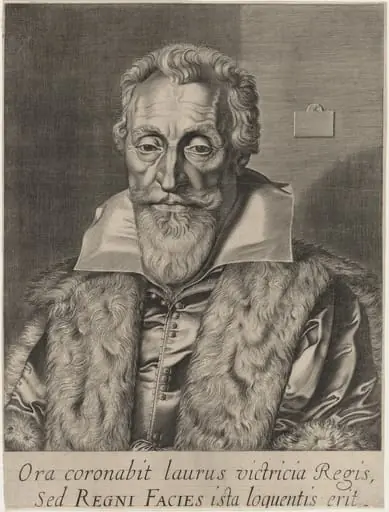
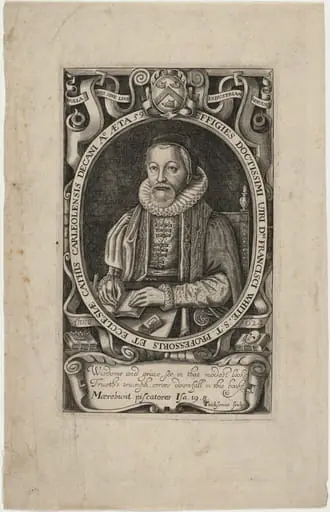 Francis White, Bishop of Ely
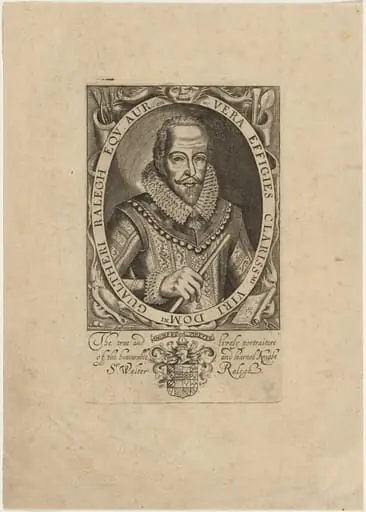 Sir Walter Raleigh
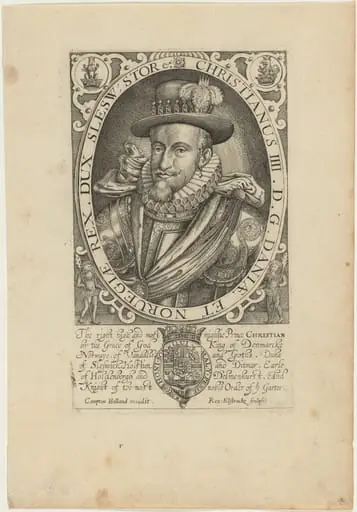 Christian IV of Denmark
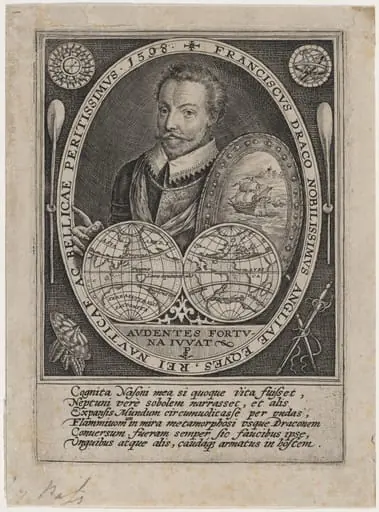 Francis Drake
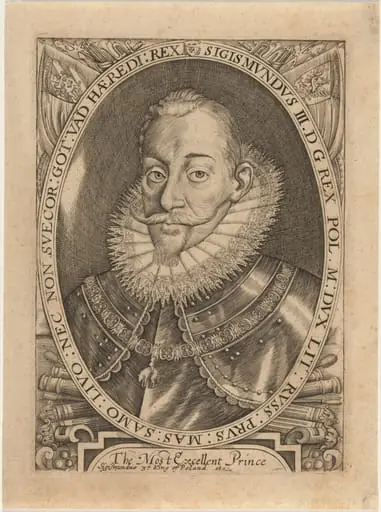 Sigismund III, King of Poland and Sweden
 John Dee (?)
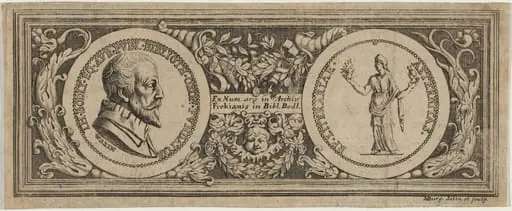 Thomas Bodley
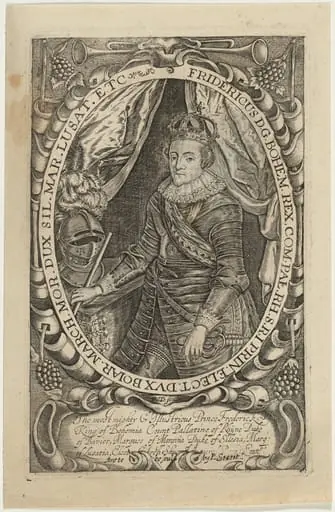 Fredericus D.G. Bohem. Rex (Frederick V, Kingof Bohemia)
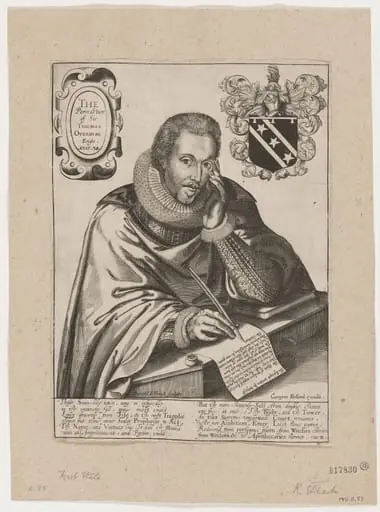 Sir Thomas Overbury
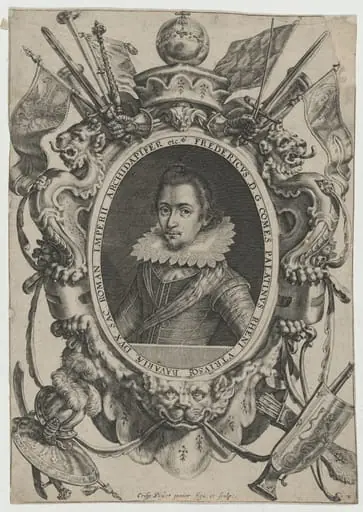 Frederick V, Elector Palatine, King of Bohemia
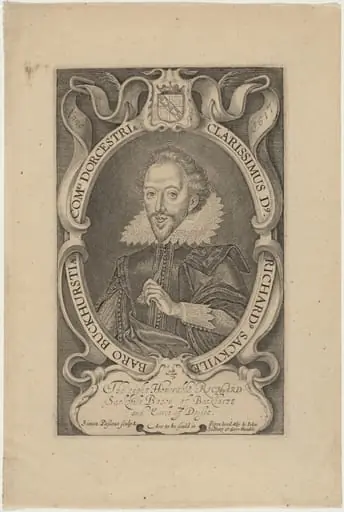 Richard Sackville, Third Earl of Dorset
 Henricus Montagu (Henry Montague, First Earl of Manchester)