Artwork
Thomas Bodley
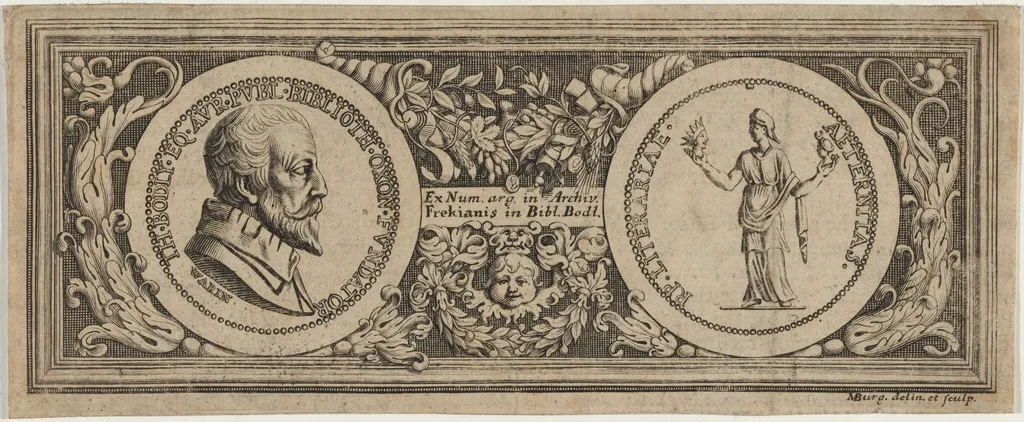
Thomas Bodley is an ink print by the Baroque artist Michael Burghers. It dates from 1682 and is held in the collection of the National Gallery of Art.
About this work
Overview
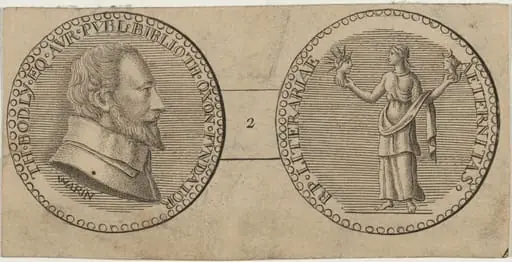
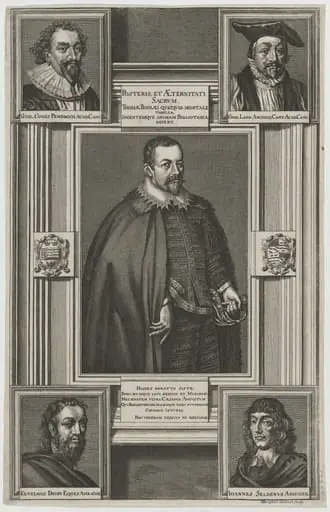
An engraving from 1682 by Michael Burghers depicts Thomas Bodley through two symbolic scenes framed within an ornate border.
An engraving from 1682 by Michael Burghers depicts Thomas Bodley through two symbolic scenes framed within an ornate border. The central figure is rendered with precise linear detail, flanked by an allegorical female figure. The composition merges portraiture with emblematic imagery, typical of late 17th-century commemorative prints. The work was produced using the engraving technique, where fine incised lines on a metal plate hold ink to create the image.
Subject & Meaning
The left panel presents Thomas Bodley, founder of the Bodleian Library, portrayed with a long beard and solemn expression, suggesting scholarly gravitas. The right panel features a female figure holding a scroll and staff, likely representing Learning or Knowledge, standing atop a pedestal to signify elevated intellectual pursuit. Together, the images convey Bodley’s legacy as a patron of scholarship, linking his personal identity with abstract ideals of education.
Technique & Style
Burghers employed fine, controlled engraving lines to model form and texture, particularly in Bodley’s facial features and the folds of the allegorical figure’s robes. Shading is achieved through cross-hatching and varying line density, creating depth without color. The frame and decorative elements are rendered with intricate detail, reflecting the period’s preference for elaborate, symbolic compositions in commemorative portraiture.
History & Provenance
Created in 1682, the engraving was likely commissioned to honor Bodley’s enduring influence on Oxford’s academic life, nearly a century after his death. Michael Burghers, a Dutch engraver active in England, was known for producing scholarly and institutional portraits. The print may have been distributed among university circles or used in library archives to reinforce Bodley’s institutional legacy.
Context
In late 17th-century England, engraved portraits of benefactors were common in academic and religious institutions as tools of commemoration and propaganda. Bodley’s image, paired with allegory, aligns with broader trends in post-Reformation England that emphasized education as a civic virtue. The use of Latin inscriptions and classical symbolism reflects the humanist traditions upheld by Oxford University at the time.
Legacy
The engraving remains a visual record of how Bodley’s contributions were memorialized in the decades after his death. It contributed to the visual identity of the Bodleian Library and reinforced his status as a foundational figure in British scholarship. Though not widely reproduced today, it endures in institutional archives as evidence of early modern practices in honoring intellectual patronage.
Artist & collection


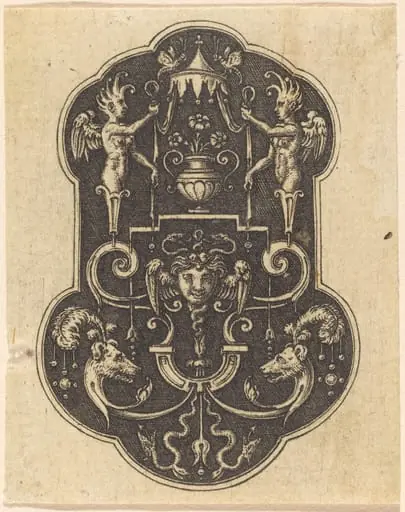 Head of Medusa
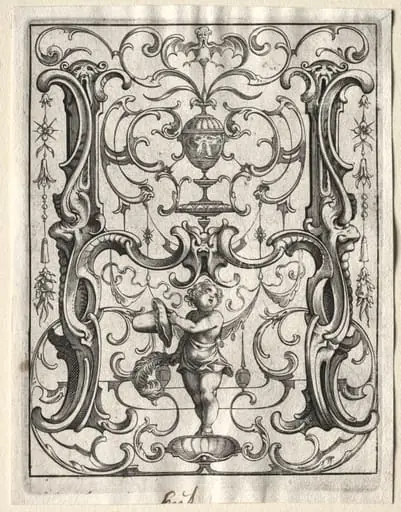 New ABC Booklet: H
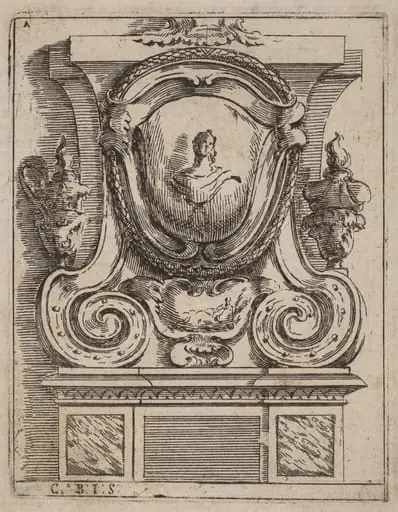 Architectural Motif with Bust and Two Lamps
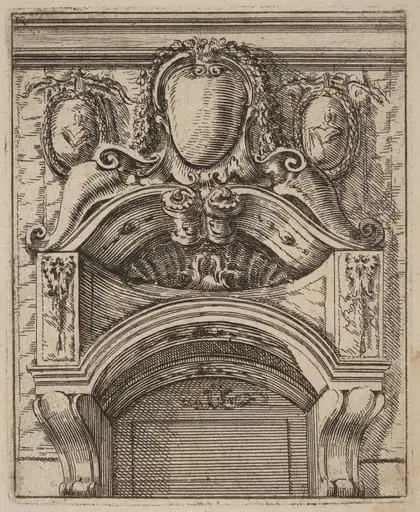 Architectural Motif with Three Shields, Two with Figures
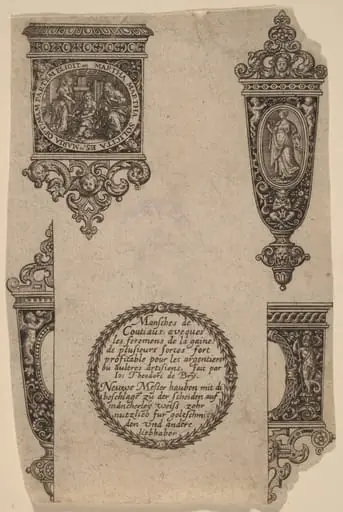 Ornament for Knife Handle
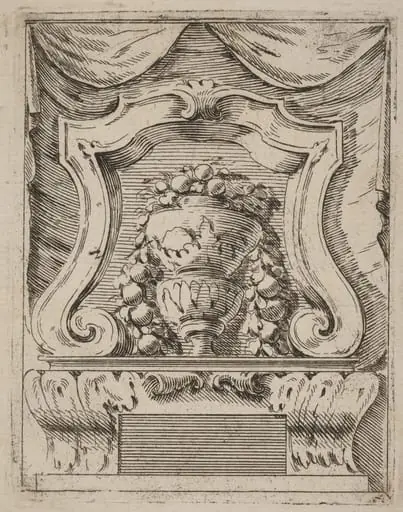 Architectural Motif with Fruit in a Vase
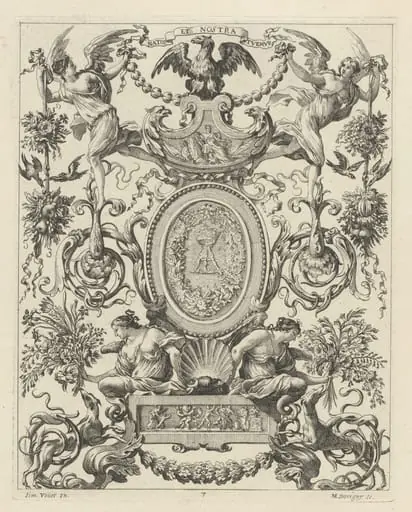 Ornamental Panel Surmounted by an Eagle and the Motto NATOS ET NOSTRA TUEMUR
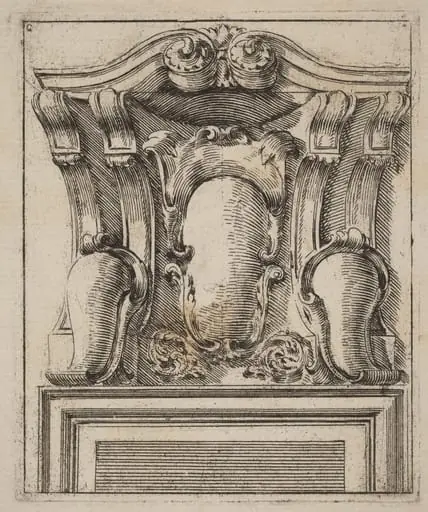 Architectural Motif with Three Shields
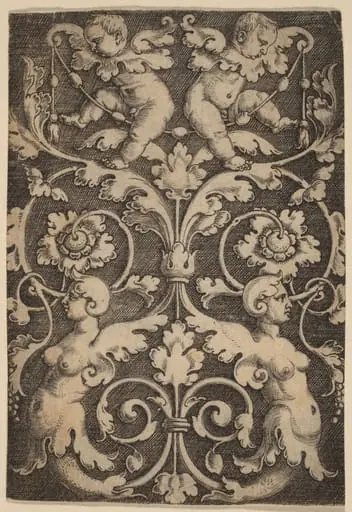 Upright Ornament with Two Sirens
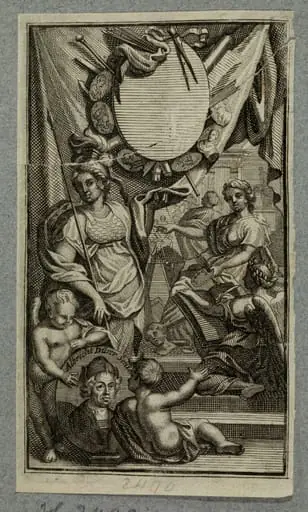 Frontispiece with portrait of Albrecht Dürer d.Ä.
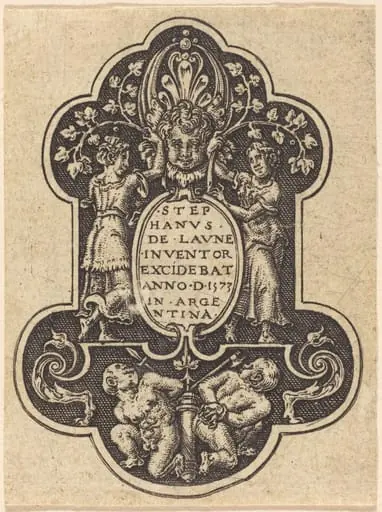 Title Page