Artwork
Sir Thomas Overbury
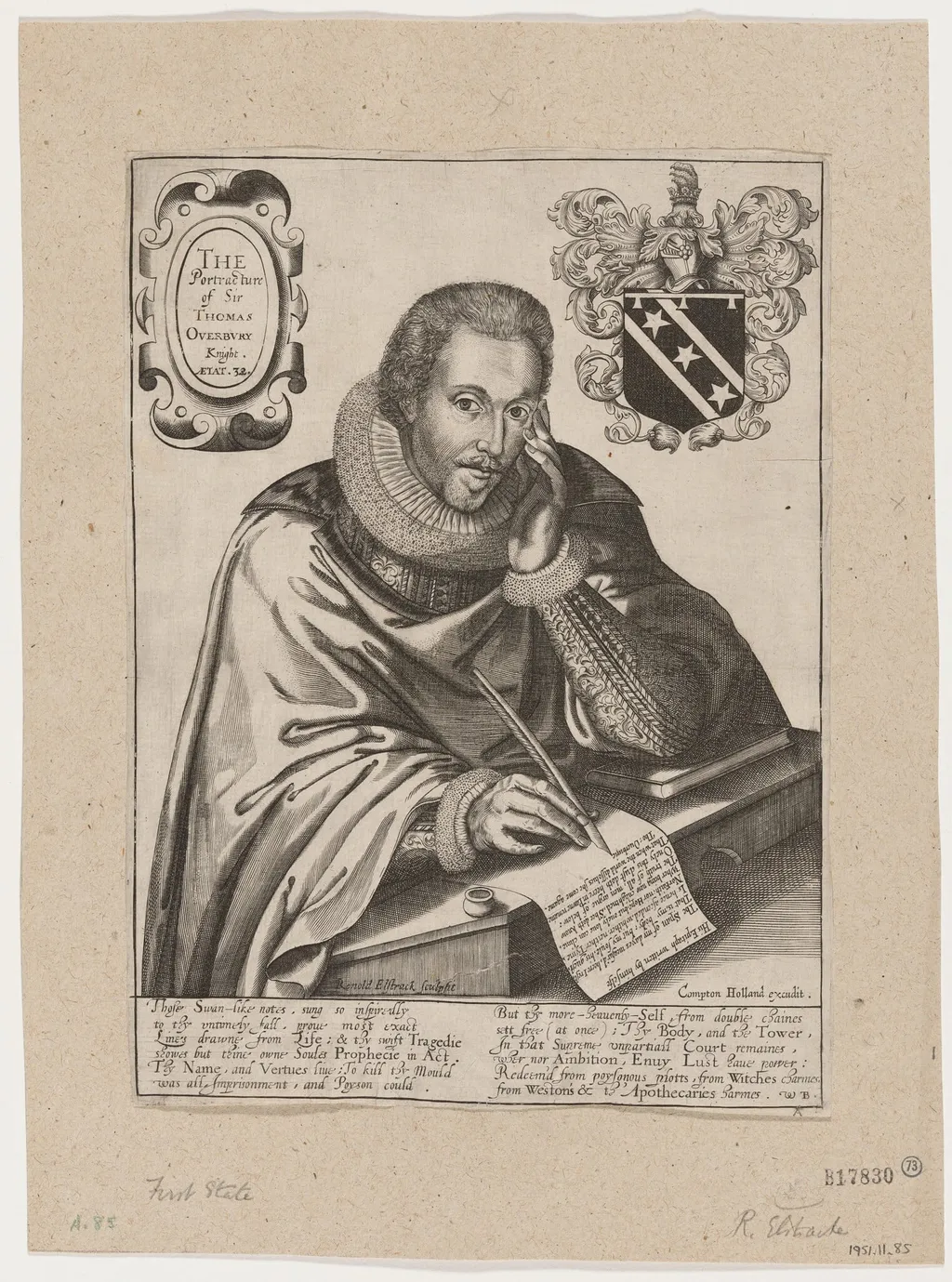
Sir Thomas Overbury is an ink print by the Renaissance artist Renold Elstrack. It dates from 1598 and is held in the collection of the National Gallery of Art.
About this work
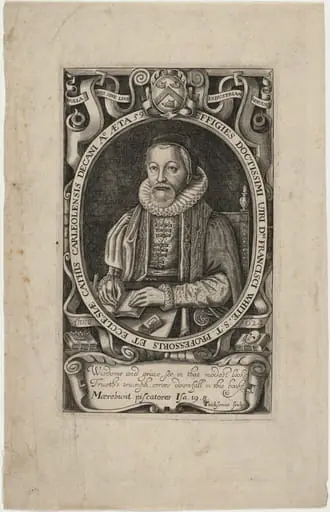
In the top-left corner, an oval frame contains the text "THE Portraiture of Sir THOMAS OVERBURY Knight.
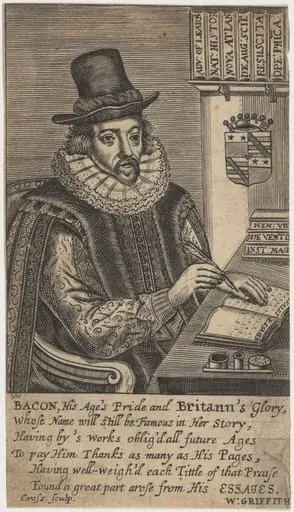
The image depicts a man sitting at a desk, holding a quill pen and paper. He is dressed in a robe with a ruffled collar and has a coat draped over his shoulders. The man's hair is short, and he has a mustache. A coat of arms is visible behind him, featuring a shield with a diagonal stripe and three stars.
In the top-left corner, an oval frame contains the text "THE Portraiture of Sir THOMAS OVERBURY Knight." The background of the image is a light brown color, suggesting it may be an old print or engraving.
This engraving is an example of Renaissance art, specifically from the 17th century. To learn more about this style, explore the Renaissance movement.
Overview
This engraving by Renold Elstrack, dated 1598, portrays Sir Thomas Overbury, an English poet and courtier. Executed in fine line work on paper, it belongs to the tradition of portrait prints common in late Elizabethan England. The image captures Overbury in a scholarly pose, seated at a desk, suggesting his literary and administrative roles. The medium reflects the era’s reliance on engraving for disseminating likenesses of notable figures.
Subject & Meaning
Sir Thomas Overbury is depicted as a learned gentleman, engaged in writing, with a quill in hand and paper before him. His attire—a robe with a ruffled collar and draped coat—signals status and intellectual pursuit. The heraldic shield behind him, bearing a diagonal band and three stars, affirms his knighthood and family lineage. The oval inscription above identifies him formally, reinforcing the print’s function as a dignified public representation.
Technique & Style
Elstrack employed fine, controlled engraving lines to render texture and form, typical of late 16th-century English printmaking. The portrait’s detail—hair, fabric folds, and the coat of arms—is rendered with precision, though the background remains minimal and uniformly toned. The composition follows Northern Renaissance conventions, emphasizing clarity and symbolic elements over atmospheric depth, reflecting the print’s utilitarian purpose in portraiture.
History & Provenance
Created in 1598, the engraving was likely produced to circulate Overbury’s image among courtly and literary circles. As a figure closely tied to the court of James I, his likeness would have held political and social currency. The print’s survival suggests it was preserved by collectors or institutions interested in contemporary notable figures, though its early ownership remains undocumented.
Context
This work emerges during a period when engraved portraits were increasingly used to project identity beyond the elite. Overbury’s role as a writer and courtier placed him at the intersection of literature and politics. The print aligns with broader trends in England, where printed images helped construct public personas, particularly for those whose influence extended beyond the nobility through intellectual or administrative means.
Legacy
Though Overbury’s life ended in scandal and murder in 1613, this engraving preserves his image as a cultivated gentleman before his downfall. It remains one of the few contemporary visual records of him, offering insight into how early modern figures wished to be seen. As a work by Elstrack, it also contributes to the understanding of English printmaking’s development in the decades before the Civil War.
Artist & collection