Artwork
Sir Thomas Worthy
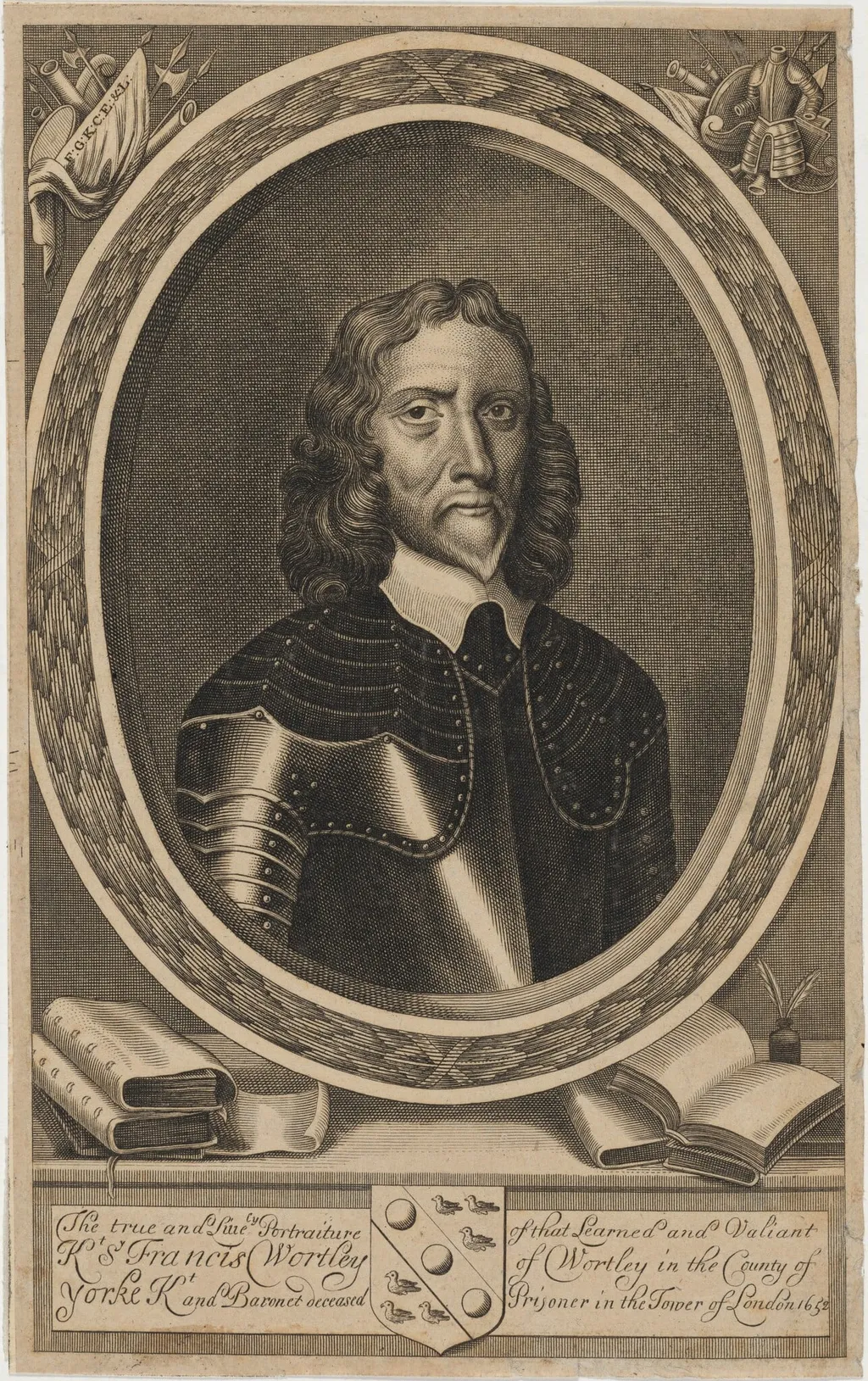
Sir Thomas Worthy is an ink print by the Romanticist artist Unknown 19th Century. It dates from 1850 and is held in the collection of the National Gallery of Art.
About this work
Overview
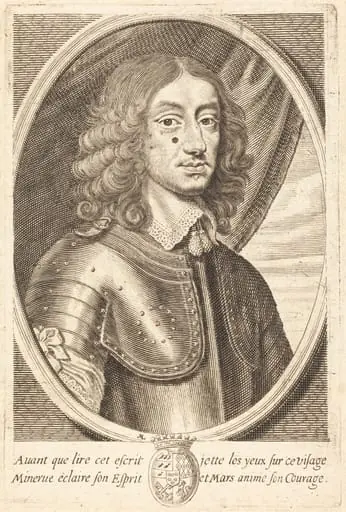
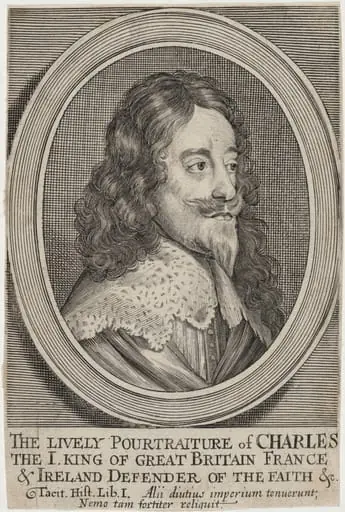
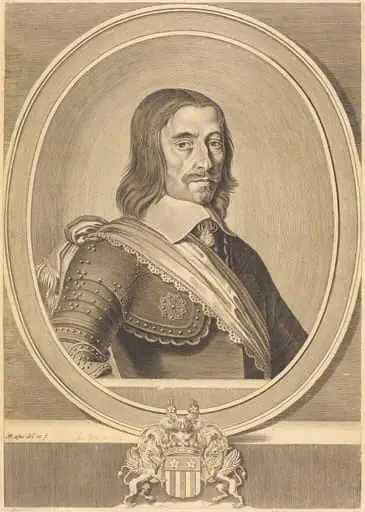
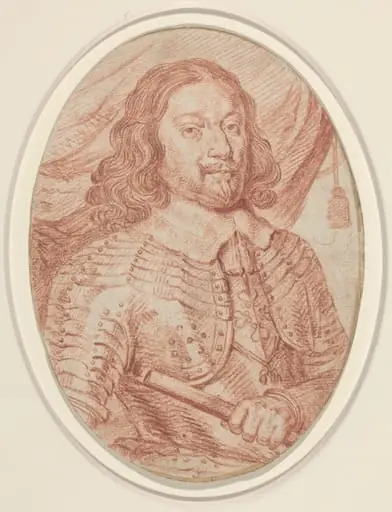
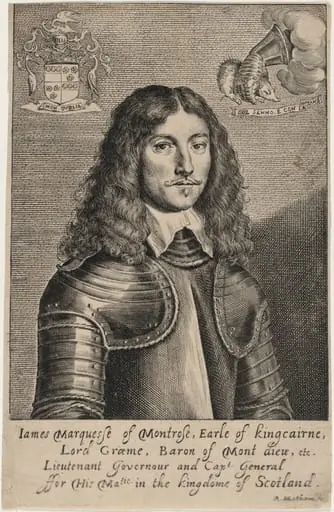
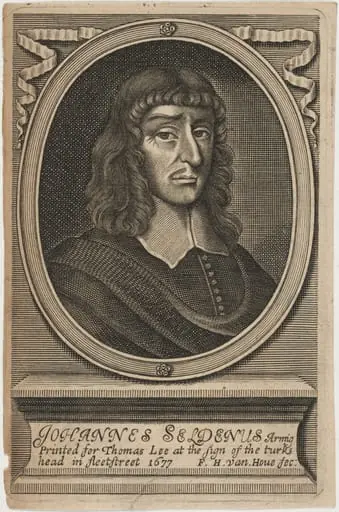
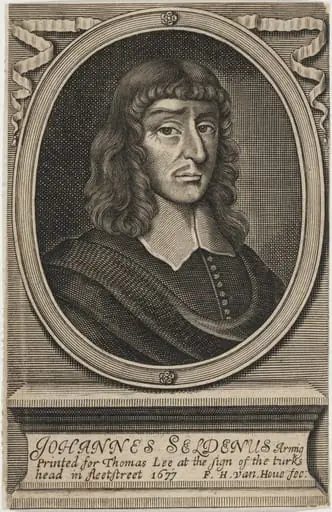
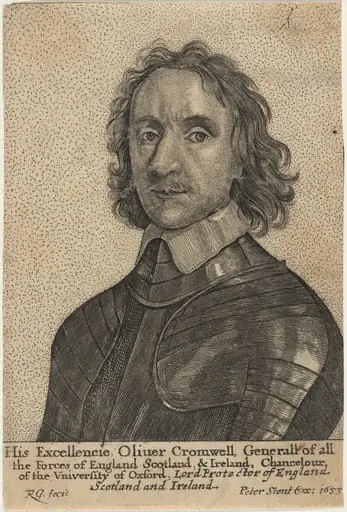
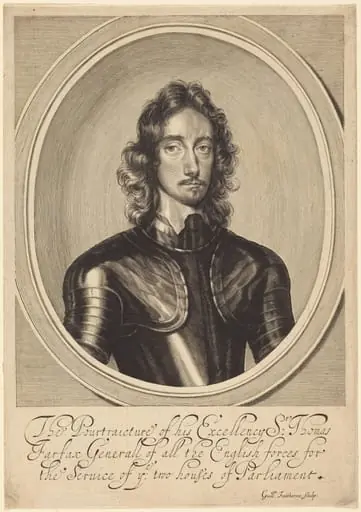
The print is a black‑and‑white engraving portraying a dignified man in middle age, dressed in a dark striped shirt with a high collar and a chainmail vest. His face is set within a circular frame edged with decorative swirls, and the composition is set against an unadorned background.
Subject & Meaning
An inscription notes his status as a prisoner in the Tower of London, linking the portrait to a specific episode in his life.
The figure is identified as Sir Thomas Worthy, presented as a learned and valiant individual. Flanking the central portrait are two open books, suggesting scholarly pursuits, while a heraldic shield below displays avian supporters and a family motto that reinforces his reputation for both intellect and courage. An inscription notes his status as a prisoner in the Tower of London, linking the portrait to a specific episode in his life.
Technique & Style
Executed in the traditional engraving method, the artist incised lines into a metal plate to produce fine, controlled strokes. The contrast between the dense cross‑hatching of the vest and the smoother areas of the face creates a clear tonal hierarchy, while the ornamental border and heraldic details demonstrate the period’s penchant for elaborate framing within portrait prints.
History & Provenance
The print likely dates from the early modern period when engraved portraits were used to disseminate the images of notable figures. Its inclusion of a coat of arms and the Tower of London reference suggests it was intended for a contemporary audience familiar with Sir Thomas Worthy’s circumstances, perhaps circulated among his allies or family.
Context
Portrait engravings of this type served both documentary and propagandistic functions, recording the appearance and status of individuals while also conveying messages about loyalty, learning, and honor. The juxtaposition of scholarly symbols with the prison reference reflects the complex social narratives surrounding aristocratic prisoners of the era.
Artist & collection

Artist