Artwork
Frederick Henry of Orange
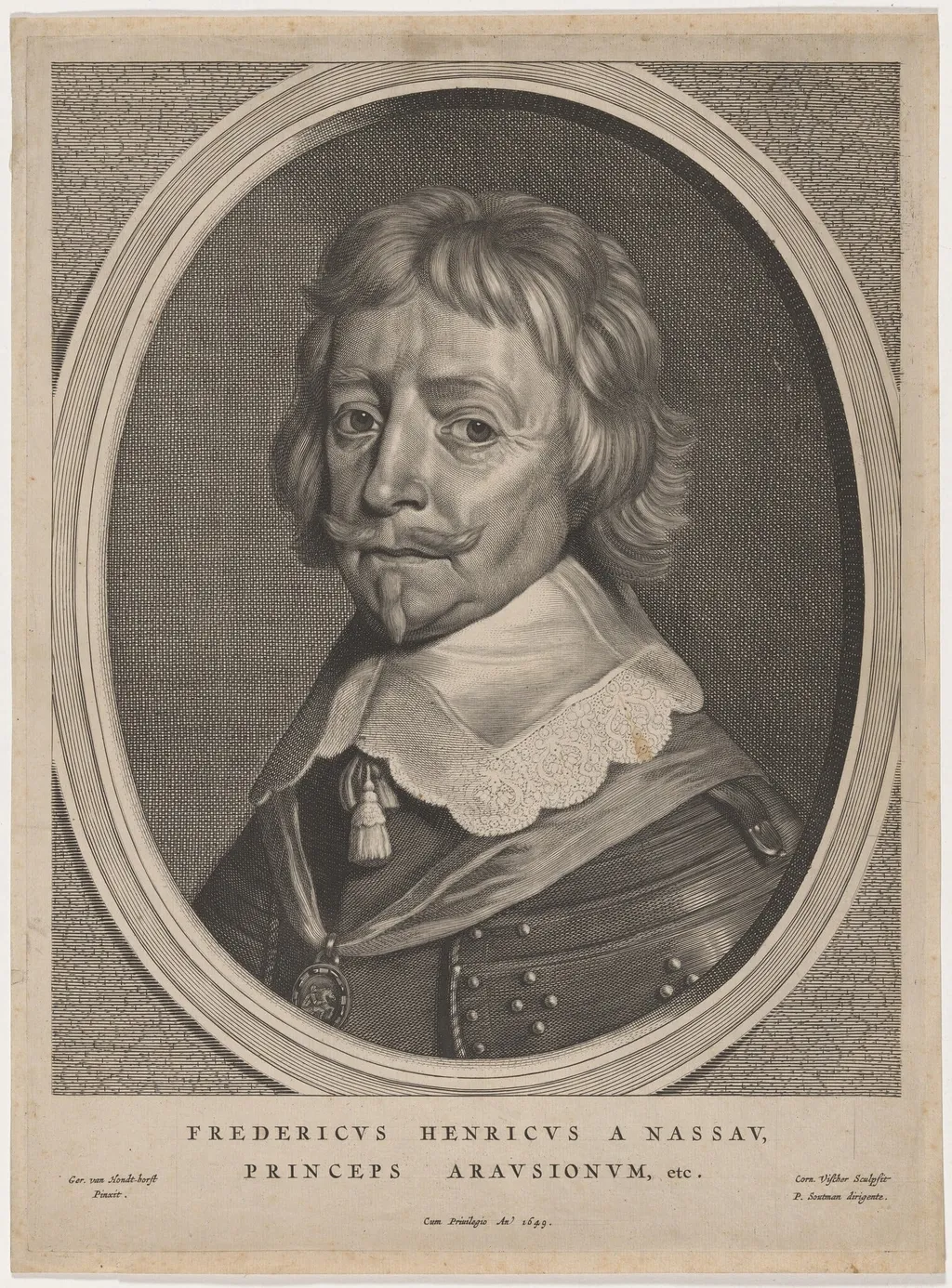
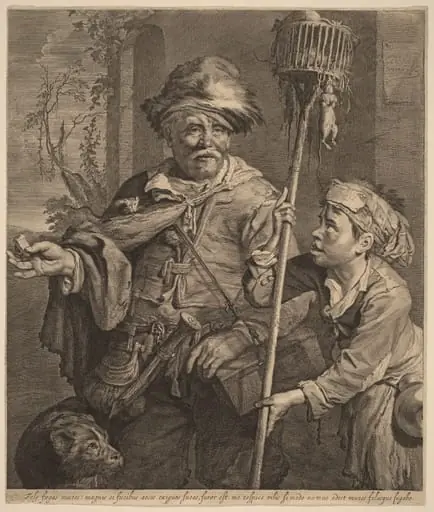
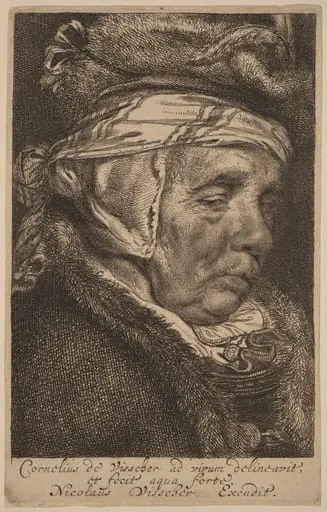
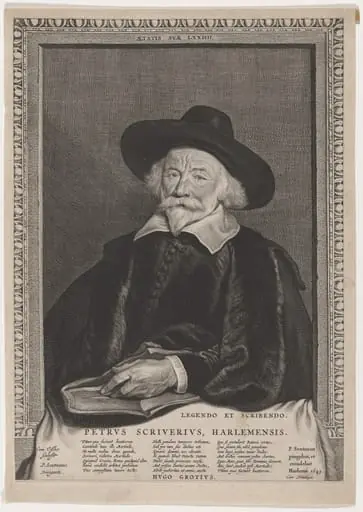
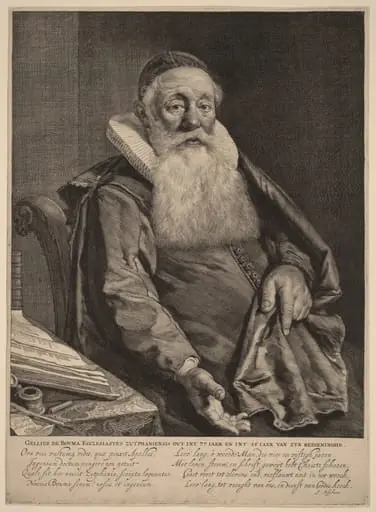
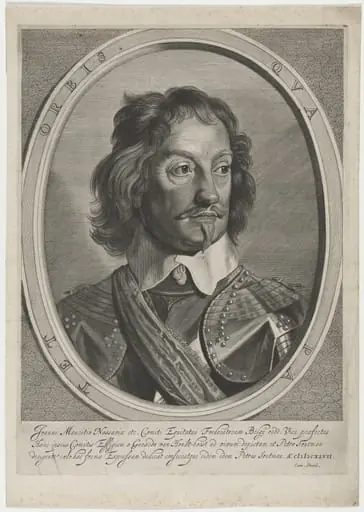
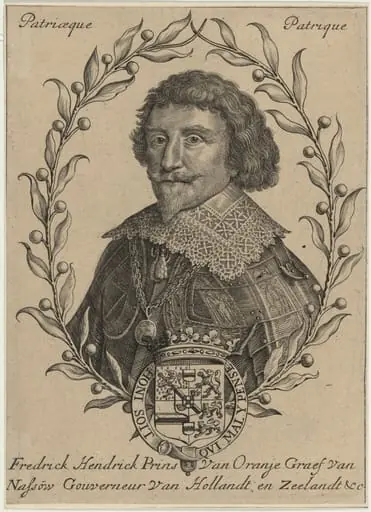
Frederick Henry of Orange is an ink print by the Baroque artist Cornelis Visscher. It dates from 1649 and is held in the collection of the National Gallery of Art.
About this work
Overview
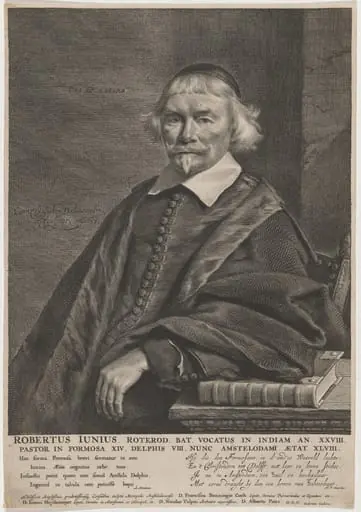
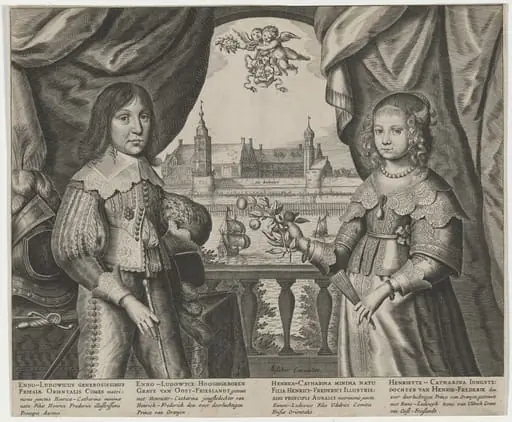
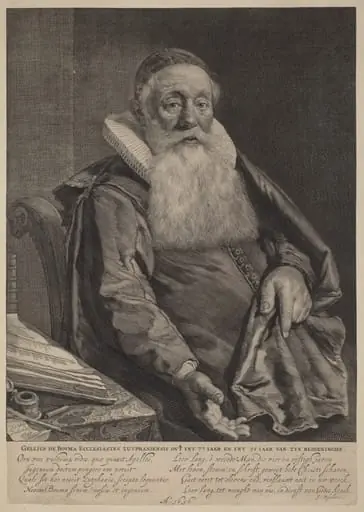
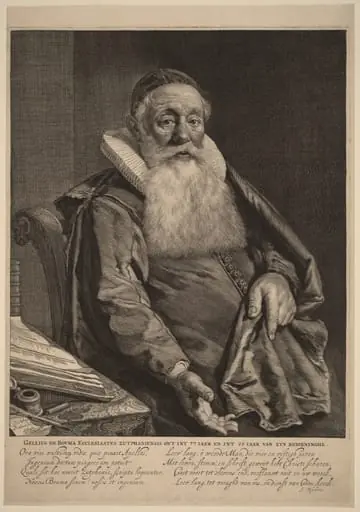
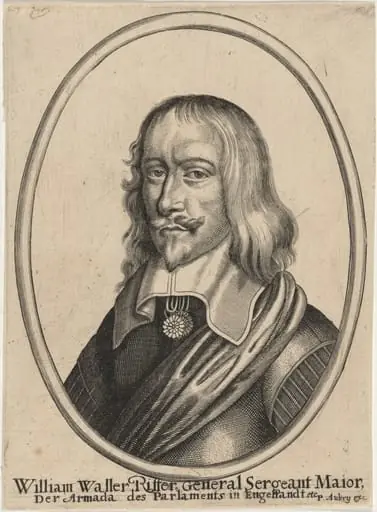
Cornelis Visscher’s 1649 engraving presents Frederick Henry, Prince of Orange, in a formal portrait. Rendered in black‑and‑white, the image captures the dignified countenance of the Dutch stadtholder, emphasizing his status through clothing and insignia. The print exemplifies mid‑seventeenth‑century portraiture intended for circulation among elite circles.
Subject & Meaning
The sitter, Frederick Henry (1584–1647), was a leading figure in the Dutch Republic, renowned for his military and diplomatic achievements. The portrait underscores his authority, displaying a high‑collared shirt, lace trim, and a dark cloak, while a chain bearing a small medal signals official honors and his role as a patron of the arts.
Technique & Style
Visscher employed fine, cross‑hatching lines to model light and shadow, giving the face a subtle three‑dimensional quality. The engraving’s delicate rendering of curls, beard, and textile textures reflects the Dutch printmaker’s mastery of line work, a hallmark of the period’s intaglio practice.
History & Provenance
Created shortly after Frederick Henry’s death, the print likely served as a commemorative image for supporters of the House of Orange. Copies circulated in the Netherlands and abroad, contributing to the visual legacy of the prince. The work is now held in several European print collections, attesting to its continued scholarly interest.
Context
The portrait belongs to a broader tradition of Dutch portrait engravings that disseminated the likenesses of political leaders. In the 1640s, printmaking was a primary means of reproducing and sharing images, allowing Visscher’s depiction to reach a wide audience beyond the court.
Artist & collection