Artwork
Akbar's mausoleum, Sikandra
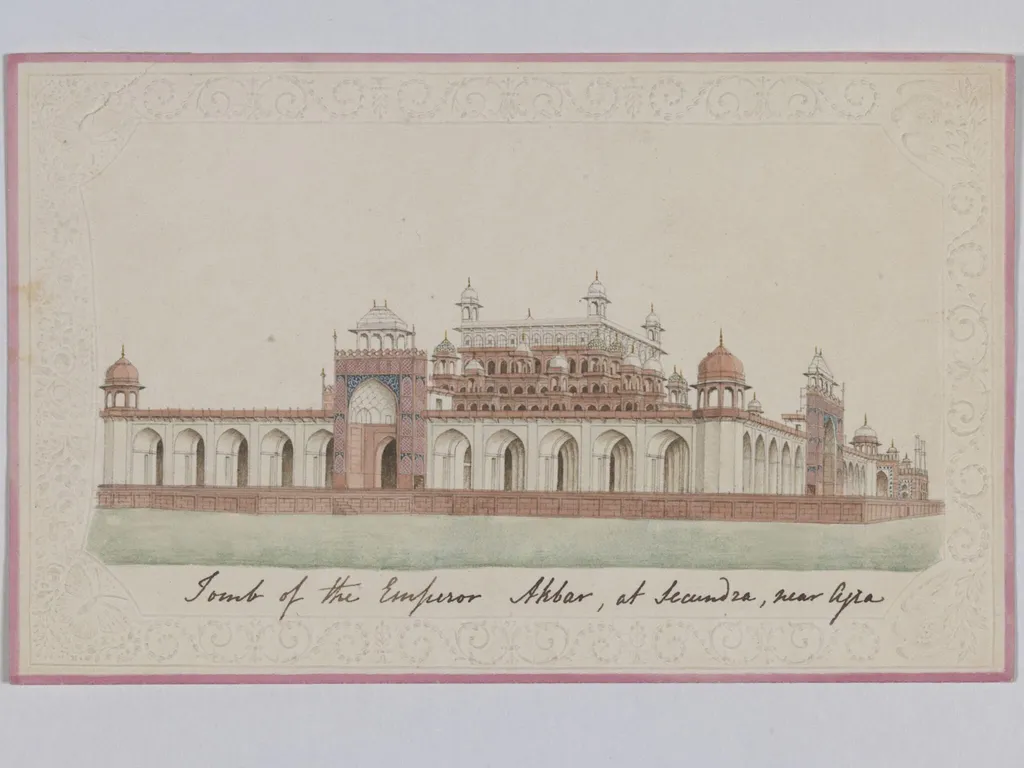
Akbar's mausoleum, Sikandra is a paint painting by the Romanticist artist Unknown. It dates from 1820 and is held in the collection of the Victoria and Albert Museum. The work is a watercolor drawing of the tomb of Emperor Akbar at Sikandra, situated near Agda.
About this work
Overview
The work is a watercolor drawing of the tomb of Emperor Akbar at Sikandra, situated near Agda. It forms part of a series of fifteen illustrations that record prominent Mughal monuments across Agra, Delhi and Fatehpur Sikri. The composition presents the mausoleum’s lofty arches and domed pavilions against a muted pink‑white façade, framed by a decorative pink border.
Subject & Meaning
The image captures the funerary architecture commissioned by Akbar in the late 16th century, emphasizing its harmonious proportions and serene atmosphere. By depicting the tomb in a tranquil palette, the drawing conveys a sense of reverence for the emperor’s legacy while also serving as a visual record of the monument’s exterior decoration, including the blue and red patterned panels.
Technique & Style
Executed in watercolor, the artist employs precise linear drawing combined with soft washes of pink, white, blue and red. The clean contours delineate the arches and domes, while the delicate coloration imparts a calm, almost ethereal quality. A swirling pink border frames the scene, adding a decorative flourish typical of early 19th‑century British watercolour travel sketches.
History & Provenance
The drawing was produced during the administration of Lord Amherst, Governor‑General of India from 1823 to 1828, and his wife, Lady Amherst, an avid amateur watercolourist with a particular interest in Indian architecture. The work likely originated from their joint artistic excursions and was later incorporated into the Victoria and Albert Museum’s collection of South Asian art.
Artist & collection

 Domestic Scene
 Giacomo and Cardinal Marco, investing Andrea, Abbot of San Zeno, with his Benefice
 The Nymph of Fontainebleau
 Portrait of a Woman
 Madonna and Child with Saints in the Enclosed Garden
 Venus and Minerva
 Family Group of Four on Sofa
 Wall painting from Room H of the Villa of P. Fannius Synistor at Boscoreale
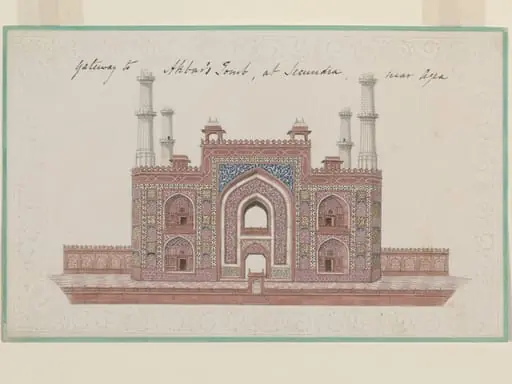 Gateway of Akbar's tomb, Sikandra
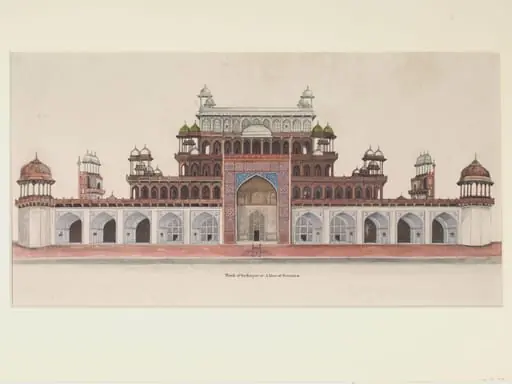 Elevation of the front of the mausoleum of the Emperor Akbar at Sikandra near Agra
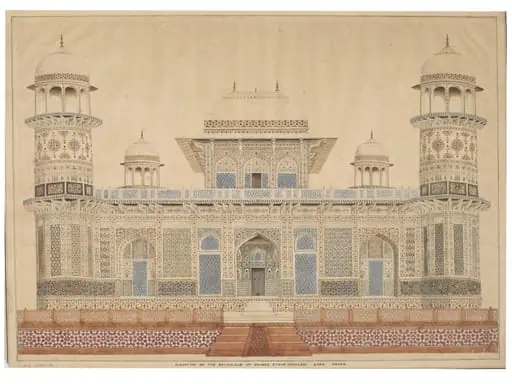 Mausoleum of Itimad ud-Daula.
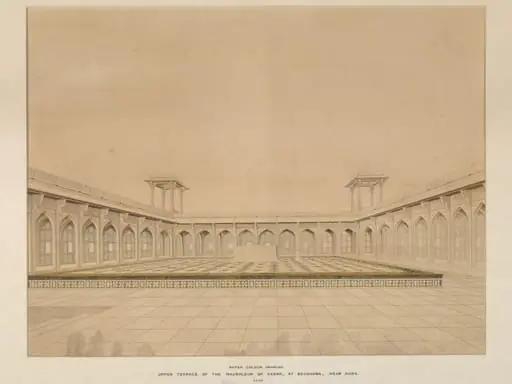 Upper terrace of the Mausolum of Akbar, Sikandra.
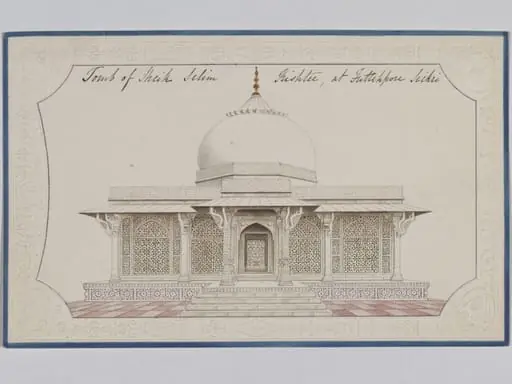 Mausoleum of Salim Chisti, Fatehpur Sikri
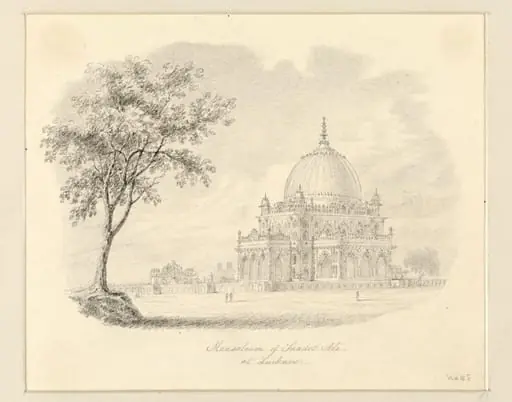 Mausoleum of Saadet Ali, at Lucknow.
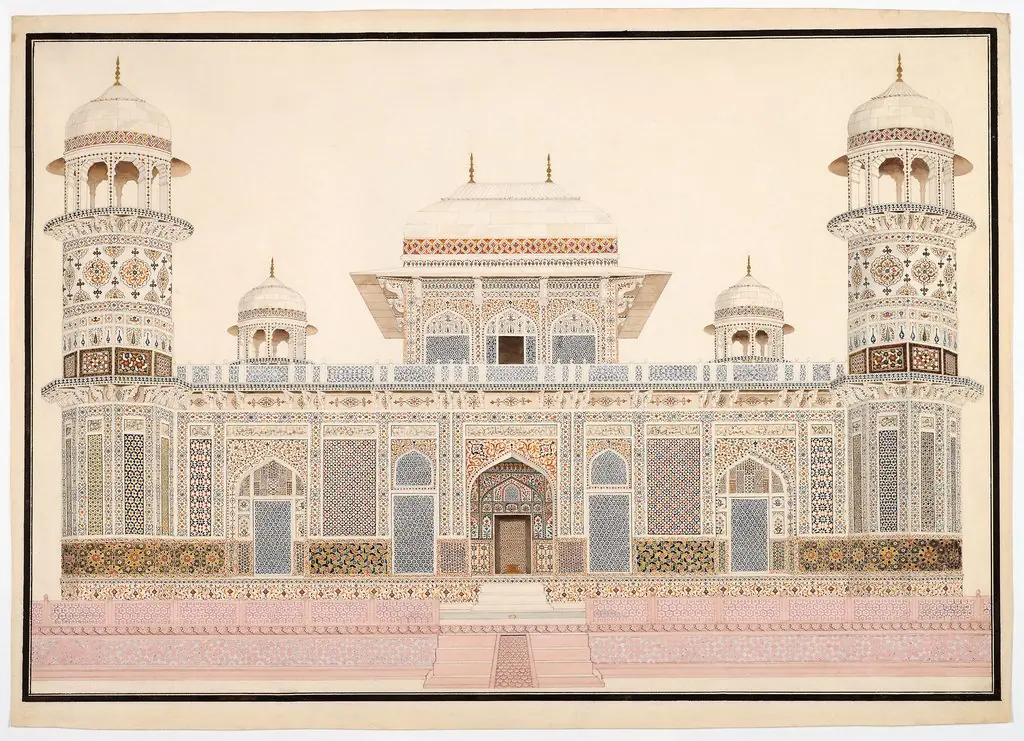 I'timad-ud-Daula's Tomb at Agra
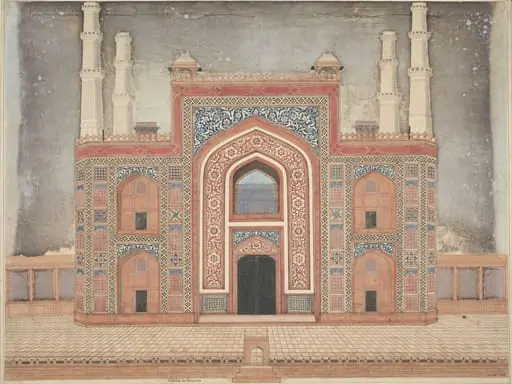 Elevation of the entrance gateway to the garden surrounding Akbar's masoleum.
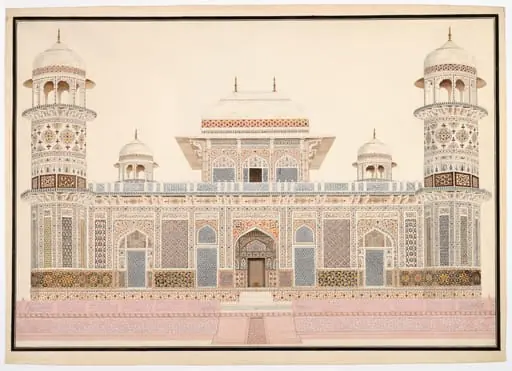 I'timad-ud-Daula's Tomb at Agra
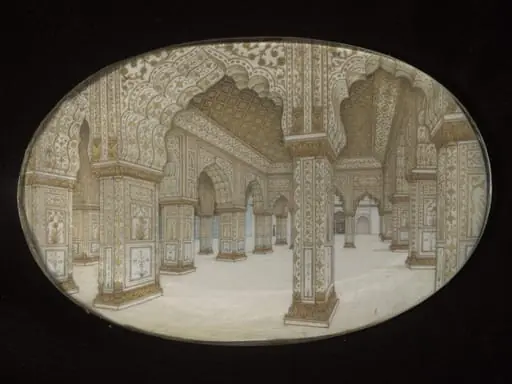 Interior of a Mughal Palace.