Artwork
Autumn in the Mountains
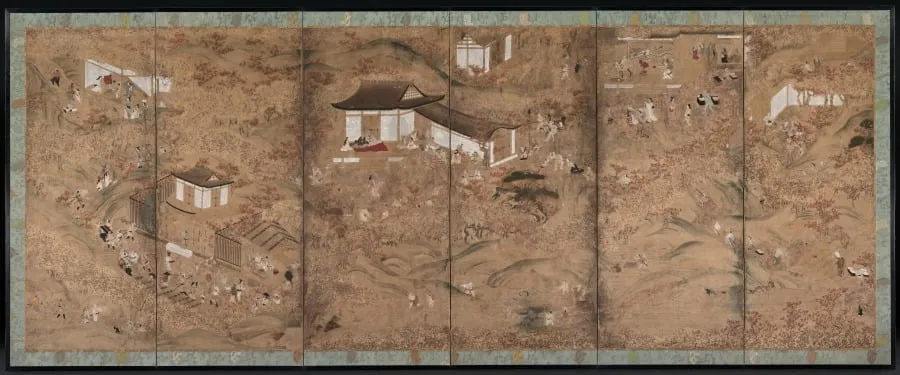
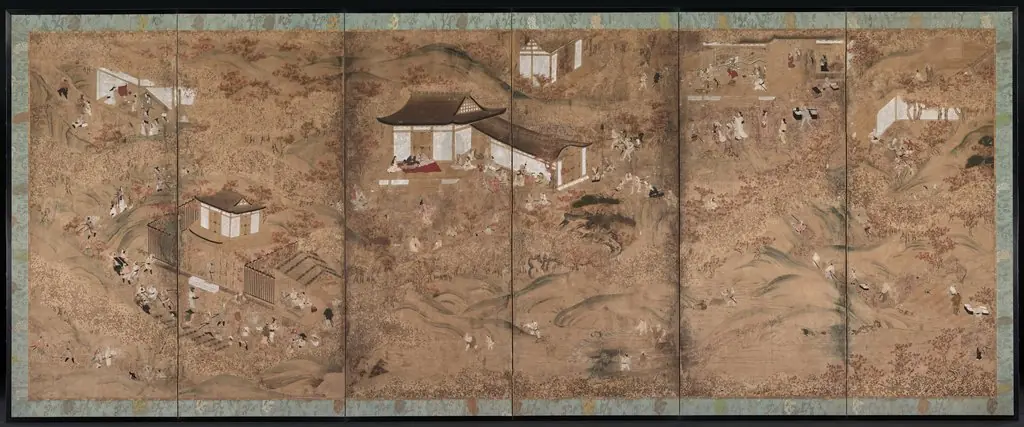
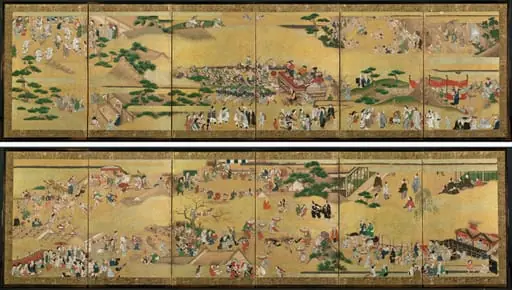
Autumn in the Mountains is an unspecified painting by the Barbizon school artist Unknown. It dates from 1604 and is held in the collection of the Cleveland Museum of Art.
About this work
Overview
The palette is subdued, dominated by earthy browns, with accents of green and white, creating a quiet, harmonious atmosphere.
Autumn in the Mountains is a six-panel painting depicting a rural landscape during fall. White-walled buildings with brown tiled roofs dot the foreground, nestled among deciduous trees and distant mountains. Figures engaged in daily activities—walking, sitting, standing—populate the scene, accompanied by horses and birds. The palette is subdued, dominated by earthy browns, with accents of green and white, creating a quiet, harmonious atmosphere.
Subject & Meaning
The painting captures ordinary life in a mountainous region during autumn, emphasizing quiet labor and seasonal rhythms. No single narrative dominates; instead, the composition suggests a collective, unhurried existence. The presence of animals and varied human postures implies a self-sustaining community, grounded in nature’s cycles rather than grand events or symbolic allegory.
Technique & Style
Executed in the Baroque tradition, the work employs layered brushwork and careful tonal gradation to suggest depth across its six panels. Figures are rendered with modest detail, avoiding theatricality. The horizontal layout of the panels allows for a continuous, panoramic view, while the restrained color scheme reflects a preference for naturalism over dramatic contrast typical of high Baroque.
History & Provenance
The painting’s origin is tied to a regional workshop in early modern Europe, likely commissioned by a local patron or religious institution. Its six-panel format suggests use in a domestic or ecclesiastical setting, possibly as a devotional or seasonal decoration. Its survival indicates it was valued for its depiction of local life rather than as a work by a celebrated artist.
Context
Created during the Baroque period, the painting diverges from the era’s typical grandeur, instead focusing on rural tranquility. This reflects a broader trend in certain regional schools where everyday scenes were rendered with dignity, even as courts and churches favored mythological or religious spectacle. The work aligns with local traditions of landscape and genre painting in mountainous areas.
Legacy
Autumn in the Mountains remains a quiet testament to regional artistic practices that prioritized observation over spectacle. Though not widely exhibited, it contributes to understanding how Baroque aesthetics adapted to non-urban environments. Its preservation offers insight into the visual culture of rural communities during a period often defined by urban and courtly art.
Artist & collection

 Domestic Scene
 Giacomo and Cardinal Marco, investing Andrea, Abbot of San Zeno, with his Benefice
 The Nymph of Fontainebleau
 Portrait of a Woman
 Madonna and Child with Saints in the Enclosed Garden
 Venus and Minerva
 Family Group of Four on Sofa
 Wall painting from Room H of the Villa of P. Fannius Synistor at Boscoreale
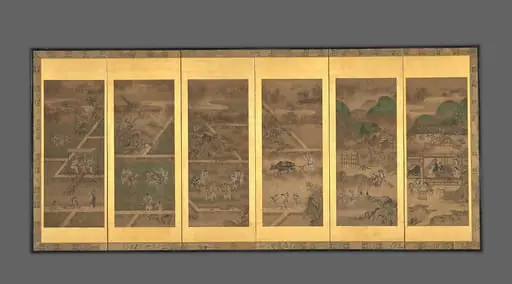 農耕作月次図屏風|Farmers' Lives in the Twelve Months
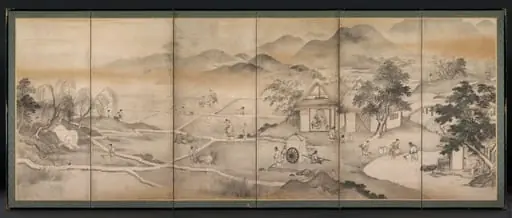 Emperor Yao Visiting Yu Chonghua
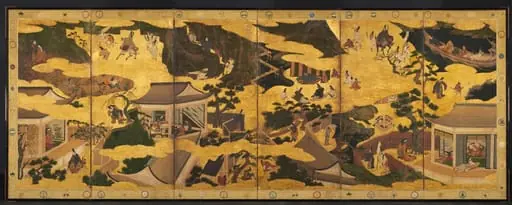 Scenes from the Tales of Ise
 Untitled
 Literary Gathering in the Orchid Pavilion
 Views of Kyoto
 북새선은도
북새선은도 平家物語図屏風 「小督」 「大原御幸」|"Kogō" and "The Imperial Procession to Ōhara", from The Tale of the Heike (Heike monogatari)
 Daimyo Procession from Yūshō-in
 Emperor Yao Visiting Yu Chonghua
 Autumn in the Mountains
 Festival Scenes