Artwork
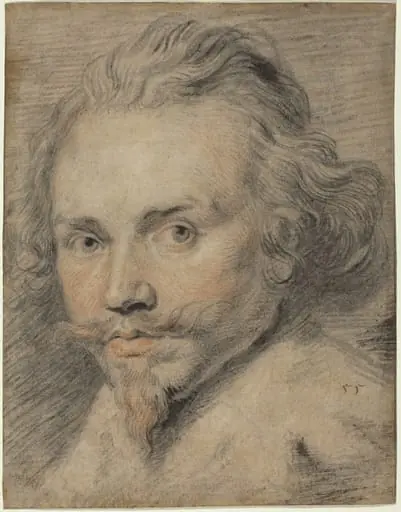
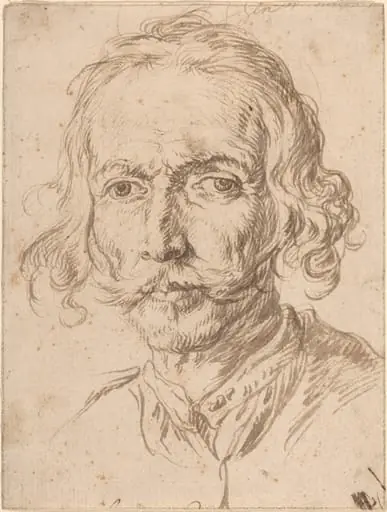
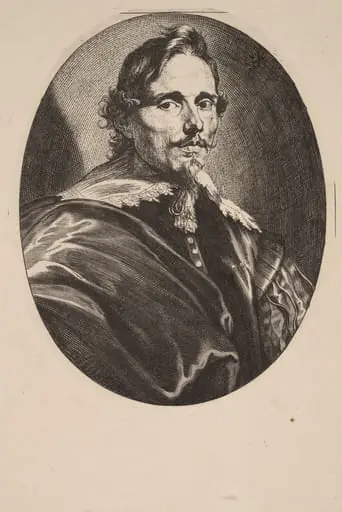
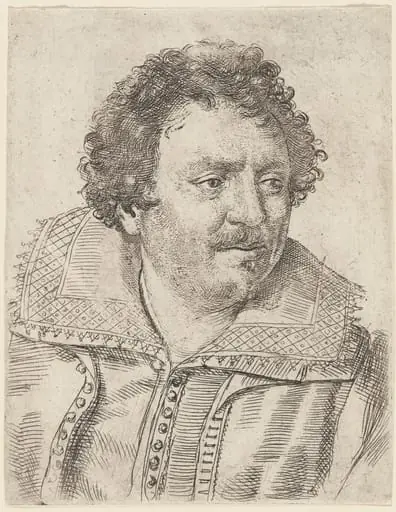
Copy of Van Dyck's Déodat Delmont
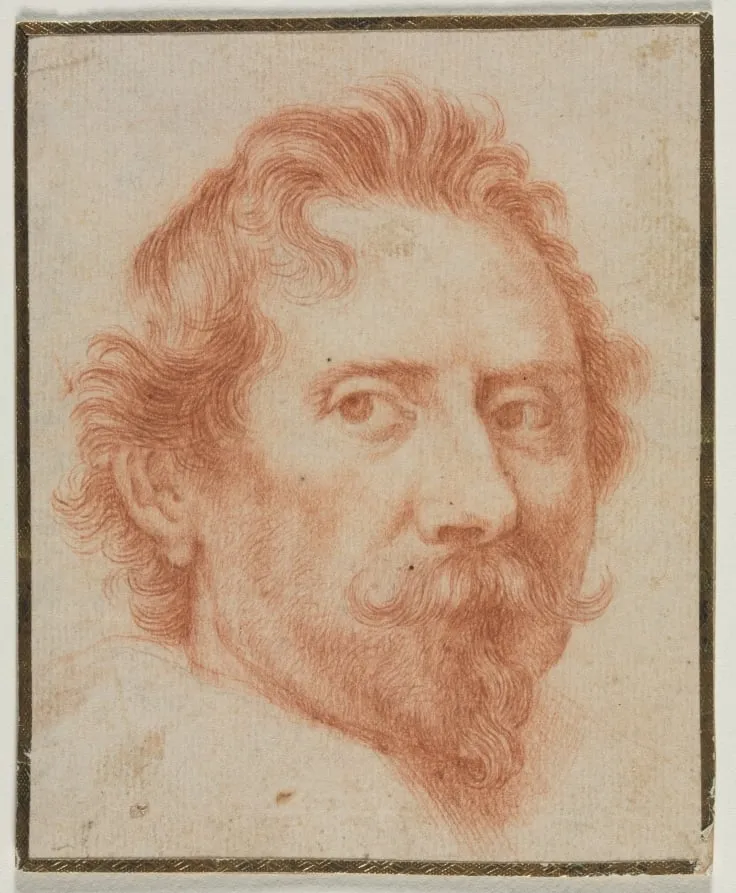
Copy of Van Dyck's Déodat Delmont is a drawing by the Baroque artist Unknown. It dates from 1704 and is held in the collection of the Cleveland Museum of Art. This drawing is a reproductive study after a portrait by Anthony van Dyck, executed in the Baroque tradition.
About this work
Overview
This drawing is a reproductive study after a portrait by Anthony van Dyck, executed in the Baroque tradition. It captures a male subject with distinctive facial hair and curled hair, rendered in monochrome to emphasize form and texture. The composition isolates the figure against a pale background, focusing attention on the sitter’s presence without decorative distraction.
Subject & Meaning
The subject is identified as Déodat Delmont, a figure associated with Van Dyck’s circle, though little is known of his life. The portrait conveys neither gesture nor emotion, presenting a composed, frontal gaze typical of aristocratic portraiture of the era. The neutrality suggests an emphasis on dignity and social standing rather than individual personality.
Technique & Style
The artist employs chiaroscuro through subtle tonal gradations to model the face and shirt, creating volume without color. Fine hatching and soft shading define the curls and collar, reflecting Van Dyck’s refined draftsmanship. The restrained palette and controlled line work align with 17th-century Flemish drawing practices used for preparatory or commemorative studies.
History & Provenance
The drawing is a later copy, likely made in the 18th or early 19th century, following Van Dyck’s original painted portrait. Its existence indicates continued interest in Van Dyck’s portraiture among collectors and artists seeking to preserve his compositional models. No definitive record traces its ownership prior to modern institutional acquisition.
Context
Van Dyck’s portraits of courtiers and intellectuals set a standard for European portraiture in the 1630s. Copies like this one circulated among art students and connoisseurs as instructional examples, reinforcing his influence beyond his lifetime. The practice of reproducing his works helped disseminate his stylistic conventions across regions and generations.
Legacy
This drawing preserves a visual record of Van Dyck’s approach to character depiction through restraint and precision. Though not an original, it reflects enduring admiration for his ability to convey presence with minimal means. Such copies serve as historical evidence of how Baroque portraiture was studied and transmitted in later centuries.
Artist & collection

 Domestic Scene
 Giacomo and Cardinal Marco, investing Andrea, Abbot of San Zeno, with his Benefice
 The Nymph of Fontainebleau
 Portrait of a Woman
 Madonna and Child with Saints in the Enclosed Garden
 Venus and Minerva
 Family Group of Four on Sofa
 Wall painting from Room H of the Villa of P. Fannius Synistor at Boscoreale