Artwork
Depictions of a Domestic goose and Black ibis inocotis, of Northern India
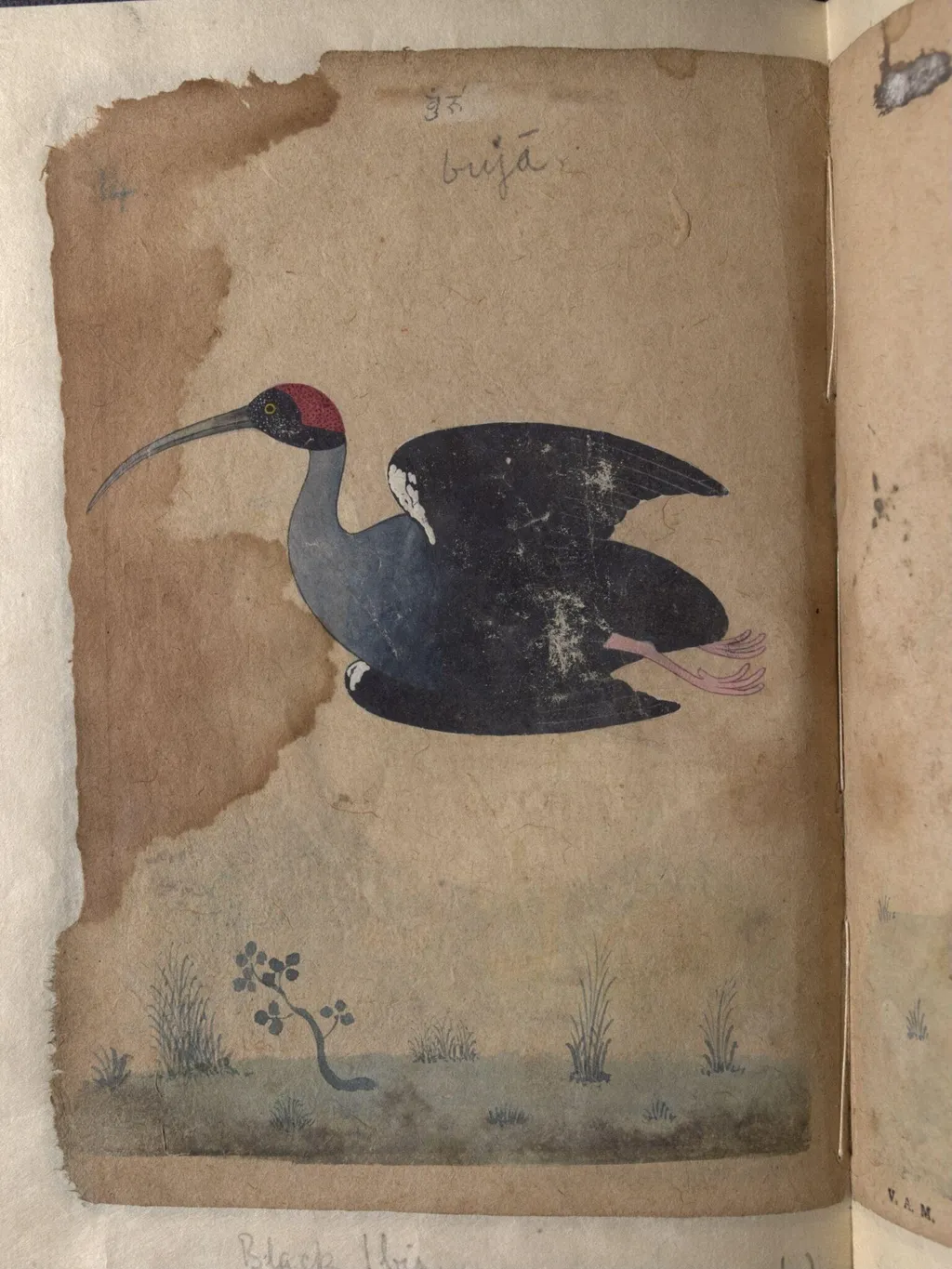
Depictions of a Domestic goose and Black ibis inocotis, of Northern India is a paint painting by the Patna School of Painting artist Unknown. It dates from 1820 and is held in the collection of the Victoria and Albert Museum. This 1820 watercolor painting from Northern India features two bird species: a domestic goose and a black ibis inocotis.
About this work
Overview
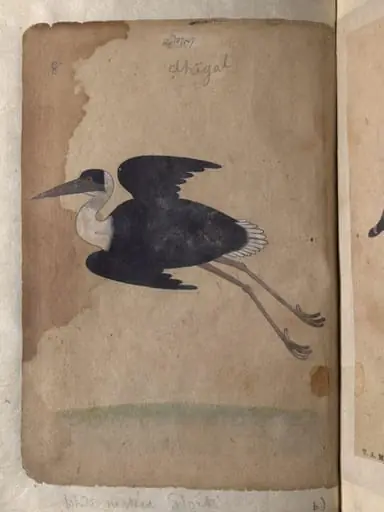
This 1820 watercolor painting from Northern India features two bird species: a domestic goose and a black ibis inocotis. Executed on rough, brown paper, the work showcases a black ibis in flight against a simple landscape, with the goose implied in the composition (though not described in the visual note). The piece is characterized by its simplicity and elegance.
Subject & Meaning
The subject focuses on the depiction of two avian species native to Northern India, emphasizing their natural forms. The inclusion of both a domestic and a wild bird may suggest a contrast between tame and natural worlds, though the visual note only describes the black ibis's depiction.
Technique & Style
The painting exhibits watercolor technique on coarse, brown paper, with visible imperfections (tears, stains) contributing to its aesthetic. The bold, dark form of the black ibis, set against muted, simply rendered landscape elements (grasses, a small plant), reflects a style that values understated elegance.
History & Provenance
Created in 1820, the painting was later presented to the collection in 1929 by Robert Scott Greenshields, a former Indian Civil Service officer in Bengal and Assam (1879-1910).
Context
While the painting's direct stylistic influences are not explicitly stated, its emphasis on natural subjects and expressive simplicity might relate to broader artistic movements of the time, such as Romanticism, which often emphasized emotion and the natural world.
Legacy
The painting's legacy is not extensively detailed in the provided information, suggesting it may be valued more for its historical and zoological accuracy, as well as its simple aesthetic appeal, rather than for being a landmark work in a specific art movement.
Artist & collection

 Domestic Scene
 Giacomo and Cardinal Marco, investing Andrea, Abbot of San Zeno, with his Benefice
 The Nymph of Fontainebleau
 Portrait of a Woman
 Madonna and Child with Saints in the Enclosed Garden
 Venus and Minerva
 Family Group of Four on Sofa
 Wall painting from Room H of the Villa of P. Fannius Synistor at Boscoreale
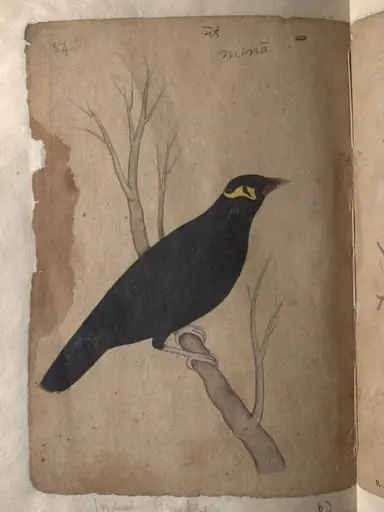 Depictions of a Domestic pigeon and Indian grackle of Northern India
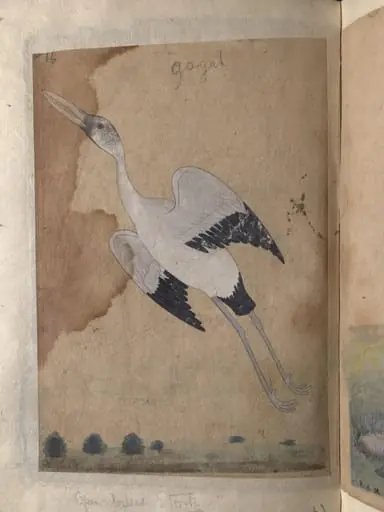 Depictions of a Spur-winged plover and Open-billed stork of Northern India,
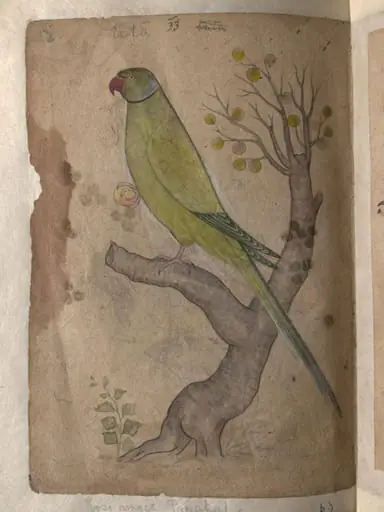 Depictions of Striated scops owl and Rose-ringed parakeet of Northern India
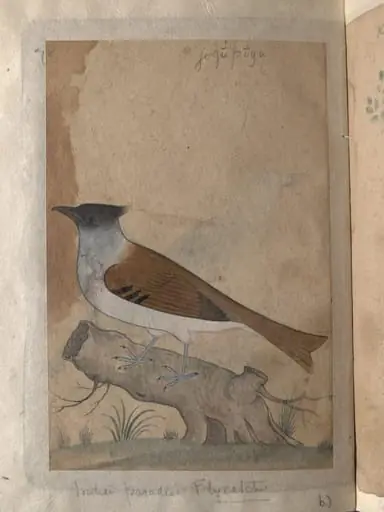 Depictions of Indian house crow and a Indian paradise flycatcher of Northern India
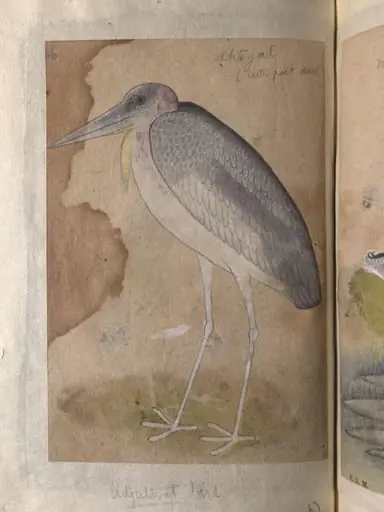 Depictions of Night heron (male) and Adjutant bird of Northern India
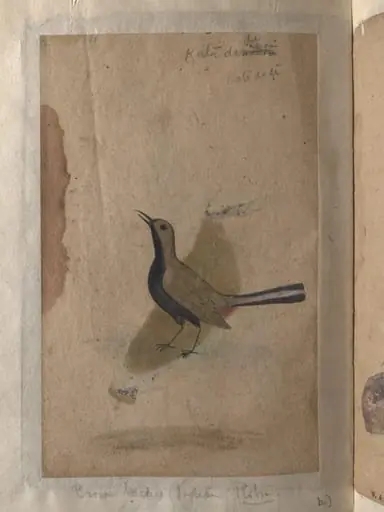 Depictions of a India pitta and Brown-backed Indian robin of Northern India
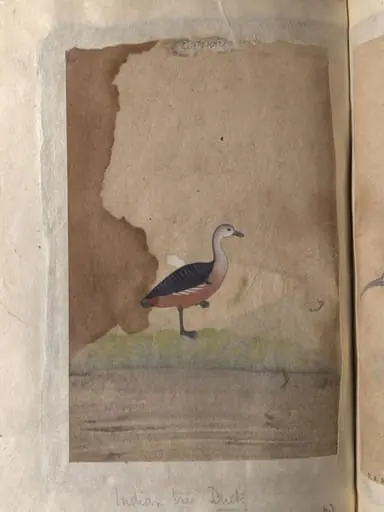 Depictions of a spot-bill duck and an Indian tree duck of Northern India
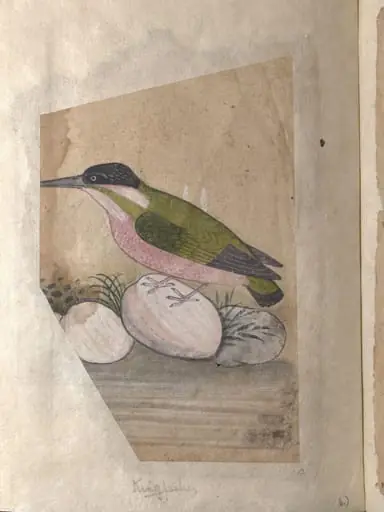 Depictions of a Plumbeous redstart and a Kingfisher of Northern India
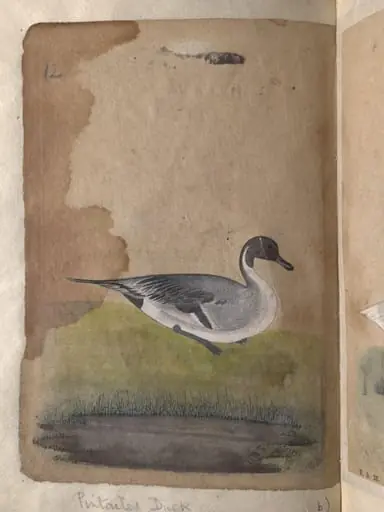 Depictions of a Gadwall duck and Pintailed duck of Northern India
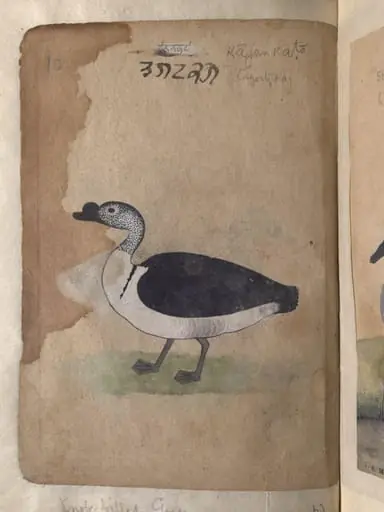 Depictions of a Grey lag goose and Knob-billed goose, of Northern India
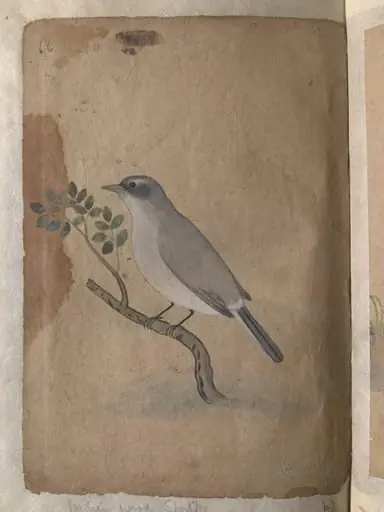 Depictions of a Indian spotted dove and a Common Indian wood-shrike of Northern India
 Depictions of a Demoiselle crane and a White-necked stork, of Northern India