Artwork
Depictions of a Grey-backed shrike of Northern India
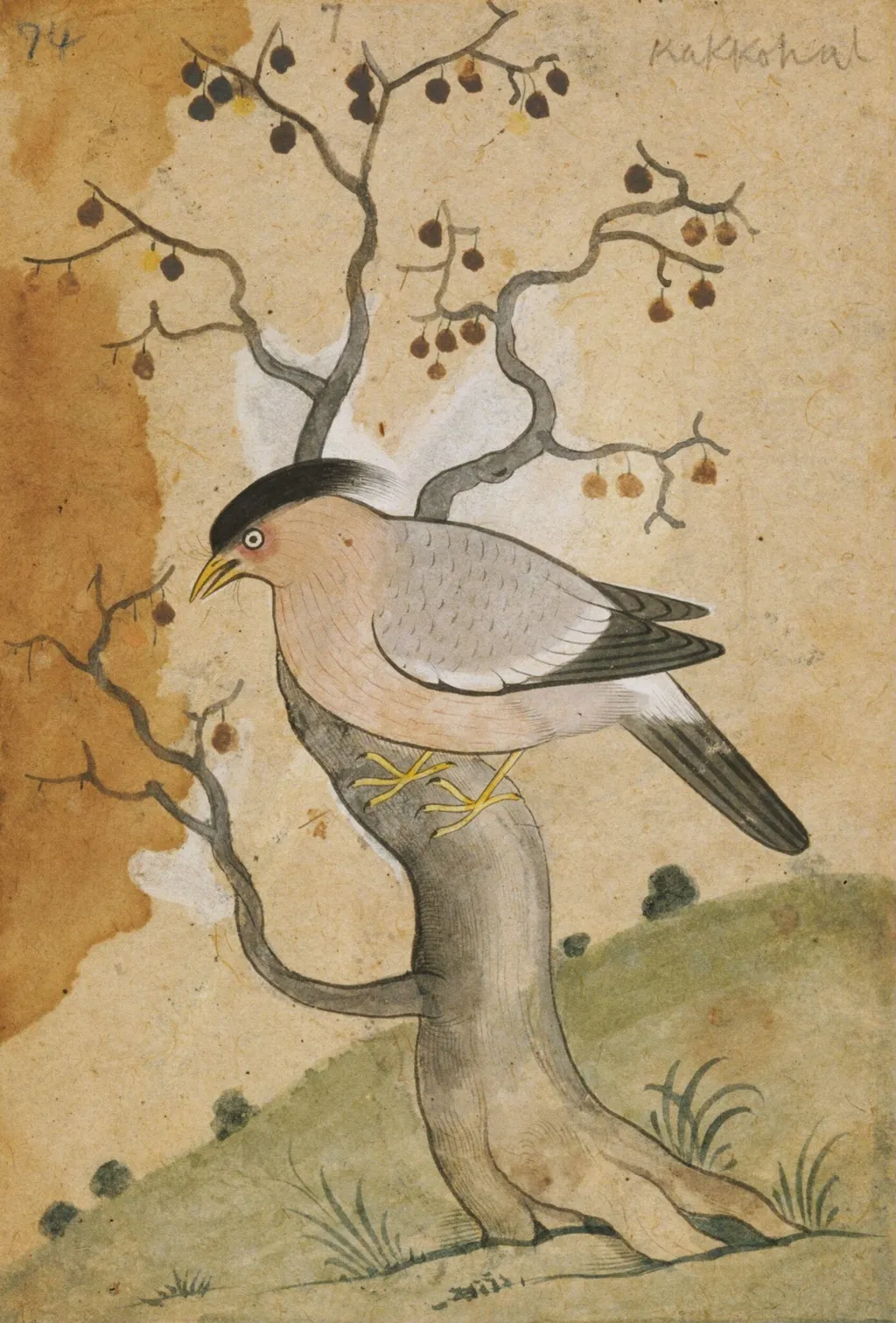
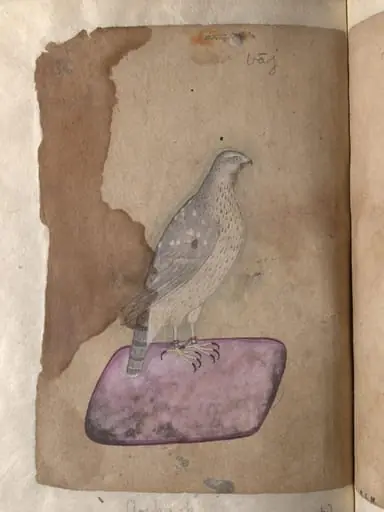
Depictions of a Grey-backed shrike of Northern India is a paint painting by the Patna School of Painting artist Unknown. It dates from 1820 and is held in the collection of the Victoria and Albert Museum. A detailed painting from 1820 portrays the Grey-backed shrike, a bird native to northern India.
About this work
Overview
Executed by an unidentified artist, the work is part of a natural history collection that prioritizes ornithological accuracy over decorative flourish.
A detailed painting from 1820 portrays the Grey-backed shrike, a bird native to northern India. Executed by an unidentified artist, the work is part of a natural history collection that prioritizes ornithological accuracy over decorative flourish. It was later donated to the Victoria and Albert Museum in 1929 by Robert Scott Greenshields, a former colonial administrator with long service in Bengal and Assam.
Subject & Meaning
The painting isolates the Grey-backed shrike as its sole subject, emphasizing its physical traits: a pale grey back, dark hooked beak, and sharp talons. Unlike contemporary works that featured birds as incidental elements, this piece treats the shrike with focused attention, suggesting an interest in documenting regional wildlife with scientific intent rather than symbolic or aesthetic convention.
Technique & Style
The artist employed fine, soft brushwork to render the bird’s feathers with subtle gradations of tone, creating a tactile realism. Against a flat, muted green background, the shrike’s form is rendered with precision—its alert posture and anatomical details suggest close observation from life. The absence of landscape or context directs focus entirely to the bird’s form and texture.
History & Provenance
The painting was created in 1820, likely during the early colonial period in India, when European and Indian artists collaborated on naturalist documentation. It entered the Victoria and Albert Museum’s collection in 1929 through a donation by Robert Scott Greenshields, who collected such works during his tenure in the Indian Civil Service. His role as a collector reflects broader imperial efforts to catalog regional biodiversity.
Context
During the early 19th century, British officials and naturalists in India commissioned illustrations of local flora and fauna as part of scientific surveys. Small birds like the Grey-backed shrike were rarely singled out in art, often overshadowed by larger or more colorful species. This painting stands as an exception, indicating a growing interest in ecological detail beyond mere spectacle.
Legacy
The painting contributes to a corpus of colonial-era natural history art that preserved visual records of species now subject to habitat change. Its quiet precision and lack of embellishment align it with scientific illustration traditions rather than fine art conventions. Today, it remains a reference for ornithologists and historians studying the intersection of colonial administration and biological documentation.
Artist & collection

 Domestic Scene
 Giacomo and Cardinal Marco, investing Andrea, Abbot of San Zeno, with his Benefice
 The Nymph of Fontainebleau
 Portrait of a Woman
 Madonna and Child with Saints in the Enclosed Garden
 Venus and Minerva
 Family Group of Four on Sofa
 Wall painting from Room H of the Villa of P. Fannius Synistor at Boscoreale
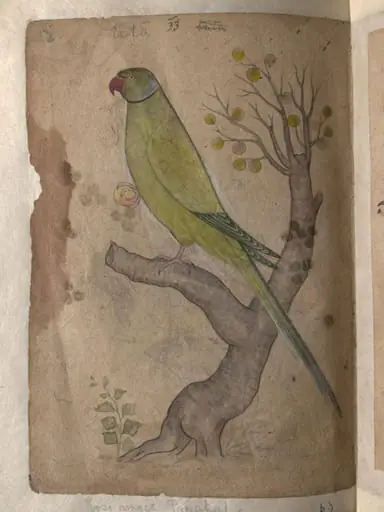 Depictions of Striated scops owl and Rose-ringed parakeet of Northern India
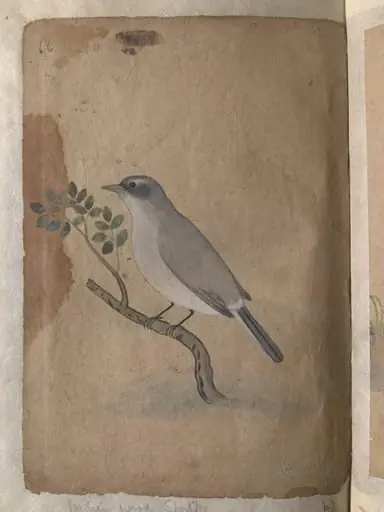 Depictions of a Indian spotted dove and a Common Indian wood-shrike of Northern India
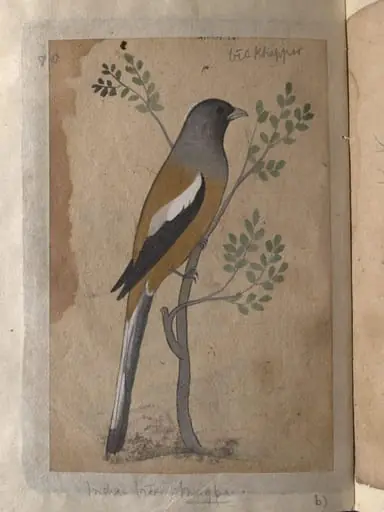 Depictions of a Grey partridge and a Indian tree-pie of Northern India
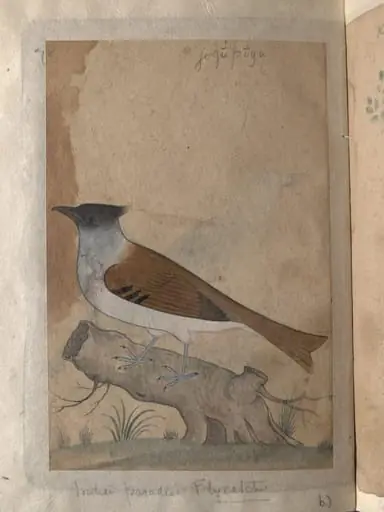 Depictions of Indian house crow and a Indian paradise flycatcher of Northern India
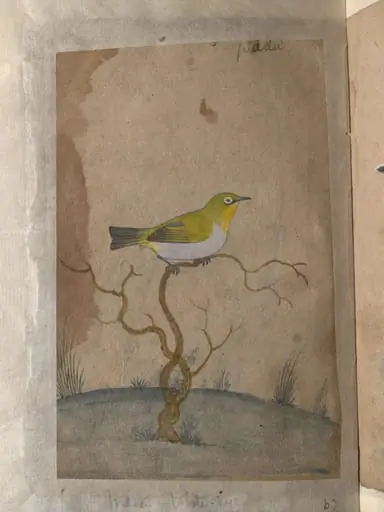 Depictions of a Indian spotted owlet and a Indian white-eye of Northern India
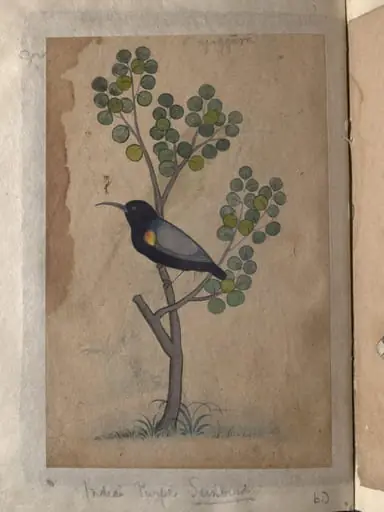 Depictions of a common Indian bee-eater and a Indian purple sunbird of Northern India
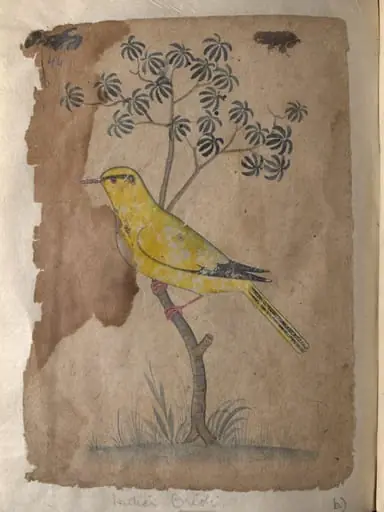 Depictions of a Shikra and a Indian oriole of Northern India
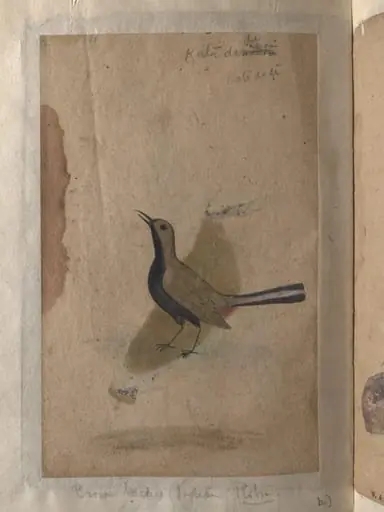 Depictions of a India pitta and Brown-backed Indian robin of Northern India
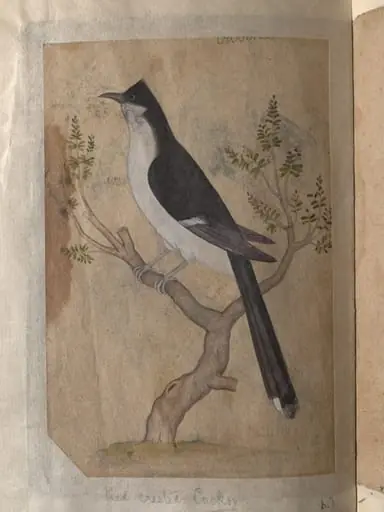 Depictions of a Indian fruit-bat and Pied crested cuckoo of Northern India
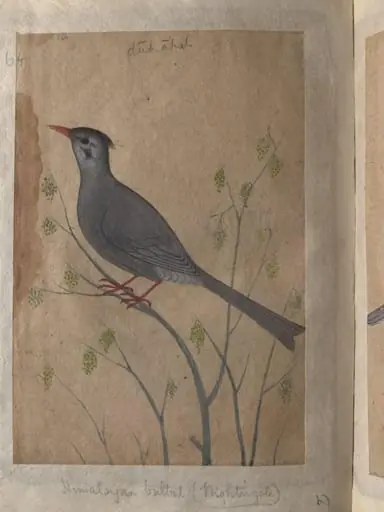 Depictions of a Magpie robin and a Himalayan black bulbul of Northern India
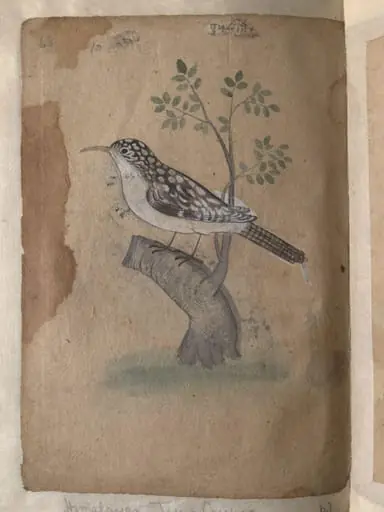 Depictions of a Common Indian myna and a Himalayan tree-creeper of Northern India
 Depictions of a Hoopoe and a Goshawk of Northern India