Artwork
Diptych with the Passion of Christ (left wing):Flagellation and Christ Before Pilate
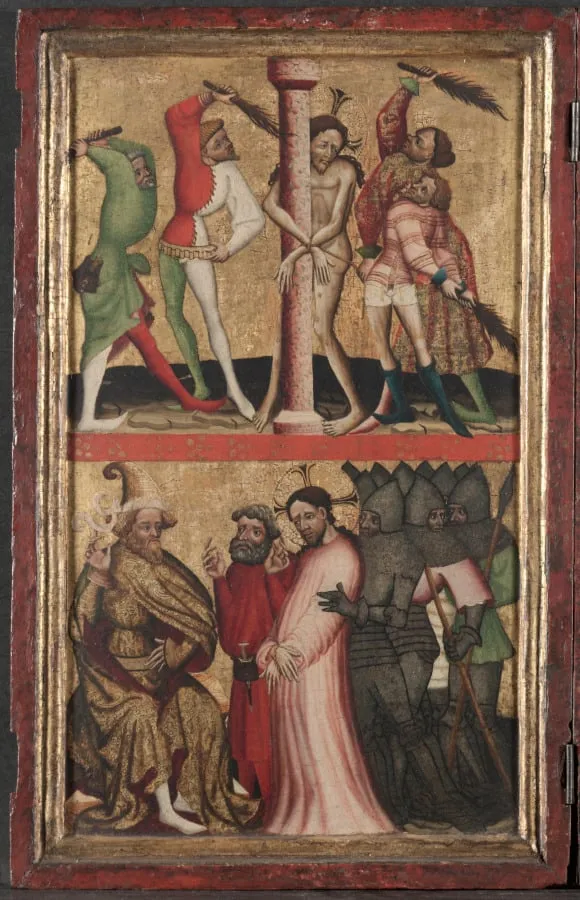
Diptych with the Passion of Christ (left wing):Flagellation and Christ Before Pilate is an unspecified painting by the Byzantine icon painting artist Unknown. It dates from 1400 and is held in the collection of the Cleveland Museum of Art. The work consists of two wooden panels joined at a central hinge, forming a portable diptych intended for private worship.
About this work
A person could carry it, open it like a prayer book, and kneel anywhere to think about Christ’s suffering.
You see two small wooden panels hinged like a book. On the left, soldiers whip Jesus and press a crown of thorns onto his head. On the right, Pilate washes his hands while Jesus stands bound.
This painting was made to fold up and travel. A person could carry it, open it like a prayer book, and kneel anywhere to think about Christ’s suffering. The bright colors and gold leaf would have caught candlelight in a dark room.
Look up more works from austria, styria, 15th century to see how other artists painted devotion.
Overview
The work consists of two wooden panels joined at a central hinge, forming a portable diptych intended for private worship. When opened, the panels present a sequence of New Testament scenes that invite contemplation of Christ’s suffering, while the reverse sides retain faint traces of earlier, now removed, paintings.
Subject & Meaning
The left panel portrays the flagellation of Jesus and the placement of the crown of thorns, emphasizing physical torment. The right panel shows the moment when Pontius Pilate washes his hands, with a bound Christ standing before him, highlighting the themes of judgment and abandonment. The narrative is meant to be read in a clockwise order, beginning with the lower right image.
Technique & Style
Executed in tempera with vivid pigments and applied gold leaf, the diptych employs bright coloration that would have reflected candlelight in dim interiors. The compact scale and detailed rendering of figures and drapery reflect the devotional art conventions of 15th‑century Styria, where clarity of narrative was paramount.
History & Provenance
Originally created for personal devotion, the diptych’s hinged construction allowed it to be folded and transported easily. Over time the reverse sides were painted over, and later the later layers were scraped away, leaving only remnants of the earlier decorations.
Context
In the late medieval period of Austria’s Styria region, small portable altarpieces were common among lay believers who sought intimate, meditative encounters with sacred events. This diptych aligns with that tradition, offering a concise visual program of the Passion suitable for private prayer.
Artist & collection

 Domestic Scene
 Giacomo and Cardinal Marco, investing Andrea, Abbot of San Zeno, with his Benefice
 The Nymph of Fontainebleau
 Portrait of a Woman
 Madonna and Child with Saints in the Enclosed Garden
 Venus and Minerva
 Family Group of Four on Sofa
 Wall painting from Room H of the Villa of P. Fannius Synistor at Boscoreale
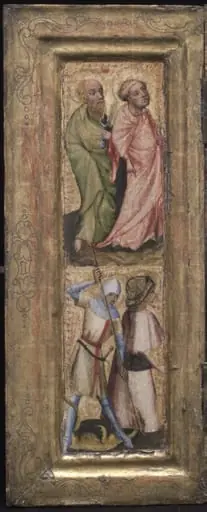 St. Peter, St. Paul, St. George, and St. James the Greater
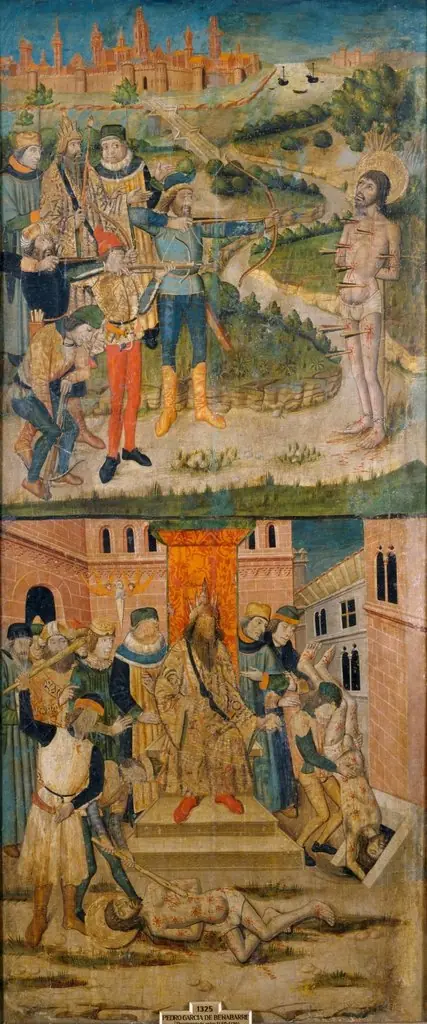 Martirio de San Sebastián y San Policarpo
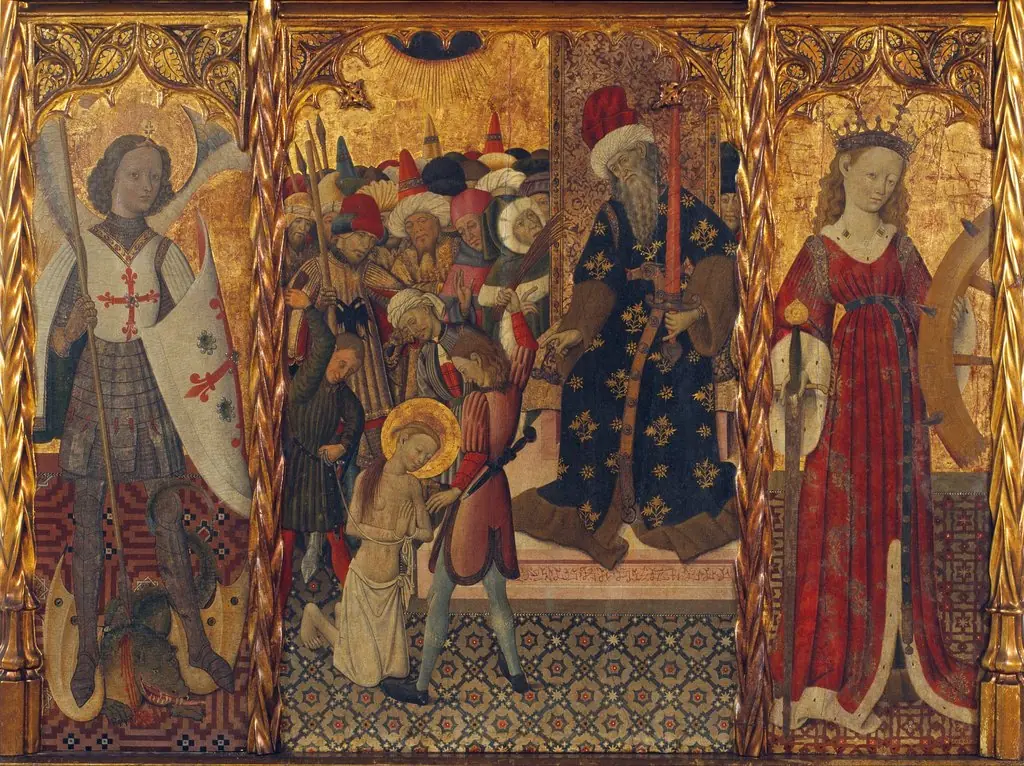 Saint Michael, Martyrdom of Saint Eulalia and Saint Catherine
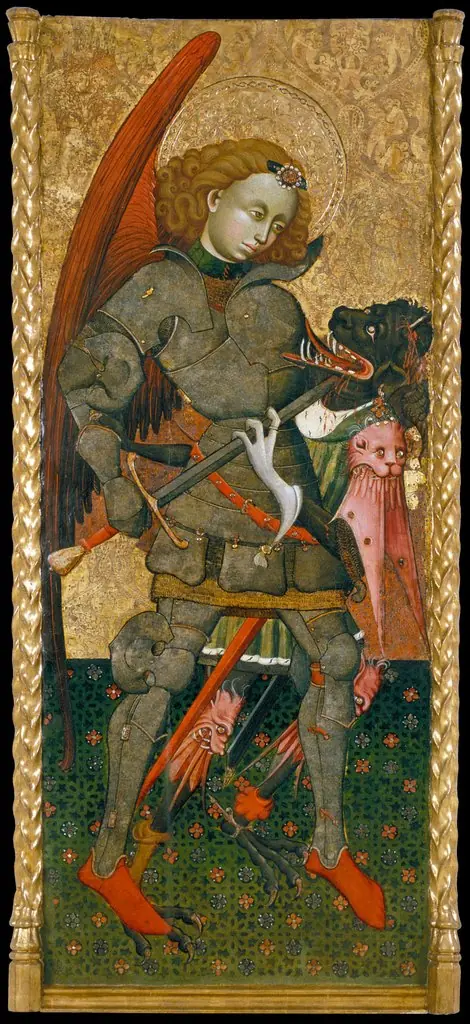 San Miguel Arcángel
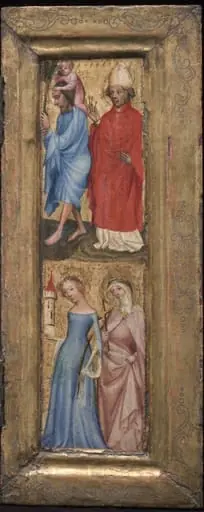 St. Christopher, St. Erasmus, St. Barbara, and another female saint
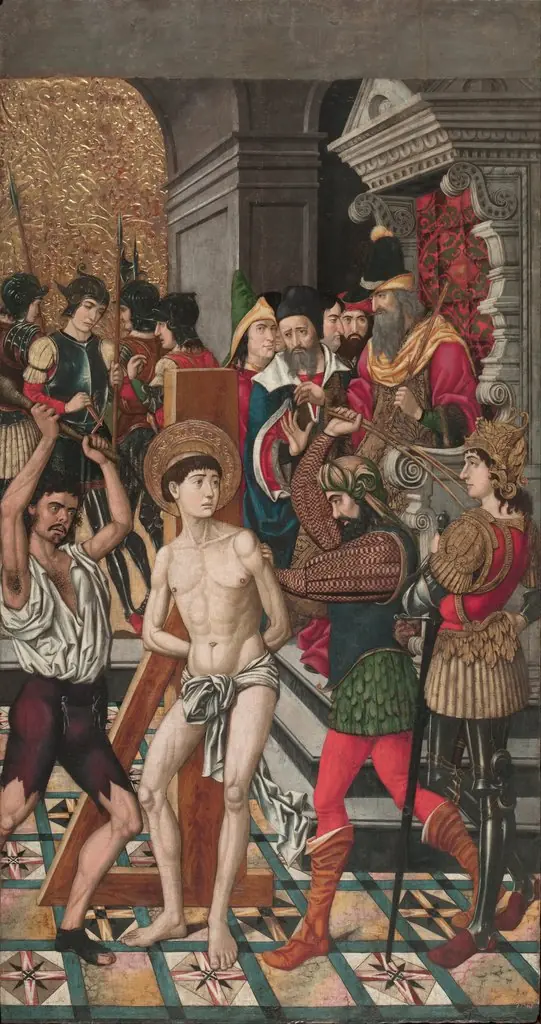 Flagellation of Saint Vincent
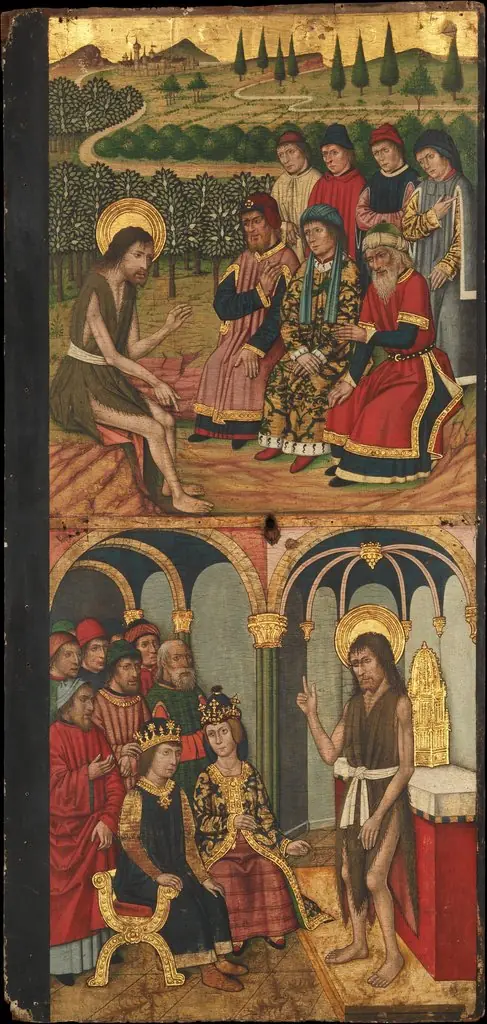 Panel of Saint John the Baptist with Scenes from His Life