Artwork
Saint Michael, Martyrdom of Saint Eulalia and Saint Catherine
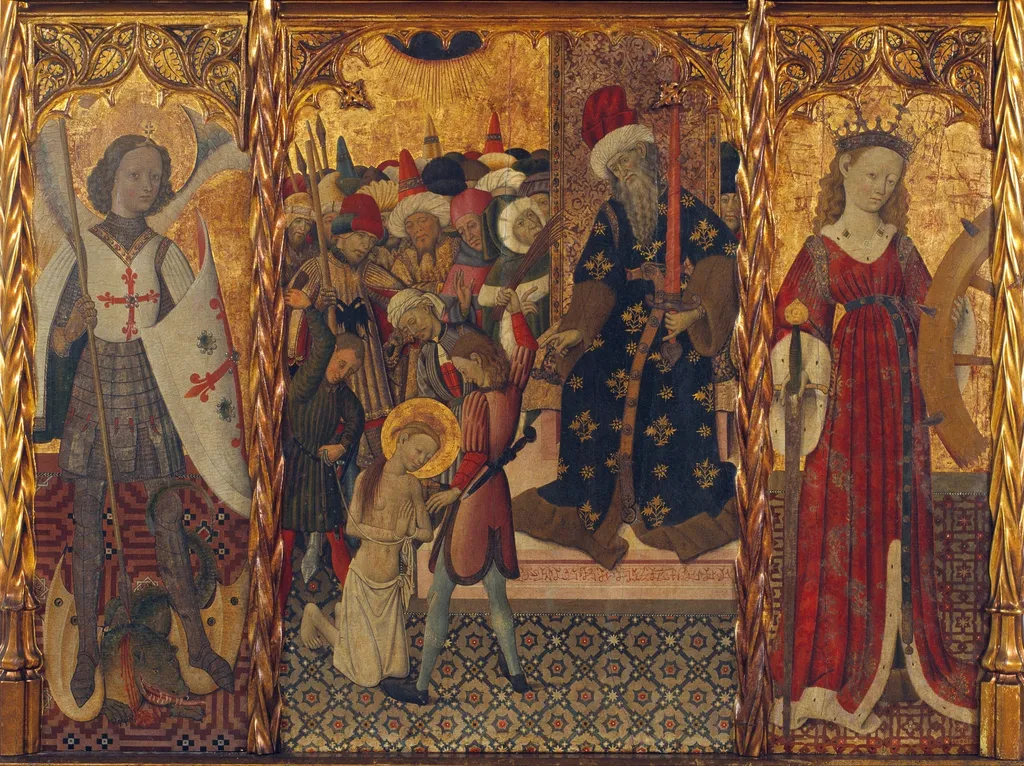
Saint Michael, Martyrdom of Saint Eulalia and Saint Catherine is an unspecified painting by the Early Renaissance artist Bernat Martorell. It dates from 1442 and is held in the collection of the Museu Nacional d'Art de Catalunya.
About this work
Overview
Executed in tempera on panel, it was likely intended for devotional use in a Catalan church, reflecting the devotional priorities of its time.
Painted in 1442 by Bernat Martorell, this work combines three distinct religious scenes into a single panel. It features Saint Michael the Archangel, Saint Eulalia of Mérida, and Saint Catherine of Alexandria, each portrayed with symbolic attributes. The composition is structured vertically, with the saints flanking a central narrative of martyrdom. Executed in tempera on panel, it was likely intended for devotional use in a Catalan church, reflecting the devotional priorities of its time.
Subject & Meaning
The painting unites three saints associated with steadfast faith under persecution. Saint Michael, armored and holding a sword, represents divine protection. Saint Catherine, crowned and holding a wheel, symbolizes intellectual devotion and martyrdom. Saint Eulalia, depicted with her hair loose and wounds visible, embodies youthful sacrifice. The crowded scene beneath them illustrates their deaths, emphasizing the triumph of faith over violence, a common theme in late medieval hagiography.
Technique & Style
Martorell employed tempera on wood, using flat planes of vivid color and sharp outlines rather than naturalistic shading. The figures are elongated and rigid, typical of International Gothic conventions. Gold leaf backgrounds elevate the sacred nature of the scene, while intricate patterns on garments suggest luxury and divine order. The lack of perspective and spatial depth reinforces the painting’s symbolic, rather than realistic, intent.
History & Provenance
Commissioned in 1442, the painting likely originated in a Catalan ecclesiastical setting, possibly for a chapel or altar dedicated to these saints. It remained in regional religious use until the 19th century, when it entered the collection of the Museu Nacional d'Art de Catalunya. Its preservation reflects its enduring significance in Catalan religious art, though its original context within a larger altarpiece remains partially undocumented.
Context
Created during the height of the International Gothic style in Catalonia, the painting aligns with regional trends favoring devotional imagery rich in symbolism. The emphasis on martyrdom resonated with communities facing political instability and religious reform. The inclusion of Saint Michael, a protector against evil, alongside female saints known for resisting persecution, suggests a broader message of divine justice and moral resilience.
Legacy
Martorell’s work exemplifies the transition from medieval to early Renaissance sensibilities in Catalan art. While retaining Gothic stylization, its clarity of narrative and emotional restraint influenced later altarpiece design in the region. Today, it remains a key reference for understanding how religious identity and visual culture intersected in 15th-century Catalonia, preserved as a testament to its era’s spiritual priorities.
Artist & collection

Artist
Bernat Martorell was the leading painter of Barcelona, in modern-day Spain. He is considered to be the most important artist of the International Gothic style in Catalonia. Martorell painted retable panels and…

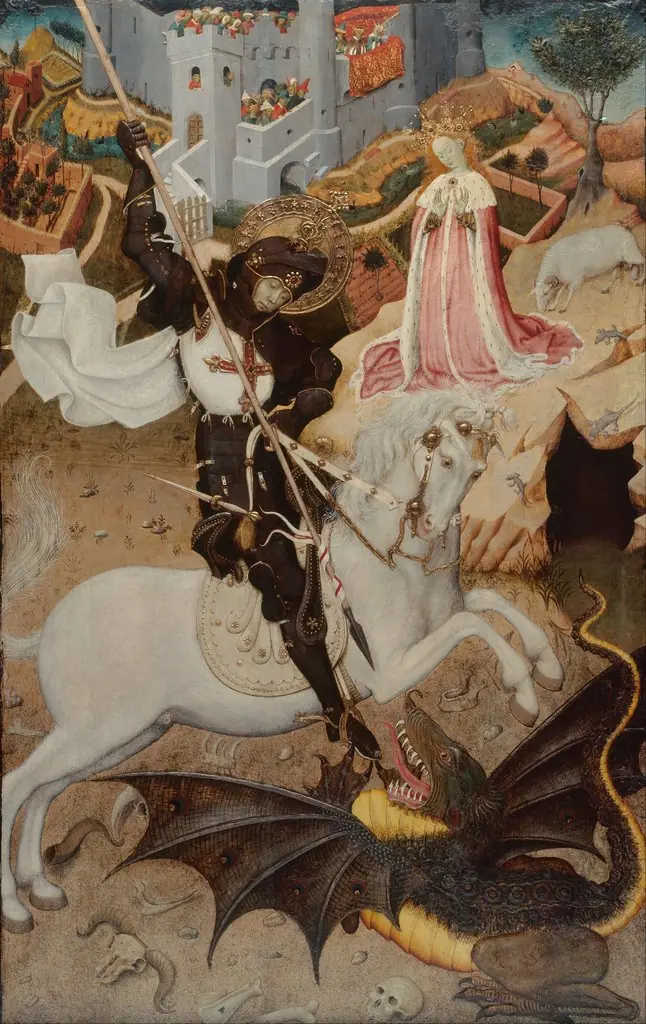 Saint George and the Dragon
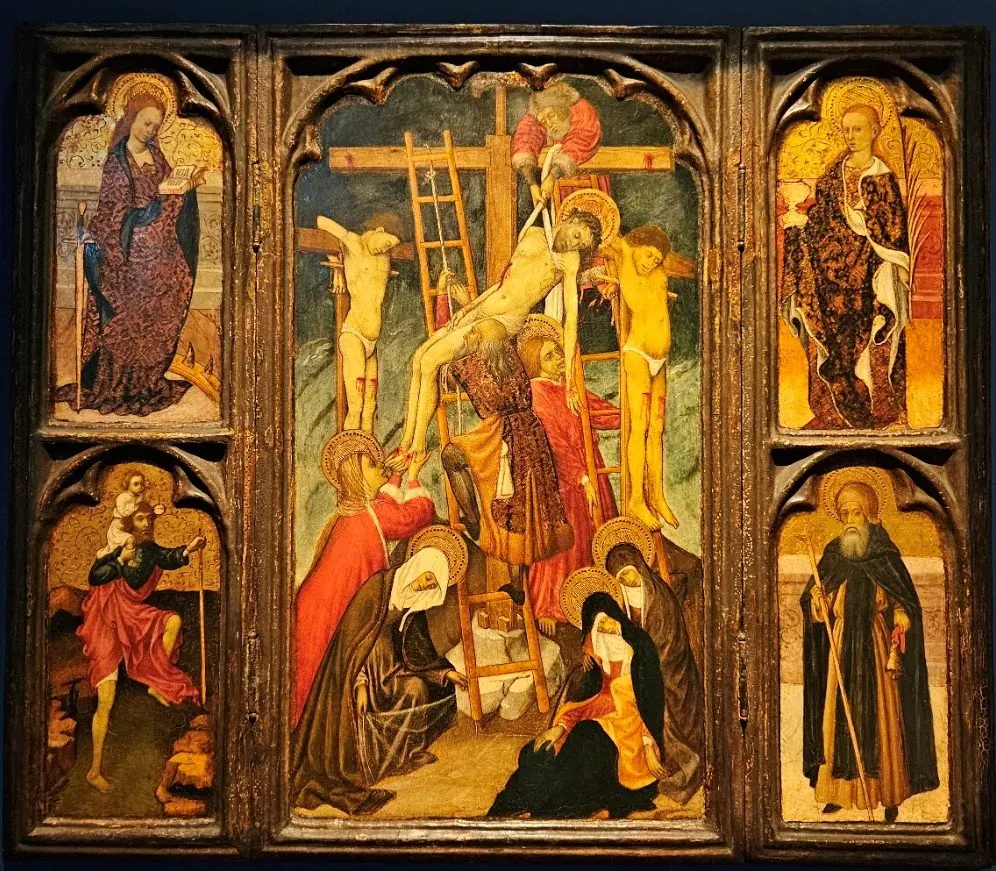 Triptych of the Descent from the Cross
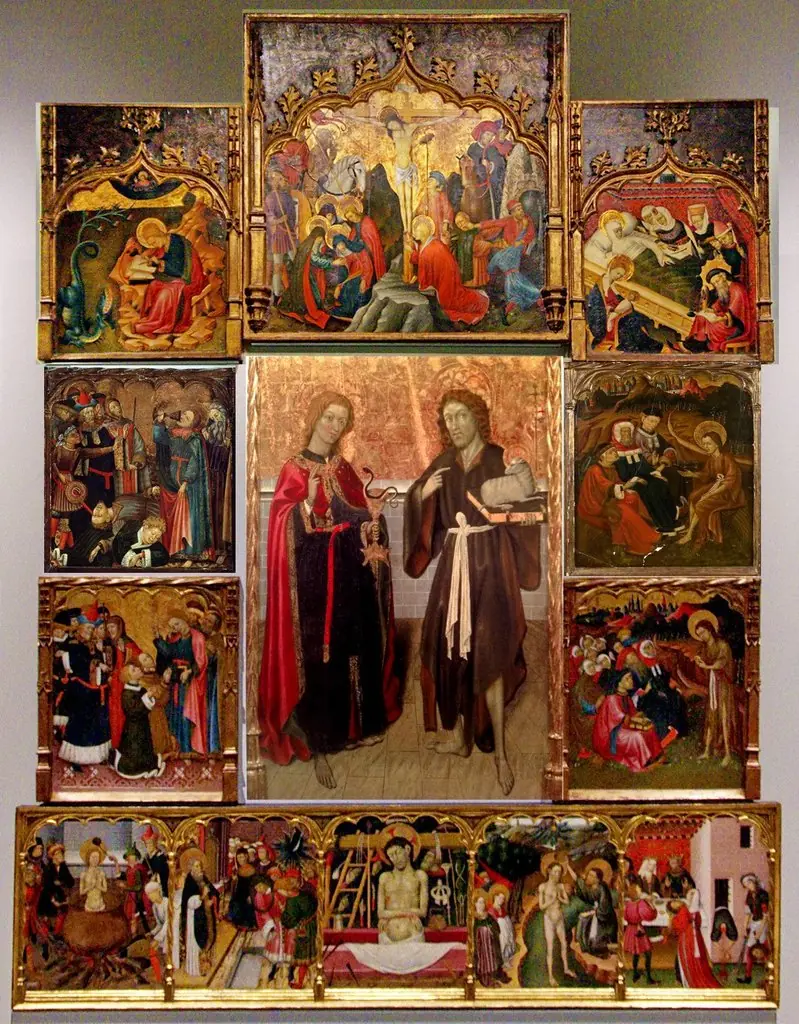 Altarpiece of the Saints John
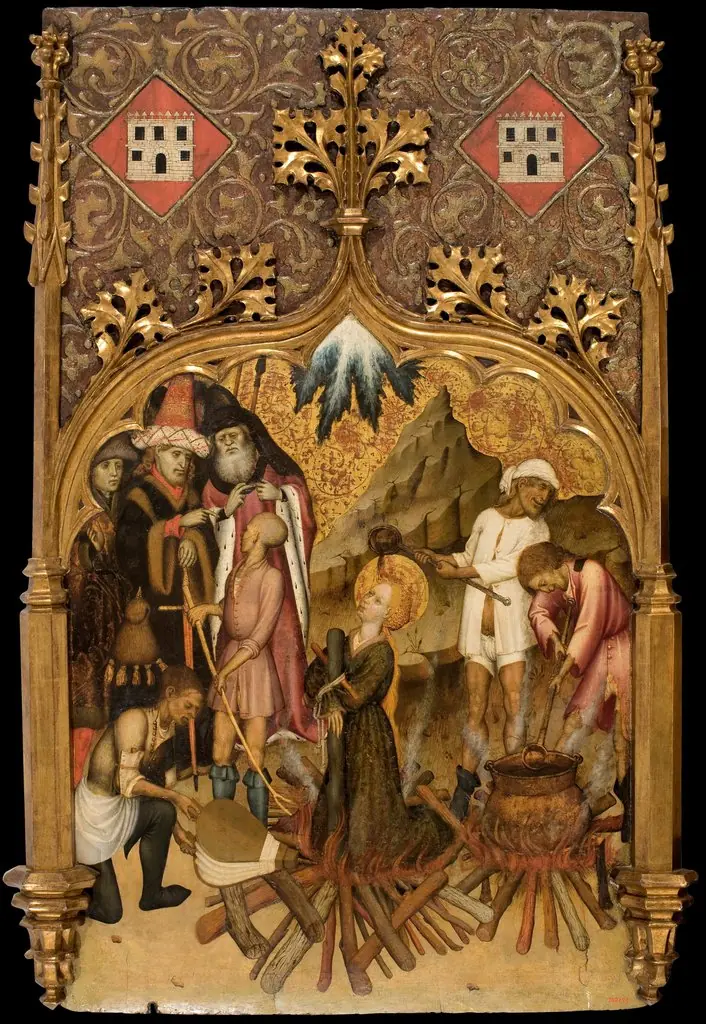 Martyrdom of Saint Lucy
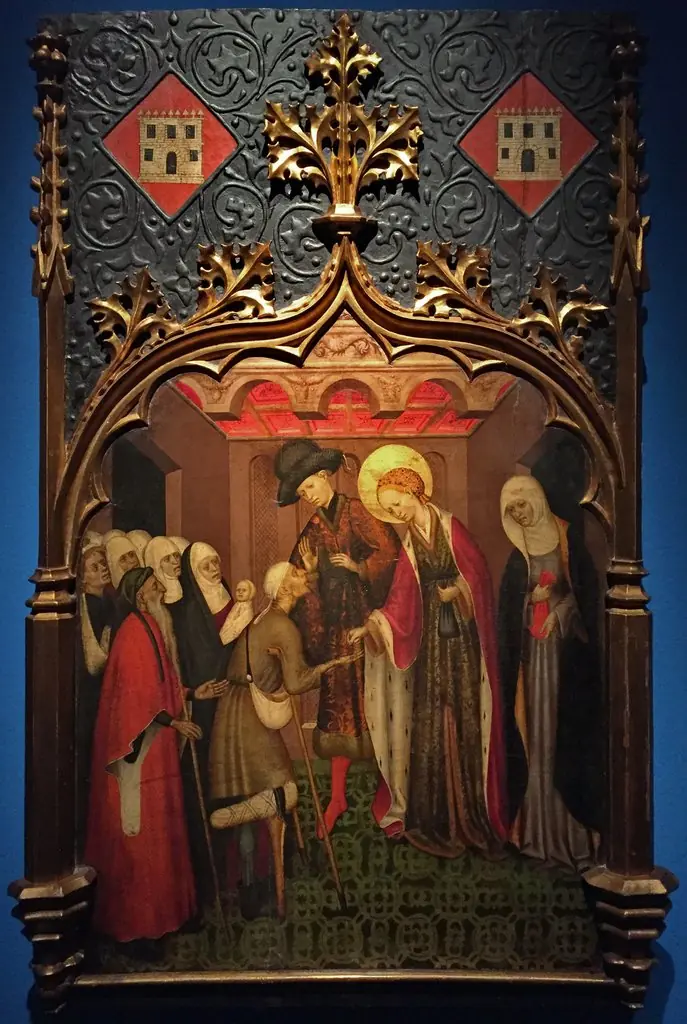 Santa Llúcia repartint almoines
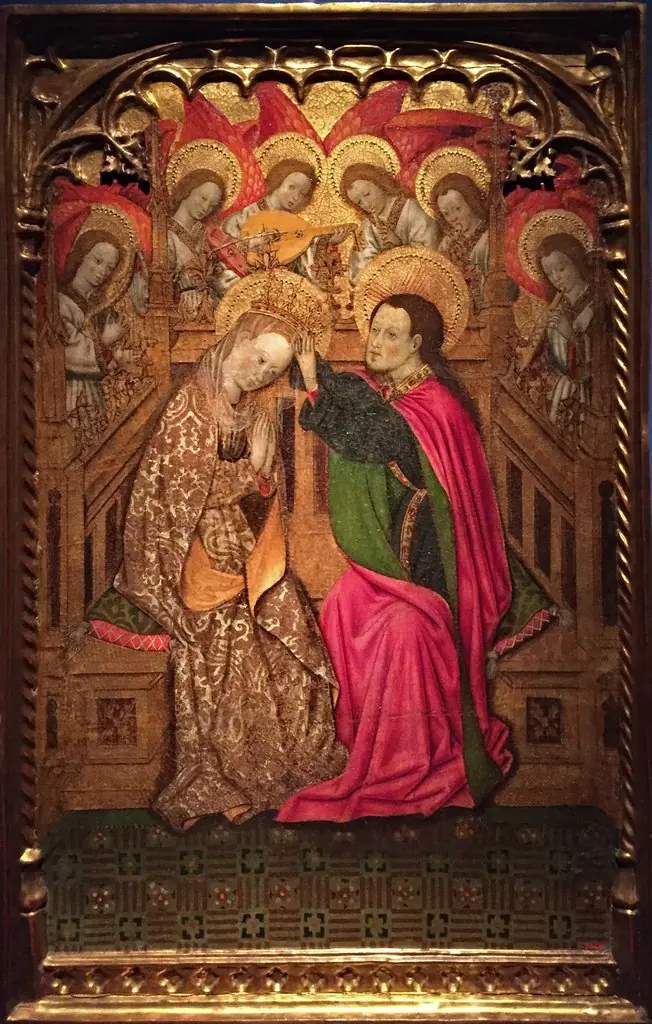 Coronació de la Mare de Déu amb àngels músics
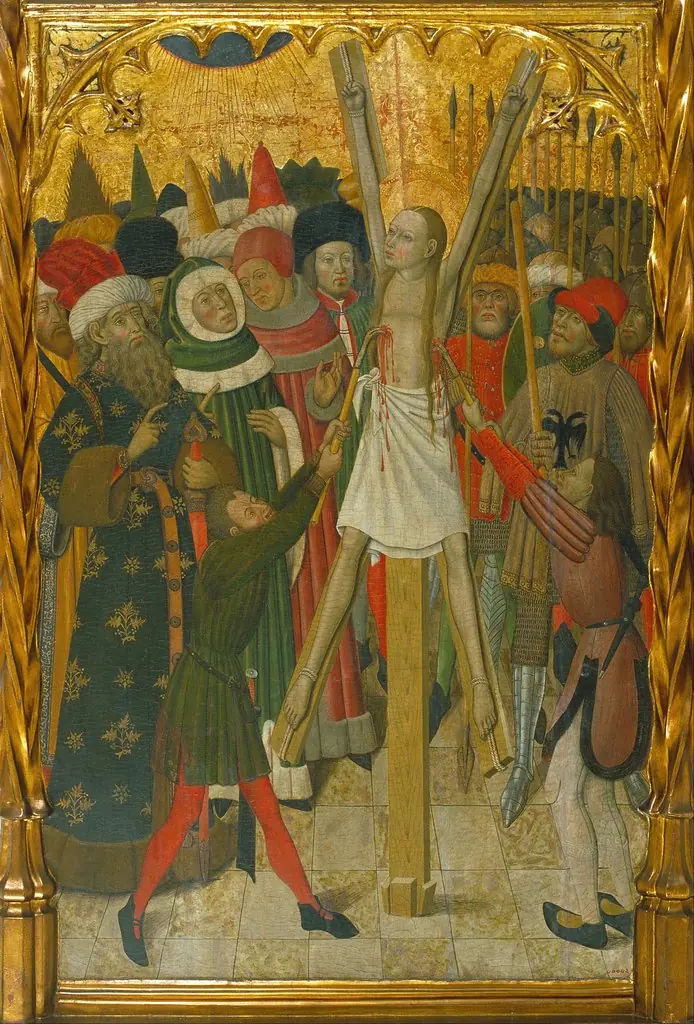 Martyrdom of Saint Eulalia
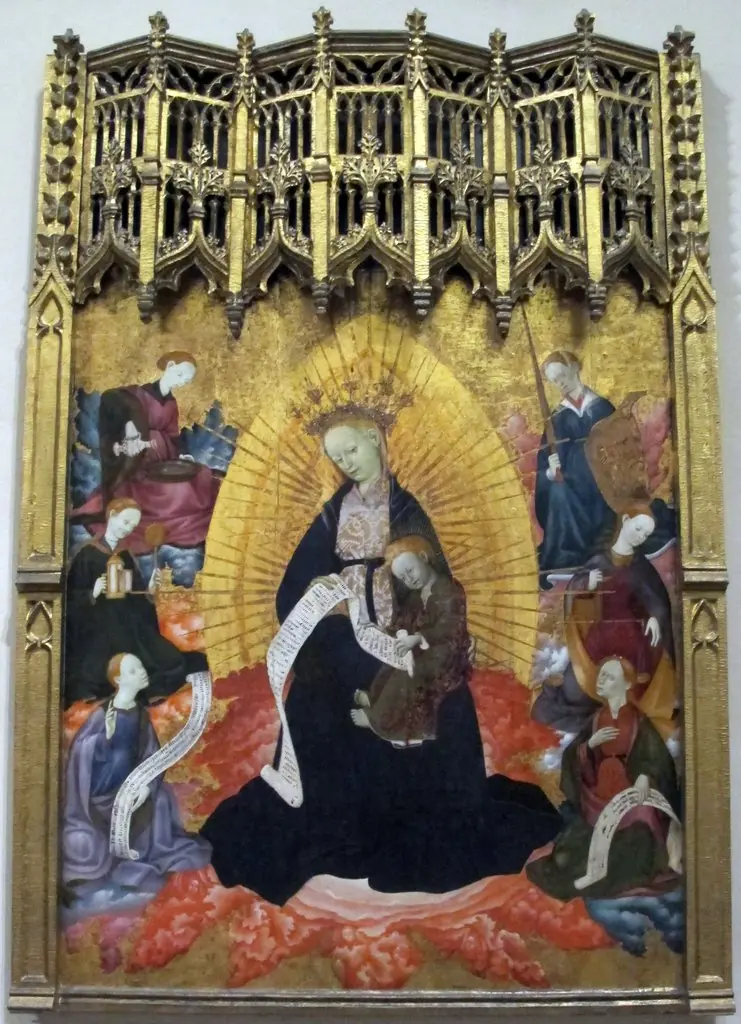 Enthroned Virgin and Child, with the Cardinal Virtues and Two Figures Holding Scrolls
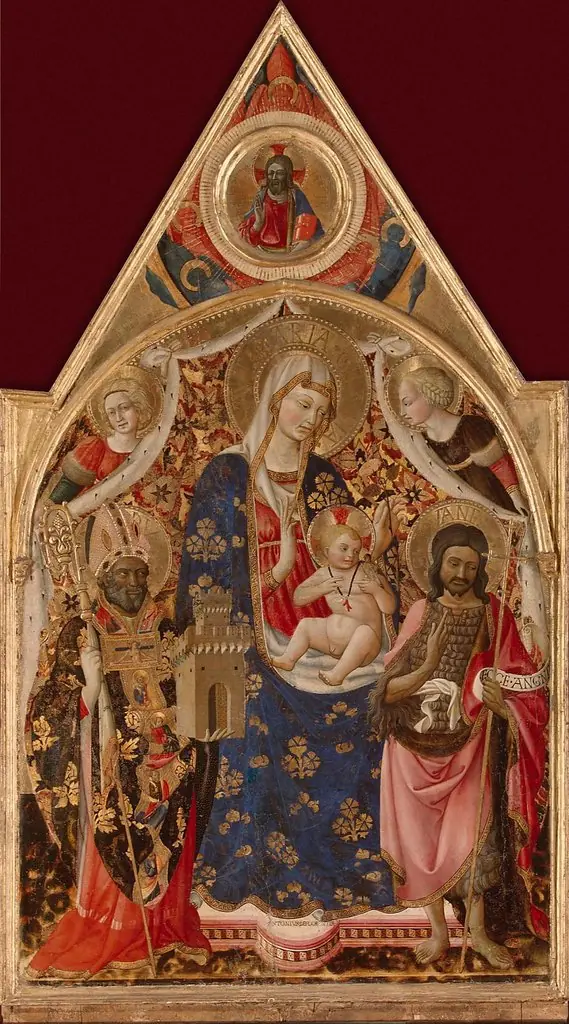 Madonna and Child, with a Bishop, St John The Baptist and Angels
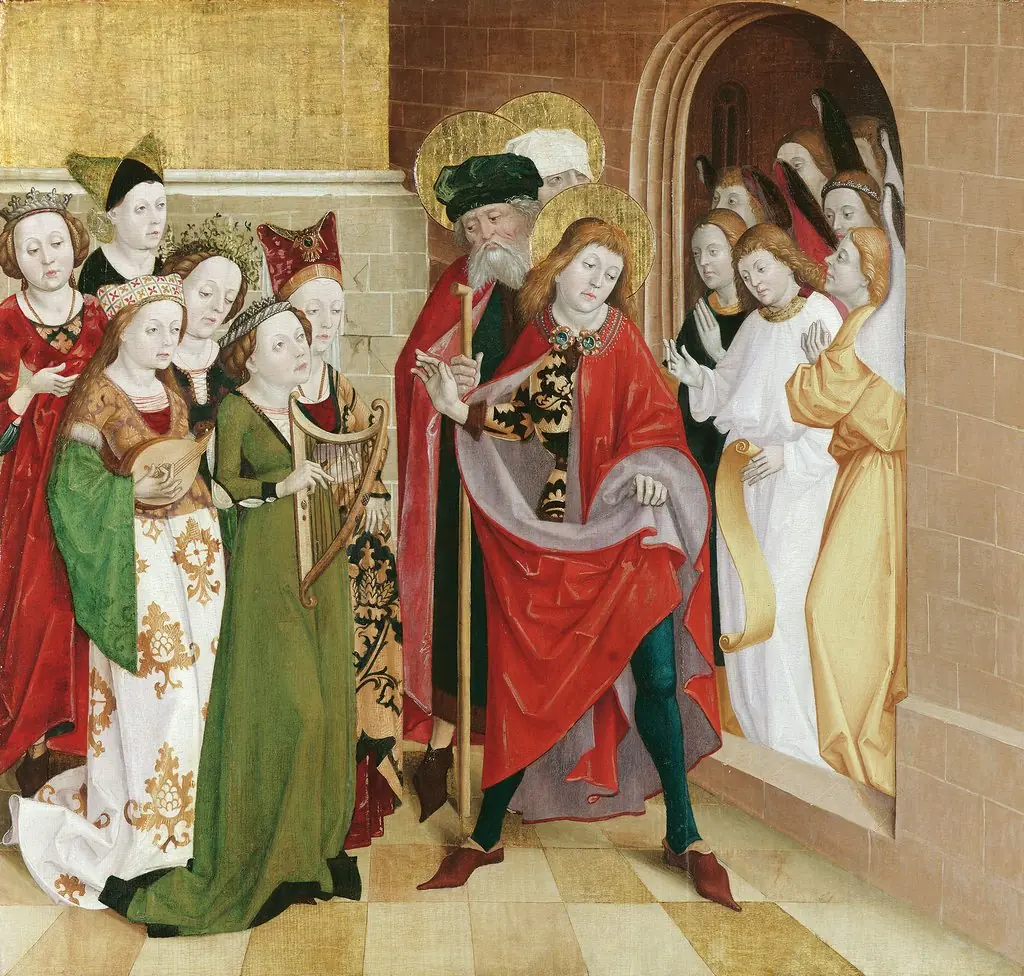 Der hl. Veit entsagt den Freuden der Welt
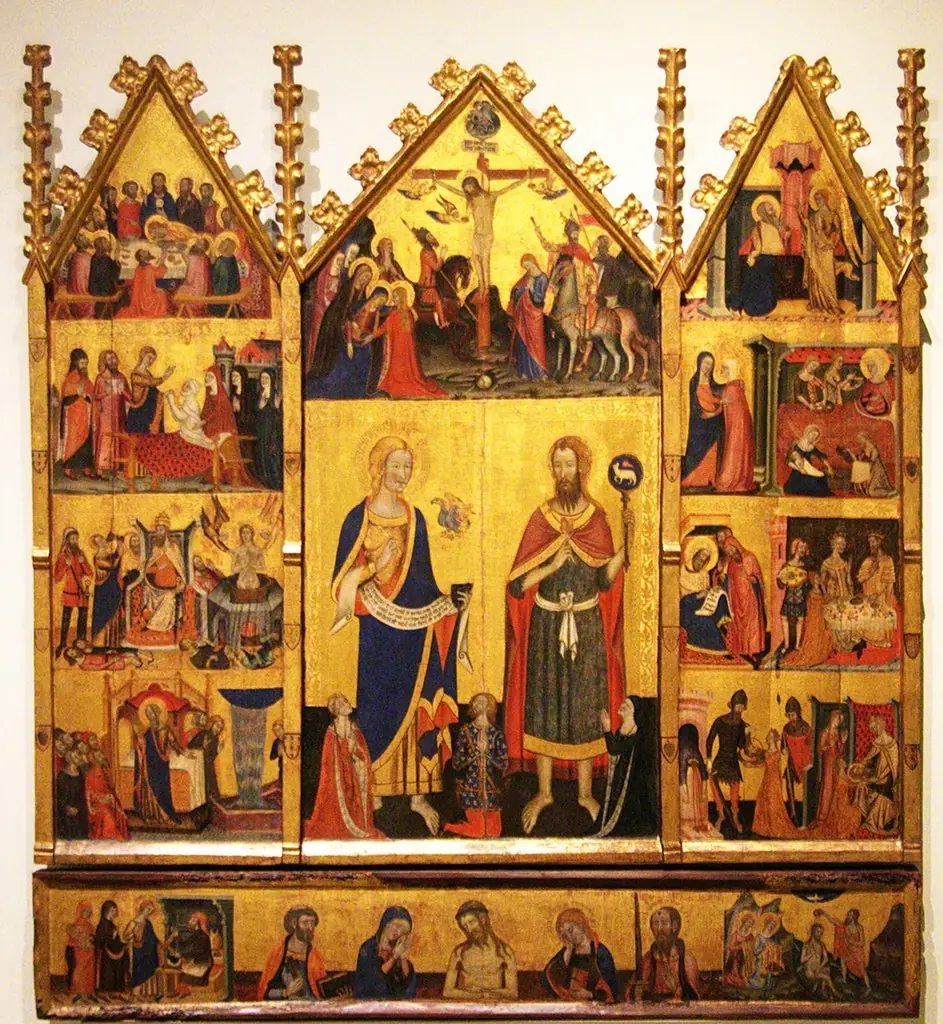 Altarpiece of the Saints John
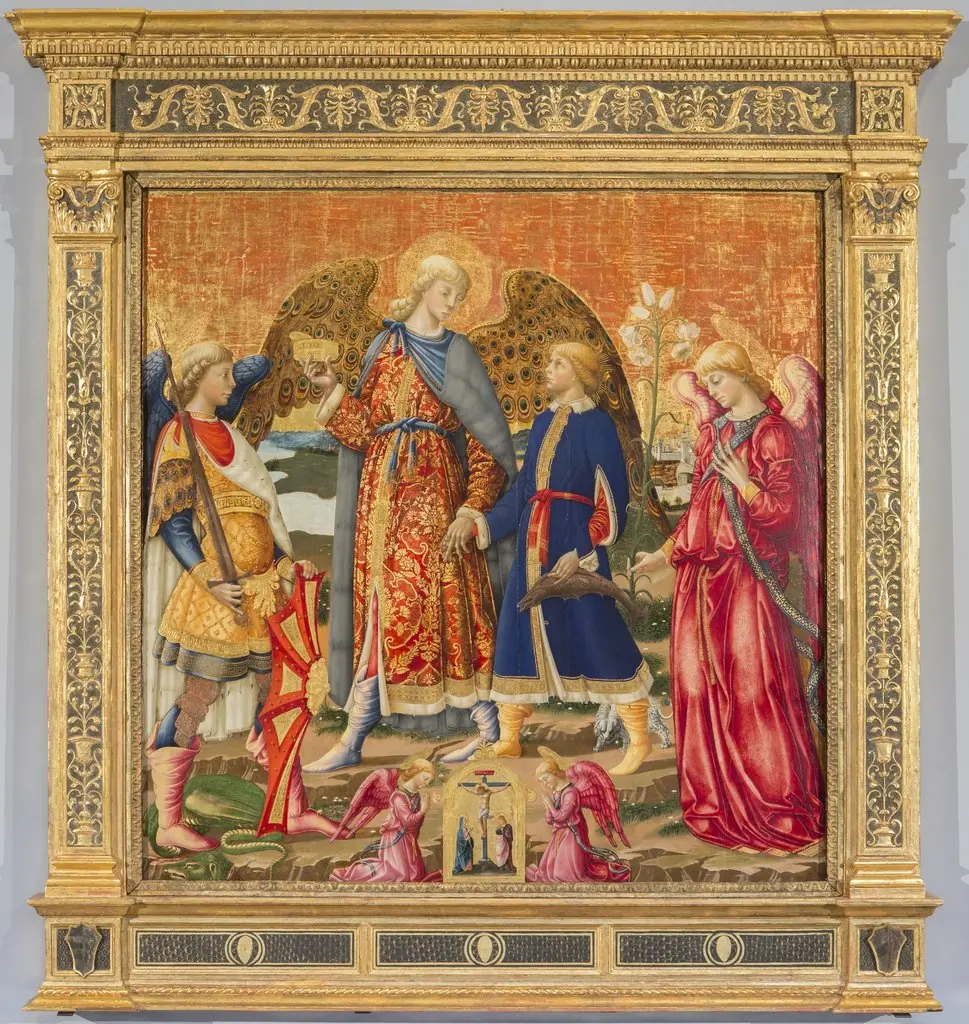 Tobias and Three Archangels
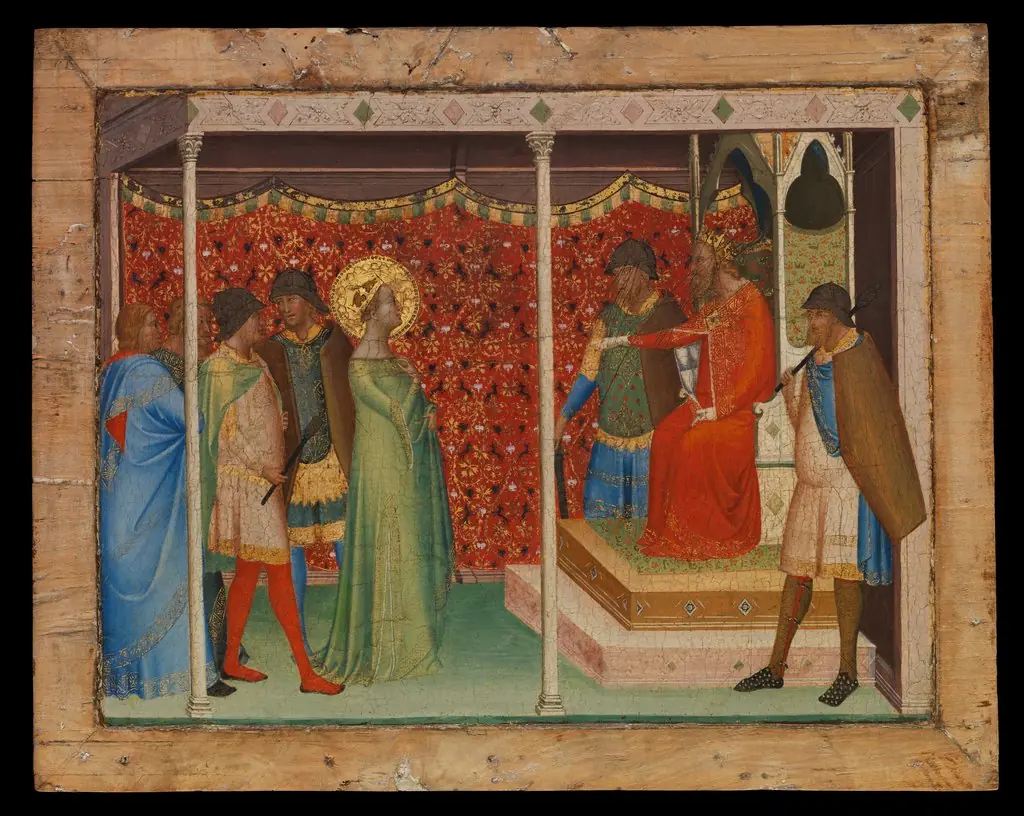 Saint Reparata before the Emperor Decius
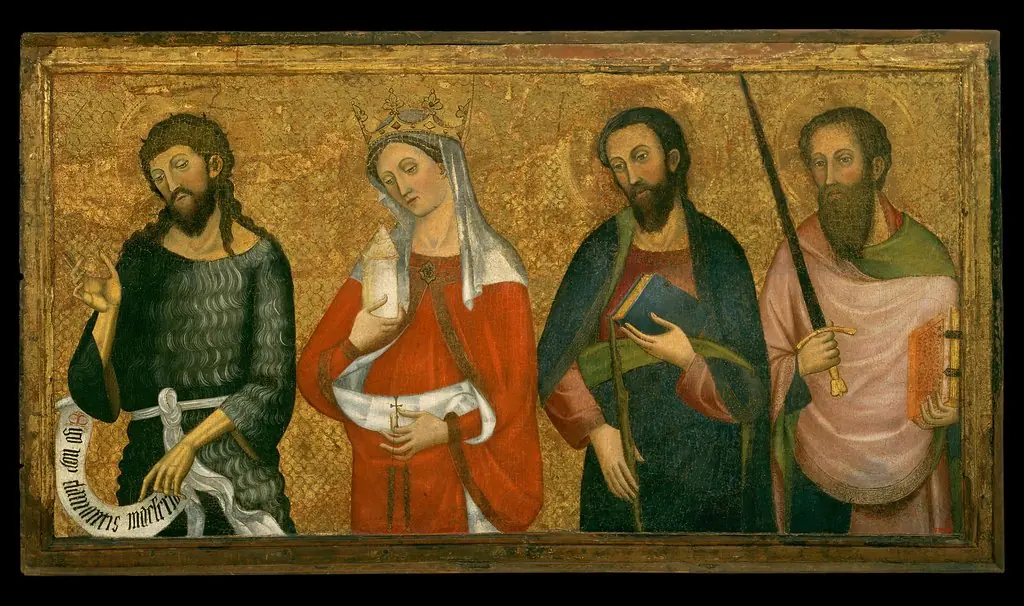 Saint John the Baptist, Saint Mary Magdalene, Saint James the Minor, Saint Paul
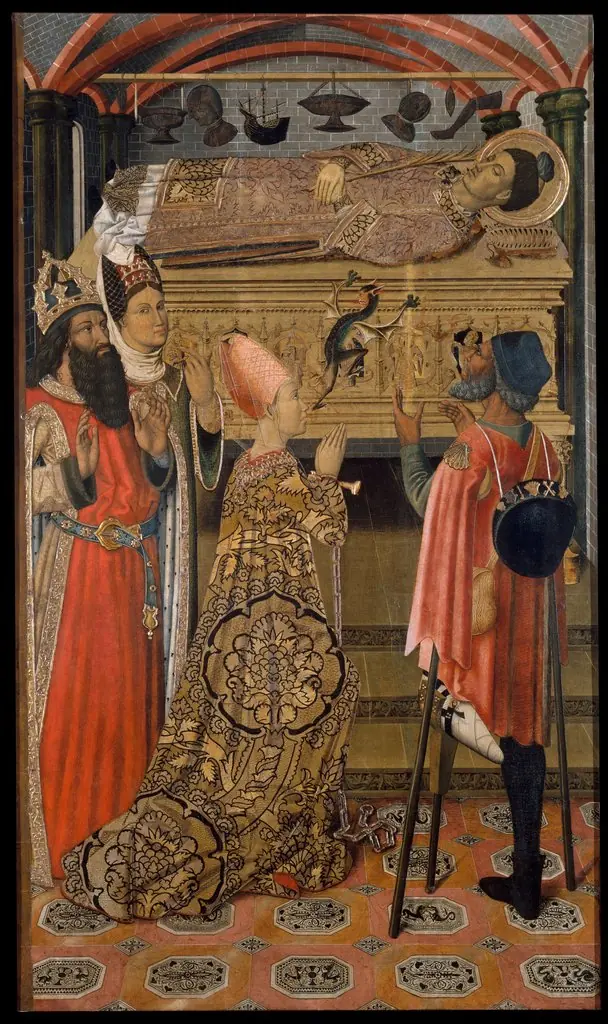 Princess Eudoxia before the Tomb of Saint Stephen
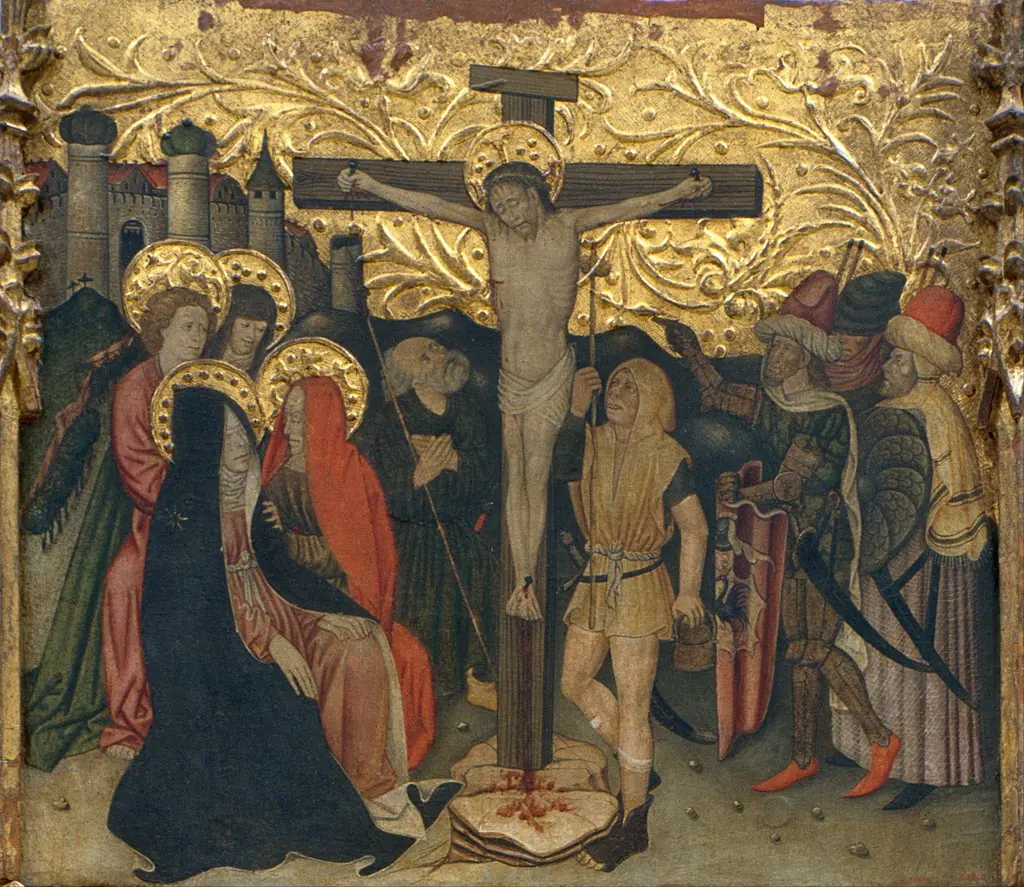 Calvary