Artwork
Doorway Through an Inner Enclosure, Angkor Wat, Cambodia
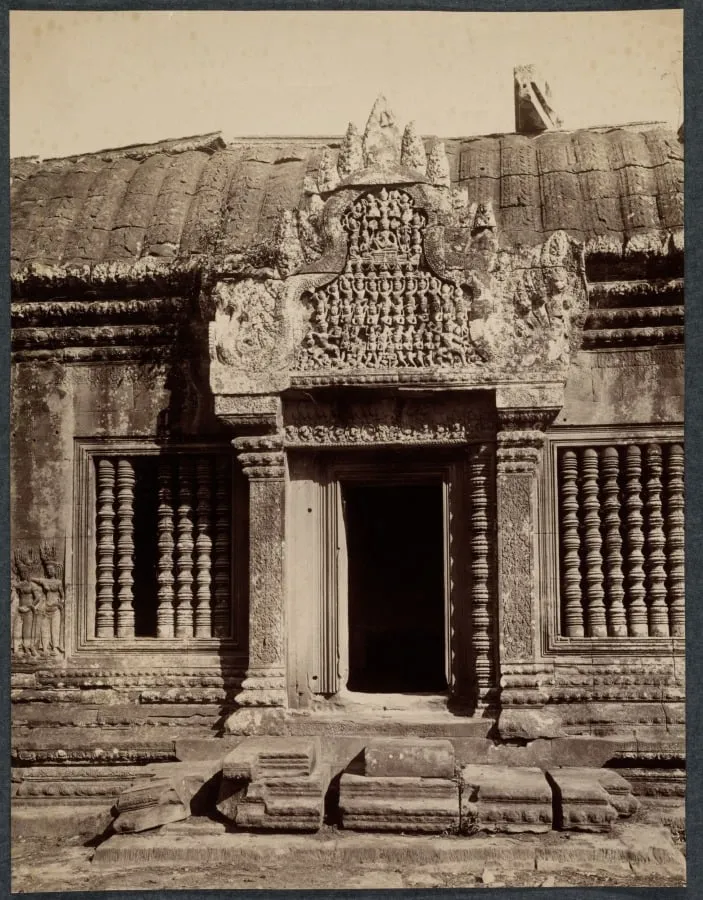
Doorway Through an Inner Enclosure, Angkor Wat, Cambodia is a photography by the Impressionist artist Unknown. It dates from 1880 and is held in the collection of the Cleveland Museum of Art. This image is a detailed pencil drawing, executed around 1880, depicting a stone doorway within the ruins of Angkor Wat.
About this work
The artist stood in the heat, trying to record every crack and root before the jungle swallowed the temple again.
You see a stone doorway in a jungle ruin, vines curling over the lintel and sunlight slanting through the gap.
This photo-like drawing was made by a French explorer around 1880, just after Angkor Wat was rediscovered. The artist stood in the heat, trying to record every crack and root before the jungle swallowed the temple again. No one knows their name.
Look up other 19th-century drawings of India next.
Overview
This image is a detailed pencil drawing, executed around 1880, depicting a stone doorway within the ruins of Angkor Wat. Created by an anonymous French explorer, it captures the encroaching jungle—vines draping the lintel, sunlight filtering through the archway. The work belongs to a wave of early documentation efforts following the site’s re-introduction to the Western world, aiming to preserve architectural details before nature reclaimed them.
Subject & Meaning
The doorway represents a threshold between human construction and natural reclamation. Its framing emphasizes the tension between the temple’s enduring stone structure and the organic growth of vines and roots. The composition suggests both reverence for the architecture and an awareness of its fragility, reflecting the explorer’s intent to record what might soon vanish beneath the forest.
Technique & Style
Rendered in fine pencil, the drawing employs precise linework to capture textures—cracked stone, tangled roots, and the play of light and shadow. The artist avoided color, relying on tonal variation to convey depth and atmosphere. The style is topographical rather than romantic, prioritizing accuracy over embellishment, consistent with 19th-century ethnographic documentation practices.
History & Provenance
Created shortly after Angkor Wat’s re-discovery by Western explorers in the mid-19th century, the drawing emerged from a French expedition seeking to catalog Khmer architecture. Its maker remains unidentified, a common fate among field artists of the period. The work likely circulated in private collections or institutional archives, contributing to early scholarly understanding of the site.
Context
This drawing belongs to a broader 19th-century trend of European explorers documenting South and Southeast Asian monuments, paralleling efforts in India and Java. Colonial-era scientific curiosity drove these records, often produced under difficult conditions. Such images served as primary references before photography became widespread in remote regions, bridging observation and preservation.
Legacy
Though unsigned, the drawing remains a vital artifact of early Angkor documentation. It informed later archaeological studies and helped shape perceptions of the site as a lost civilization reclaimed by nature. Its quiet precision contrasts with later romanticized depictions, offering a grounded record of Angkor Wat’s condition at a pivotal moment in its modern history.
Artist & collection

 Domestic Scene
 Giacomo and Cardinal Marco, investing Andrea, Abbot of San Zeno, with his Benefice
 The Nymph of Fontainebleau
 Portrait of a Woman
 Madonna and Child with Saints in the Enclosed Garden
 Venus and Minerva
 Family Group of Four on Sofa
 Wall painting from Room H of the Villa of P. Fannius Synistor at Boscoreale
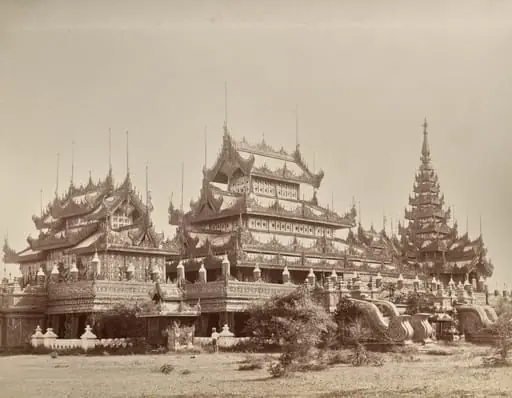 Untitled (ornate buildings, verso)
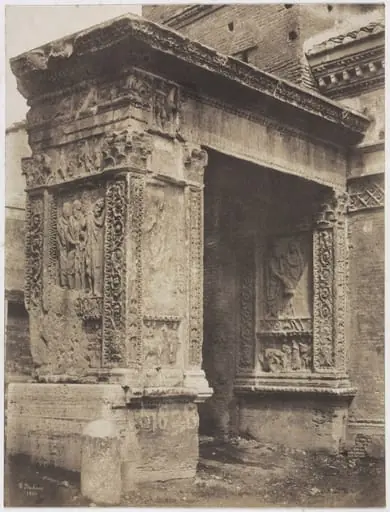 Goldsmith's Arch, Rome
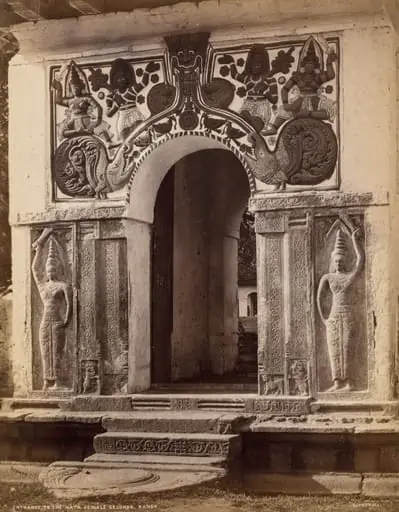 Entrance to the Nata Dewale Grounds, Kandy
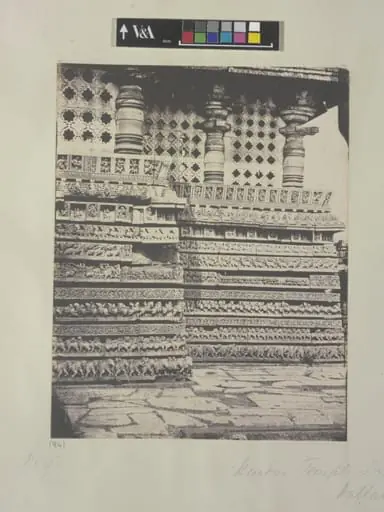 Hindoo Temple Sculpture, Southern India, Hullabeed
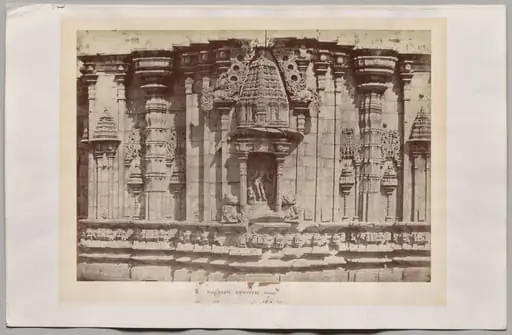 Kirwuttee, A Temple, India
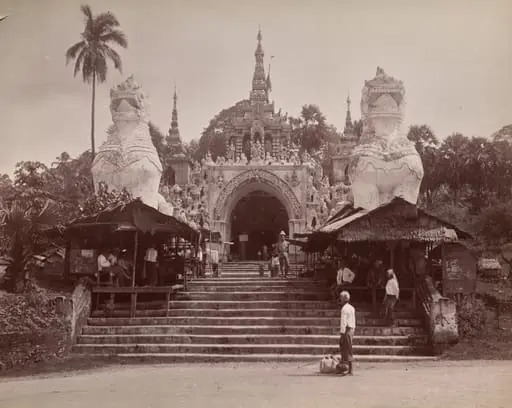 Untitled (steps and building, verso)
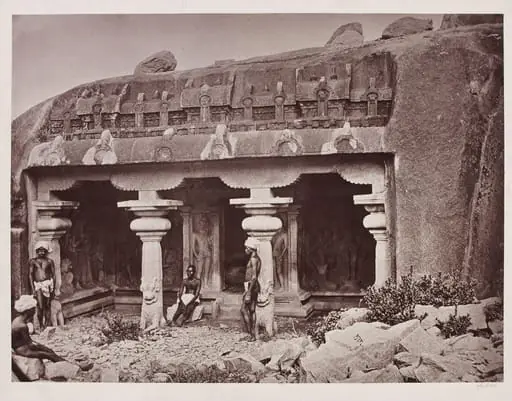 Cave sanctuary at Mahabalipuram
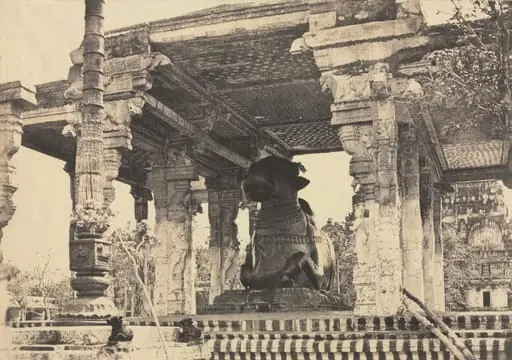 Great Pagoda, Great Bull, Front View, Tanjore, India (Rajarajeshvara Temple), plate 12 from Photographic Views of Tanjore and Trivady (Madras: Madras Presidency)
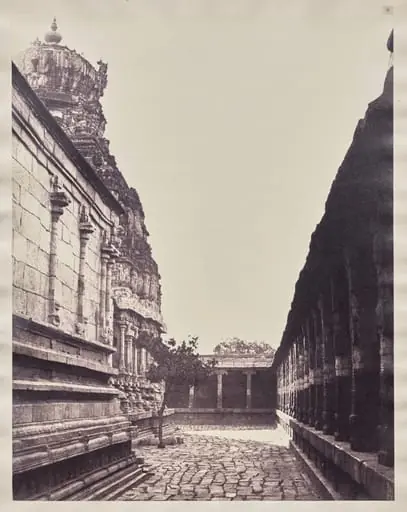 Perumal Temple Vimana from Corner of Court, Madurai
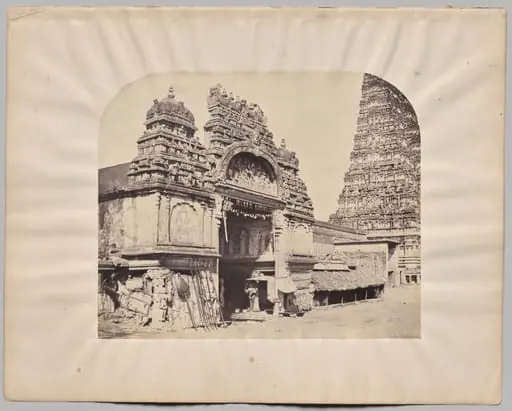 Entrance to the Minakshi Sundareshvara Temple, Madurai