Artwork
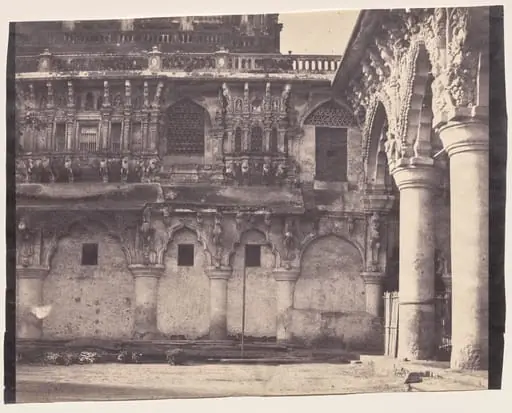
Perumal Temple Vimana from Corner of Court, Madurai
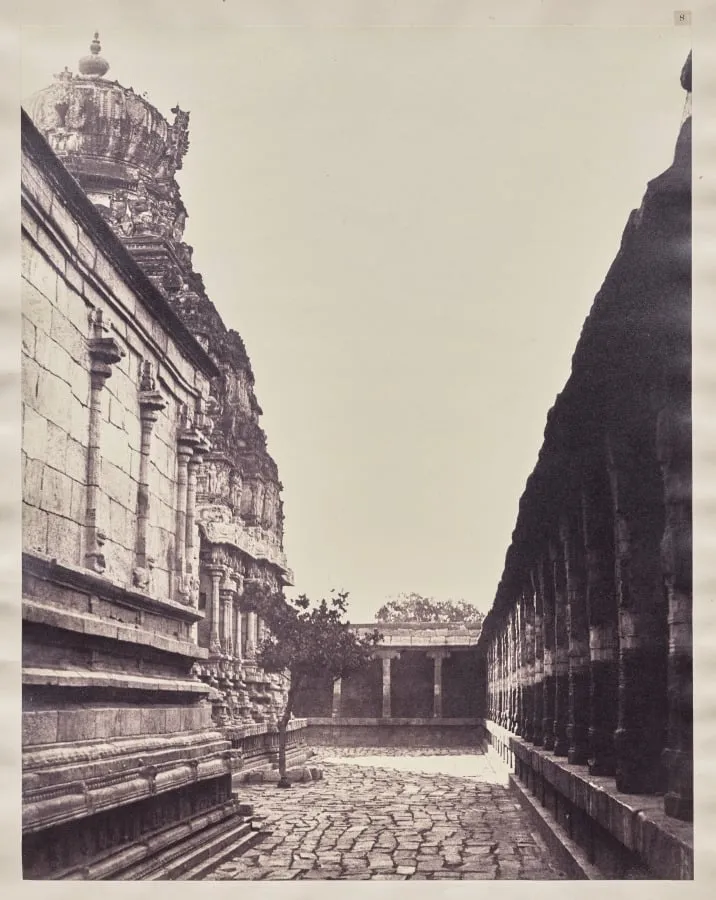
Perumal Temple Vimana from Corner of Court, Madurai is a photography by the Impressionist artist Captain Linnaeus Tripe. It dates from 1858 and is held in the collection of the Cleveland Museum of Art. Taken in 1858, this photograph captures the vimana, or tower, of the Perumal Temple in Madurai, framed against a clear sky.
About this work
Look up more photos by Captain Linnaeus Tripe (British, 1822–1902) to see how he framed India’s buildings.
You see a tall, carved stone tower rising against a bright sky, its steps and arches empty.
Tripe took this photo in 1858 with early camera gear that needed long, still exposures. People moving would blur, so the temple looks quiet—maybe even cleared for the shot. The details in the stone carvings stand out sharp, but the human life around them is gone.
Look up more photos by Captain Linnaeus Tripe (British, 1822–1902) to see how he framed India’s buildings.
Overview
Taken in 1858, this photograph captures the vimana, or tower, of the Perumal Temple in Madurai, framed against a clear sky. The image was made by Captain Linnaeus Tripe using a paper negative process and a lens with limited light sensitivity, necessitating extended exposure times. The absence of people in the scene reflects technical constraints and possibly deliberate clearance by the photographer, who was documenting Indian architecture under official colonial commission.
Subject & Meaning
The vimana, a towering structure adorned with intricate stone carvings, represents the sacred axis connecting earth and heavens in South Indian temple architecture. By excluding worshippers and movement, the photograph shifts focus from ritual life to architectural form. The empty spaces suggest a deliberate prioritization of structure over ceremony, aligning with colonial interests in cataloging monuments as static artifacts rather than living religious sites.
Technique & Style
Tripe employed the wet collodion process on paper negatives, which required long exposures even under bright Indian sunlight. This technical limitation rendered moving figures indistinct or invisible, resulting in a still, almost surreal quietude. The sharp detail in the carvings contrasts with the voids where people would normally be, revealing how photographic technology shaped the visual record—favoring permanence over presence.
History & Provenance
Commissioned by the British colonial government, Tripe’s photographic surveys of South Indian temples were part of a broader effort to document architectural heritage for administrative and scholarly purposes. This image, taken during his 1858 tour of Madurai, was likely produced under official authority, possibly with temple access secured through his position. The photograph later entered institutional collections, becoming part of early ethnographic visual archives.
Context
In the mid-19th century, photography emerged as a tool for imperial documentation, often prioritizing order and clarity over lived experience. Tripe’s images of temples aligned with colonial agendas to classify and preserve monuments deemed culturally significant. The absence of people in his photographs reflects both technical necessity and a broader tendency to depict Indian religious sites as relics rather than active centers of devotion.
Legacy
Tripe’s photographs remain among the earliest systematic visual records of South Indian temple architecture. While his images lack human presence, they preserve fine architectural details otherwise vulnerable to decay or alteration. Today, they serve as reference points for conservation and historical study, offering insight into both the structures themselves and the colonial methodologies that shaped their early representation.
Artist & collection

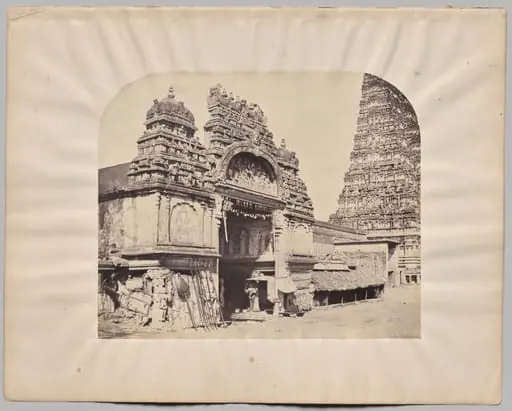 Entrance to the Minakshi Sundareshvara Temple, Madurai
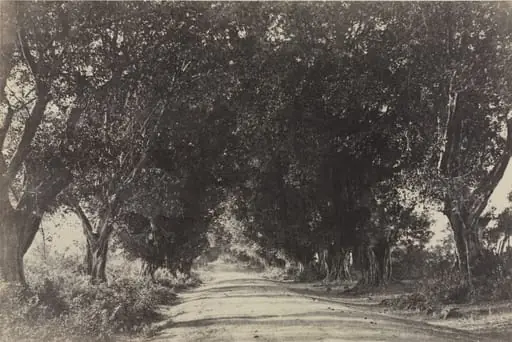 Avenue of the Banian Trees, Seringham, India
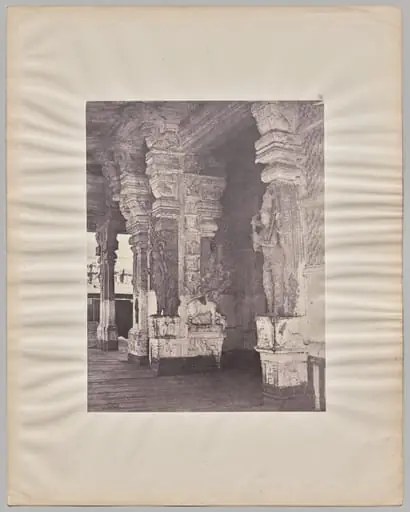 Pudhu Mandapa of Tirumal Nayak (r. 1623–59), Minakshi Sundareshvara Temple, Madurai
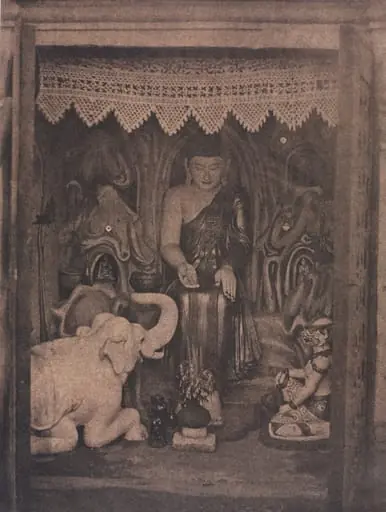 Amerapoora. Gautama's Shrine
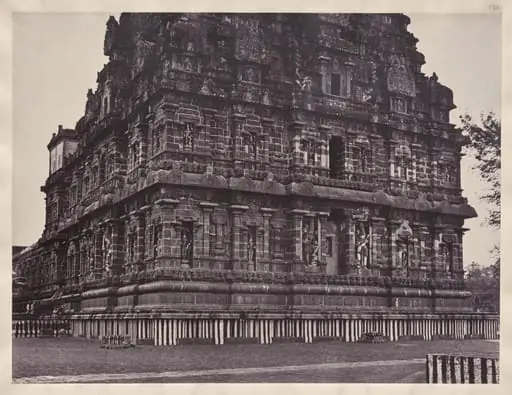 West and South Sides of the Vimana Walls, Great Temple (Brihadeshvara) at Tanjore (Thanjavur)
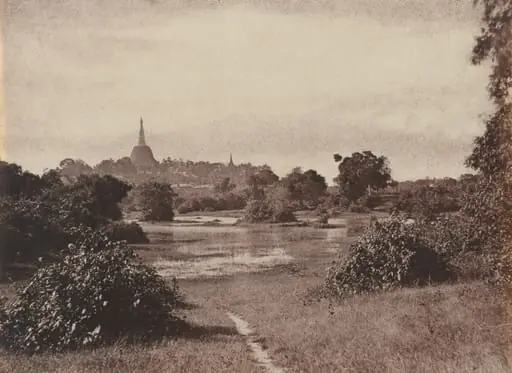 Rangoon. View Near the Lake
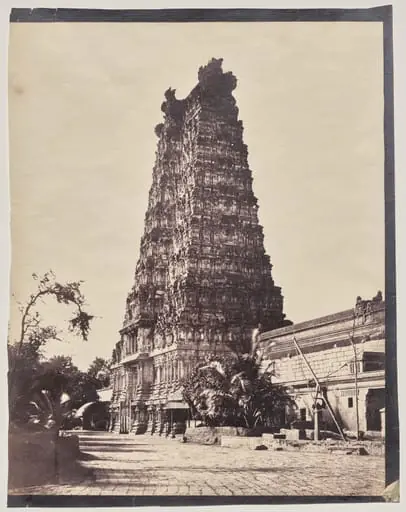 Western Gateway (Gopuram) of the Minakshi Sundareshvara Temple, Madurai
 South Façade of the Quadrangle of the Nayak Darbar Hall, Thanjavur