Artwork
East Javanese volcanic rock sculpture, relief figure of Umā, early 15th century, V&A Museum, London
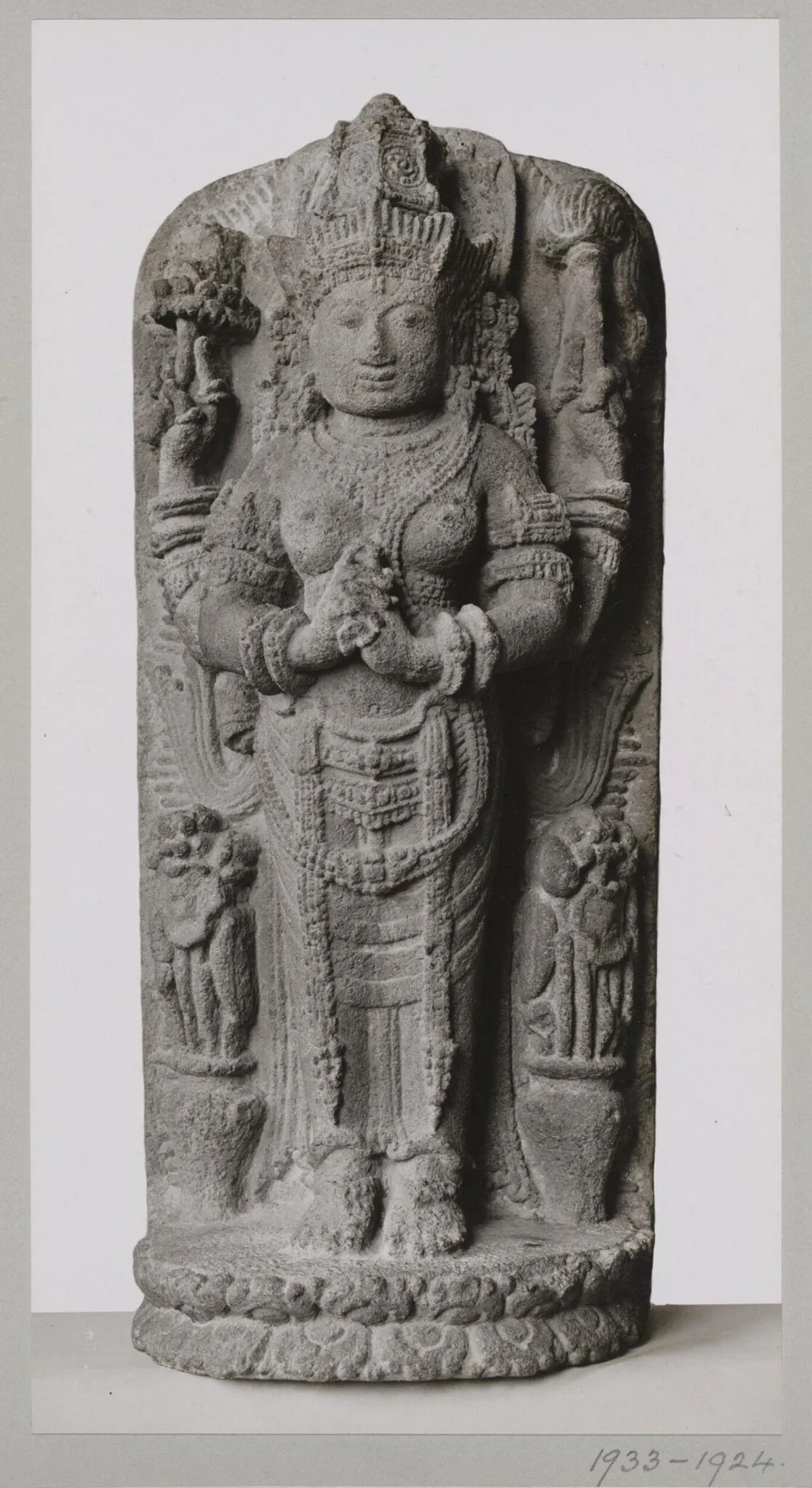
East Javanese volcanic rock sculpture, relief figure of Umā, early 15th century, V&A Museum, London is a photographic photography by Unknown. It dates from 1924 and is held in the collection of the Victoria and Albert Museum. This early‑15th‑century relief originates from East Java and is carved from volcanic stone.
About this work
Overview
This early‑15th‑century relief originates from East Java and is carved from volcanic stone. The work portrays a standing female figure, identified as the deity Umā, rendered in low relief and presented today as a black‑and‑white photograph in the Victoria and Albert Museum, London.
Subject & Meaning
Umā is shown with exposed breasts and her hands joined at the waist, a pose that conveys both modesty and ritual significance. She holds an object in each hand, one resembling a lotus bud, a symbol often linked to purity and divine birth in the region’s iconography.
Technique & Style
The carving employs deep incisions and smooth contours to create a pronounced sense of volume on a flat surface. Intricate jewelry, a draped skirt, and surrounding motifs of miniature figures and foliage are all rendered in the same dark volcanic rock, reflecting the relief conventions of historic Southeast Asian temple art.
History & Provenance
The relief was produced in East Java during the early 1400s, a period of flourishing Hindu‑Buddhist artistic activity on the island. It entered the Victoria and Albert Museum’s collection as a photographic reproduction, allowing the stone’s details to be studied without moving the original artifact.
Context
Reliefs of deities such as Umā were commonly integrated into temple façades and interior walls, serving both decorative and didactic purposes. The use of volcanic stone was typical in Javanese sculpture, valued for its durability and capacity for fine carving.
Artist & collection

 Domestic Scene
 Giacomo and Cardinal Marco, investing Andrea, Abbot of San Zeno, with his Benefice
 The Nymph of Fontainebleau
 Portrait of a Woman
 Madonna and Child with Saints in the Enclosed Garden
 Venus and Minerva
 Family Group of Four on Sofa
 Wall painting from Room H of the Villa of P. Fannius Synistor at Boscoreale
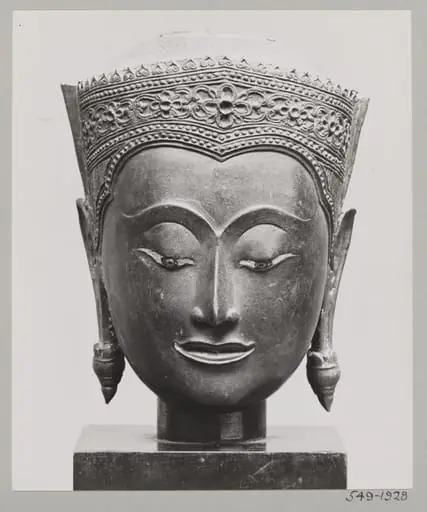 Siamese bronze sculpture of Buddha, 14th or 15th century, V&A Museum
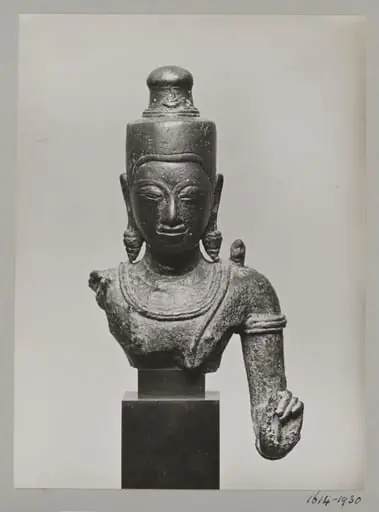 Bronze Cambodian sculpture of Buddha, ca. 13th century, V&A Museum, London
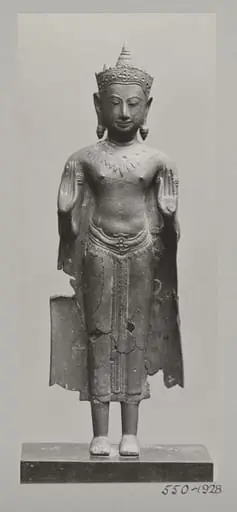 Bronze sculpture of standing figure of the Dipankara Buddha, V&A Museum
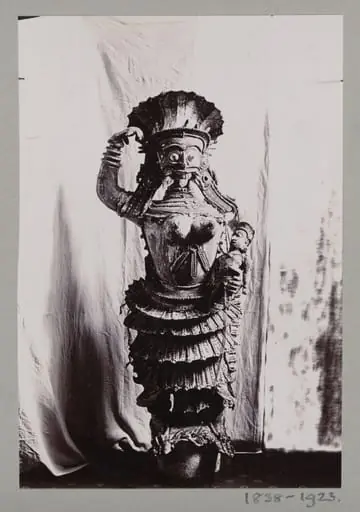 Carved wood sculpture, Goddess, Javanese (?)
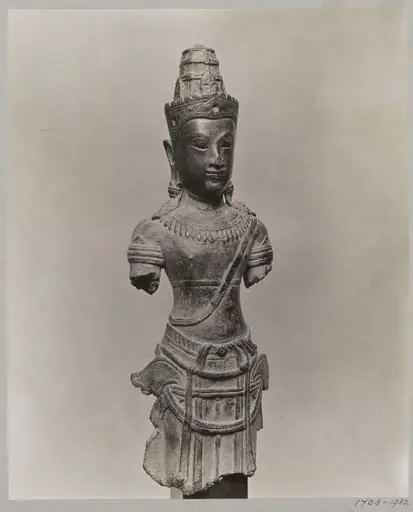 Bronze Cambodian sculpture of Bodhisattva, ca. 13th century, A.D., V&A Museum, London
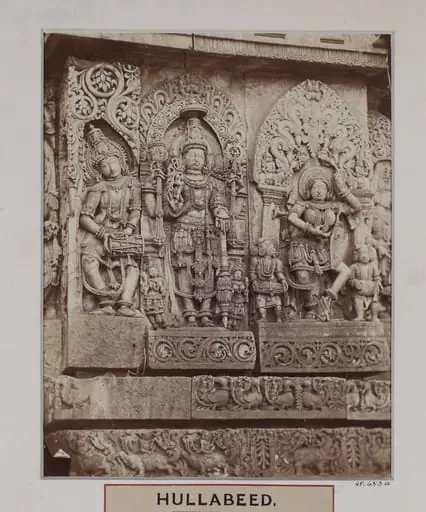 Relief sculpture of the great temple at Halebid
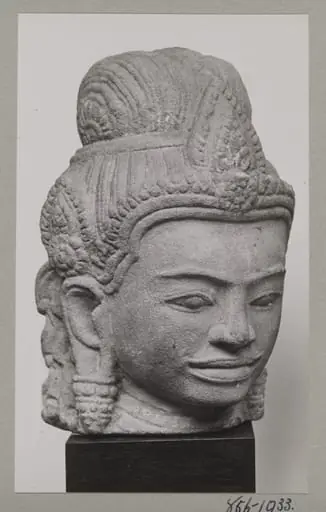 Sculpture, head of Asura, Ankor region, 12th - 13th century, H.G. Quaritch Wales collection
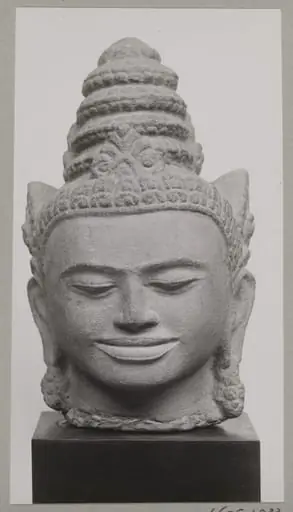 East Siam sculpture of head of Bodhisattva, ca. 12th century, H.G. Quaritch Wales Collection
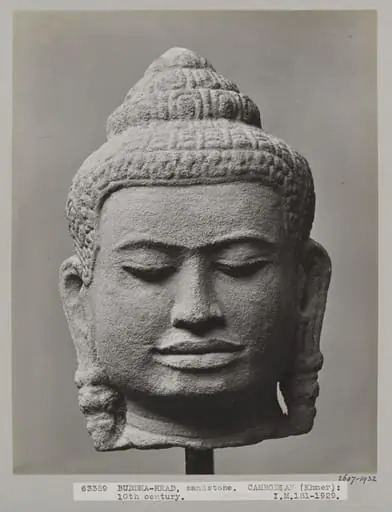 Cambodian Bayon style sandstone sculpture of head of Buddha, 10th century A.D., V&A Museum, London
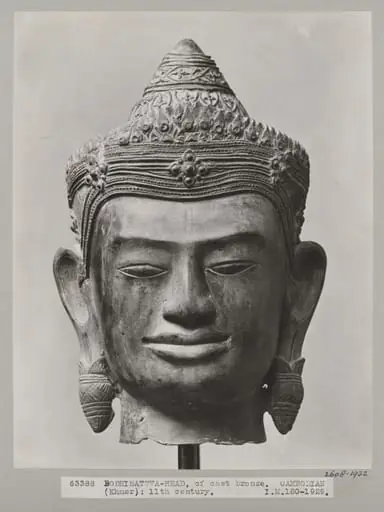 Cambodian bronze sculpture of head of Bodhisattva, 11th century A.D., V&A Museum, London