Artwork
Siamese bronze sculpture of Buddha, 14th or 15th century, V&A Museum
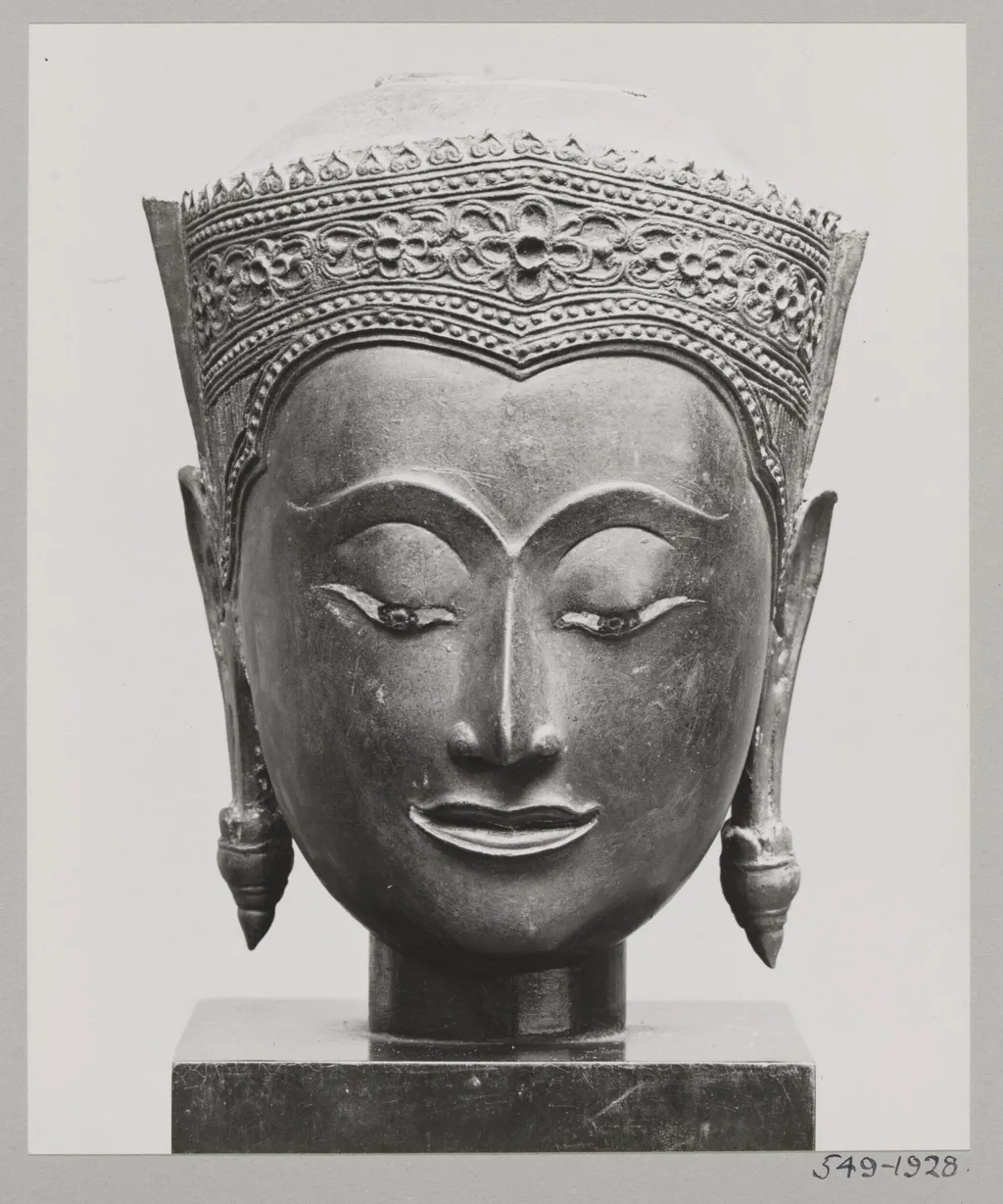
Siamese bronze sculpture of Buddha, 14th or 15th century, V&A Museum is a photographic photography by Unknown. It dates from 1924 and is held in the collection of the Victoria and Albert Museum. A black-and-white photograph captures a 14th- or 15th-century Siamese bronze Buddha head, displayed in profile facing left.
About this work
Overview
A black-and-white photograph captures a 14th- or 15th-century Siamese bronze Buddha head, displayed in profile facing left.
A black-and-white photograph captures a 14th- or 15th-century Siamese bronze Buddha head, displayed in profile facing left. The image isolates the sculpture against a light gray backdrop, emphasizing its form and surface texture. The medium is not the sculpture itself but a documentary photograph, likely taken for archival or scholarly purposes, preserving fine details of the original bronze work.
Subject & Meaning
The sculpture depicts the Buddha in royal attire, wearing an ornate headdress and earrings, reflecting a tradition in Southeast Asian Buddhist art where enlightened beings are portrayed with regal attributes. This iconography symbolizes spiritual authority rather than earthly power, aligning with the idea of the Buddha as a transcendent monarch of wisdom and compassion.
Technique & Style
The bronze head exhibits refined casting techniques typical of late Ayutthaya-period craftsmanship, with delicate patterning on the headdress and naturalistic earlobes. The dark patina suggests age and ritual handling. The photograph highlights these features through controlled lighting, revealing subtle surface variations and the precision of lost-wax casting without embellishment.
History & Provenance
The sculpture originated in the Siamese kingdom, likely produced in a royal or temple workshop during the 14th or 15th century. It entered the V&A Museum’s collection through documented acquisitions, possibly from colonial-era collections or diplomatic gifts. The photograph serves as a record of its condition at the time of documentation, preserving its appearance before modern conservation.
Context
This piece reflects the fusion of Theravāda Buddhist ideals with Khmer and local Thai artistic conventions prevalent in the Ayutthaya court. Royal imagery for the Buddha was common in this era, reinforcing the ruler’s divine legitimacy. Similar works were used in temple rituals or as objects of veneration, blending religious devotion with political symbolism.
Legacy
The photograph ensures the sculpture’s visual record endures, aiding scholarly study of Southeast Asian Buddhist art. While the original bronze remains in the V&A’s collection, the image has circulated in publications and exhibitions, contributing to broader recognition of Siamese metalwork’s technical and aesthetic achievements beyond regional boundaries.
Artist & collection

 Domestic Scene
 Giacomo and Cardinal Marco, investing Andrea, Abbot of San Zeno, with his Benefice
 The Nymph of Fontainebleau
 Portrait of a Woman
 Madonna and Child with Saints in the Enclosed Garden
 Venus and Minerva
 Family Group of Four on Sofa
 Wall painting from Room H of the Villa of P. Fannius Synistor at Boscoreale
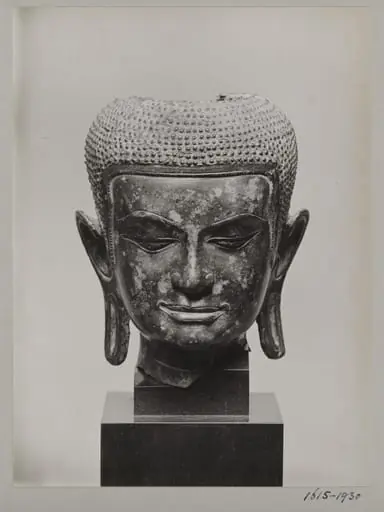 Cambodian bronze sculpture of Buddha head, ca. 13th century A.D., V&A Museum
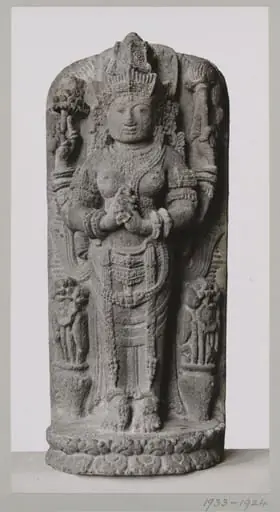 East Javanese volcanic rock sculpture, relief figure of Umā, early 15th century, V&A Museum, London
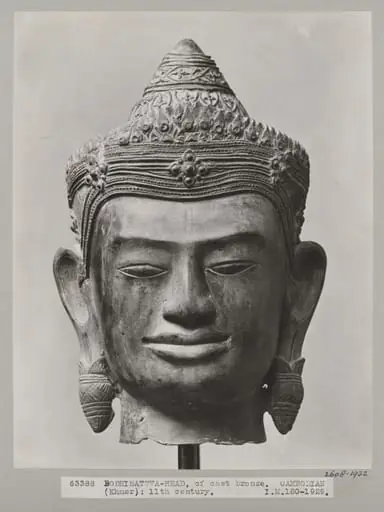 Cambodian bronze sculpture of head of Bodhisattva, 11th century A.D., V&A Museum, London
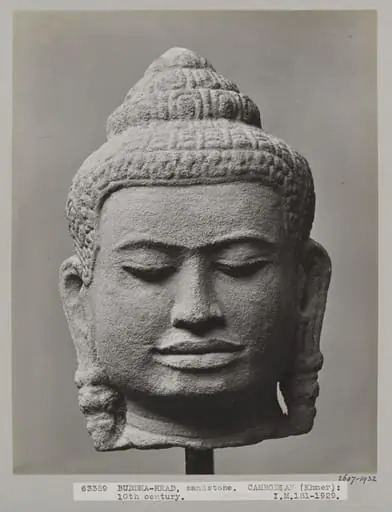 Cambodian Bayon style sandstone sculpture of head of Buddha, 10th century A.D., V&A Museum, London
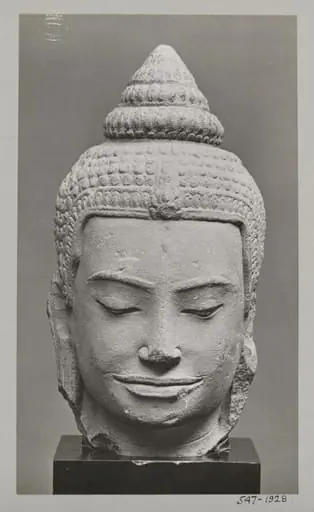 Sandstone sculpture of head of Buddha, Siam, 9th century A.D., V&A Museum, London
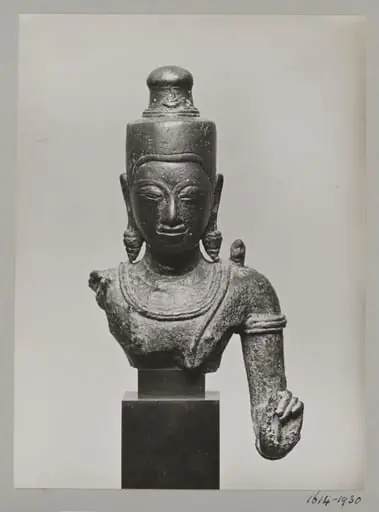 Bronze Cambodian sculpture of Buddha, ca. 13th century, V&A Museum, London
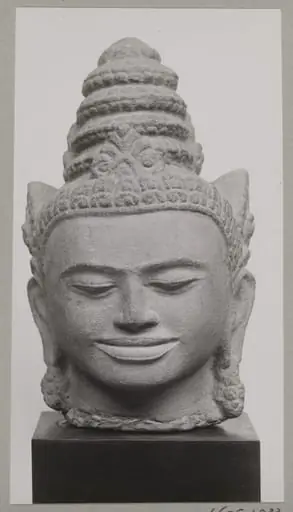 East Siam sculpture of head of Bodhisattva, ca. 12th century, H.G. Quaritch Wales Collection
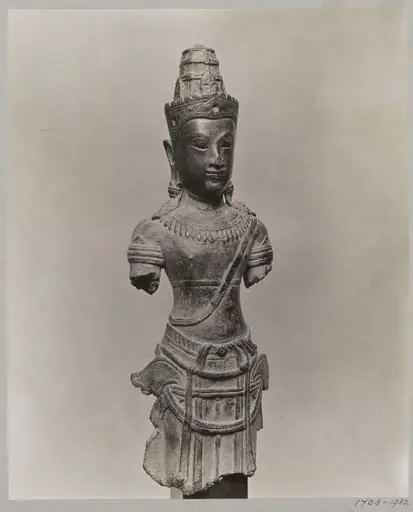 Bronze Cambodian sculpture of Bodhisattva, ca. 13th century, A.D., V&A Museum, London
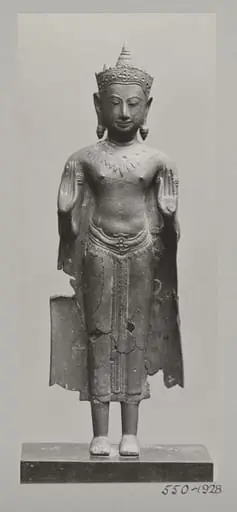 Bronze sculpture of standing figure of the Dipankara Buddha, V&A Museum
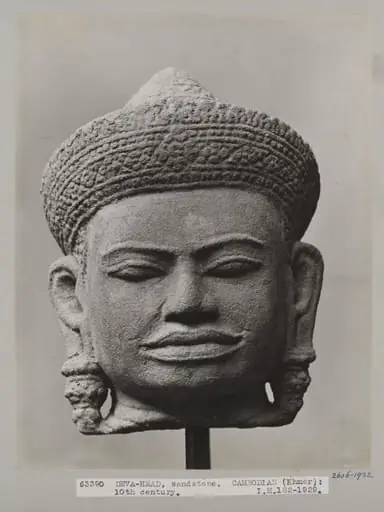 Cambodian sandstone sculpture of head of Deva, 10th century, V&A Museum, London
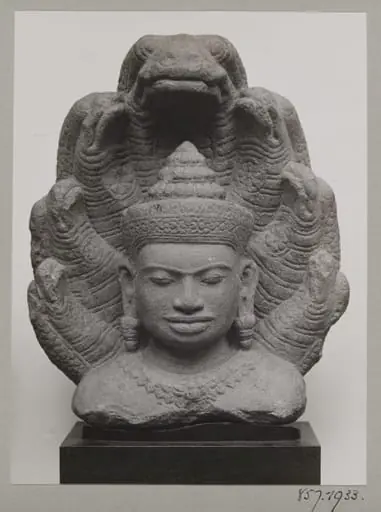 Sculpture, carved stone, Buddha with naga hood, Eastern Siam, 12th-13th century, H. G. Quaritch Wales Collection
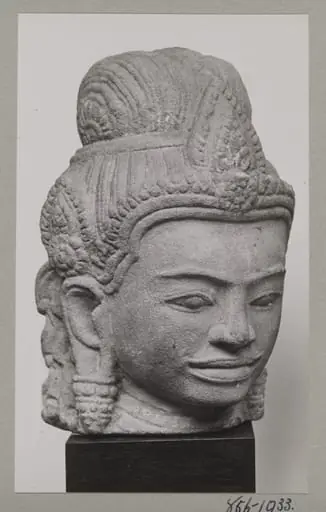 Sculpture, head of Asura, Ankor region, 12th - 13th century, H.G. Quaritch Wales collection