Artwork
farfurie
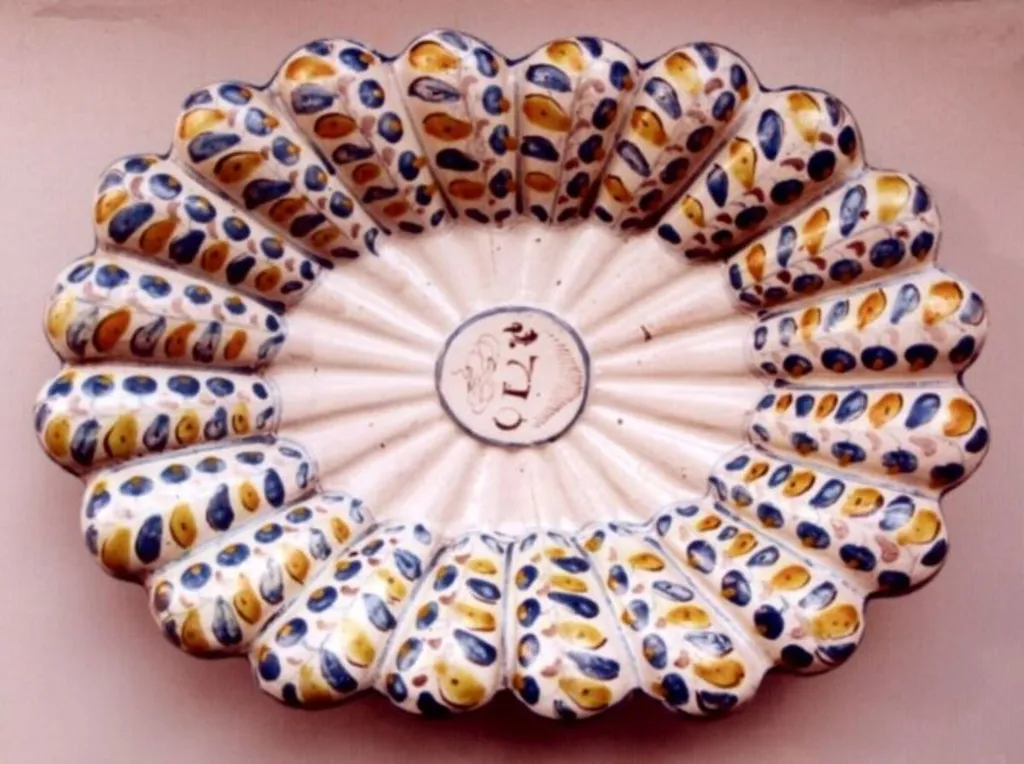
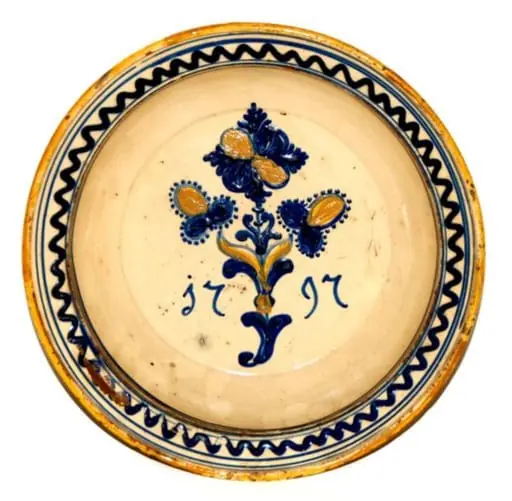
farfurie is a photography by the Baroque artist Unknown. It dates from 1710 and is held in the collection of the Ethnographical Museum of Transylvania. A circular, shallow dish with scalloped edges, crafted from ceramic and decorated with delicate, hand-applied pigments.
About this work
Overview
Its surface features intricate swirls of blue, yellow, and brown, applied in fine dots and splatters, suggesting a methodical yet spontaneous technique.
A circular, shallow dish with scalloped edges, crafted from ceramic and decorated with delicate, hand-applied pigments. Its surface features intricate swirls of blue, yellow, and brown, applied in fine dots and splatters, suggesting a methodical yet spontaneous technique. A subtle raised circle anchors the center, marked with a minimal geometric motif. The object’s form and ornamentation align with domestic or ceremonial tableware from the early modern period.
Subject & Meaning
No figurative imagery is present; the decoration relies entirely on abstract patterns. The swirling motifs may reflect natural phenomena—wind, water, or growth—common in folk decorative traditions. The central raised disc could serve a functional purpose, such as a grip or a focal point for placement, while also symbolizing unity or containment within the vessel’s circular form.
Technique & Style
The surface decoration was likely applied using a stippling or spattering technique, with pigments applied by brush or tool in controlled bursts. The limited palette and repetitive patterns suggest adherence to regional ceramic traditions rather than fine art conventions. The glaze appears matte or low-fired, consistent with utilitarian wares produced in workshops with limited access to advanced kiln technology.
History & Provenance
Though specific origins are unrecorded, the form and decoration resemble ceramic wares from Eastern European or Balkan regions during the 17th to 18th centuries. Similar pieces have been found in domestic contexts, indicating use in food service or as display items. The absence of maker’s marks or inscriptions limits precise attribution, but stylistic parallels exist in folk pottery from the Ottoman periphery.
Context
This object emerges from a broader tradition of vernacular ceramics that flourished outside elite artistic centers. While Baroque art emphasized grandeur and movement in painting and sculpture, similar swirling motifs appeared in humble crafts, where ornamentation served both aesthetic and cultural functions. Such items reflected local identity and craftsmanship rather than international trends.
Legacy
Though not widely documented in major collections, comparable pieces survive in regional museums and private holdings, preserving evidence of everyday material culture. These objects contribute to understanding how artistic expression permeated domestic life in pre-industrial societies, where utility and decoration were intertwined without distinction.
Artist & collection
Museum
Ethnographical Museum of Transylvania
Continue through works from the same source collection.
 Domestic Scene
 Giacomo and Cardinal Marco, investing Andrea, Abbot of San Zeno, with his Benefice
 The Nymph of Fontainebleau
 Portrait of a Woman
 Madonna and Child with Saints in the Enclosed Garden
 Venus and Minerva
 Family Group of Four on Sofa
 Wall painting from Room H of the Villa of P. Fannius Synistor at Boscoreale
 farfurie
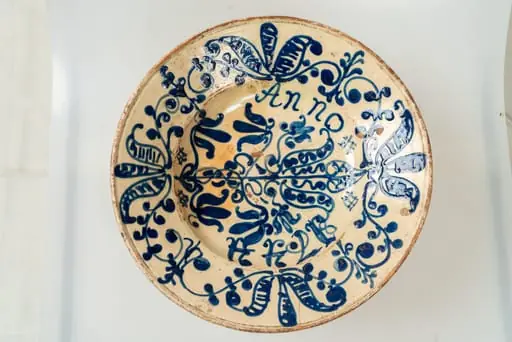 Farfurie mare, adâncă, cu buza lată, răsfrântă. Piesa este modelată la roata olarului și este angobată cu humă albă pe fața sa interioară. Decorul, pictat cu pensula, se compune din motive decorative florale, variate și stilizate, și geometrice (linii hașurate), dispuse pe întreaga suprafață. În zona centrală a farfuriei este înscripționat "Anno 1744", de o parte și de alta a decorului format dintr-un buchet de lalele. Piesa este smălțuită transparent pe fața sa interioară. Cromatica: alb, albastru.
 farfurie
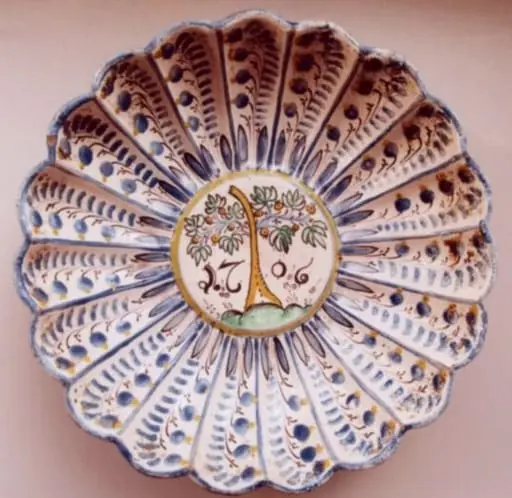
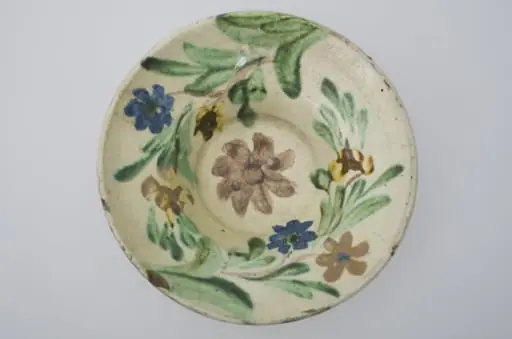 Farfurie cu marginea foarte lată și evazată, smălțuită în interior. Decor floral pe toată suprafața interioară. Cromatică: fond: alb; motive: brun; verde; galben; albastru.
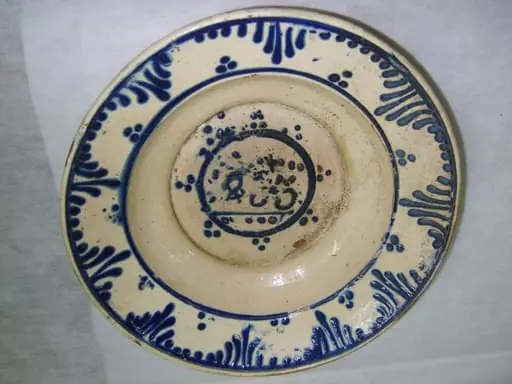 Blid mare
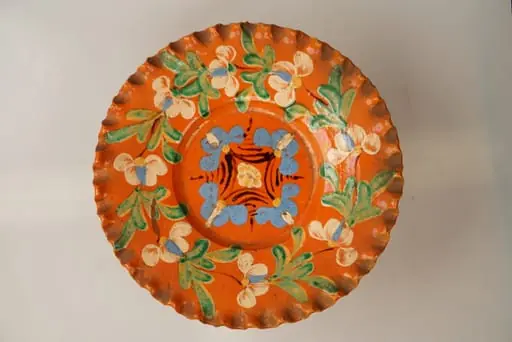 Farfurie de formă aplatizată, cu muchia buzei ondulată; suprafața interioară a farfuriei este acoperită cu un strat de angobă roșie peste care este pictat cu pensula decorul format din motive florale dispuse astfel: centrul farfuriei conține patru flori albastre cu mijlocul alb, dispuse în colțurile unui romb format din linii maro, având în centru o floare mică albă. Registrul decorativ de pe buza farfuriei este decorat cu o ghirlandă continuă dispusă circular, formată din flori cu petale albe și centru albastru, cu tulpină subțire maro și frunze verzi. Duprafața ornamentată a farfuriei este acoperită cu un strat de smalț transparent. Cromatica: roșu, alb, albastru, verde.
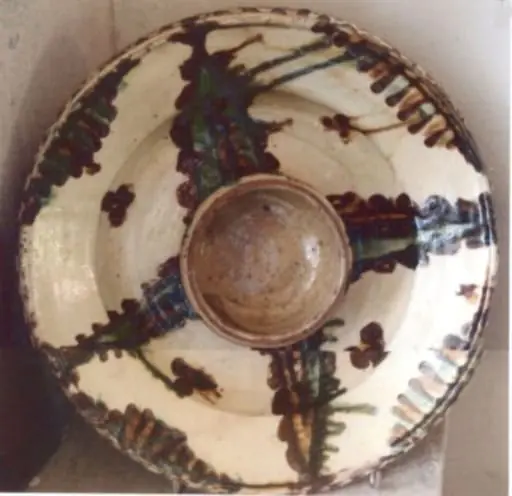 farfurie de ritual
 blid
blid