Artwork
Farfurie mare, lată, cu buză răsfrântă. Este modelată la roata olarului și angobată cu humă albă pe fața interioară. Decorul este realizat prin pictare cu cornul și cu pensula și se compune din motive decorative florale stilizate (buchet central, pe fundul farfuriei) și motive geometrice variate, dispuse pe buza farfuriei. Cromatica: alb, brun, verde, galben, albastru. Fața interioară a farfuriei este acoperită de un strat de smalț transparent.
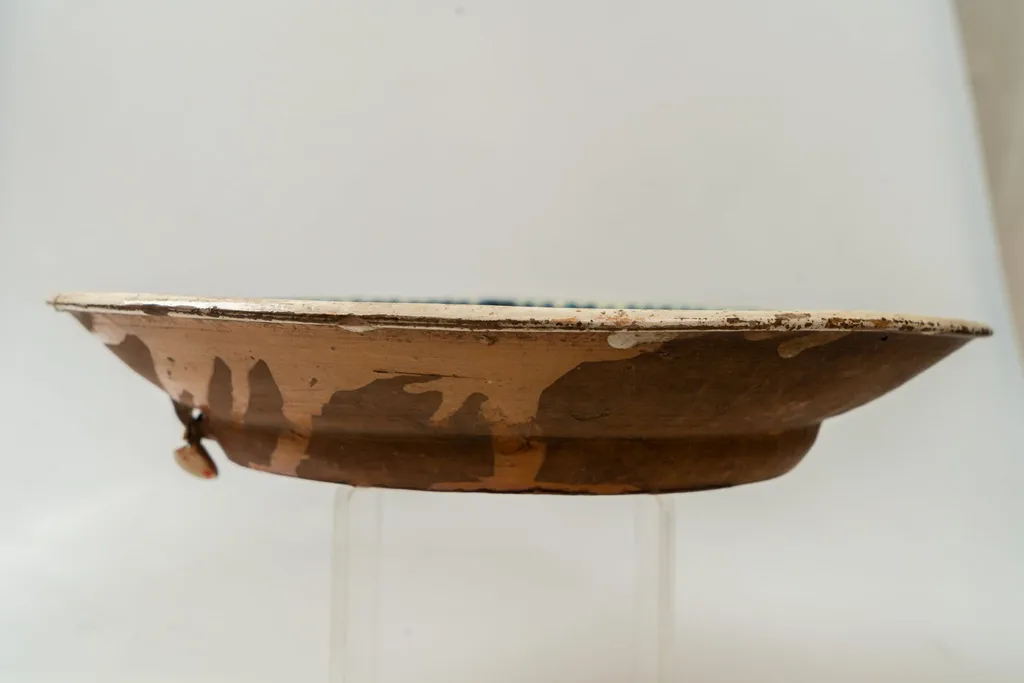
Farfurie mare, lată, cu buză răsfrântă. Este modelată la roata olarului și angobată cu humă albă pe fața interioară. Decorul este realizat prin pictare cu cornul și cu pensula și se compune din motive decorative florale stilizate (buchet central, pe fundul farfuriei) și motive geometrice variate, dispuse pe buza farfuriei. Cromatica: alb, brun, verde, galben, albastru. Fața interioară a farfuriei este acoperită de un strat de smalț transparent. is a print by Unknown. It dates from 1850 and is held in the collection of the Ethnographical Museum of Transylvania.
About this work
Overview
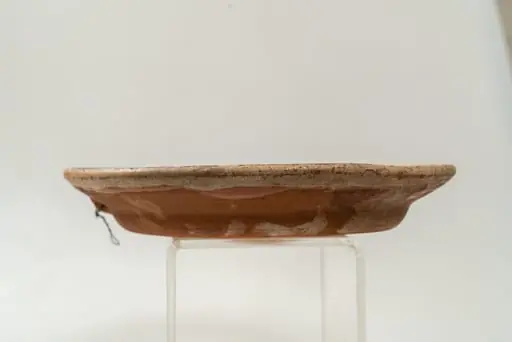
A large, hand-thrown ceramic plate with a flared, uneven rim, this vessel was crafted on a potter’s wheel and coated internally with a white slip. Its surface bears traces of wear and minor cracking, indicative of prolonged use. A transparent glaze seals the interior, preserving painted decoration while the exterior remains unadorned and slightly chipped, reflecting its functional origins.
Subject & Meaning
These designs, likely drawn from local ornamental traditions, do not depict narrative scenes but instead serve as rhythmic, symbolic embellishments.
The interior decoration features stylized floral motifs centered on the base, accompanied by geometric patterns along the rim. These designs, likely drawn from local ornamental traditions, do not depict narrative scenes but instead serve as rhythmic, symbolic embellishments. Their repetition and symmetry suggest an aesthetic preference for order and harmony in daily life rather than religious or mythological reference.
Technique & Style
Pigments derived from natural minerals were applied with brush and possibly a reed pen to create fine lines and broad washes in white, brown, green, yellow, and blue. The slip coating provided a smooth base for painting, while the transparent glaze, fired to a glassy finish, protected the design from moisture and abrasion. The uneven rim and subtle imperfections confirm handcrafting, not mass production.
History & Provenance
This plate originates from a rural ceramic tradition, likely produced in the 18th or 19th century in Eastern Europe. Its materials and methods align with regional pottery workshops that supplied household wares. Similar pieces are held in the Museum of Ethnography, where they are contextualized as part of everyday domestic material culture rather than ceremonial objects.
Context
In its time, such plates were common in peasant households, used for serving food and stored in simple cupboards. Their decoration, though modest, distinguished them from utilitarian vessels. The use of durable glaze and resilient pigments indicates an understanding of practical needs, balancing beauty with longevity in a pre-industrial economy.
Legacy
Though not signed or attributed to a specific artisan, this plate represents a widespread craft tradition that persisted across generations. Today, it is valued not for rarity but for its testimony to vernacular aesthetics and the quiet artistry embedded in ordinary objects. Its preservation allows modern viewers to encounter the tactile and visual rhythms of domestic life from centuries past.
Artist & collection
Museum
Ethnographical Museum of Transylvania
Continue through works from the same source collection.
 Domestic Scene
 Giacomo and Cardinal Marco, investing Andrea, Abbot of San Zeno, with his Benefice
 The Nymph of Fontainebleau
 Portrait of a Woman
 Madonna and Child with Saints in the Enclosed Garden
 Venus and Minerva
 Family Group of Four on Sofa
 Wall painting from Room H of the Villa of P. Fannius Synistor at Boscoreale
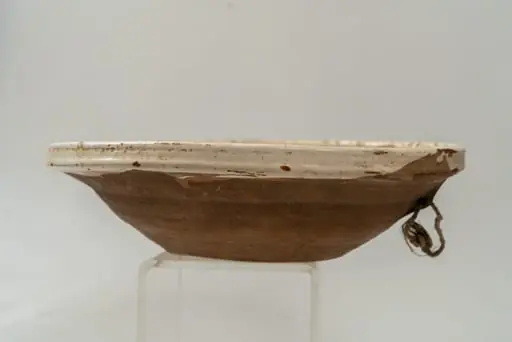 Farfurie mare, adâncă, de tip castron. Piesa este modelată la roata olarului și este angobată pe fața sa interioară. Decorul este pictat cu pensula și cu cornul și se compune din motive decorative florale (buchet de flori, în zona centrală a farfuriei) și geometrice (linii hașurate, linii sub formă de cercuri concentrice) situate pe buza farfuriei. Cromatica: alb, albastru, siena naturală, verde. Farfuria este acoperită, pe fața sa interioară, de un strat de smalț transparent.
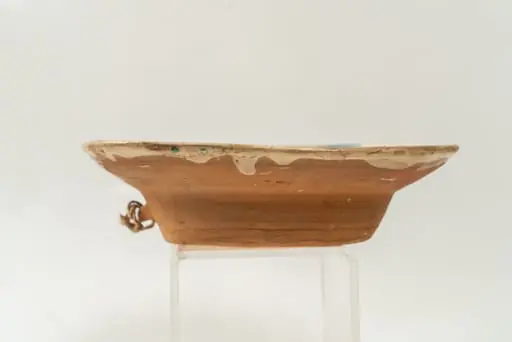 Farfurie adâncă, cu corp mic și buză lată, evazată; piesa este modelată la roata olarului și angobată cu humă albă pe fața interioară. Decorul este realizat prin pictare cu pensula și se compune din motive decorative florale și vegetale stilizate, dispuse central, pe fundul vasului (o floare albastră cu frunze verzi) și pe buza farfuriei (4 flori albastre alternate cu 4 grupuri de frunze). Fața decorată a farfuriei este acoperită cu un strat de smalț transparent. Cromatica: alb, albastru, verde.
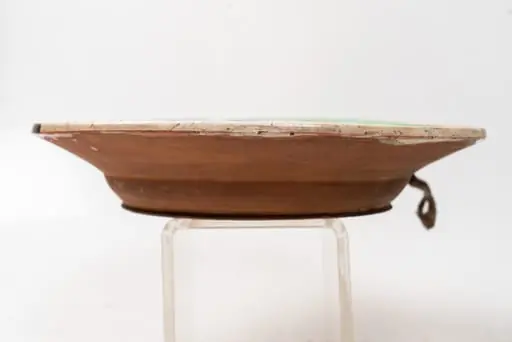 Farfurie mare, semi-adâncă, cu buza răsfrântă; piesa este modelată la roata olarului și angobată cu humă albă pe fața interioară. Decorul este realizat prin sgrafitare în pasta albă de angobă și prin pictare cu pensula și cu cornul și se compune din motive decorative vegetale (o floare foarte stilizată, cu patru petale, dispusă în registrul central de pe fundul farfuriei) și geometrice (linii circulare, de culoare verde și siena arsă, pe buza farfuriei). Cromatica: alb, verde, siena arsă, maro. Fața ornamentată a farfuriei este acoperită cu un strat de smalț transparent.
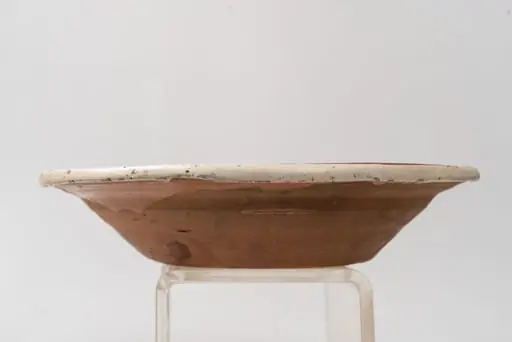 Farfurie adâncă, cu buza răsfrântă; piesa este modelată din lut la roata olarului și angobată cu humă albă pe fața interioară. Decorul este realizat prin pictare cu cornul și constă în motive geometrice (linii hașurate, puncte, linii circulare, linii dispuse sub formă de raze, linii în V). Cromatica: alb, albastru, verde, siena arsă. Fața ornamentată a farfuriei este acoperită cu un strat de smalț transparent.
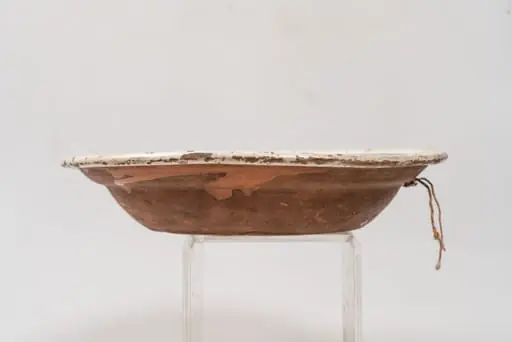 Farfurie adâncă, cu buza răsfrântă și muchia buzei rotunjită; piesa este angobată pe fața interioară cu un strat de humă albă, peste care este pictat cu cornul decorul format din motive geometrice: central pe fundul farfuriei este reprezentată o floare geometrizată cu șase petale și puncte albastre, înscrisă într-un cerc care este, la rândul său, înscris într-un motiv sub formă de rozetă albastră. Buza farfuriei poartă un decor format din grupuri de linii hașurate intersectate, de culoare albastră și roșu cărămiziu, înscrise între două linii circulare de culoare albastră. Cromatica: alb, albastru, roșu cărămiziu. Fața ornamentată a farfuriei este acoperită cu un strat de smalț transparent.
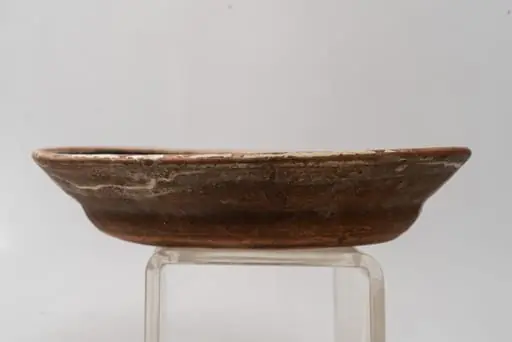 Farfurie semi-adâncă, cu fundul larg și buza răsfrântă oblic; piesa este modelată din lut la roata olarului și angobată cu humă albă pe fața interioară. Decorul este realizat cu pigmenți, prin pictare cu cornul și cu pensula și se compune din motive florale si vegetale stilizate (floare de lalea, două flori cu petale rotunde, boboci, frunze - dispuse central, în registrul de pe fundul farfuriei) și din motive geometrice (linii sub formă de semicerc, conținând câte un punct colorat; șiruri de linii paralele, linii hașurate, linii circulare). Cromatica: alb, maro, verde, galben ocru. Fața ornamentată a farfuriei este acoperită cu un strat de smalț transparent.
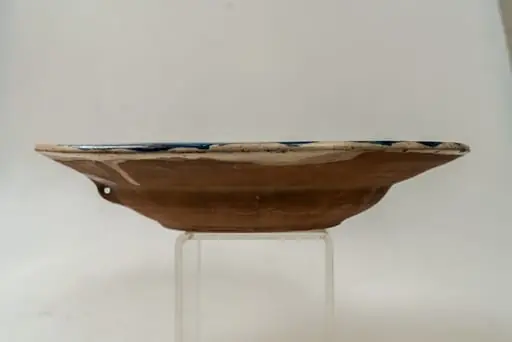 Farfurie mare, adâncă, cu corp scund și buză lată, răsfrântă. Piesa este modelată la roata olarului, angobată cu humă albă pe fața interioară a acesteia. Decorul este unul bogat, realizat prin pictare cu pensula, cu linii groase, și constă în motive decorative florale și vegetale stilizate (flori și frunze), dispuse pe toată suprafața farfuriei. Cromatica decorului: alb, albastru. Farfuria este smălțuită pe interior, cu smalț transparent.
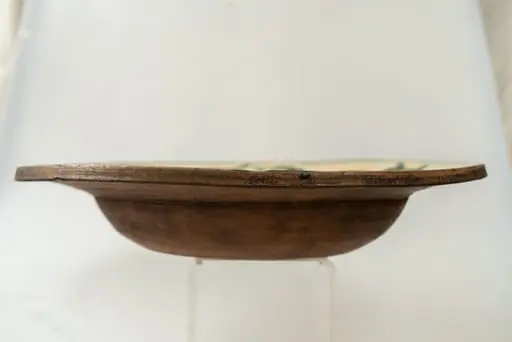 Farfurie mare, de formă adâncă, cu buză lată, răsfrântă. Piesa este modelată la roată, angobată cu humă albă pe fața interioară. Decorul este realizat prin pictare cu pensula și prin sgrafitare și este format din motive decorative florale și vegetale stilizate, dispuse pe fundul farfuriei, într-un registru central (o floare cu patru petale, înconjurată de alte patru flori cu frunze, dispuse diametral opus) și pe buza farfuriei (cinci grupuri de flori și frunze, ca cele de pe fundul farfuriei). Bordura interioară a farfuriei și muchia buzei sunt marcate de linii sub formă de cerc, de culoare verde. Pe buza farfuriei este marcat, prin sgrafitare, anul realizării piesei "1731", încadrat într-un registru decorativ sub formă de inimă. Fața interioară a farfuriei este acoperită cu un smalț transparent. Cromatica: alb, galben, verde.
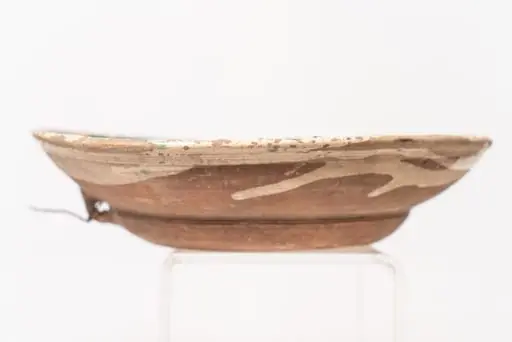 Farfurie adâncă, cu buza răsfrântă; piesa este modelată la roata olarului și angobată pe fața interioară cu humă albă. Decorul este realizat prin pictare cu pensula și cu cornul și se compune din motive florale și vegetale foarte stilizate (registrul central este format dintr-o floare sub formă de rozetă, cu patru petale verzi și patru albastre; buza farfuriei este decorată cu patru flori stilizate, posibil lalele, dispuse diametral opus iar între ele sunt pictate motive formate din linii groase verzi, sub formă de V, decorate pe exterior cu linii mici albastre și linii hașurate în interior). Cromatica: alb, verde, albastru. Fața ornamentată a farfuriei este acoperită cu un strat de smalț transparent.
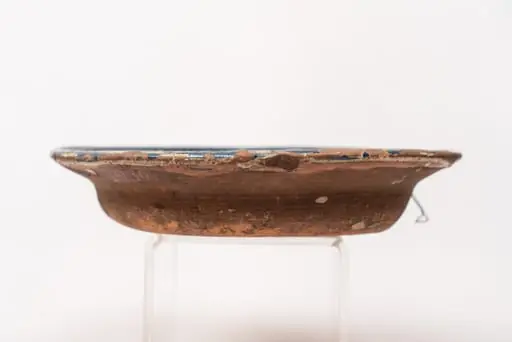 Farfurie semi-adâncă, cu buza răsfrântă; piesa este modelată la roata olarului și angobată cu humă albă pe fața interioară. Decorul monocromatic este realizat prin pictare cu cornul și cu pensula și se compune din motive florale și vegetale stilizate (o tulpină cu două flori de lalea și o floare centrală cu zece petale și frunze, pictate în zona centrală a farfuriei) și motive geometrice (grupuri de linii crescătoare și descrescătoare, șiruri de puncte, linii sub formă de spirală mică, linii hașurate). Câte o linie groasă albastră marchează muchia buzei și bordura interioară a farfuriei. Cromatica: alb, albastru. Fața ornamentată a farfuriei este acoperită cu un start de smalț transparent.
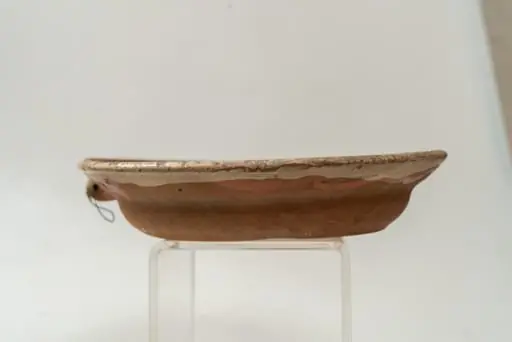 Farfurie adâncă, cu buza răsfrântă, modelată la roata olarului și angobată cu humă albă pe fața interioară a farfuriei. Decorul este pictat cu pensula și se compune din motive decorative vegetale stilizate (buchet de flori cu frunze, dispuse central, pe fundul farfuriei) și motive decorative geometrice (grupuri de linii paralele, linii sub formă de cercuri concentrice și grupuri de semicercuri umplute cu culoare) dispuse pe buza farfuriei. Cromatica: alb, verde, maro, galben ocru.
 Farfurie semi-adâncă, cu buza răsfrântă, modelată la roata olarului și angobată cu humă albă pe fața interioară. Decorul este pictat cu cornul și cu pensula și se compune din motive decorative vegetale stilizate (flori cu frunze, dispuse central, pe fundul farfuriei) și motive decorative geometrice (șapte grupuri de linii paralele,verticale, intercalate cu șapte grupuri de câte 3 linii sub formă de semicercuri umplute cu culoare galbenă și verde), dispuse pe buza farfuriei și încadrate de linii paralele sub formă de cerc. Piesa este acoperită pe fața pictată cu un strat de smalț transparent. Cromatica: alb, verde, maro, galben ocru.