Artwork
Vas ceramic de dimensiuni medii, smălțuit la interior, având formă tronconică. Blidul a fost decorat cu motive geometrizante și fitomorfe stilizate. Primul registru, dispus pe fundul piesei este format din șase flori verzi și maro, intercalate. Marginal, pe buza profilată a fost realizat cel de-al doilea registru, fiind trasate două linii circulare, care încadrează motive vegetale albastre, succesive. Blidul era folosit pentru servirea hranei. Prezintă uzură funcțională. Cromatică: fond: cărămiziu; crem; motive: albastru; maro; verde.
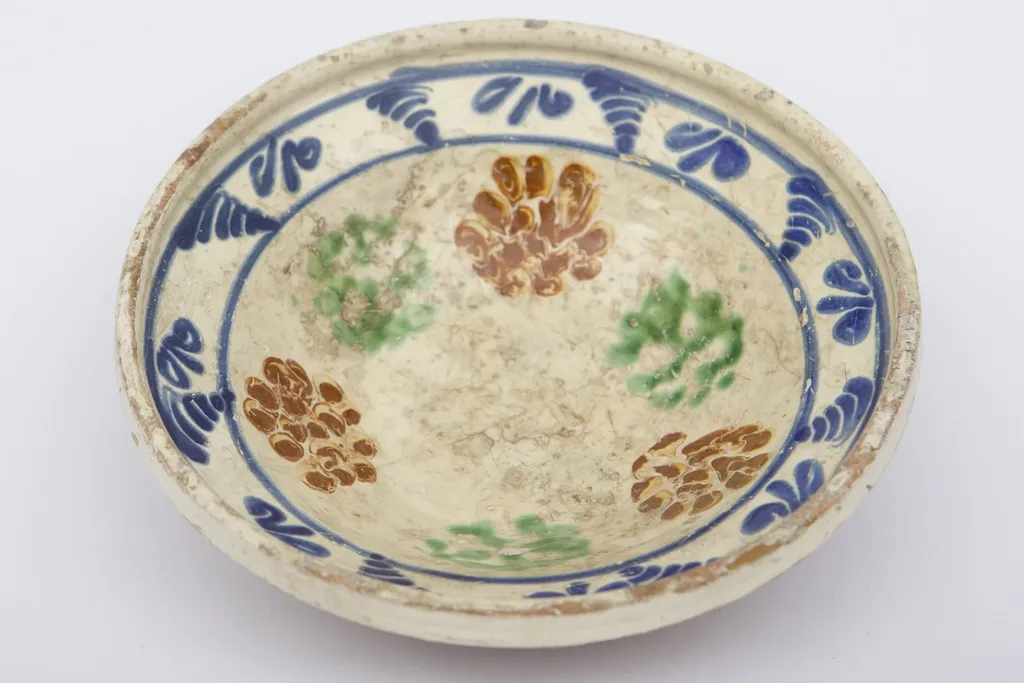
Vas ceramic de dimensiuni medii, smălțuit la interior, având formă tronconică. Blidul a fost decorat cu motive geometrizante și fitomorfe stilizate. Primul registru, dispus pe fundul piesei este format din șase flori verzi și maro, intercalate. Marginal, pe buza profilată a fost realizat cel de-al doilea registru, fiind trasate două linii circulare, care încadrează motive vegetale albastre, succesive. Blidul era folosit pentru servirea hranei. Prezintă uzură funcțională. Cromatică: fond: cărămiziu; crem; motive: albastru; maro; verde. is an unspecified painting by Unknown. It dates from 1850 and is held in the collection of the ASTRA National Museum Complex. This medium-sized ceramic dish features a conical form with an interior glaze, designed for practical use in food service.
About this work
Overview
This medium-sized ceramic dish features a conical form with an interior glaze, designed for practical use in food service.
This medium-sized ceramic dish features a conical form with an interior glaze, designed for practical use in food service. Its surface shows clear signs of wear, indicating prolonged daily handling. The decoration is restrained, relying on geometric and stylized plant motifs arranged in two horizontal bands. The color palette is limited to earthy tones—cream, brown, green, and blue—applied with deliberate simplicity.
Subject & Meaning
The decoration centers on six alternating green and brown floral forms arranged along the base, suggesting a rhythmic, repetitive motif rather than naturalistic representation. Above, a narrow band encircling the rim contains stylized leaf-like elements framed by two thin circular lines. These patterns likely reflect regional aesthetic traditions, emphasizing order and repetition over narrative or symbolic content, common in utilitarian ceramics of the period.
Technique & Style
The dish was hand-formed and glazed internally, with painted decoration applied before firing. Motifs were rendered in flat, unmodulated colors using minimal brushwork, resulting in a graphic, almost abstract quality. The two-register composition—central flowers and rim band—creates visual balance without complexity. The wear on the surface suggests the glaze and paint were not highly durable, consistent with everyday production rather than ceremonial use.
History & Provenance
Though specific origins are undocumented, the form and decoration align with regional ceramic traditions from areas where functional pottery was mass-produced in local workshops. The presence of consistent motifs and wear patterns implies standardized production methods and widespread domestic use. No known collector history exists; its survival is likely due to its durability and commonality rather than artistic distinction.
Context
This dish belongs to a broader category of utilitarian ceramics produced in the medieval or early modern period, where household items were crafted for daily needs rather than display. Similar vessels have been found in domestic contexts across Eastern Europe, often sharing comparable shapes, color schemes, and decorative layouts. Its design reflects a cultural preference for functional harmony over ornamentation.
Legacy
Though not part of elite artistic traditions, such ceramics offer insight into the material culture of ordinary life. Their repetitive motifs and modest palette reveal how aesthetic principles were embedded in everyday objects. Modern studies of similar pieces help reconstruct pre-industrial craft practices, preserving the legacy of anonymous artisans whose work shaped domestic routines for generations.
Artist & collection

 Domestic Scene
 Giacomo and Cardinal Marco, investing Andrea, Abbot of San Zeno, with his Benefice
 The Nymph of Fontainebleau
 Portrait of a Woman
 Madonna and Child with Saints in the Enclosed Garden
 Venus and Minerva
 Family Group of Four on Sofa
 Wall painting from Room H of the Villa of P. Fannius Synistor at Boscoreale
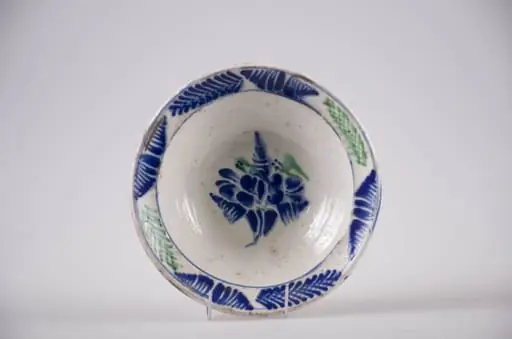 Blid de formă tronconică cu buza evazată, Smălțuit la interior. Decorul este format din ornamente florale dispuse pe motiv central: floare; motive marginale, fitomorfe: brăduț. Cromatică: verde și albastru pe fond alb.
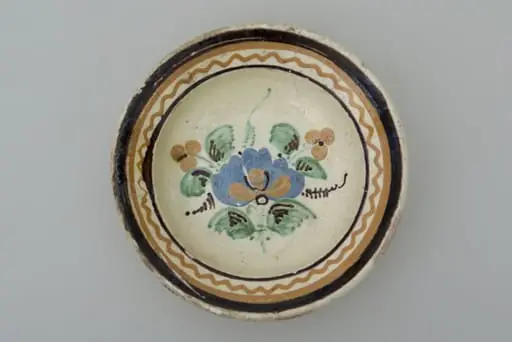 Blid de formă tronconică cu buza evazată. Smălțuit. Decorat cu motive florale: buchet, plasat pe fundul vasului și motive geoemtrice plasate pe gură: alternantă de cercuri și spirale ce se închid îm cerc. Cromatică: fond: alb; motive: maro; crem; verde; albastru.
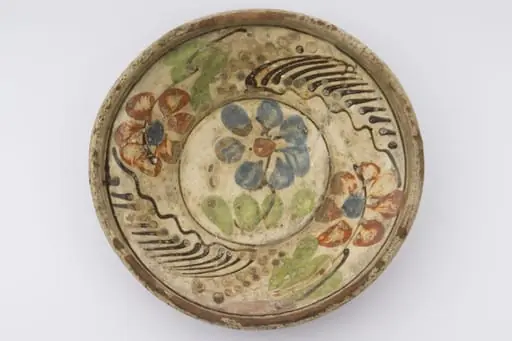 Obiect de uz casnic, realizat din lut, smălțuit la interior, de formă circulară cu profil tronconic și cu buza dreaptă. Decorat prin pictare cu pensula pe întreaga suprafață interioară a vasului cu motive vegetal-florale (flori mari cu frunze) și geometrice (linii circulare, puncte). Central, este pictată o floare albastră. Prezintă urme de uzură funcțională. Rol decorativ. Cromatică: fundal interior alb și exterior cărămiziu; motive: verde, albastru, negru, maro.
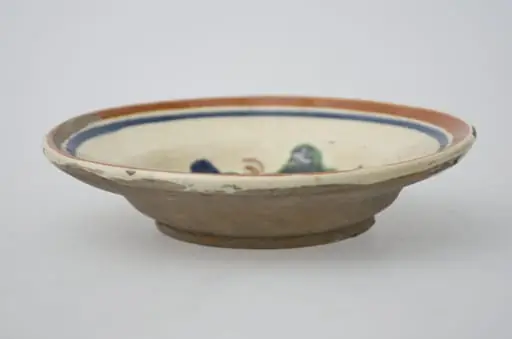 Farfurie tronconică, de dimensiuni mai mici cu pereții ușor curbați și marginea evazată. Prezintă un motiv central de tip floral; pe margine două cercuri colorate. Smălțuită numai în interior. Cromatică: fond: alb; motive; verde; albastru; brun; negru.
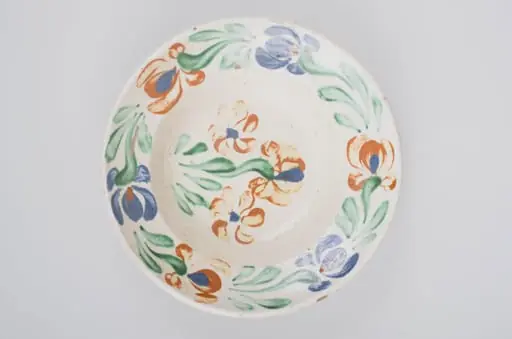 Farfurie cu fundul adâncit și buza evazată. Smălțuită numai în interior și scurgeri de smalț sub buză. Prezintă găuri pentru prinderea aței în vederea agățării. Decorată cu motive florale: central are trei flori iar pe margine un chenar floral. Cromatică: fond: alb; motive: maro; verde; albastru.
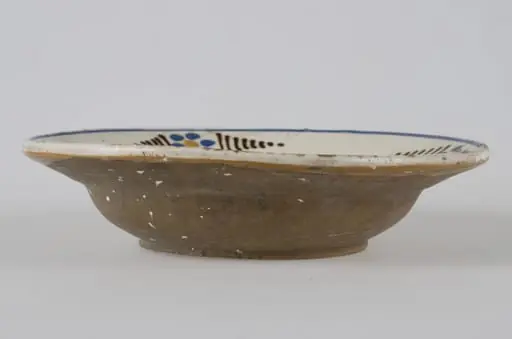 Vas adânc din lut, de formă tronconică, cu marginea evazată. Pe fundalul de culoare albă este decorat cu motive geometrice: linie circulară, linii curbe, puncte pe buza vasului; motive vegetale și florale, pe centrul vasului. Cromatică: fond: alb; motive: albastru; verde; maro; cărămiziu.
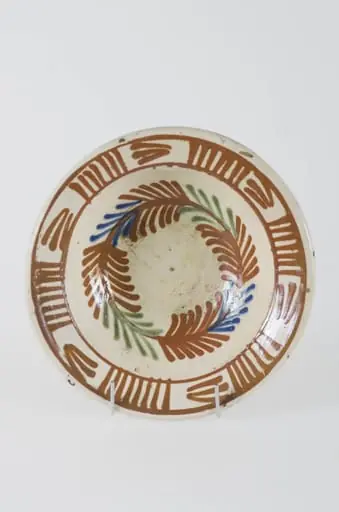 Blid de formă tronconică, lucrat la roată fiind smălțuit la interior cu smalț alb. Prezintă la exterior scurgeri de smalț și de vopsea. Buza este puternic profilată, îngroșată. Motivele decorative sunt vegetale, motivul brăduțului, pe fundul vasului, dispuse într-un registru circular, iar pe buza interioară se identifică un alt registru circular în interiorul căruia sunt pictate linii verticale paralele. Cromatică: fond: alb-gălbui; motive: cărămiziu; albastru; verde.
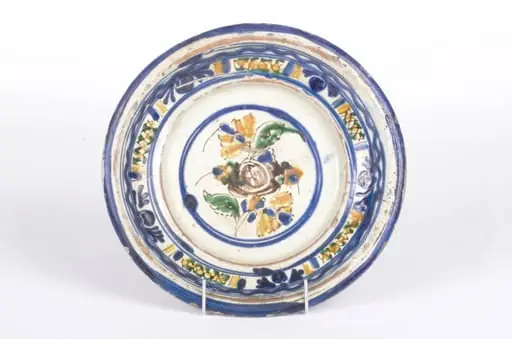 Vasul ceramic este de formă circulară, ușor adâncit, cu pereți evazați și ondulați. Decorul este amplasat pe două registre: primul registru se găsește la partea inferioară a buzei și se înscrie perimetral pe aceasta cu motive geometrice și florale (cercuri), al doilea registru este plasat central pe fundul vasului și prezintă același tip de motive. Cromatică: fond: alb-crem; motive: albastru; galben; verde; maro.
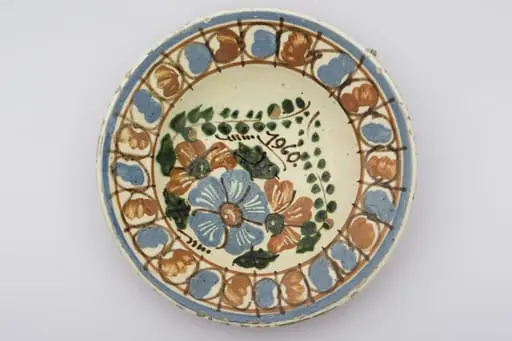 Recipient ceramic smălțuit, de formă tronconică, cu baza plată, pereții ușor ridicați și buza profilată. Peste stratul alb de angobă au fost realizate două registre ornamentate cu motive geometrizante și fitomorfe stilizate. Primul registru, situat pe fundul vasului este format din trei flori: una, centrală cu mijlocul maro și petalele albastre, celelalte două de culoare maro roșcat. Crenguțelor, pe care sunt poziționate florile, li se unesc vârfurile, deasupra cărora a fost trecută datare: „1960”. Marginal a fost realizat cel de-al doilea registru, format din boboci de culoare albastru și maro roșcat, despărțiți de linii verticale drepte. Două linii circulare drepte încadrează ultimul registru. Farfuria era utilizată în gospodărie pentru decorarea interioarelor. Prezintă uzură funcțională. Cromatică: fond: alb; motive: albastru; maro roșcat; verde.