Artwork
Formă tronconică; fond cărămiziu. În partea centrală este amplasată o floare stilizată cu petale de culoare verde și albă. Pe peretele vasului sînt amplasate două grupaje florale, compuse fiecare din două lalele de culoare verde și trei flori albe cu cinci petale. Folosită la decorarea interiorului țărănesc în așa numita - cameră bună dar și în bucătărie.
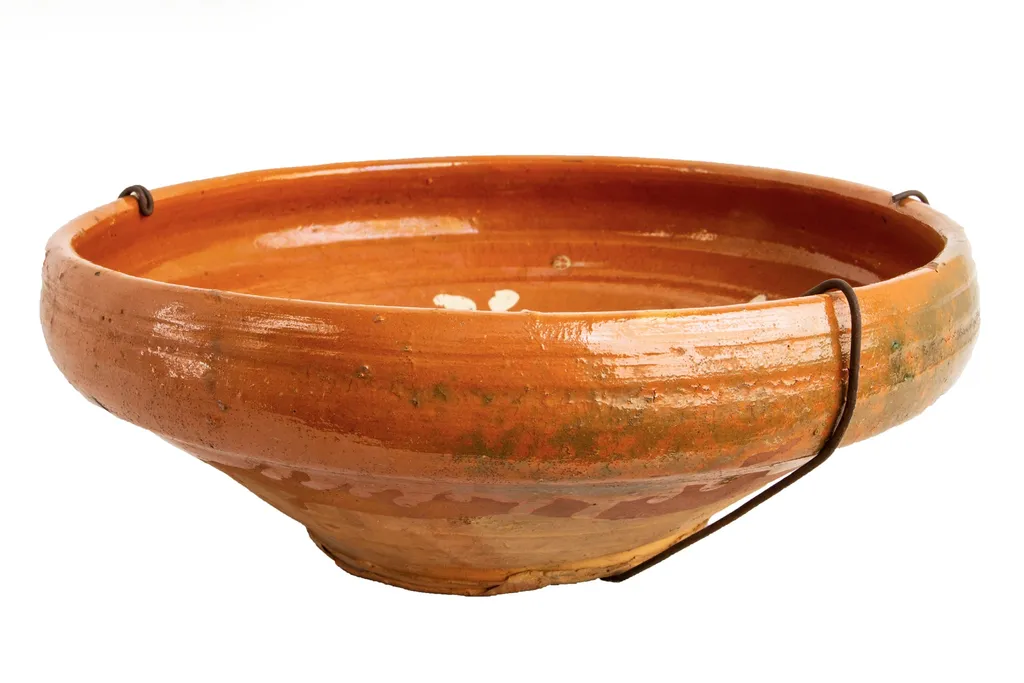
Formă tronconică; fond cărămiziu. În partea centrală este amplasată o floare stilizată cu petale de culoare verde și albă. Pe peretele vasului sînt amplasate două grupaje florale, compuse fiecare din două lalele de culoare verde și trei flori albe cu cinci petale. Folosită la decorarea interiorului țărănesc în așa numita - cameră bună dar și în bucătărie. is a print by Unknown. It dates from 1850 and is held in the collection of the Romanian Peasant Museum. This is a hand-thrown clay bowl, modest in form and worn from use.
About this work
Overview
Its surface bears the marks of time—light brown with streaks of darker earth and faint patches of greenish or bluish pigment.
This is a hand-thrown clay bowl, modest in form and worn from use. Its surface bears the marks of time—light brown with streaks of darker earth and faint patches of greenish or bluish pigment. Two simple metal handles extend from the sides, and the rim is irregular, suggesting handmade craftsmanship. The interior is smoothed but faded, indicating regular domestic use rather than ceremonial display.
Subject & Meaning
Decorative motifs include a central stylized flower with white and green petals, flanked by two floral groups on the walls. Each group consists of two green buds and three white, five-petaled blooms. These patterns, drawn from rural floral traditions, likely symbolized growth, renewal, or domestic harmony. The imagery was not ornamental for show, but integrated into daily life as a quiet expression of beauty in the home.
Technique & Style
The vessel was formed from local clay and fired at low temperatures, resulting in a porous, earth-toned body. Painted designs were applied in mineral-based pigments, now faded, using a brush or simple tool. The floral patterns are schematic, not naturalistic, reflecting a folk aesthetic that prioritized rhythm and repetition over detail. The uneven rim and worn surface confirm handcrafting without industrial refinement.
History & Provenance
This bowl originated in a rural Romanian household, likely from the late 19th or early 20th century. It was used in the 'cameră bună'—the best room—or in the kitchen, where functional pottery was both practical and culturally resonant. Its survival suggests it was valued enough to be preserved, though never considered a collectible object in its time. It entered museum collections as part of efforts to document everyday rural life.
Context
In traditional Romanian homes, pottery like this was part of a broader material culture where utility and symbolism intertwined. Decorated vessels were common in domestic spaces, contrasting with plain ware used for storage or cooking. The floral motifs echoed seasonal cycles and local botany, linking household objects to the rhythms of agricultural life and folk belief systems.
Legacy
Today, this bowl stands as a quiet testament to vernacular craftsmanship. It is preserved not for rarity or artistry, but for its testimony to ordinary life. Museums display such objects to illustrate how aesthetic expression was embedded in daily routines, offering insight into values and aesthetics that rarely found place in formal art histories.
Artist & collection

 Domestic Scene
 Giacomo and Cardinal Marco, investing Andrea, Abbot of San Zeno, with his Benefice
 The Nymph of Fontainebleau
 Portrait of a Woman
 Madonna and Child with Saints in the Enclosed Garden
 Venus and Minerva
 Family Group of Four on Sofa
 Wall painting from Room H of the Villa of P. Fannius Synistor at Boscoreale
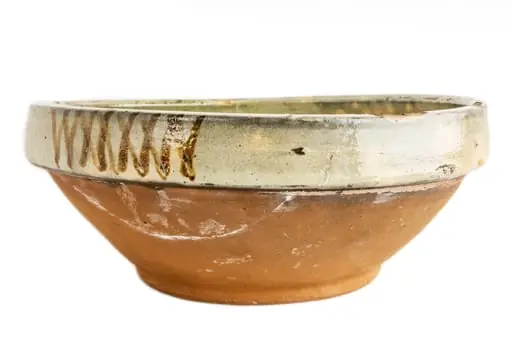 Formă tronconică; fond alb - cenușiu; în centru este amplasată o floare cu petale verzi peste care a fost suprapusă o alta cu petale de culoare cărămizie; sub buza vasului este dispus un cerc de culoare maro. În exterior sub buza vasului pe un fond alb sînt amplasate romburi de culoare maro cu galben. Folosită la decorarea interiorului țărănesc în așa numita - cameră bună.
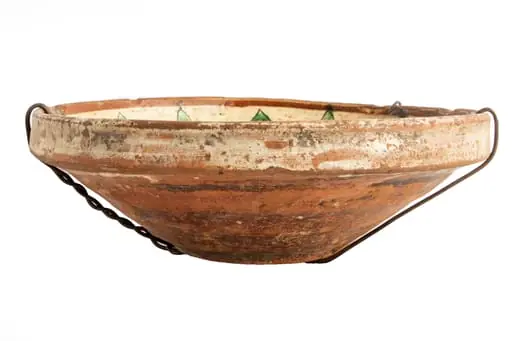 Formă tronconică; fond alb. În partea centrală în interiorul unui cerc de culoare maro este amplasată o compoziție florală formată dintr-o floare cu petale de culoare verde și galbenă încadrată de patru lalele cu petale verzi și corolă galbenă, care alternează decorativ cu alți patru clopoței. Contururile florilor sînt realizate prin zgrafitare. Pe peretele vasului amplasat un soare cu contururi de culoare verde și raze galbene. Folosită la decorarea interiorului țărănesc în așa numita - cameră bună dar și în bucătărie.
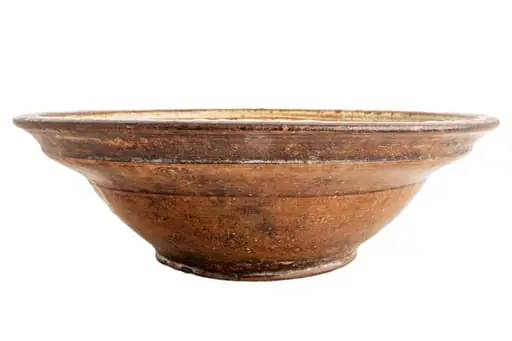 Formă tronconică; fond cărămiziu. În partea centrală sînt dispuse puncte de culoare albă (majoritatea cu smalțul sărit) sub forma unei flori, încadrate de o spirală de culoare maro închis și o bandă circulară de culoare albă. Pe peretele vasului sînt amplasate cinci frunze de culoare albă și o bandă circulară de culoare maro închis decorată cu puncte de culoare albă. Buza vasului prezintă grupuri de puncte de culoare albă pe un fond maro închis. Folosită la decorarea interiorului țărănesc în așa numita - cameră bună.
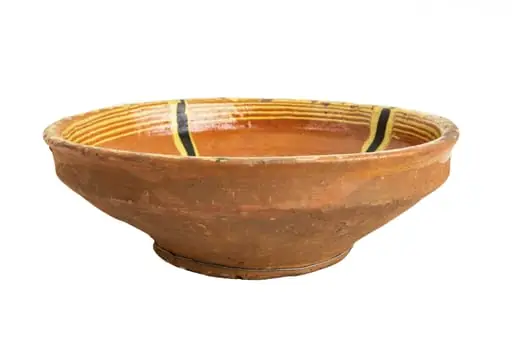 Formă tronconică; fond cărămiziu. Pe fundul vasului, în centru este amplasată o spirală de culoare galbenă încadrată de o serie de cercuri concentrice subțiri de aceeași culoare. Pe peretele vasului sînt dispuse vertical patru linii de culoare brună cu contururi galbene. Buza vasului este decorată cu un val circular de culoare galbenă.
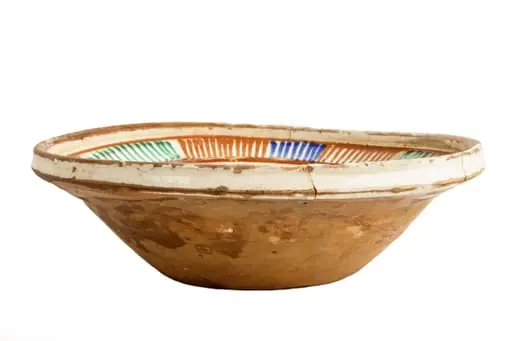 Formă tronconică; fond alb; în centrul vasului sînt amplasate nouă flori cu petale triunghiulare: patru de culoare cărămizie, două albastre, două verzi, una cu petale albastre și verzi. Sub buza vasului într-o bandă circulară delimitată de două cercuri cărămizii sînt amplasate grupuri de linii oblice paralele colorate cărămiziu, verde și albastru ce alternează cromatic. Folosită la decorarea interiorului țărănesc în așa numita - cameră bună.
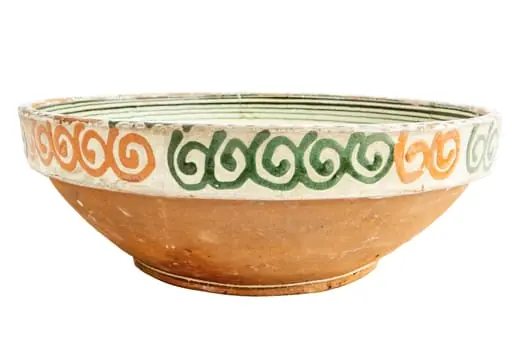 Formă tronconică; fond alb. În centru un grup de pete de culoare verde, galbenă, portocalie, cărămizie, realizat prin stropire cu pensula este încadrat de o bandă circulară jirăvită cu gaița, de culoare verde și de un val circular cărămiziu. Buza vasului decorată cu un val de culoare verde. Folosită la decorarea interiorului țărănesc în așa numita - cameră bună.
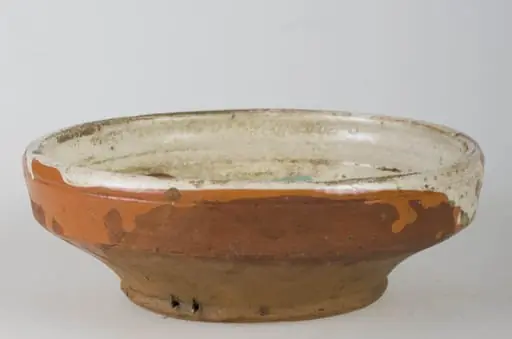 Blidul de formă tronconică este adânc, smălțuit la interior. Acesta este ornamentat cu motive florale, având cu buza înaltă. Totuși, este neornamentat la exterior, fiind smălțuit (la exterior) doar pe buză. Pe exteriorul buzei este incizată o linie. Fundul obiectului are formă circulară, fiind prevăzut cu două orificii pentru prindere. Cromatică: fond: cărămiziu (exterior); alb (interior); decor: verde; albastru; cărămiziu.
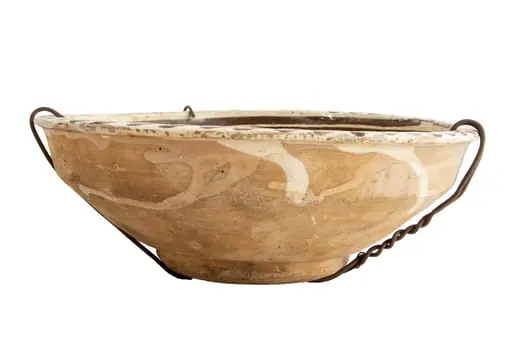 Formă tronconică; fond alb fildeșiu; pe fundul vasului este amplasată o spirală de culoare maro închis încadrată de semicercuri cu contur maro și interior de culoare verde; pe peretele vasului este amplasată o bandă circulară mai lată decorată cu motivul specific centrului: pînza de păianjen - realizată prin tehnică jirăvirii cu gaița. Întreaga compoziție este încadrată de un soare stilizat cu raze de culoare galben - portocaliu. Buza este decorată cu un val circular de culoare brună. Piesa reprezintă una dintre primele achiziții ale lui Alexandru Tzigara Samurcaș. Folosită la decorarea interiorului țărănesc în așa numita - cameră bună
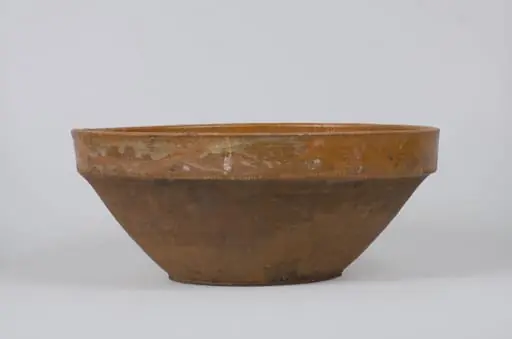 Vas de formă tronconică, foarte adâncită, cu buza înălțată. Este smălțuit în interior și exterior. În zona mediană interioară a vasului se identifică un registru decorativ alcătuit din motive florale și vegetale stilizate, geometrice (punctul și cercul) iar pe fundul vasului se identifică un cerc realizat din puncte. Motivele decorative sunt realizate prin pictare, foarte șterse. Cromatică: fond cărămiziu; verde; galben.
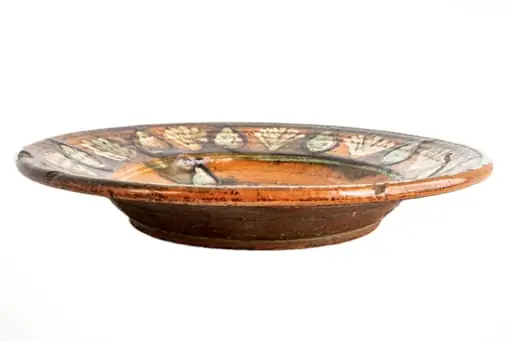 Formă tronconică; fond roșu - cărămiziu; culori: brun, alb, verde. În centru farfuriei este amplasată o floare cu trei petale cu tijă lungă, dreaptă și patru petale de culoare alb verzui; perete farfuriei decorat cu un șir de flori stilizate de culoare albă cu petale dispuse sub formă de evantai, alternînd decorativ cu frunze ovoidale de culoare verde încadrate de două cercuri de culoare brun închis.
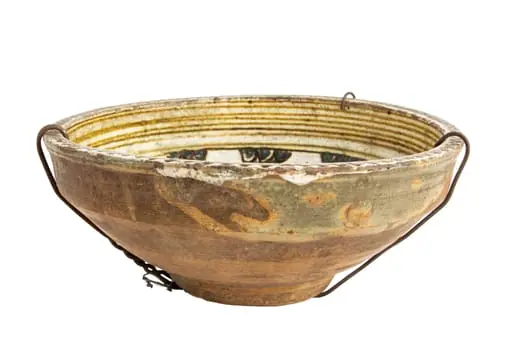 Formă tronconică; fond alb. Decorul, pictat pe fond alb și amplasat în centrul farfuriei, este reprezentat de o spirală dispusă central, de culoare maro încadrată de un soare stilizat cu șase raze. Pe peretele vasului este amplasat un soare de culoare albă cu nouă raze. Între razele soarelui sînt amplasate triunghiuri de culoare maro închis formate din alăturarea unor semicercuri. Sub buza vasului sînt amplasate mai multe cercuri concentrice de culoare maro. Buza farfuriei este decorată cu un val de culoare maro Folosită la decorarea interiorului țărănesc în așa numita - cameră bună.