Artwork
Fourteen drawings of occupations.
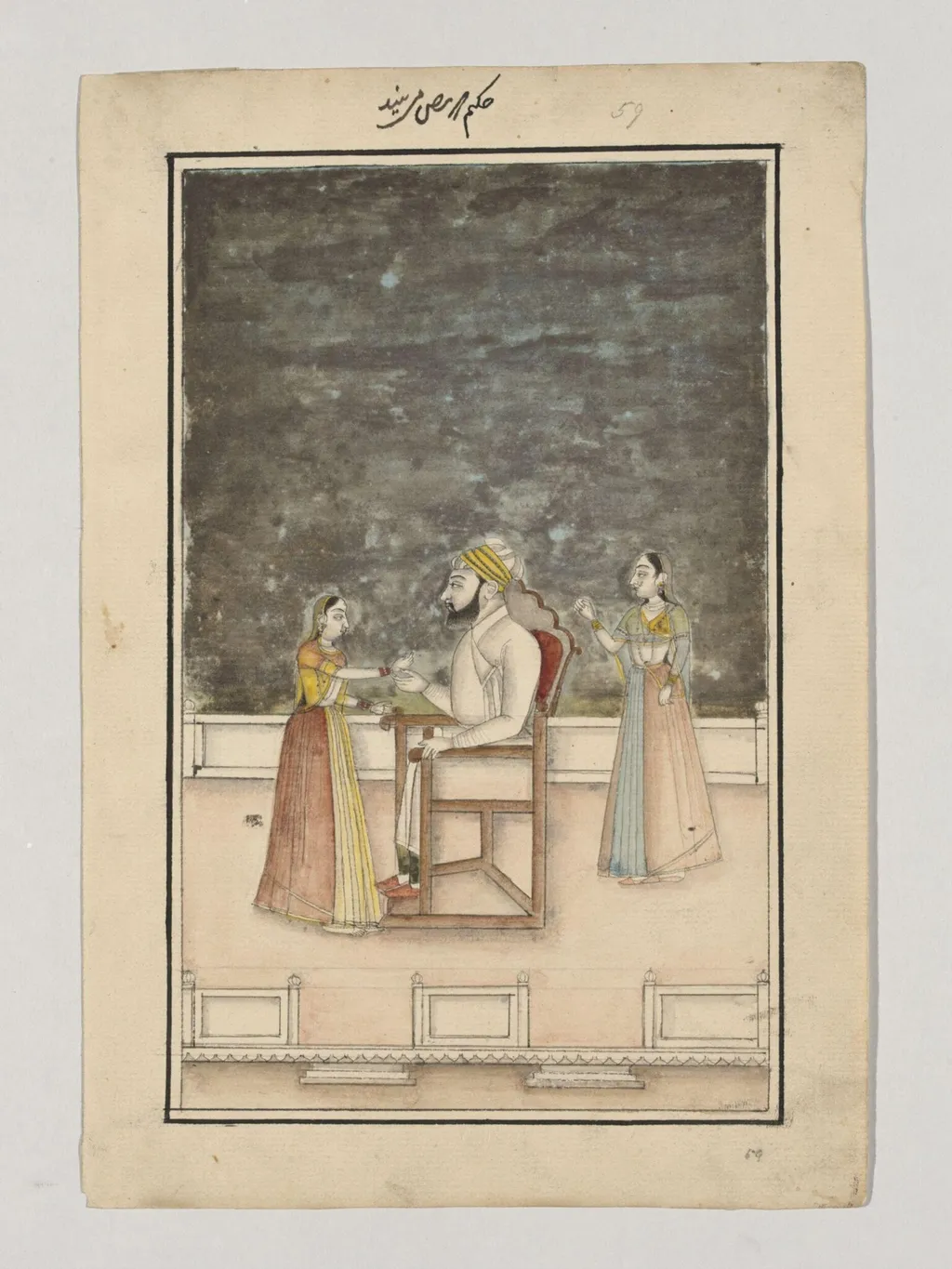
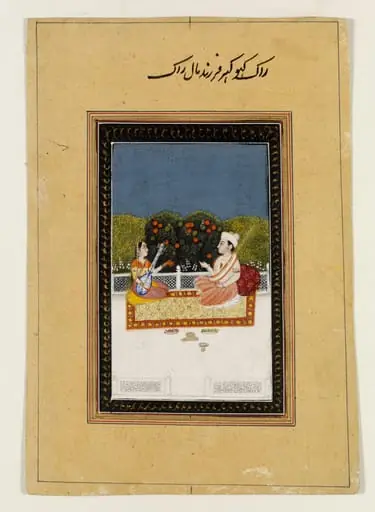
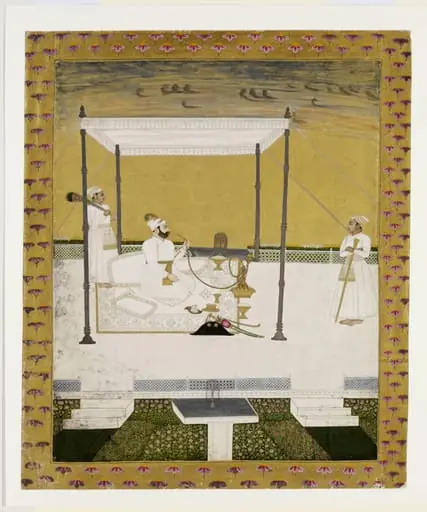
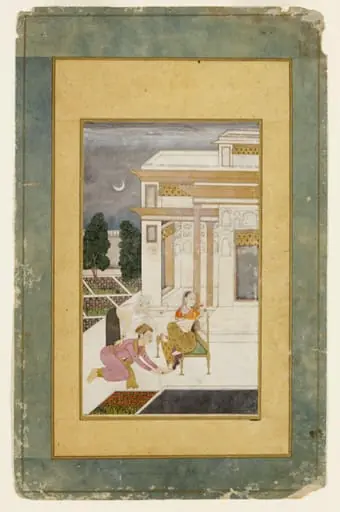
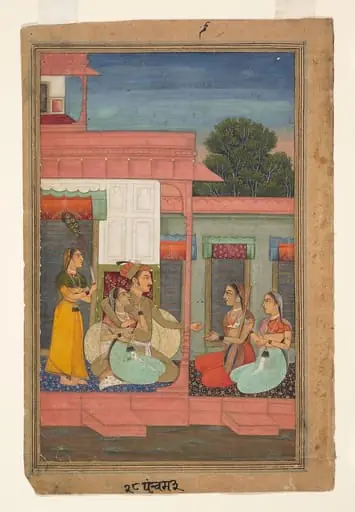
Fourteen drawings of occupations. is a paint painting by the Impressionist artist Unknown. It dates from 1850 and is held in the collection of the Victoria and Albert Museum. This work is a set of fourteen ink drawings depicting daily labor in a South Asian context, created in the late 18th or early 19th century.
About this work
Overview
This work is a set of fourteen ink drawings depicting daily labor in a South Asian context, created in the late 18th or early 19th century.
This work is a set of fourteen ink drawings depicting daily labor in a South Asian context, created in the late 18th or early 19th century. Though labeled as a painting, the medium is actually ink and watercolor on paper. The drawings capture ordinary people at work, rendered with minimal detail and an emphasis on gesture rather than precision. The style reflects a tradition of observational art common in regional courts during the period.
Subject & Meaning
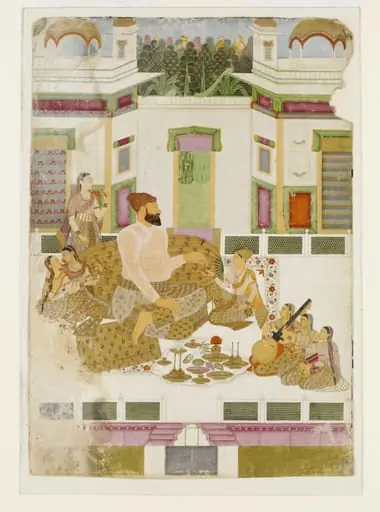
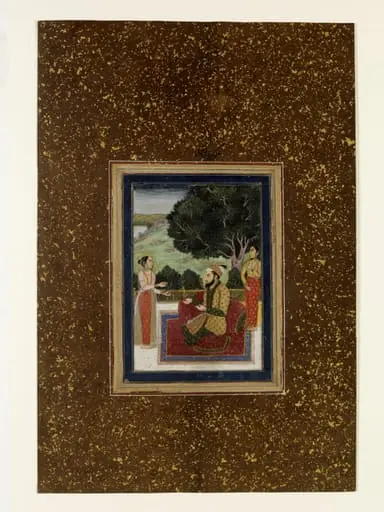
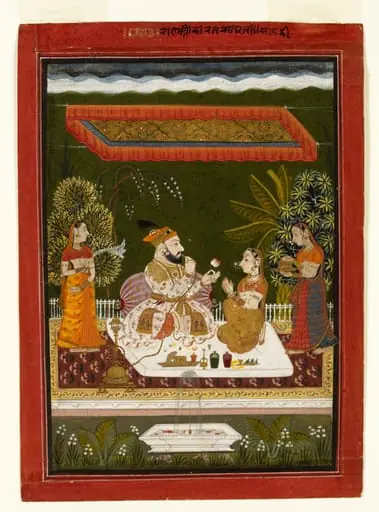
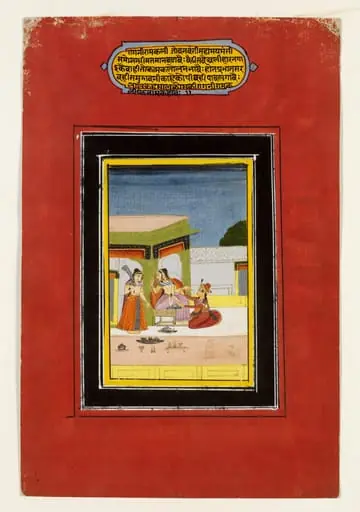
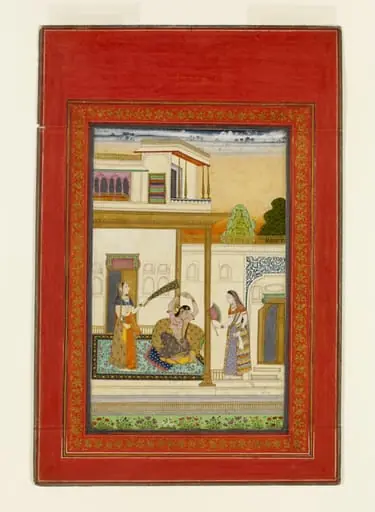
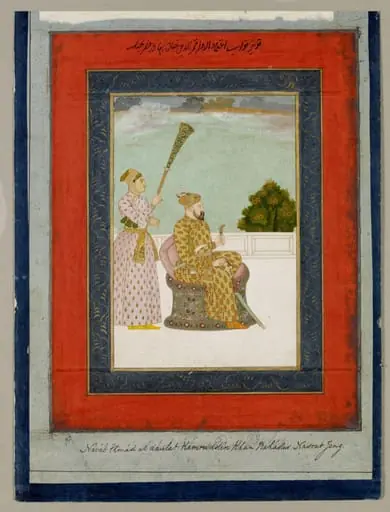
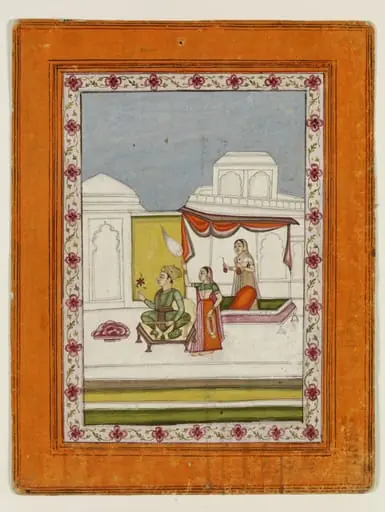
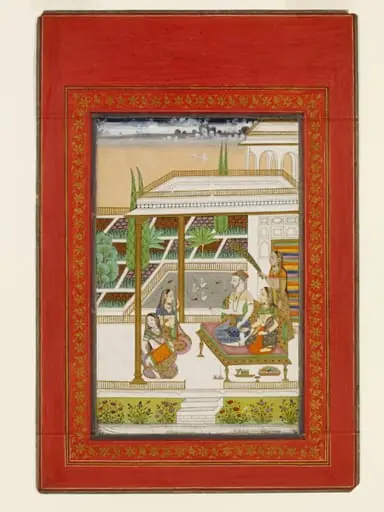
The drawings portray a range of professions—from artisans and servants to street vendors—offering a quiet record of social roles. One scene shows a man in a turban receiving an object from a woman, while another holds a fan, suggesting domestic or ceremonial service. These images do not idealize labor but present it as routine, grounding the viewer in the rhythms of everyday life without narrative flourish or moral commentary.
Technique & Style
Executed in loose, fluid ink lines with subtle washes of color, the drawings prioritize movement and atmosphere over anatomical accuracy. Forms are suggested rather than defined, and backgrounds are often left sparse or blank. The restrained palette and sketch-like quality reflect an aesthetic rooted in immediacy, aligning with a broader South Asian tradition of documenting life through rapid, intimate observation.
History & Provenance
The drawings likely originated in northern India, possibly under the patronage of a local ruler or European collector during the colonial era. They were later acquired by the Victoria and Albert Museum, where they remain part of a larger collection of Indian graphic art. Their survival suggests they were valued as ethnographic records, though their original purpose—whether decorative, instructional, or archival—remains uncertain.
Context
These works emerged during a time when Indian artists increasingly documented local customs for both domestic and foreign audiences. European traders and administrators showed interest in indigenous crafts and labor, prompting local studios to produce series like this. The drawings sit at the intersection of indigenous artistic practice and colonial curiosity, preserving glimpses of life often excluded from grand historical narratives.
Legacy
The series contributes to the understanding of pre-modern Indian visual culture beyond religious or royal themes. By focusing on laborers and domestic settings, the drawings offer a counterpoint to the more ornate courtly art of the period. Today, they serve as valuable references for scholars studying social history, material culture, and the evolution of Indian drawing traditions.
Artist & collection

 Domestic Scene
 Giacomo and Cardinal Marco, investing Andrea, Abbot of San Zeno, with his Benefice
 The Nymph of Fontainebleau
 Portrait of a Woman
 Madonna and Child with Saints in the Enclosed Garden
 Venus and Minerva
 Family Group of Four on Sofa
 Wall painting from Room H of the Villa of P. Fannius Synistor at Boscoreale