Artwork
Gateway to the Taj Mahal
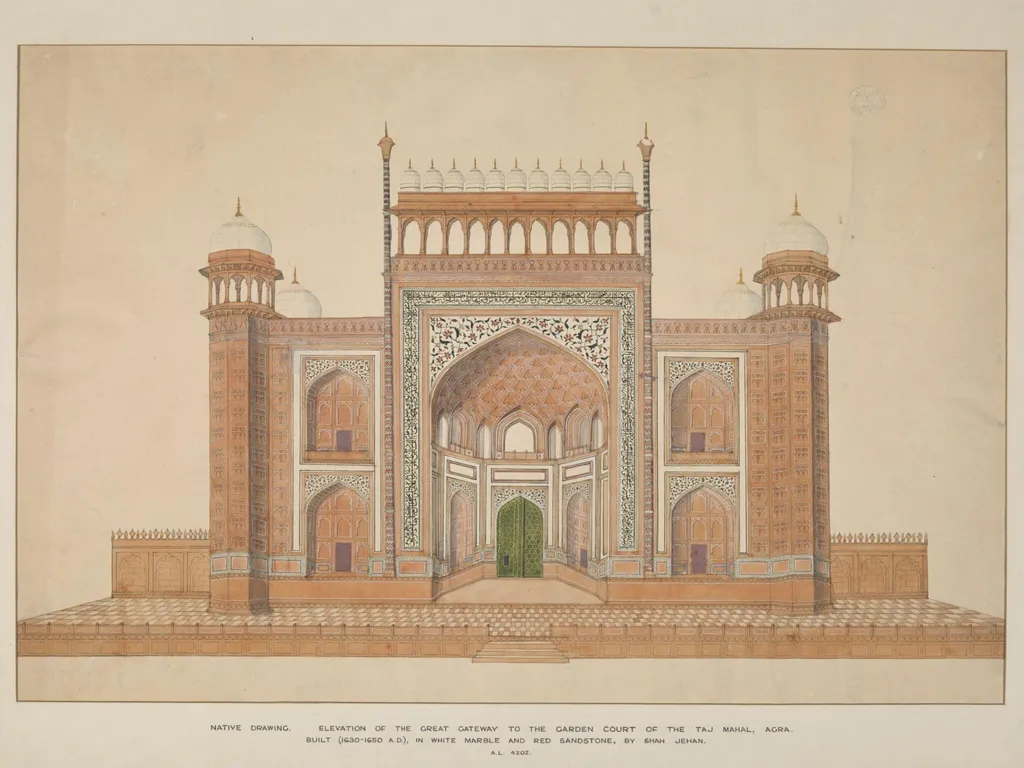
Gateway to the Taj Mahal is a paint painting by the Patna School of Painting artist Unknown. It dates from 1820 and is held in the collection of the Victoria and Albert Museum. This work is a 19th‑century Indian painting created for European patrons, particularly officials of the British East India Company.
About this work
Overview
This work is a 19th‑century Indian painting created for European patrons, particularly officials of the British East India Company. It portrays the monumental arched entrance that leads to the Taj Mahal, the famed Mughal mausoleum on the banks of the Yamuna River.
Subject & Meaning
The composition focuses on the red‑brick gateway, its pietra dura inlay and the gleaming white marble of the Taj’s façade, illuminated by sunlight. The scene emphasizes the grandeur of the imperial complex and the solemn approach to the tomb of Mumtaz Mahal, the beloved wife of Emperor Shah Jahan.
Technique & Style
Executed by an Indian court artist, the painting combines traditional Mughal detailing—precise architectural rendering and decorative motifs—with a perspective and shading that reflect European tastes. The use of vivid colour, careful modelling of light, and a flattened background are characteristic of Company‑style works.
History & Provenance
Commissioned for British residents in colonial India, the piece circulated among East India Company officials before entering a European collection. It now resides in a museum holding a substantial number of Company paintings, illustrating the cross‑cultural visual exchange of the period.
Context
The gateway, constructed of red sandstone with intricate inlay work, was part of the Taj Mahal complex begun in 1632 and completed in 1643. The painting records the site as it appeared in the early 19th century, a time when the monument was already celebrated as a symbol of Mughal architecture and a destination for colonial travelers.
Artist & collection

 Domestic Scene
 Giacomo and Cardinal Marco, investing Andrea, Abbot of San Zeno, with his Benefice
 The Nymph of Fontainebleau
 Portrait of a Woman
 Madonna and Child with Saints in the Enclosed Garden
 Venus and Minerva
 Family Group of Four on Sofa
 Wall painting from Room H of the Villa of P. Fannius Synistor at Boscoreale
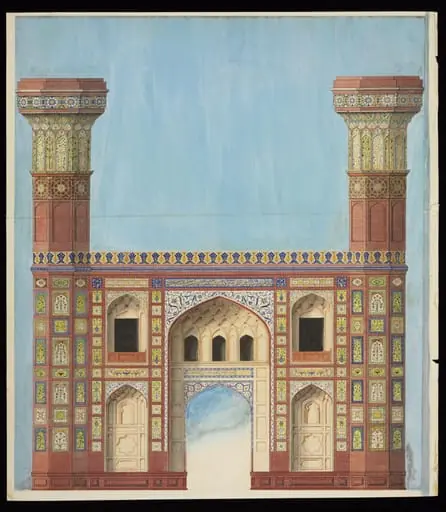 Untitled
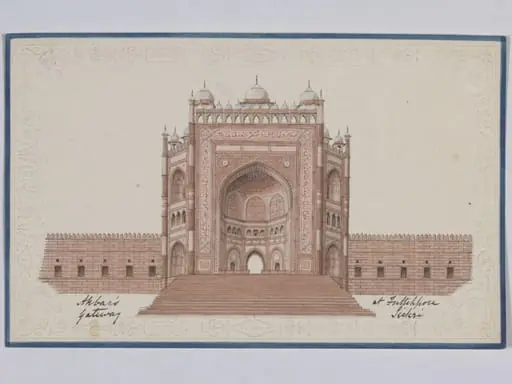 The Buland Darwaza of the Jami Masjid, Fatehpur Sikri
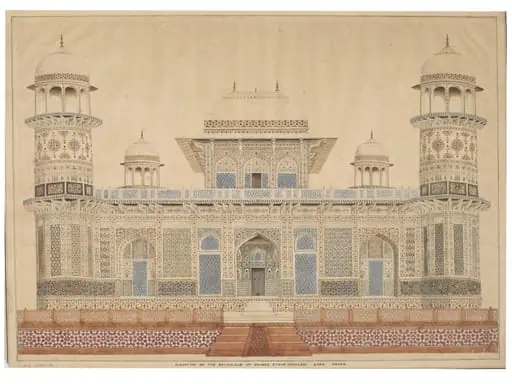 Mausoleum of Itimad ud-Daula.
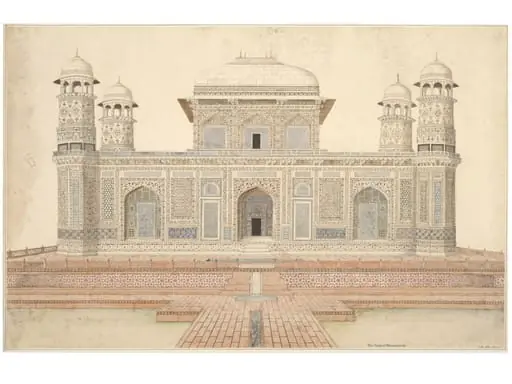 The facade of the tomb of I'timad ad-daula and his wife Asmat Begum, Agra.
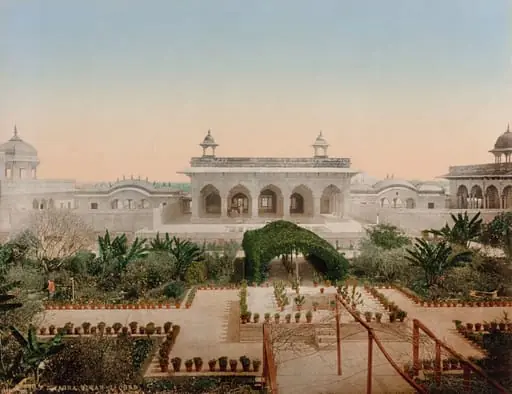 Agra. Diwan-i-Chas
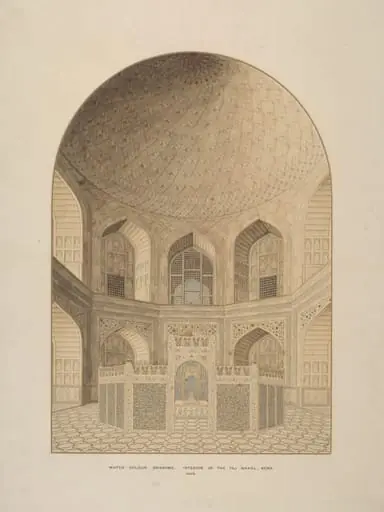 Interior of the Tomb Chamber, Taj Mahal, Agra
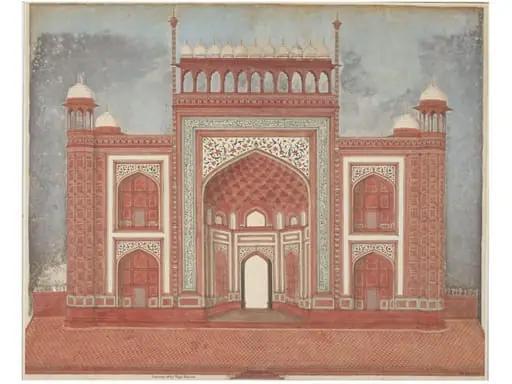 Elevation of the great gateway of the garden court of the Taj Mahal.
 Cairo: Palace of the Cadi