Artwork
Agra. Diwan-i-Chas
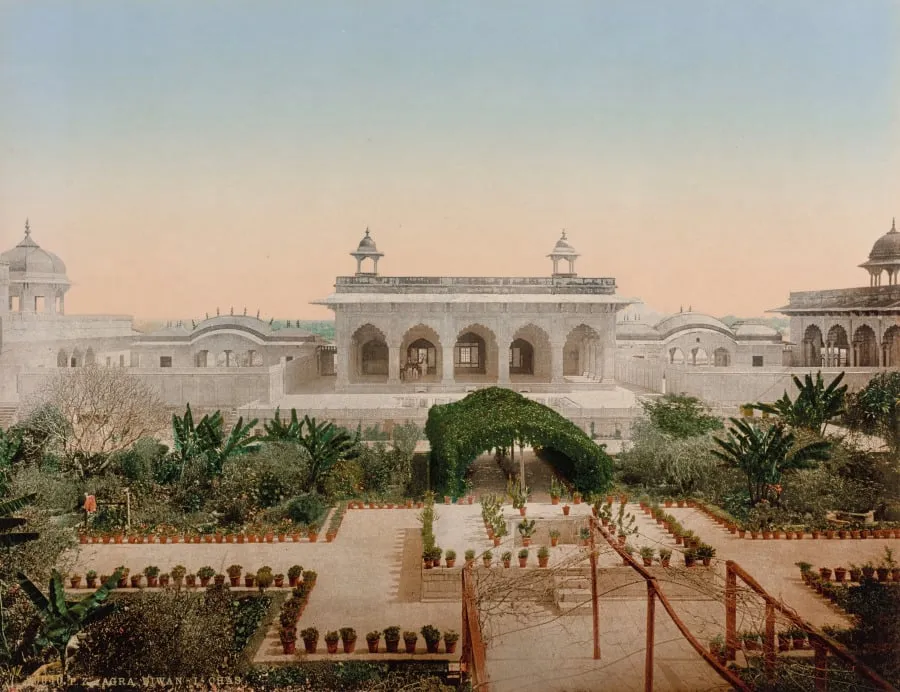
Agra. Diwan-i-Chas is a photography by the Impressionist artist Photoglob Co.. It dates from 1890 and is held in the collection of the Cleveland Museum of Art.
About this work
The mix of European and local clothing shows how cultures were blending—or clashing—at the time.
This is a big, open hall with red sandstone walls and white marble arches. Tiny people walk in and out, some in suits, others in long robes. The building is surrounded by green gardens.
The hall was built by the same emperor who made the Taj Mahal. The photo was taken in 1890, when British rule was changing India. The mix of European and local clothing shows how cultures were blending—or clashing—at the time.
Look up other photos of India, 19th century to see more of this moment.
Overview
The photograph captures the Diwan-i‑Chas, the Hall of Private Audiences in Agra, an expansive space defined by red sandstone walls and white‑marble arches that open onto cultivated gardens. The image, taken in 1890, presents a bustling scene of figures moving through the hall, their diminutive scale underscoring the monument’s monumental architecture.
Subject & Meaning
The hall served as a venue where Shah Jahan and his successors received courtiers and distinguished visitors. In the photograph, men in European suits and others in traditional Indian robes pass through the space, reflecting the cultural intersections present in late‑colonial India.
Technique & Style
Photographed with the equipment of the late nineteenth century, the image relies on a wide‑angle perspective that emphasizes depth and the contrast between the bright marble arches and the darker sandstone. The composition balances architectural detail with human activity, using the tiny figures to convey scale.
History & Provenance
Constructed under Shah Jahan, the same patron of the Taj Mahal, the Diwan‑i‑Chas remained a ceremonial venue for successive Mughal rulers. The 1890 photograph originates from the period of British administration, a time when imperial influence was reshaping Indian society and its visual record.
Context
During the late nineteenth century, India experienced increasing contact between European officials and local elites. The juxtaposition of Western attire and indigenous dress in the hall illustrates the complex social dynamics of the era, where collaboration and tension coexisted within imperial settings.
Artist & collection

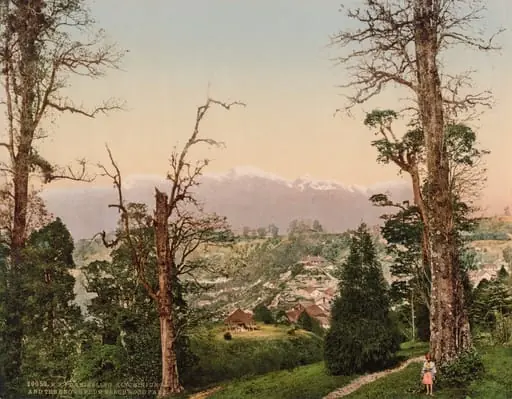 Darjeeling. Kinchinjunga and the Snows from Beechwood Park
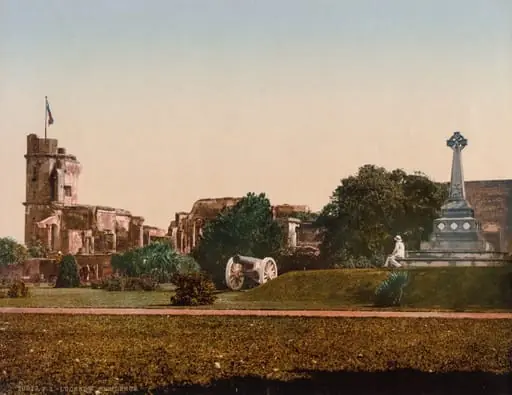 Lucknow. Residence
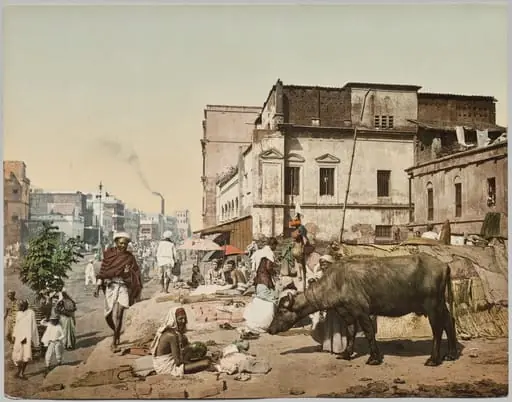 India. Calcutta. Harrison Road I with Group of Jogees, after photo by Dr. Kurt Boeck
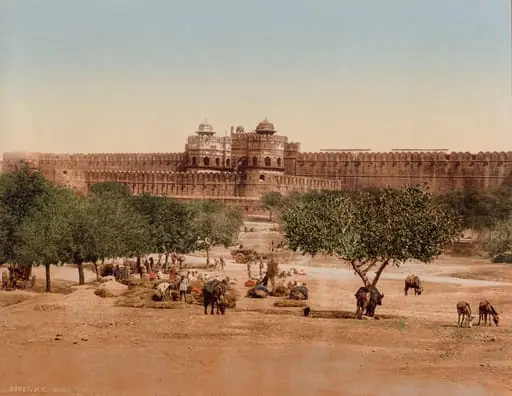 Agra. The Fort
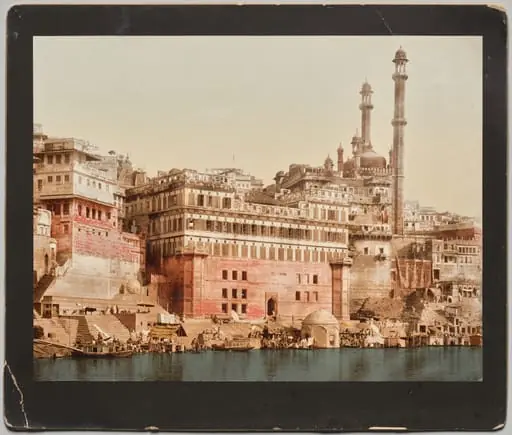 India. Benares. Aurangzeb's Mosque, after a photo by Dr. Kurt Boeck
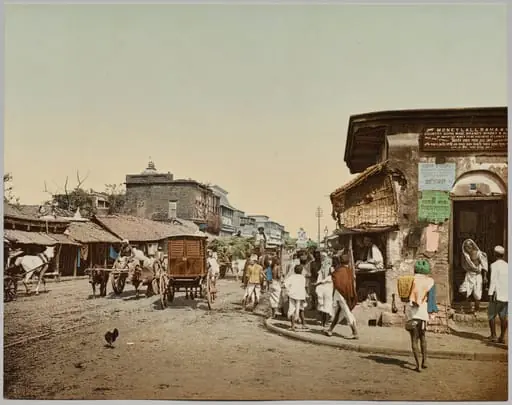 India. Calcutta. Upper Chitpore Road (A), after photo by Dr. Kurt Boeck
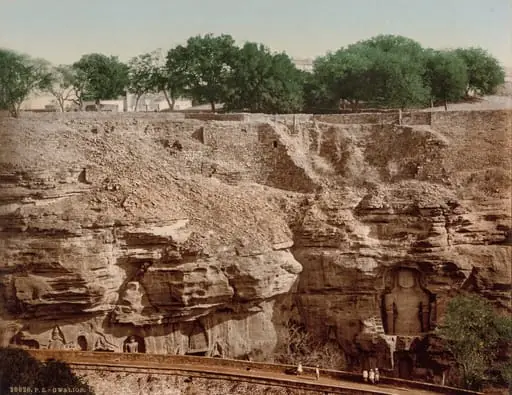 Gwalior. Urwai
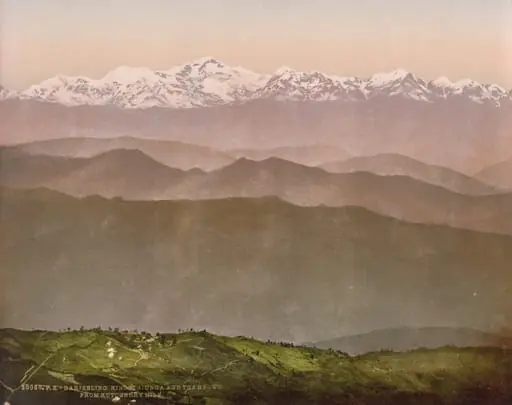 Darjeeling. Kinchinjunga and the Snows from Kutcherry Hill
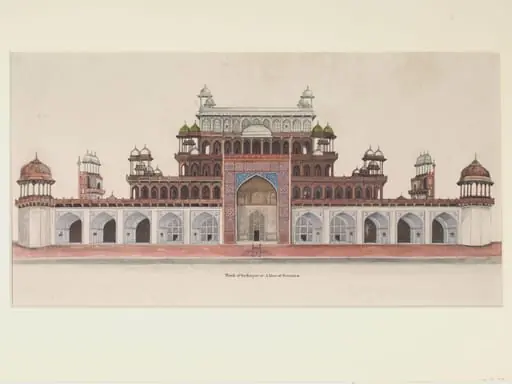 Elevation of the front of the mausoleum of the Emperor Akbar at Sikandra near Agra
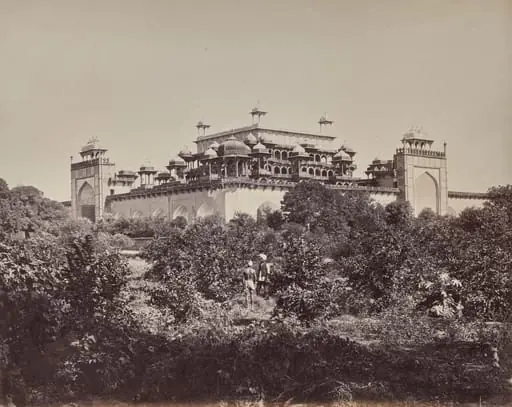 Secundra Near Agra. The Mausoleum of the Emperor Akbar
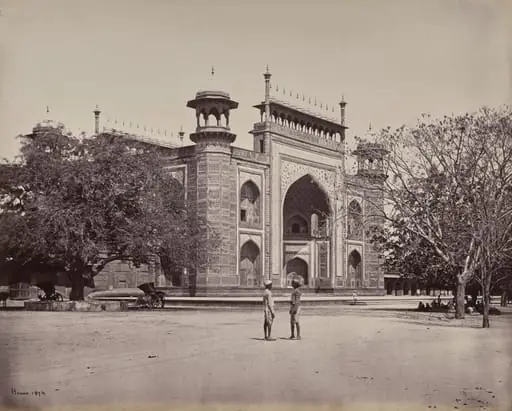 Agra. The Gateway of the Gardens Surrounding the Taj
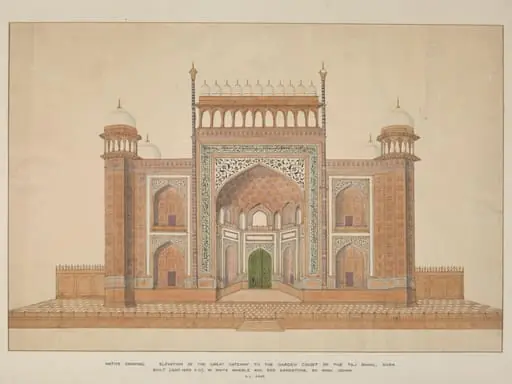 Gateway to the Taj Mahal
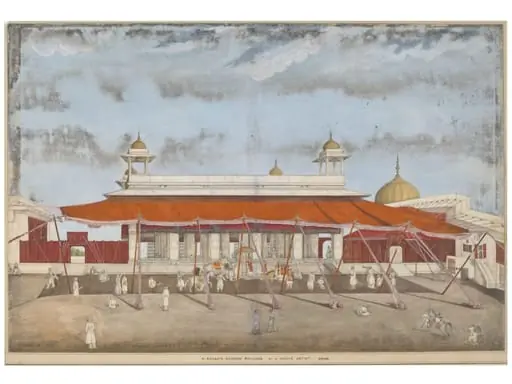 The Diwan-i Khas or Private Hall of Audience, Delhi.
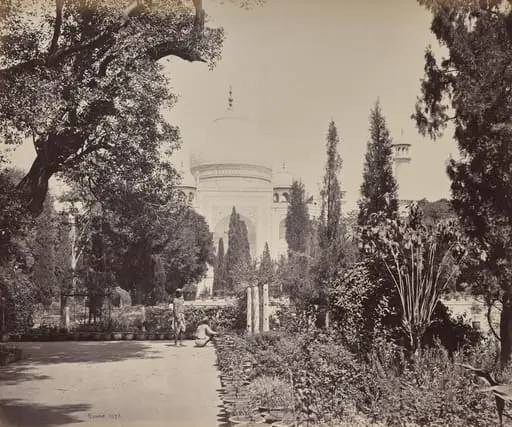 Agra. View of the Taj from the Garden
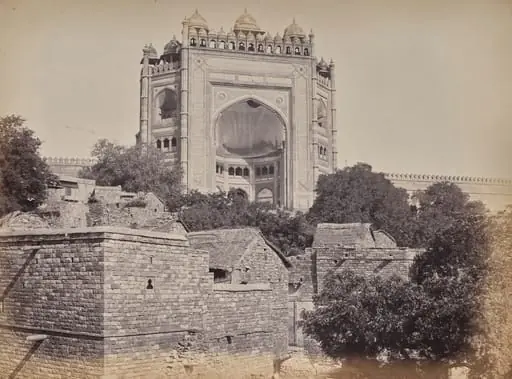 Futheypoor Sikre Guard Gate of the Fort
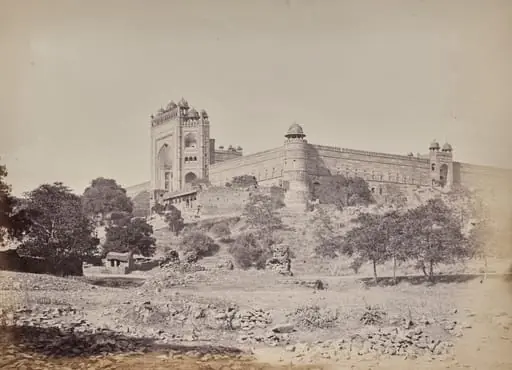 Fort of Futheypoor Sikre near Agra. The Residence of the Emperor Akbar