Artwork
Maica Domnului cu Pruncul „Vladimirskaia” (Eleusa)
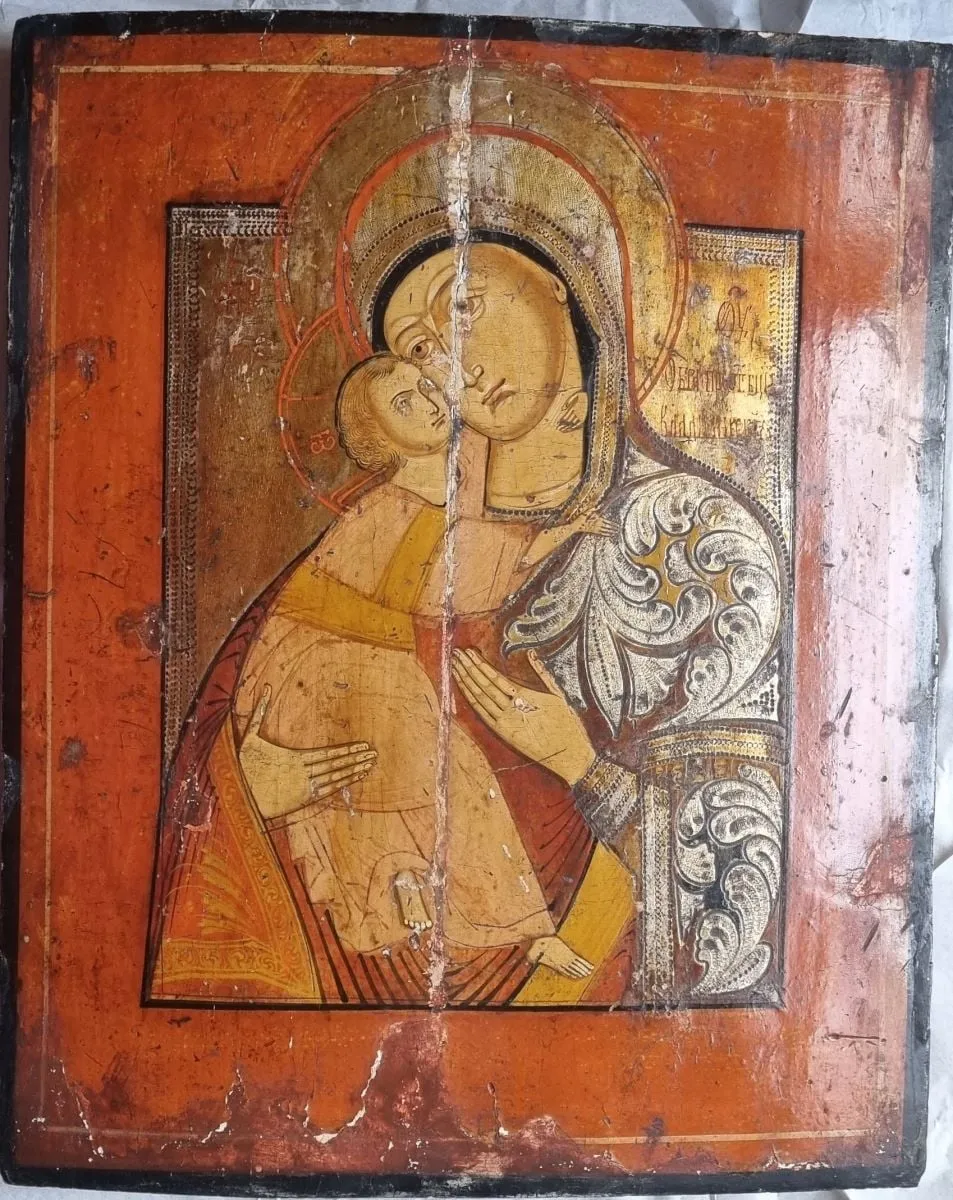
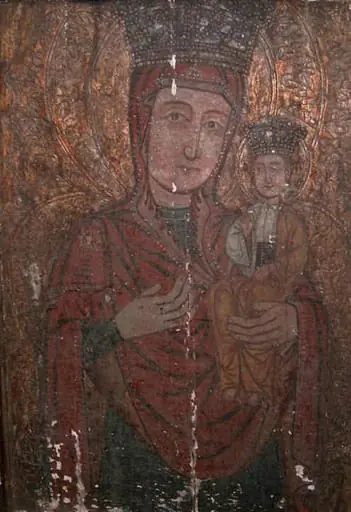
Maica Domnului cu Pruncul „Vladimirskaia” (Eleusa) is a drawing by Unknown. It dates from 1850 and is held in the collection of the George Enescu National Museum. This Byzantine-style icon depicts the Virgin Mary holding the Christ Child in a tender, frontal composition.
About this work
Overview
Both figures are rendered with elongated forms and gold-toned faces outlined in dark pigment, set against a richly patterned red and gold background.
This Byzantine-style icon depicts the Virgin Mary holding the Christ Child in a tender, frontal composition. Both figures are rendered with elongated forms and gold-toned faces outlined in dark pigment, set against a richly patterned red and gold background. The work exhibits signs of age, including a central crack and surface wear, consistent with centuries of veneration and environmental exposure.
Subject & Meaning
The image follows the Eleusa type, emphasizing maternal tenderness between Mary and Jesus. Their close embrace and mutual gaze convey spiritual intimacy rather than grandeur. The halos signify their sacred status within Orthodox Christian tradition, while the quiet, direct gaze invites contemplation rather than awe, aligning with devotional practices centered on personal connection to the divine.
Technique & Style
Painted in tempera on wood, the figures are defined by flat planes and stylized drapery, with the Virgin’s sleeve featuring intricate linear patterns. Gold leaf outlines the faces and halos, enhancing luminosity. The use of cross-hatching in shading and fabric details suggests a methodical, hand-applied technique typical of medieval iconography, prioritizing symbolic clarity over naturalistic depth.
History & Provenance
The icon is associated with the Vladimirskaya tradition, originating in Byzantium and later venerated in Kievan Rus’ and Muscovy. It likely traveled from Constantinople to Russia in the medieval period, becoming a revered object in Orthodox liturgy. Its physical condition—cracks, wear, and retouching—reflects repeated handling, processions, and restoration over several centuries.
Context
Created during a period when religious icons served as focal points for prayer and theological instruction, this work reflects the Byzantine emphasis on spiritual presence over physical realism. Its composition aligns with liturgical needs, designed for veneration in homes and churches, where the Virgin’s protective embrace symbolized divine intercession for the faithful.
Legacy
The Vladimirskaya type influenced generations of Russian icon painters, establishing a visual language for maternal divinity that endured into the early modern era. Though stylistically rooted in Constantinople, its adaptation in Slavic regions helped shape regional Orthodox identity. Surviving examples like this one remain key to understanding the transmission of religious imagery across Eastern Christian cultures.
Artist & collection
 Domestic Scene
 Giacomo and Cardinal Marco, investing Andrea, Abbot of San Zeno, with his Benefice
 The Nymph of Fontainebleau
 Portrait of a Woman
 Madonna and Child with Saints in the Enclosed Garden
 Venus and Minerva
 Family Group of Four on Sofa
 Wall painting from Room H of the Villa of P. Fannius Synistor at Boscoreale
 Maica Domnului cu Pruncul
 Maica Domnului cu pruncul Kazanskaia, Madona Neagră
 Maica Domnului cu Pruncul "Chezașa celor păcătoși"
 Madona cu Pruncul
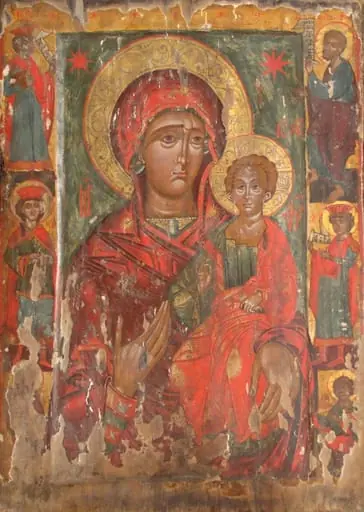 Maica Domnului cu Pruncul, flancată de prooroci
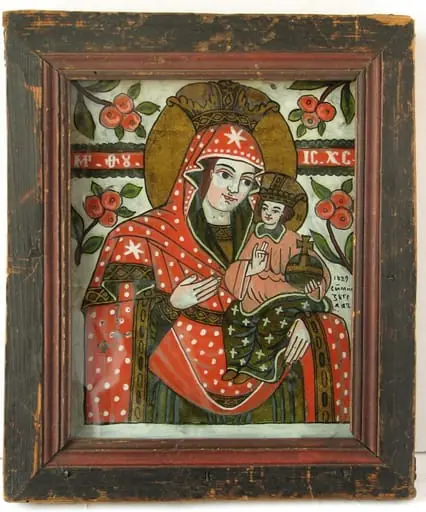 Maica Domnului cu Pruncul Iisus Hristos în brațe
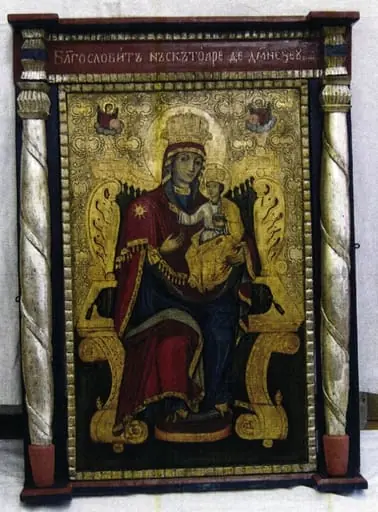 Maica Domnului cu Pruncul
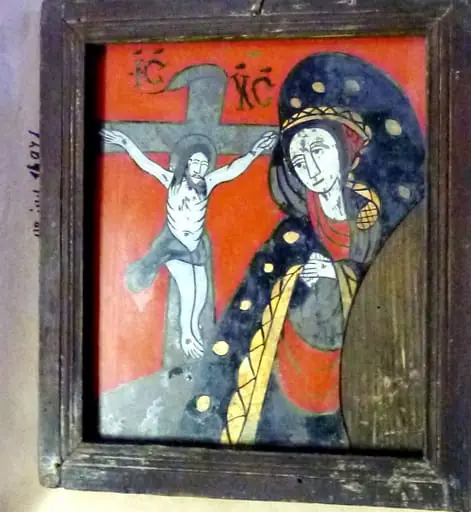 Maica Domnului Indurearata
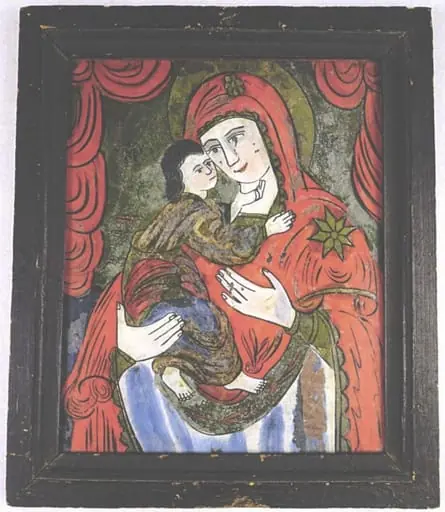 Maica Domnului Glykophilousa
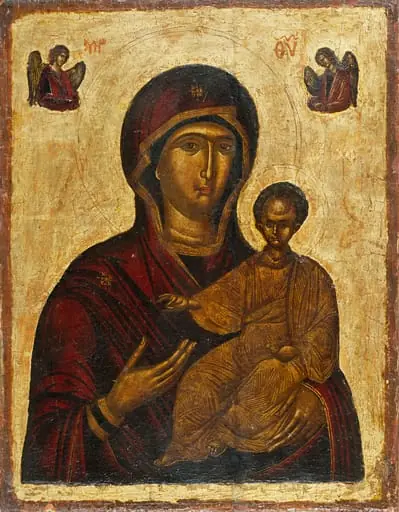 Jumalanäiti, Hodigitria - Tiennäyttäjä, bysanttilainen ikoni
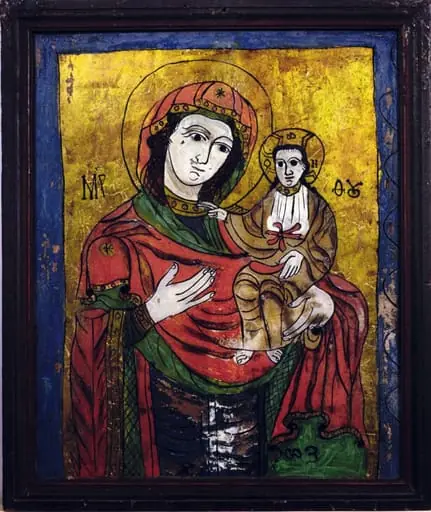 Maica Domnului cu Pruncul