Artwork
Învierea lui Iisus Hristos
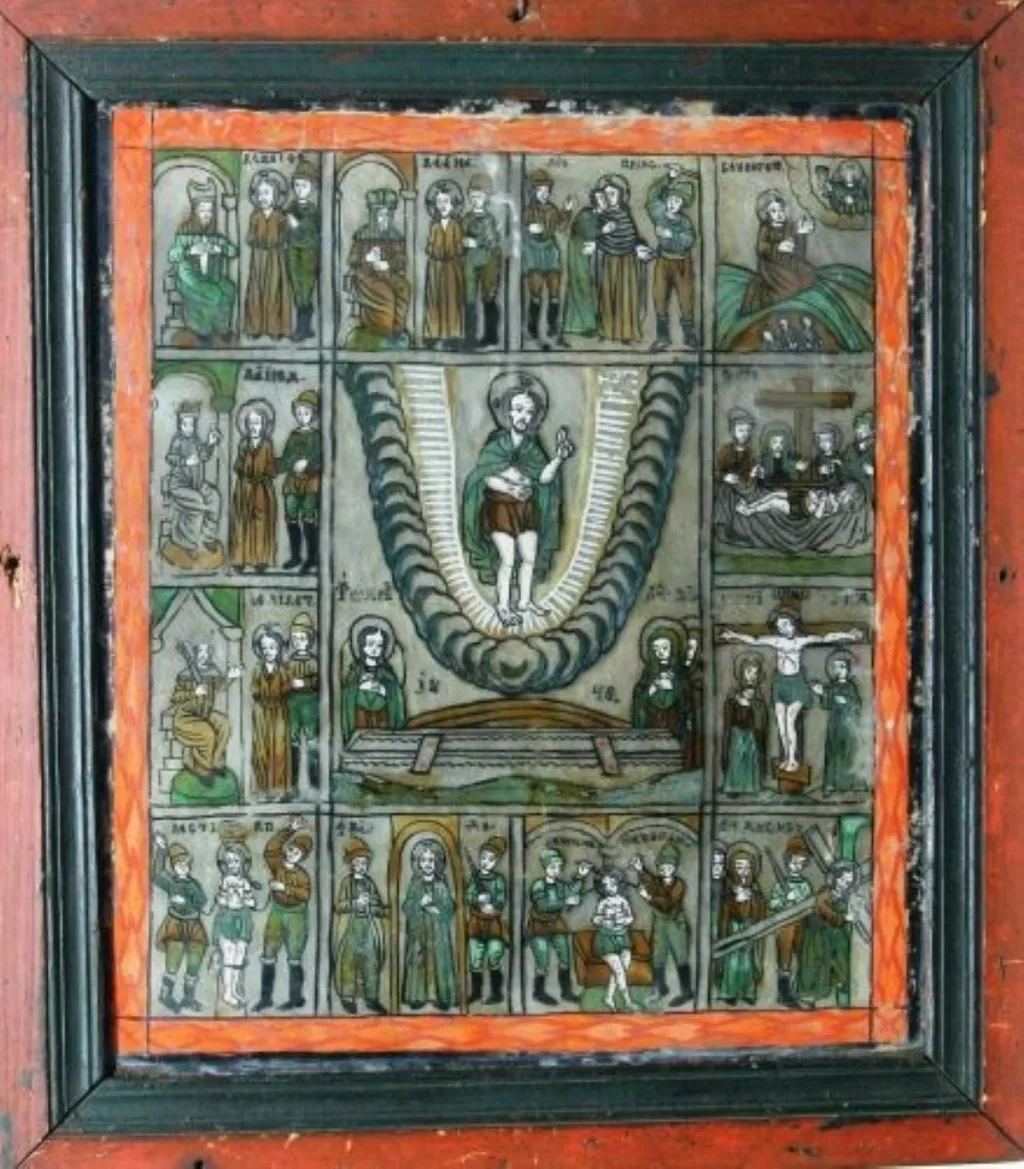
Învierea lui Iisus Hristos is a drawing by the Romanticist artist Unknown. It dates from 1840 and is held in the collection of the Romanian Peasant Museum.
About this work
Overview
Each panel depicts figures dressed in green or brown robes, often holding books or gesturing toward elements within the scene.
The work titled “Învierea lui Iisus Hristos” is a composite drawing arranged in a grid of small panels. Each panel depicts figures dressed in green or brown robes, often holding books or gesturing toward elements within the scene. Central to the composition is a luminous figure ascending amid a swirl of clouds, while surrounding panels present related narrative moments, including a crucifixion figure and groups of onlookers.
Subject & Meaning
The drawing illustrates the resurrection of Jesus Christ, presenting the pivotal moment of Christ’s ascent as a radiant, upward movement. The surrounding figures, positioned in static poses and holding texts, suggest witnesses to the event and the transmission of its theological significance, reinforcing the narrative of triumph over death.
Technique & Style
Executed as a series of tightly framed sketches, the piece employs a limited palette of earthy greens and browns for the garments, contrasting with the bright illumination surrounding the central figure. The compartmentalized layout creates a sequential visual narrative, a method reminiscent of medieval illuminated manuscripts yet rendered with a Romantic emphasis on emotional expression.
History & Provenance
The drawing’s title is given in Romanian, indicating a likely origin in a Romanian cultural or religious context. No specific date, artist, or collection information is provided, suggesting that the work may belong to a private or ecclesiastical archive rather than a public museum.
Context
The composition aligns with Romantic-era tendencies to foreground intense feeling and spiritual experience. By fragmenting the resurrection story into discrete, emotive vignettes, the artist invites viewers to contemplate each moment’s devotional impact, echoing the period’s interest in personal religious sentiment.
Artist & collection

 Domestic Scene
 Giacomo and Cardinal Marco, investing Andrea, Abbot of San Zeno, with his Benefice
 The Nymph of Fontainebleau
 Portrait of a Woman
 Madonna and Child with Saints in the Enclosed Garden
 Venus and Minerva
 Family Group of Four on Sofa
 Wall painting from Room H of the Villa of P. Fannius Synistor at Boscoreale
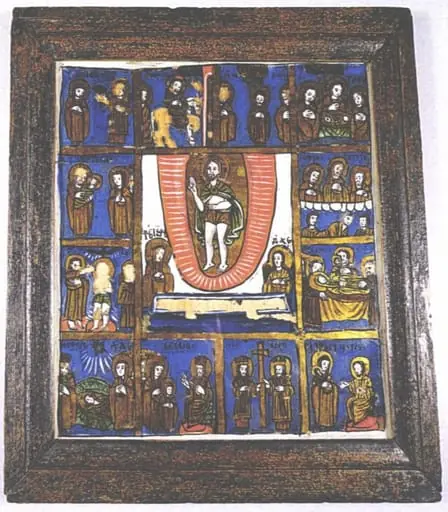 Învierea Domnului (prăznicar)
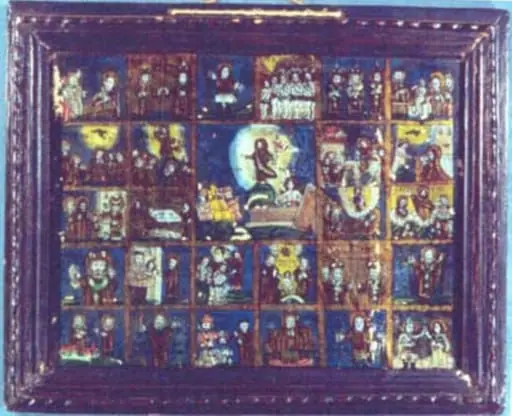 Învierea lui Iisus
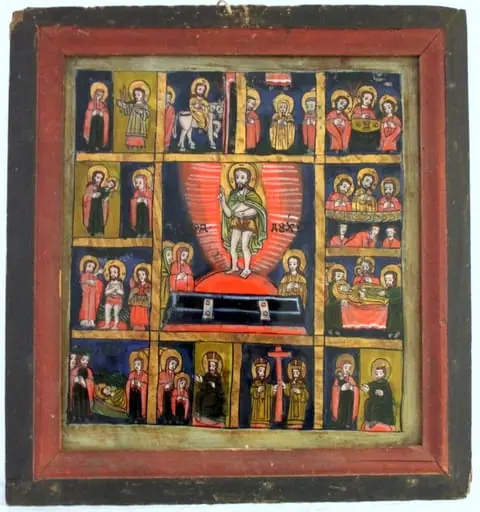 Prăznicar - Învierea
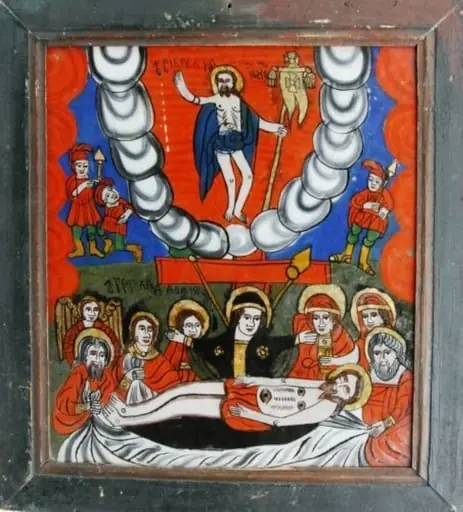 Îngroparea lui Iisus Hristos; Înălțarea lui Iisus Hristos la ceruri (Plângerea, Prohodul)
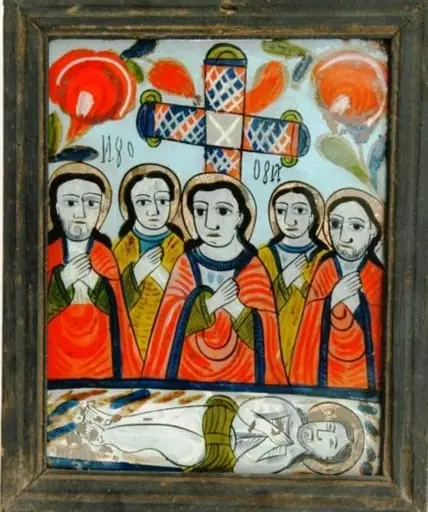 Plângerea lui Iisus Hristos (Prohodul)
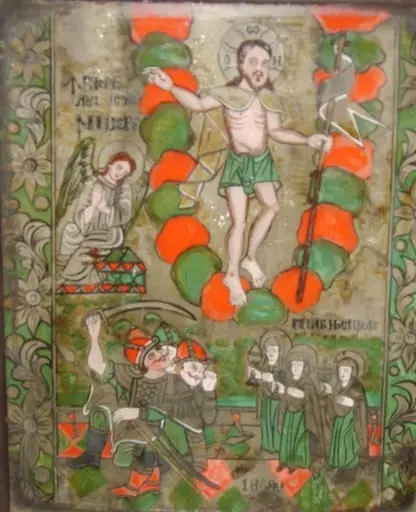 Învierea lui Iisus
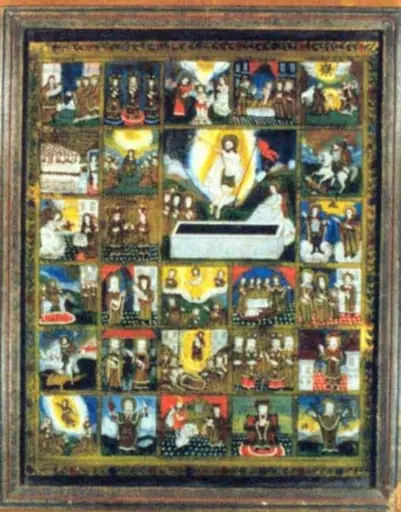 Învierea lui Iisus
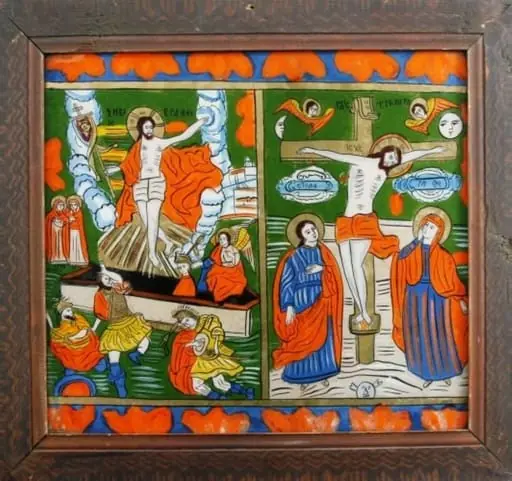 Înălțarea lui Iisus Hristos la ceruri; Răstignirea lui Iisus Hristos
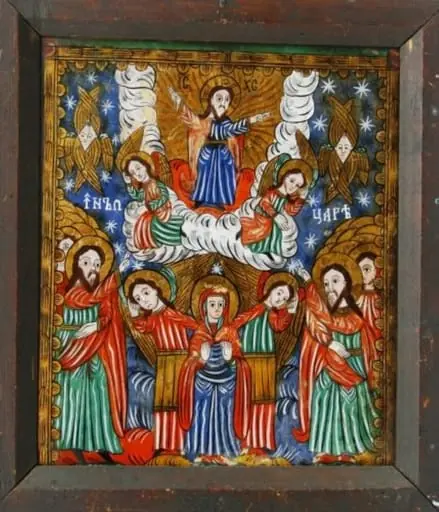 Înălțarea lui Iisus Hristos la ceruri
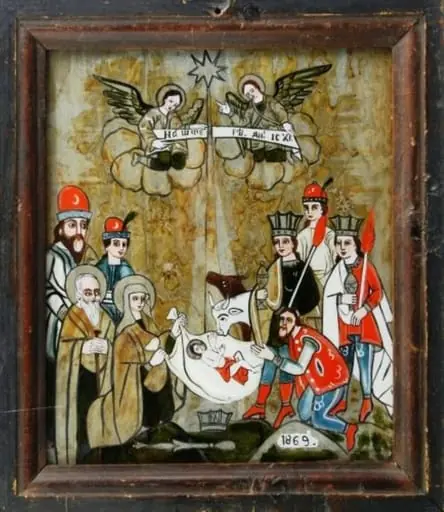 Nașterea lui Iisus Hristos