Artwork
One of twenty-four paintings of South Indian castes and occupations.
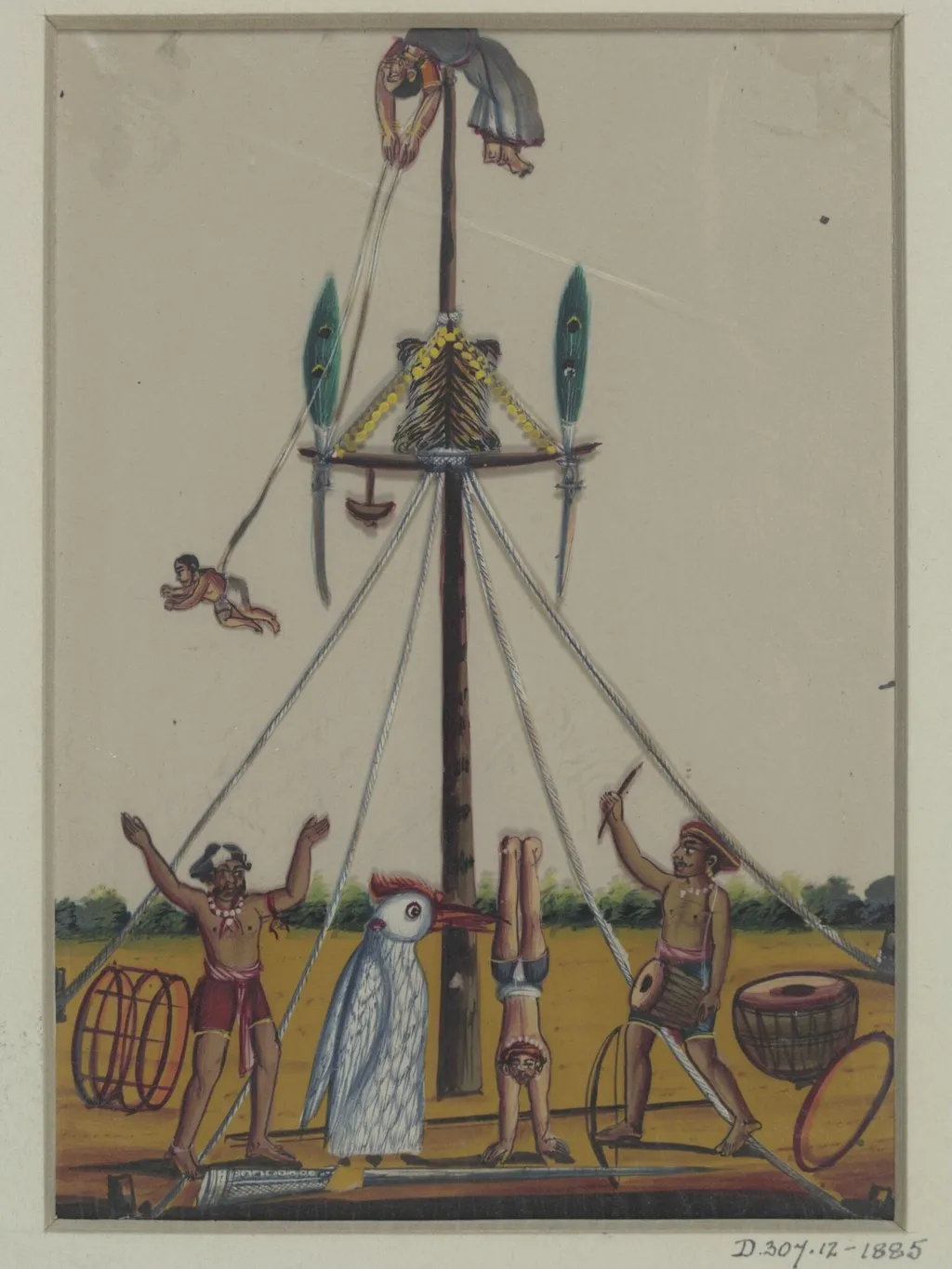
One of twenty-four paintings of South Indian castes and occupations. is a paint painting by the Patna School of Painting artist Unknown. It dates from 1850 and is held in the collection of the Victoria and Albert Museum.
About this work
Overview
This painting is one of a series of twenty-four works, dated to 1850, which systematically document various castes and occupations in South India. The artist remains unidentified.
Subject & Meaning
The painting focuses on acrobats in action, capturing a moment of dynamic performance. Figures are depicted in mid-feat: one inverted on a pole, another suspended by ropes, a third in a handstand, and a fourth accompanying with a drum. Traditional attire and a distant, serene landscape of fields and trees contrast with the energetic foreground.
Technique & Style
The work is characterized by bold brushstrokes and a vibrant color palette, which collectively convey the dynamism of the acrobatic scene. While the style bears noting, it is distinct from later European movements such as Impressionism.
History & Provenance
Originally part of the Department of Engraving, Illustration & Design under reference RP 51/2237, the painting was later transferred to its current collection. Specific details of its journey and ownership history before and after 1850 are not provided.
Context
Created in 1850, this painting reflects a broader 19th-century interest in systematically recording regional cultures and professions, particularly in colonial contexts. It offers a glimpse into South India’s traditional occupations and performance arts during this period.
Legacy
As part of a documentary series on castes and occupations, the painting contributes to the historical and ethnographic record of South India in the mid-19th century. Its artistic and informational value lies in its detailed portrayal of a specific profession within a broader sociocultural context.
Artist & collection

 Domestic Scene
 Giacomo and Cardinal Marco, investing Andrea, Abbot of San Zeno, with his Benefice
 The Nymph of Fontainebleau
 Portrait of a Woman
 Madonna and Child with Saints in the Enclosed Garden
 Venus and Minerva
 Family Group of Four on Sofa
 Wall painting from Room H of the Villa of P. Fannius Synistor at Boscoreale
 One of eleven paintings of trades and occupations
 Acrobats
 The Hook-swinging Festival (Chadak parvan)
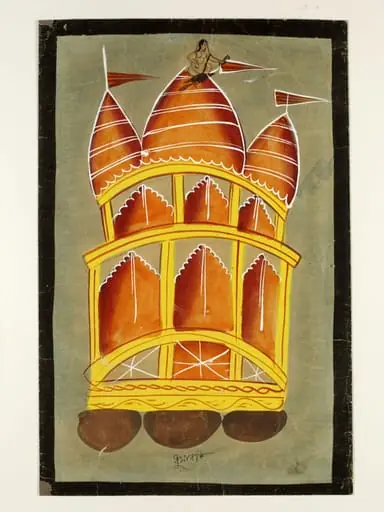 Dhumavati
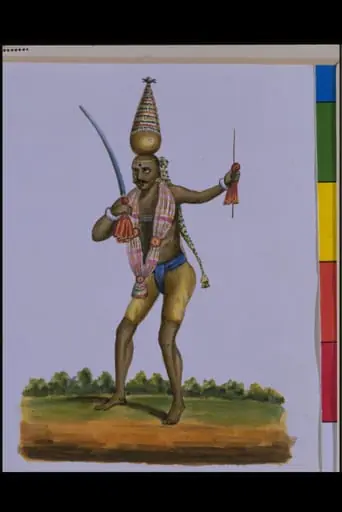 A garlanded Shaivite, ascetic
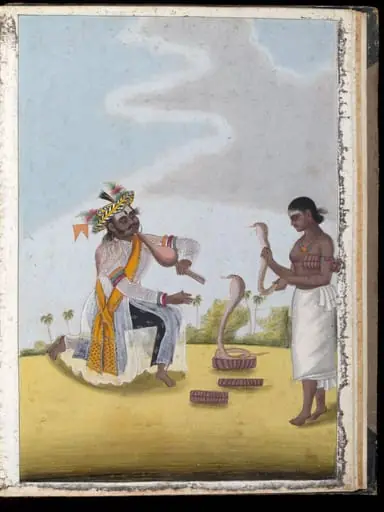 Jugglers with snake
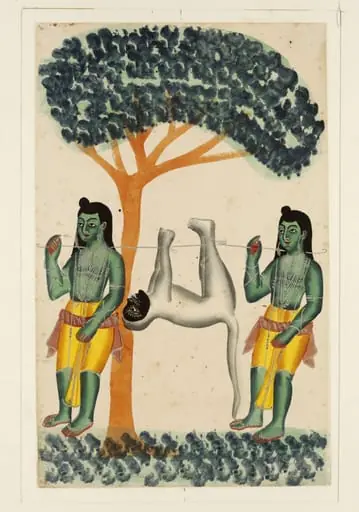 Kusha, Lava and Hanuman
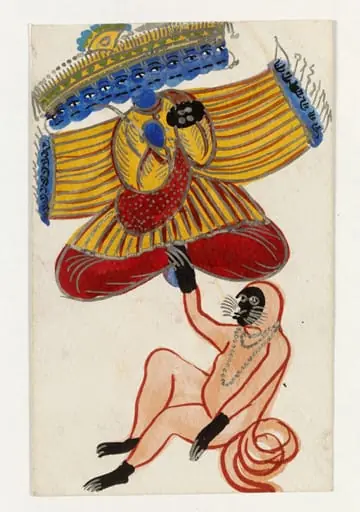 Hanuman and Ravana
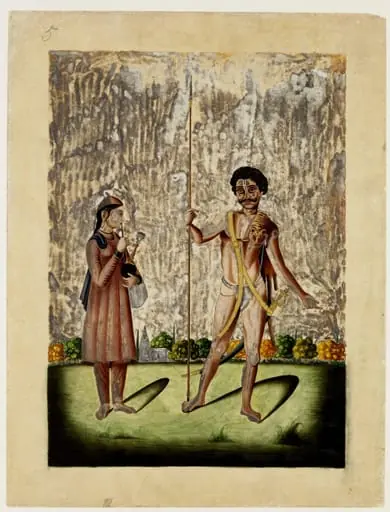 A naked hunter
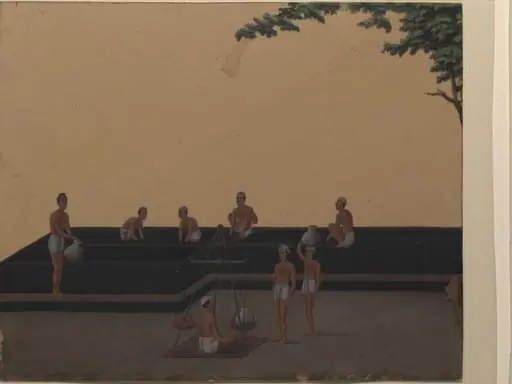 One of nineteen drawings illustrating processes in the manufacture of opium at the Opium Factory at Gulzarbagh, Patna, in Bihar.