Artwork
Dhumavati
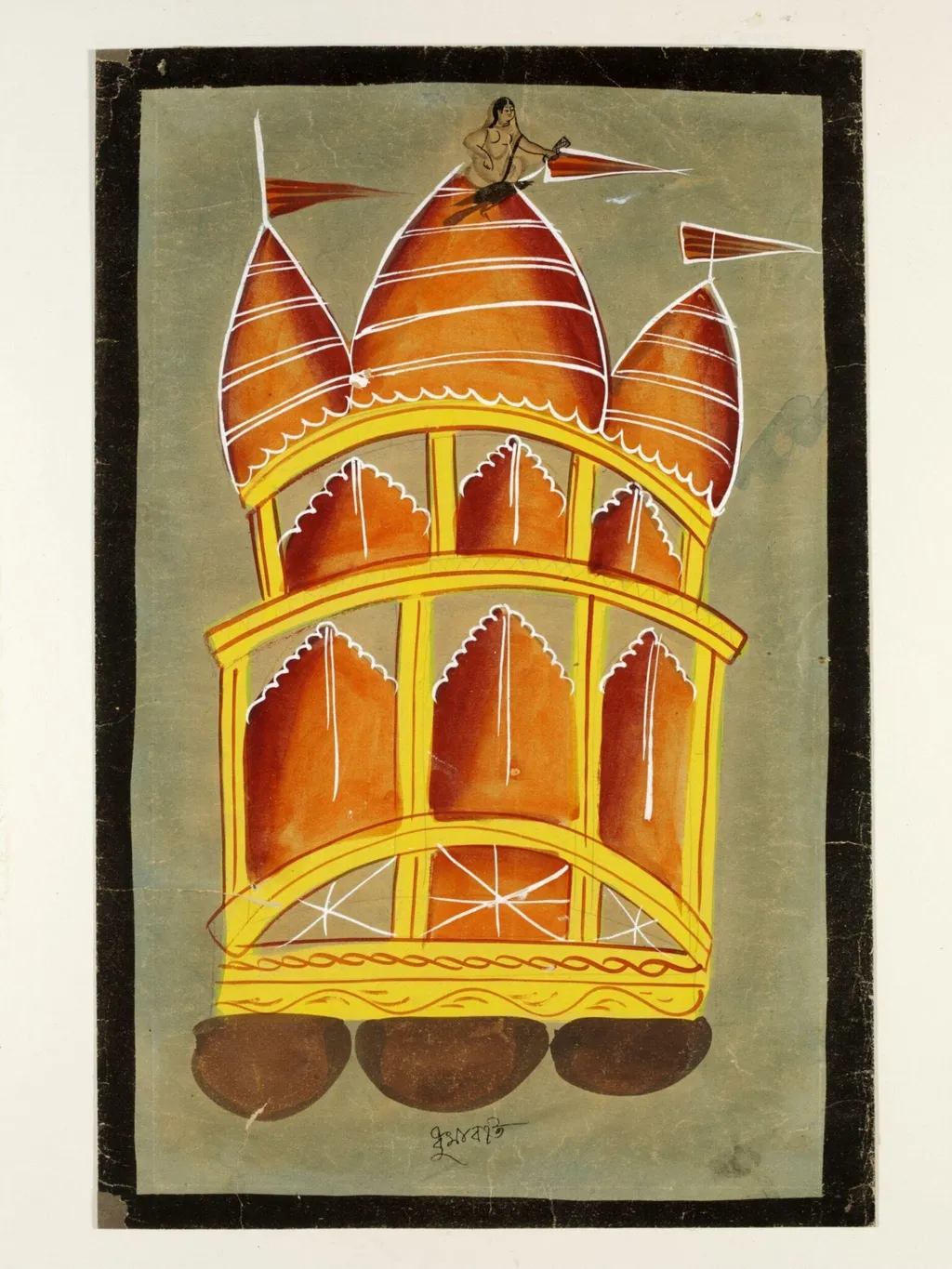
Dhumavati is a paint painting by the Impressionist artist Unknown. It dates from 1885 and is held in the collection of the Victoria and Albert Museum.
About this work
Overview
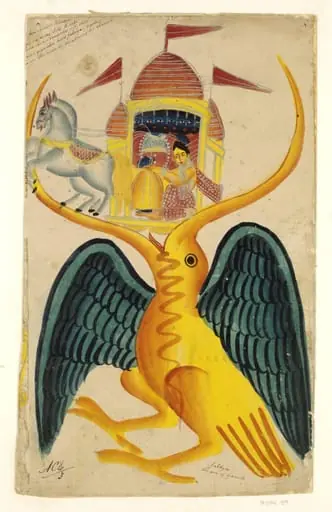
This opaque watercolor painting on paper depicts Dhumavati, a manifestation of the Hindu goddess Durga, seated atop her chariot. Characterized by vivid colors and loose brushstrokes, the work showcases a blend of traditional Indian iconography with stylistic elements reminiscent of Impressionism.
Subject & Meaning
The subject, Dhumavati, is one of the ten forms of Durga, embodying the goddess in her widowed aspect. Seated on her chariot and holding a red flag, she is juxtaposed with a large, ornate, yellow and orange structure featuring multiple pointed roofs and intricate white details, though the structure's specific identity and location remain ambiguous.
Technique & Style
Executed in opaque watercolor on paper, the painting features loose, expressive brushstrokes and a vibrant color palette, suggesting an influence of Impressionist techniques. Despite this, the work's detailed rendering of the chariot and Dhumavati maintains a balance between Western stylistic influences and traditional Indian artistic motifs.
History & Provenance
The painting entered the collection of Miss M. Steele in 1894 through inheritance from her mother, a Sanskrit scholar at Cambridge. It is speculated to have been acquired originally by Miss Steele's grandmother during her time in India, though the exact date and circumstances of its creation and initial acquisition are not documented.
Context
Created during a period of cultural exchange, this work reflects the intersection of Indian traditional themes with Western artistic movements prevalent at the time. The blend of Dhumavati's mythological significance with Impressionist-style execution positions the painting within the broader context of colonial-era artistic cross-pollination.
Legacy
While the painting's direct influence on subsequent artworks is not well-documented, it contributes to the understanding of late 19th-century artistic exchanges between India and the West. Its unique stylistic blend makes it a point of interest for scholars of both Indian religious art and the global dissemination of Impressionist techniques.
Artist & collection

 Domestic Scene
 Giacomo and Cardinal Marco, investing Andrea, Abbot of San Zeno, with his Benefice
 The Nymph of Fontainebleau
 Portrait of a Woman
 Madonna and Child with Saints in the Enclosed Garden
 Venus and Minerva
 Family Group of Four on Sofa
 Wall painting from Room H of the Villa of P. Fannius Synistor at Boscoreale
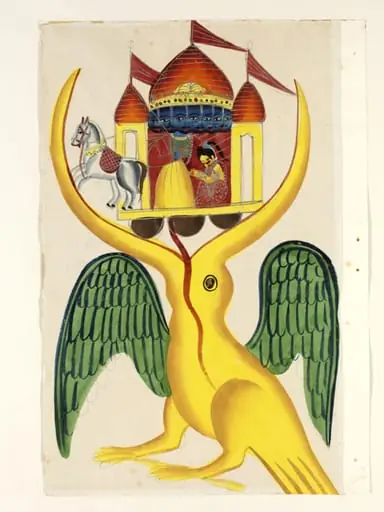 Jatayu, Sita and Ravana
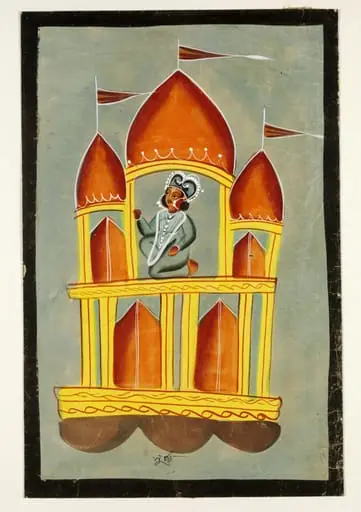 Surya
Surya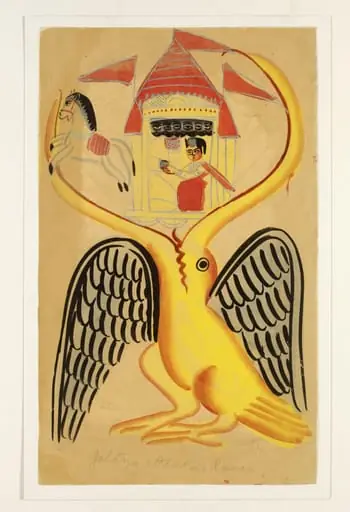 Jatayu, Ravana and Sita
 Adam și Eva
 Ravana, Sita and Jatayu
 One of twenty-four paintings of South Indian castes and occupations.
 One of eleven paintings of trades and occupations
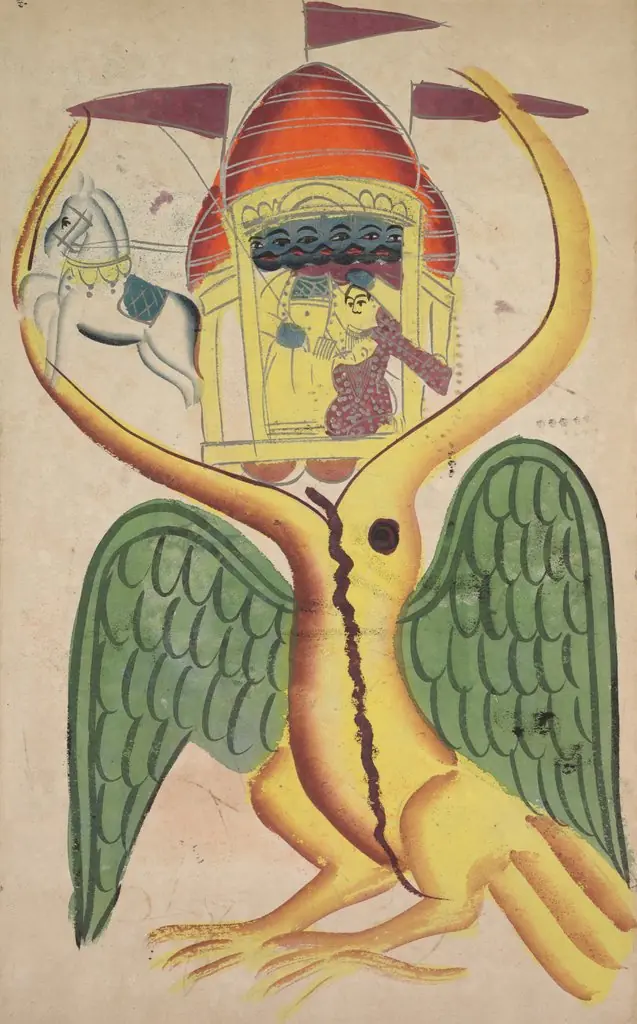 Jatayu hinders Ravana’s chariot, trying to prevent the abduction of Sita (recto), from a Kalighat album
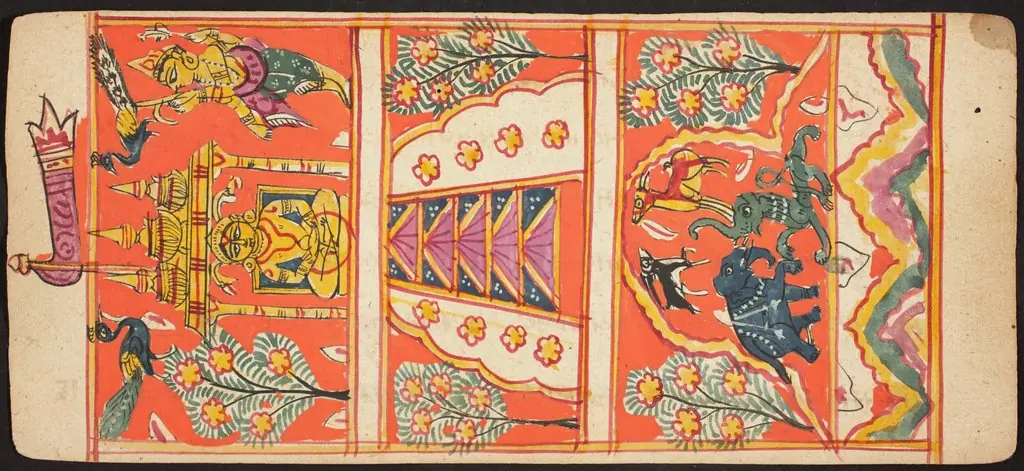 Tantric Manuscript "Sangrahani Sutra"
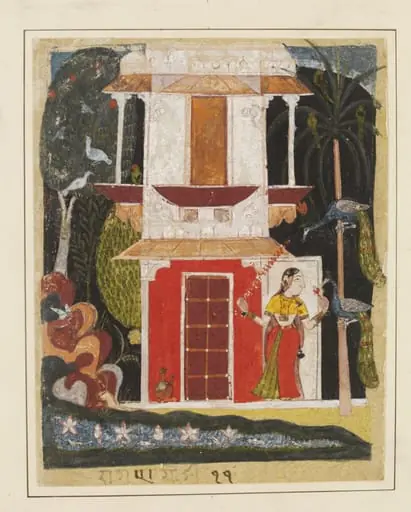 Gauri Ragini
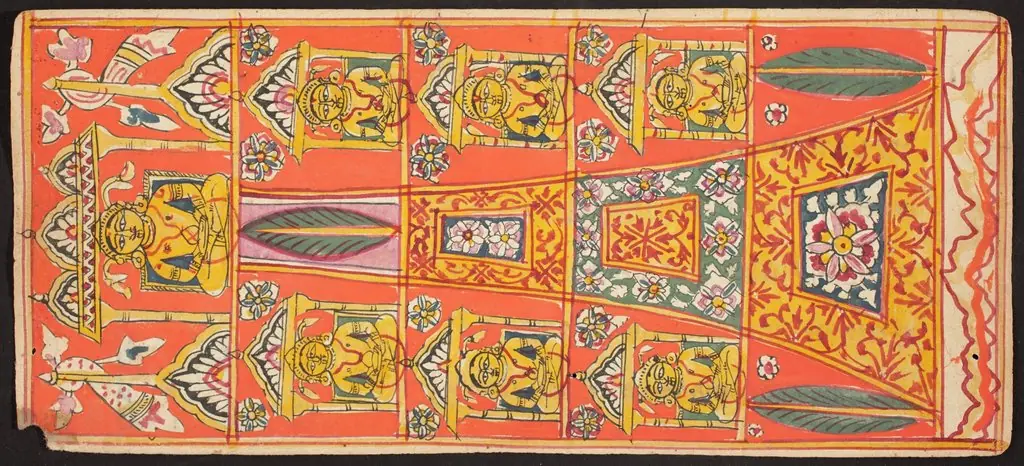 Tantric Manuscript "Sangrahani Sutra"
 Dhola and Maru