Artwork
Pawn seller
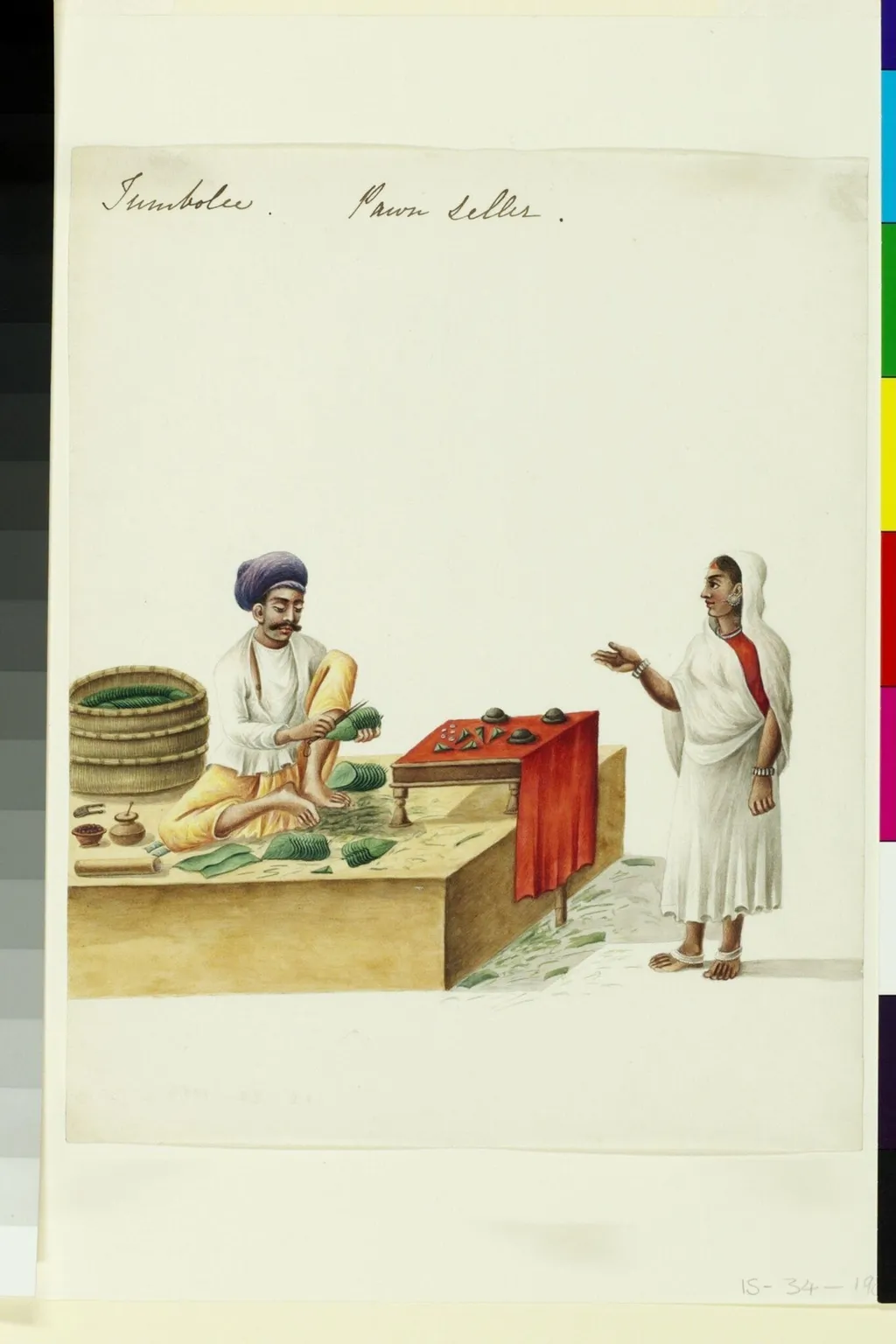
Pawn seller is a paint painting by the Realist artist Unknown. It dates from 1826 and is held in the collection of the Victoria and Albert Museum. This 1826 painting is one of thirty-five works documenting everyday labor in early 19th-century society.
About this work
Overview
Soft, earth-toned pigments ground the composition in realism, reflecting the unadorned nature of the setting and its subjects.
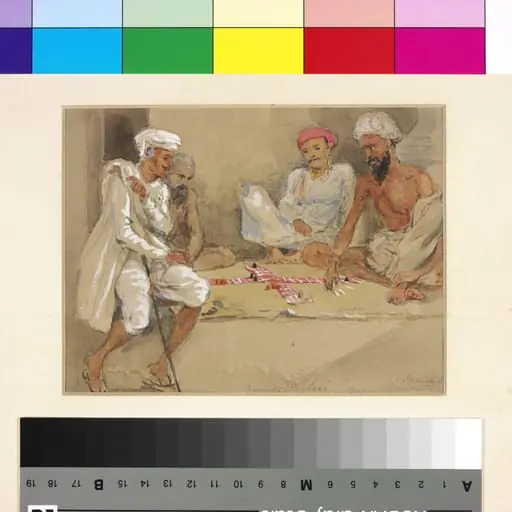
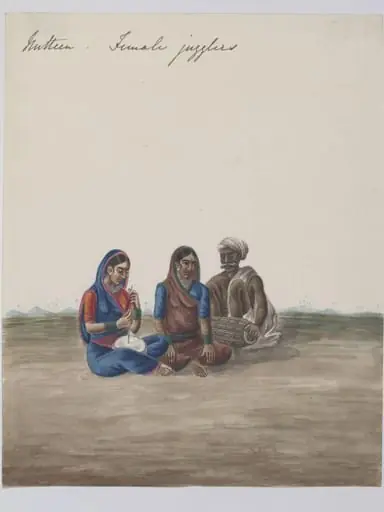
This 1826 painting is one of thirty-five works documenting everyday labor in early 19th-century society. It portrays a pawnbroker’s transaction within a modest interior, capturing a quiet moment of exchange between two figures. The scene avoids theatricality, focusing instead on the routine details of a common economic practice. Soft, earth-toned pigments ground the composition in realism, reflecting the unadorned nature of the setting and its subjects.
Subject & Meaning
The painting illustrates a pawn transaction: a man seated on the floor sorts folded textiles or paper, likely items pledged as collateral, while a standing figure—identified by a white head covering and red sash—gestures toward them. The small table holds dark objects, possibly coins or jewelry, suggesting the exchange of value. The title confirms the role of the seated man as a pawnbroker, revealing a system where the poor traded household goods for temporary credit.
Technique & Style
The artist employs muted, earthy hues—ochres, browns, and soft grays—to create a restrained palette that enhances the scene’s intimacy. Brushwork is precise but unobtrusive, emphasizing texture over drama. Light falls evenly across the figures and objects, avoiding shadows that might suggest narrative tension. The composition is deliberately plain, directing attention to the interaction and the modest possessions at its center.
History & Provenance
Created in 1826, the painting belongs to a series commissioned to record occupational life across social classes. Its origin lies in a broader documentary impulse of the period, where artists and patrons sought to preserve the visual record of labor. While its early ownership is undocumented, it entered institutional collections by the late 19th century, valued for its ethnographic clarity rather than artistic innovation.
Context
In early 1800s Europe, pawnbroking was a vital, if stigmatized, institution for the working poor. This work emerged amid growing interest in social realism, as artists turned from mythological or aristocratic subjects to depict ordinary life. The series to which it belongs reflects a cultural moment when documenting labor was seen as both civic and educational, aligning with reformist and anthropological trends of the era.
Legacy
Though not widely exhibited today, the painting remains a quiet testament to the economic realities of its time. It contributes to a body of work that helped shift artistic focus toward everyday life, influencing later realist movements. Its value lies not in grandeur but in its unembellished record of a marginalized trade, preserved with dignity and restraint.
Artist & collection

 Domestic Scene
 Giacomo and Cardinal Marco, investing Andrea, Abbot of San Zeno, with his Benefice
 The Nymph of Fontainebleau
 Portrait of a Woman
 Madonna and Child with Saints in the Enclosed Garden
 Venus and Minerva
 Family Group of Four on Sofa
 Wall painting from Room H of the Villa of P. Fannius Synistor at Boscoreale