Artwork
Blacksmith
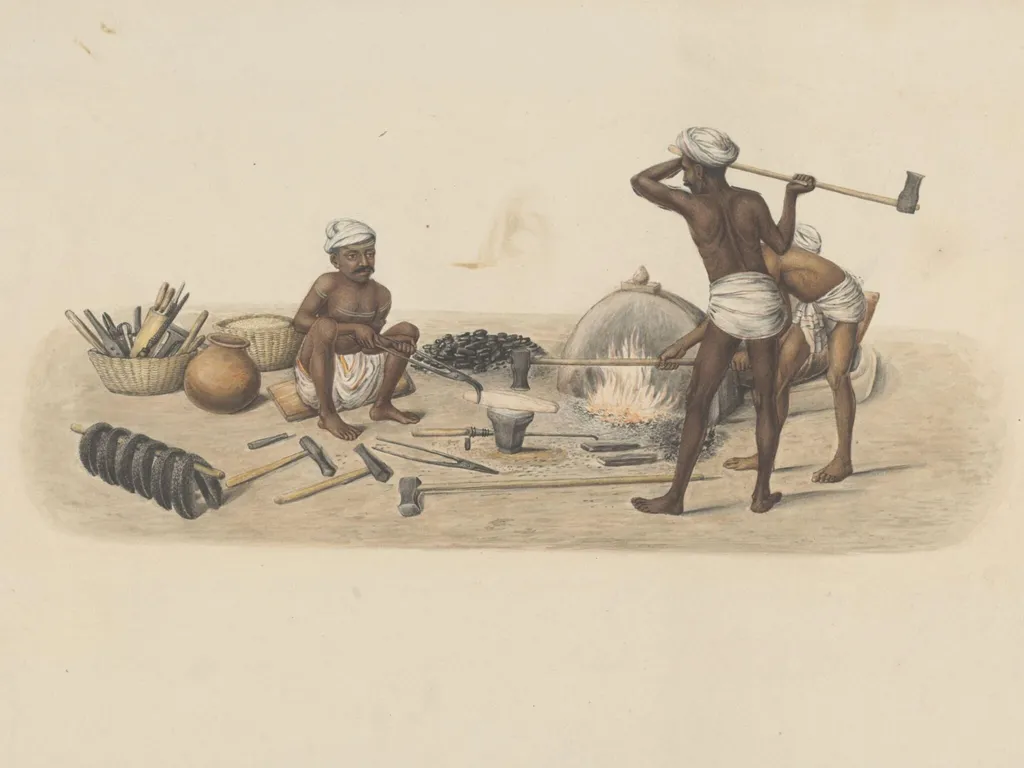
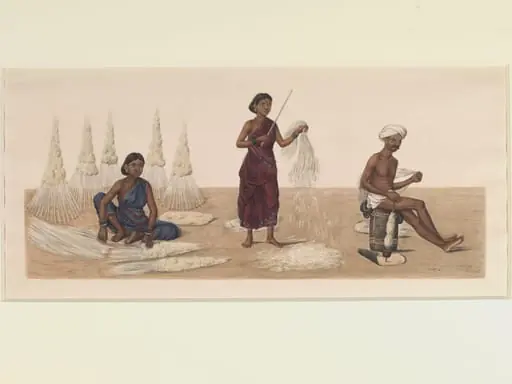
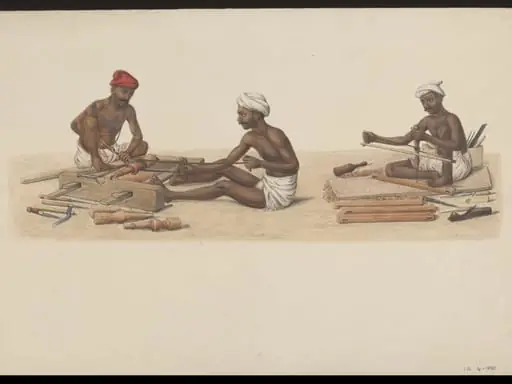
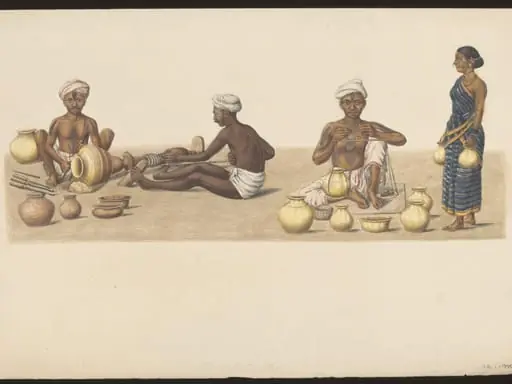
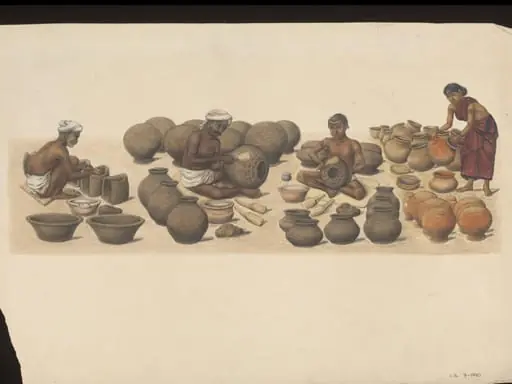
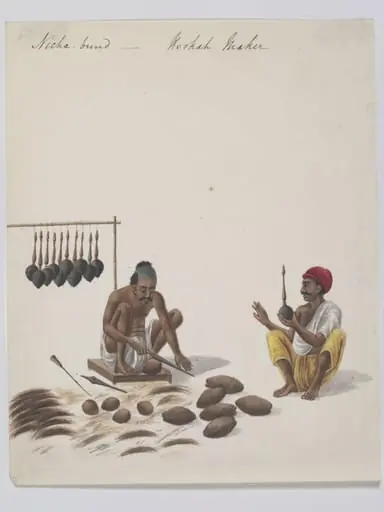
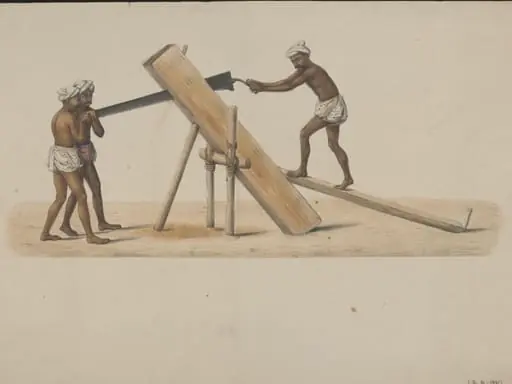
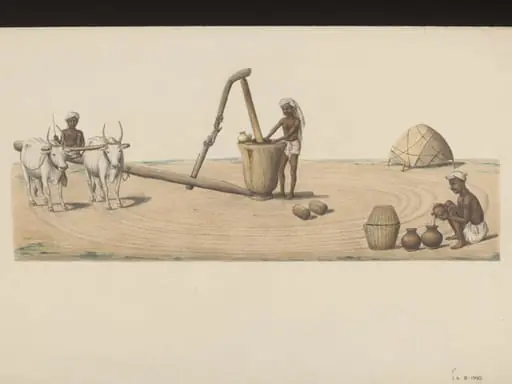
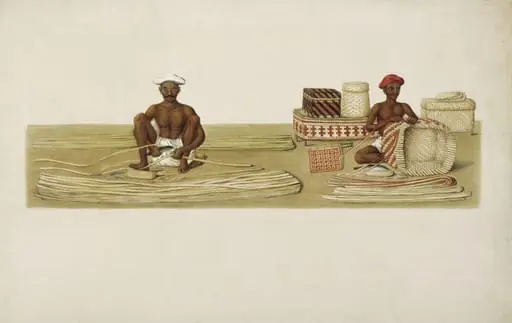
Blacksmith is a paint painting by the Realist artist Unknown. It dates from 1840 and is held in the collection of the Victoria and Albert Museum. This painting is one of sixteen in a series documenting manual trades, each capturing a distinct occupational moment.
About this work
Overview
This painting is one of sixteen in a series documenting manual trades, each capturing a distinct occupational moment. The blacksmith is shown mid-task, engaged in the physical labor of shaping heated metal. The composition focuses on the intensity of the moment, with minimal background detail to emphasize the worker’s presence and action.
Subject & Meaning
The blacksmith is portrayed not as an idealized figure but as a laborer absorbed in his craft. His strained posture and focused expression convey the physical demands of the trade. The absence of narrative context or symbolic elements grounds the image in realism, presenting work as a quiet, enduring act rather than a spectacle.
Technique & Style
The artist employs chiaroscuro to heighten the drama of the scene, with deep shadows contrasting the glowing embers and the heated metal. The forge’s orange light casts sharp highlights on the blacksmith’s arms and tools, while his face remains partially obscured, reinforcing the anonymity of labor. Brushwork is direct, avoiding ornamentation to match the subject’s practicality.
History & Provenance
The painting was created as part of a commissioned series documenting trades, likely intended for public or educational display. It entered the Victoria and Albert Museum’s collection in the 19th century, where it remains as part of a broader effort to preserve representations of industrial and artisanal life during a period of rapid social change.
Context
Produced during a time when industrialization was transforming labor, the series offered a visual record of traditional crafts before they faded from common practice. These works reflect a growing cultural interest in documenting the lives of working people, not as subjects of pity or heroism, but as figures of quiet competence.
Legacy
The painting contributes to a historical archive of labor imagery, influencing later documentary approaches to depicting workers. Its restrained style and focus on process, rather than emotion or narrative, align it with a broader 19th-century trend toward observational realism in art, prioritizing authenticity over idealization.
Artist & collection

 Domestic Scene
 Giacomo and Cardinal Marco, investing Andrea, Abbot of San Zeno, with his Benefice
 The Nymph of Fontainebleau
 Portrait of a Woman
 Madonna and Child with Saints in the Enclosed Garden
 Venus and Minerva
 Family Group of Four on Sofa
 Wall painting from Room H of the Villa of P. Fannius Synistor at Boscoreale