Artwork
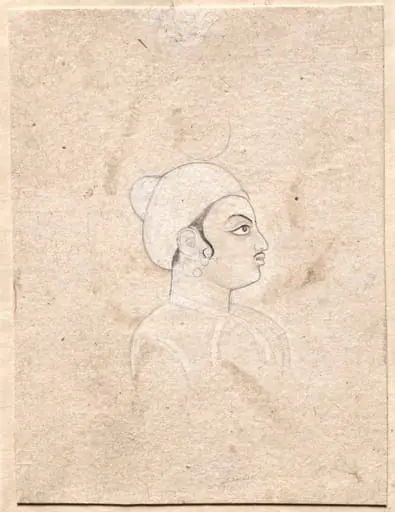
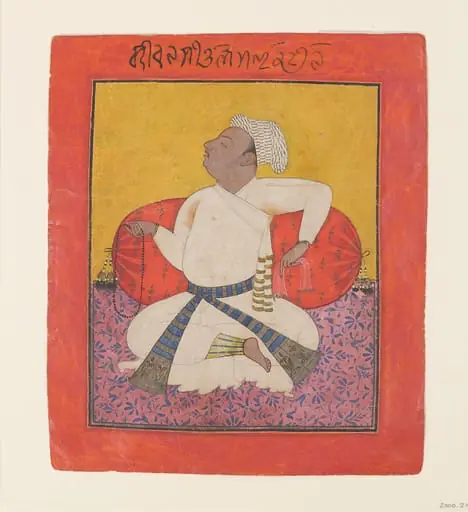
Portrait of a man
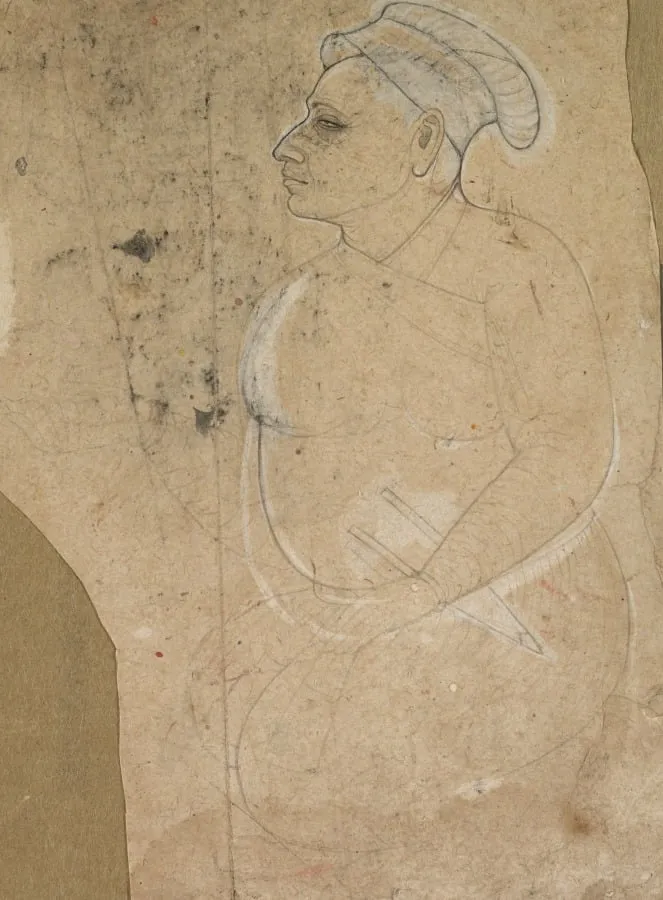
Portrait of a man is a drawing by the Baroque artist Unknown. It dates from 1700 and is held in the collection of the Cleveland Museum of Art. This small drawing fragment captures the upper torso and head of a nobleman, originally part of a larger compositional study.
About this work
Overview
Executed with delicate ink and wash, it preserves only the essential features of the figure, suggesting it was a preparatory sketch rather than a finished work.
This small drawing fragment captures the upper torso and head of a nobleman, originally part of a larger compositional study. Executed with delicate ink and wash, it preserves only the essential features of the figure, suggesting it was a preparatory sketch rather than a finished work. The intimacy of the rendering implies close observation, and the incomplete state invites contemplation of what was once a more expansive scene.
Subject & Meaning
The man wears a Mughal-style tunic fastened beneath the left arm, a detail associated with Hindu nobility in northern India. A katar dagger rests in his sash, signaling status and martial bearing. His clouded eyes and slightly parted lips, paired with a raised hand, convey a silent appeal—perhaps for aid, justice, or recognition. Despite his physical vulnerability, his upright posture asserts an unyielding presence.
Technique & Style
The artist employed fine ink lines and subtle washes to model form with restraint, avoiding overt detail. Facial features are rendered with minimal strokes, yet expressiveness emerges through the tilt of the head and the tension in the lips and fingers. The background is left bare, focusing attention entirely on the figure’s quiet dignity. The technique reflects a Pahari tradition of emotional nuance over decorative flourish.
History & Provenance
The drawing’s fragmentary condition suggests it was once part of a larger painting, likely from a royal atelier in the Punjab Hills during the late 17th or early 18th century. Its survival as a standalone sheet indicates it may have been preserved for its artistic merit rather than its narrative function. No definitive provenance is recorded, but stylistic parallels link it to workshops in Basohli or Guler.
Context
In the Pahari and Mughal courts, portraiture often served to document courtiers and nobles with psychological depth. This drawing aligns with a regional trend of depicting inner states—resilience, humility, or quiet authority—through posture and subtle gesture. Such works contrasted with more formal imperial portraits, emphasizing individual character over ceremonial display.
Legacy
Though incomplete, this fragment exemplifies how Pahari artists conveyed dignity through restraint. Its emotional resonance influenced later regional portraiture, where inner life was prioritized over external grandeur. Surviving studies like this one offer insight into the creative process behind larger commissions, revealing the quiet humanity that underpinned courtly art.
Artist & collection

 Domestic Scene
 Giacomo and Cardinal Marco, investing Andrea, Abbot of San Zeno, with his Benefice
 The Nymph of Fontainebleau
 Portrait of a Woman
 Madonna and Child with Saints in the Enclosed Garden
 Venus and Minerva
 Family Group of Four on Sofa
 Wall painting from Room H of the Villa of P. Fannius Synistor at Boscoreale
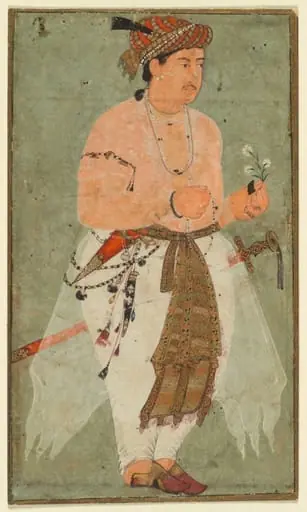 A Mughal Prince, Perhaps Danyal, Holding a Sprig of Flowers
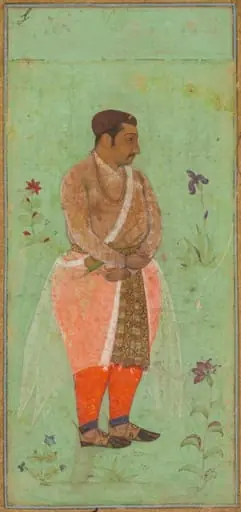 Portrait of Suraj Singh Rathor, Raja of Marwar and Maternal Uncle of Shah Jahan: A Page from the Prince Khurram Album
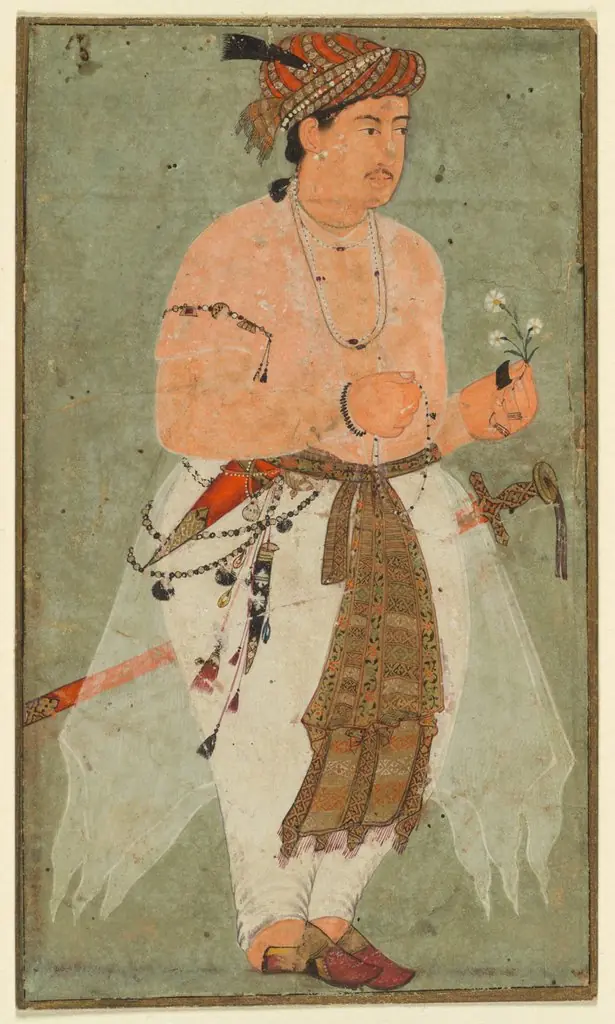 A Mughal Prince, Perhaps Danyal, Holding a Sprig of Flowers
 Portrait of a man
 Kartikeya, from a Kalighat album
 Man Dhata in Yogi Position
 Portrait of Maharaja Rai Singh of Bikaner (reigned 1574-1612)
 Untitled