Artwork
The rape of Europa
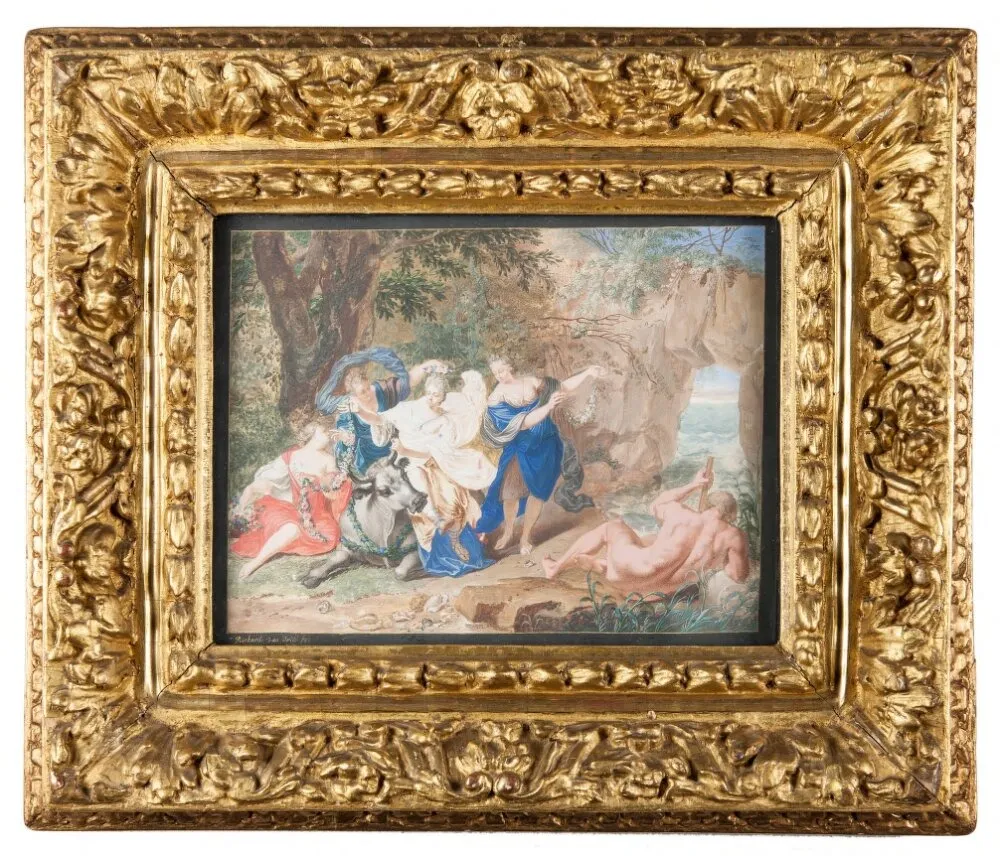
The rape of Europa is an unspecified painting by Richard van Orley. It dates from 1707 and is held in the collection of the Nationalmuseum.
About this work
Overview
The painting is part of the Nationalmuseum’s collection, reflecting its historical significance in Nordic collections of continental art.
Painted around 1707 by Richard van Orley, a Flemish artist based in Brussels, this work illustrates a moment from Ovid’s Metamorphoses. Van Orley, active as both painter and engraver, produced this piece during the early 18th century, a period when classical narratives remained central to European artistic practice. The painting is part of the Nationalmuseum’s collection, reflecting its historical significance in Nordic collections of continental art.
Subject & Meaning
The scene depicts Europa’s abduction by Zeus, who has taken the form of a white bull. Europa, dressed in blue, clutches the bull’s reins as she is carried away, while a man on the ground gazes upward in alarm. A second woman, in red, sits apart, averted, perhaps symbolizing the helplessness of witnesses. The moment captures vulnerability and divine intrusion, common themes in Baroque mythological painting, emphasizing power dynamics and fate.
Technique & Style
Van Orley employs a restrained Baroque style, with soft modeling and muted tones to convey emotional gravity rather than theatrical drama. Figures are arranged in a shallow foreground space, with trees and water suggesting depth without overwhelming the narrative. The brushwork is precise, showing his background in printmaking, where clarity and detail were essential. The composition directs attention to Europa’s gesture and the bull’s motion, anchoring the scene in physical tension.
History & Provenance
Created in the final decade of the 17th century, the painting entered the Nationalmuseum’s holdings in Sweden, likely through 18th- or 19th-century acquisitions of Flemish works. Its presence there reflects broader European interest in classical subjects and Flemish artistic traditions. No significant alterations or restorations are documented, and it has remained in institutional care since its acquisition.
Context
Van Orley worked in a Brussels artistic milieu influenced by Rubens and the lingering Baroque tradition, though his style is more subdued. While larger studios produced grand mythological cycles, smaller works like this one catered to private collectors interested in narrative clarity and moral undertones. The painting aligns with a trend in Northern Europe of adapting classical myths for domestic interiors, balancing spectacle with introspection.
Legacy
Though not widely reproduced or studied today, the painting remains a representative example of early 18th-century Flemish mythological painting outside major centers like Antwerp. Its preservation in a national museum underscores its role as a cultural artifact of regional artistic practice during a transitional period between Baroque grandeur and emerging Neoclassical restraint.
Artist & collection
Artist
Richard van Orley or Richard van Orley II (16 July 1663, in Brussels – 20 June 1732, in Brussels) was a Flemish painter, draughtsman, printmaker.

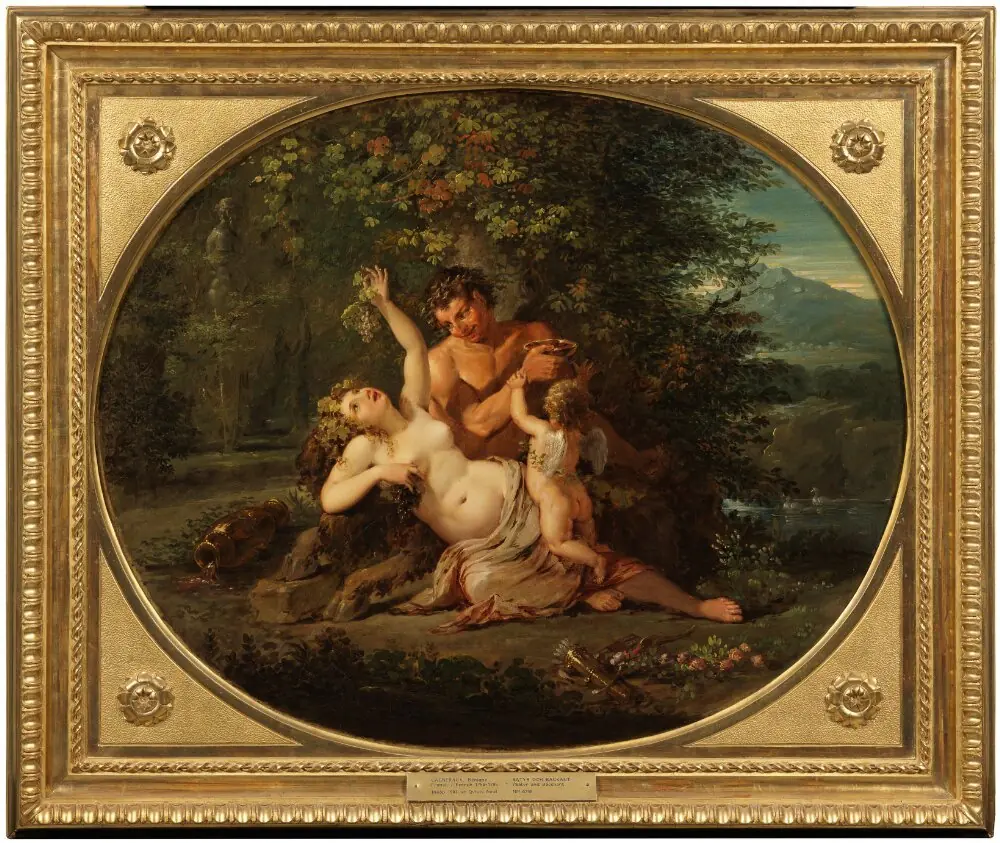 Satyr and Bacchante
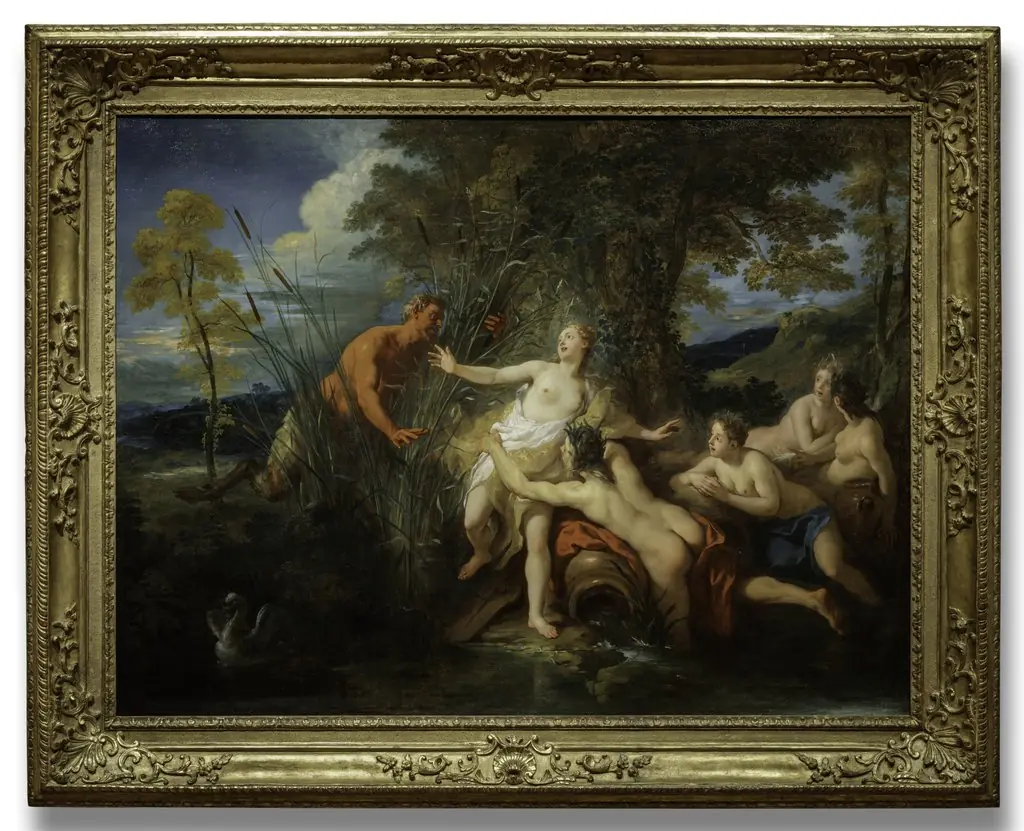 Pan and Syrinx
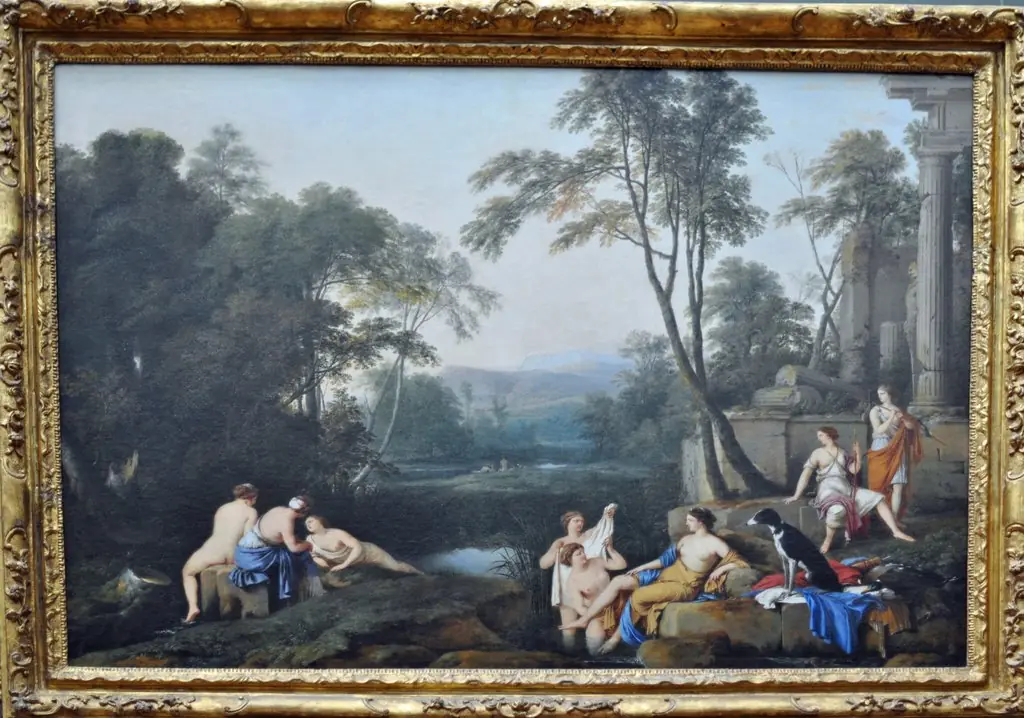 Diana and Her Nymphs in a Landscape
 The Stone Bridge
 Tobias cu îngerul
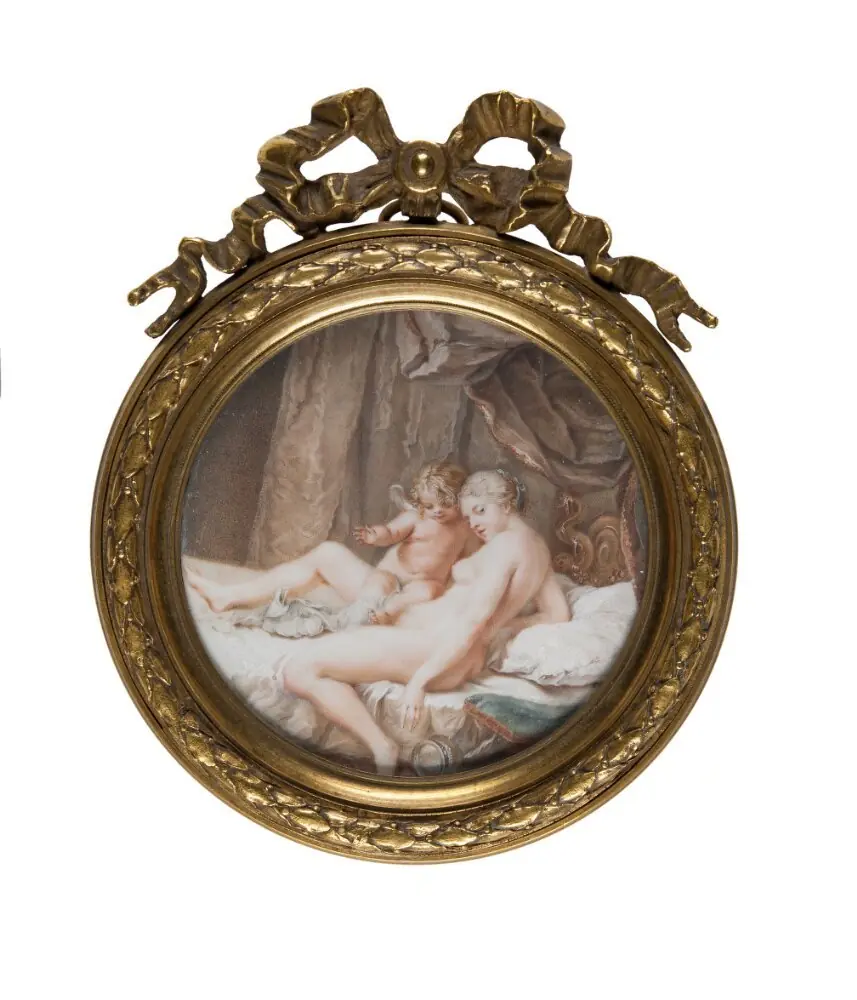 Venus and Amor
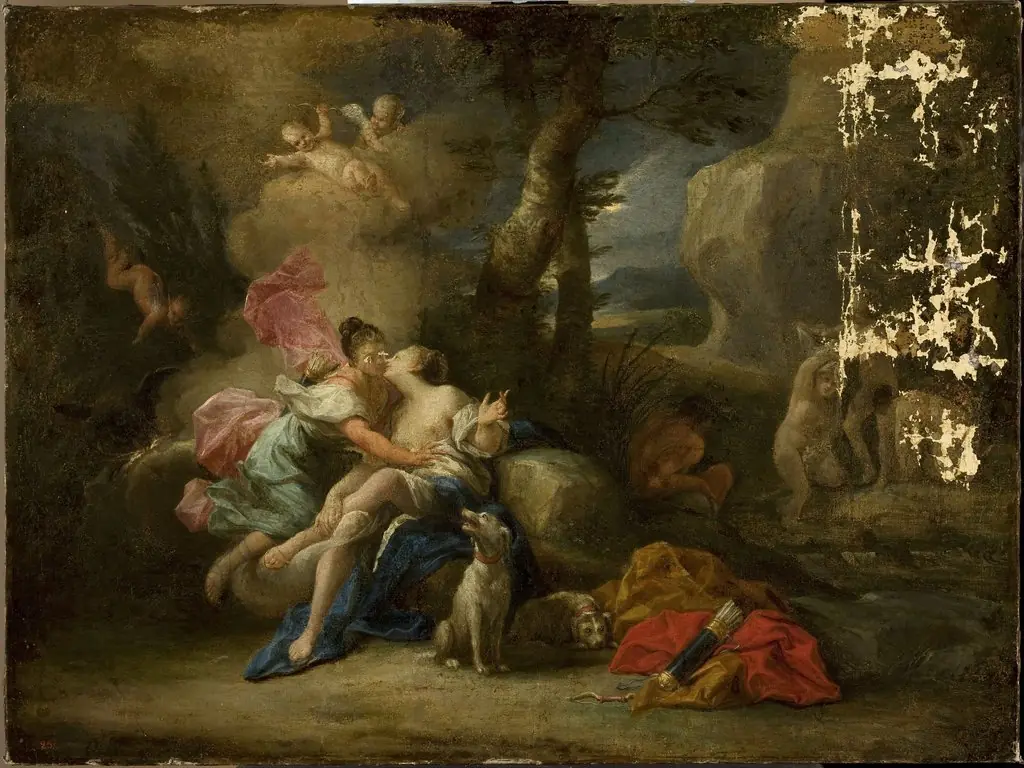 Jove disguised as Diana kisses nymph Callisto
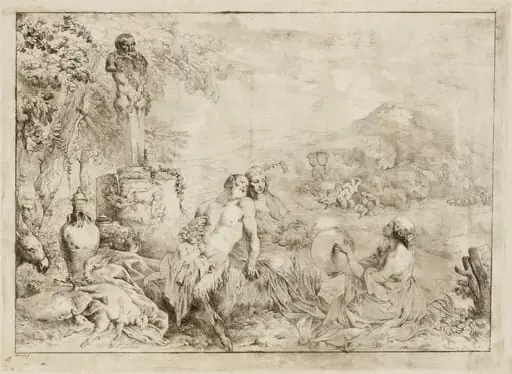 Landscape with a Satyr Family and Classical Sculpture
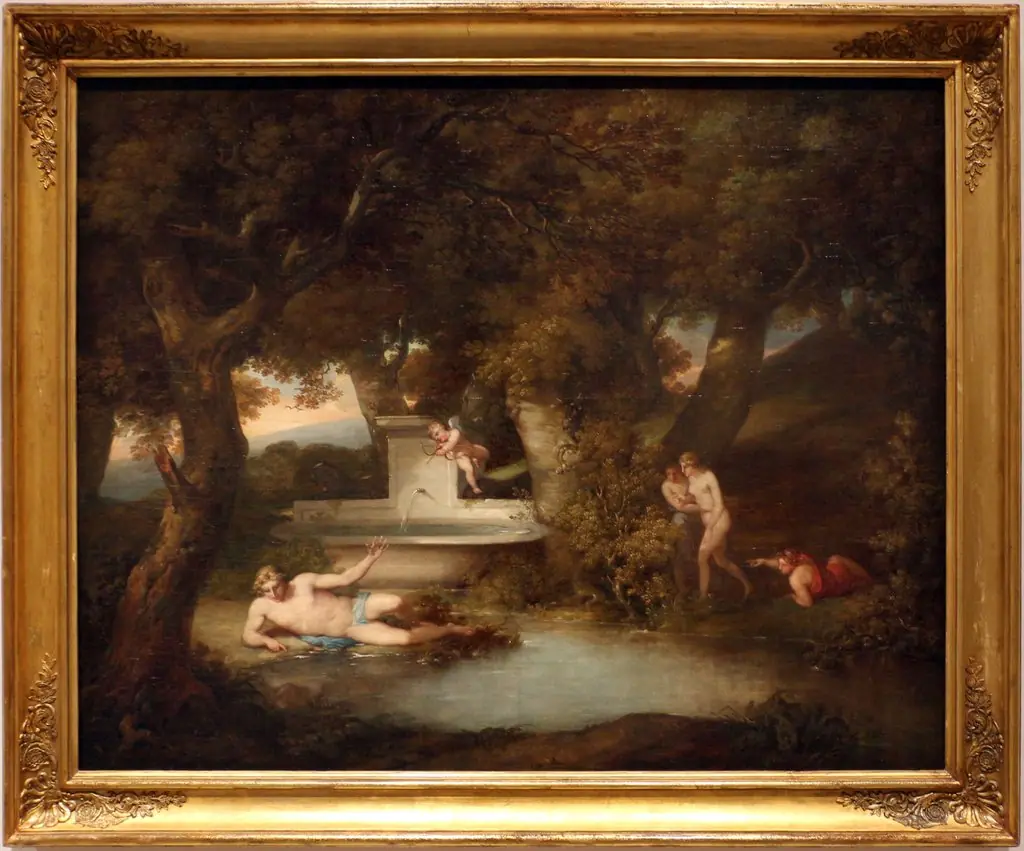 Narciso na Fonte
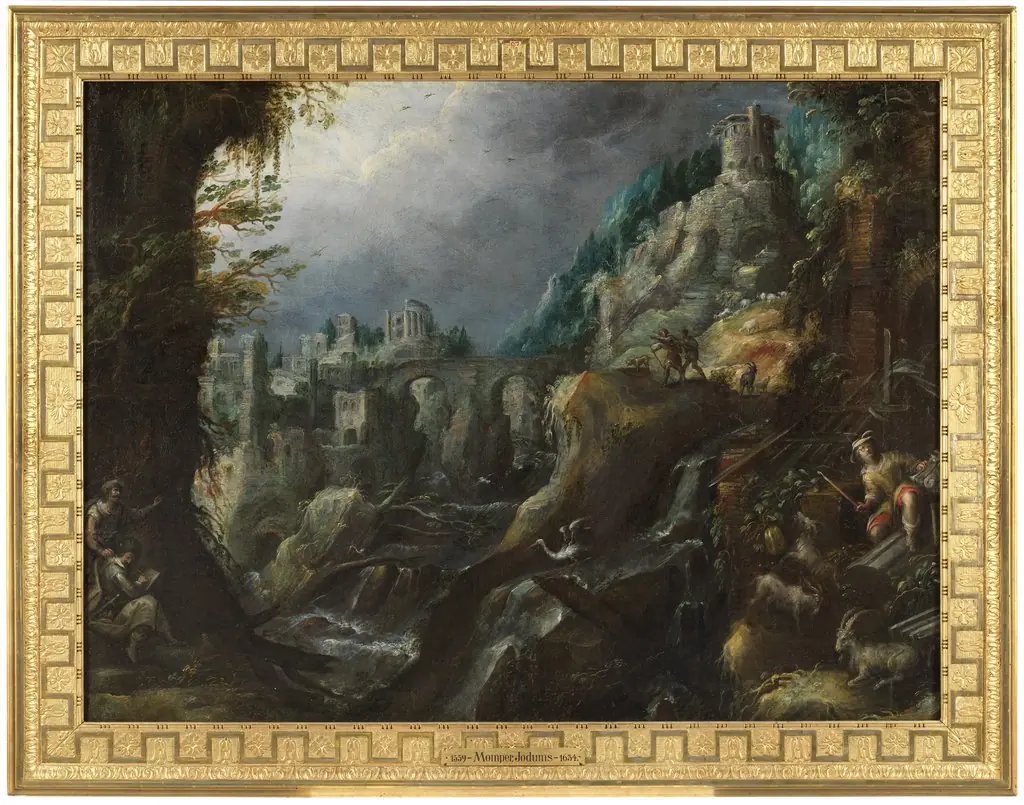 Berglandskap med forsande flod, klassiska ruiner och herdar
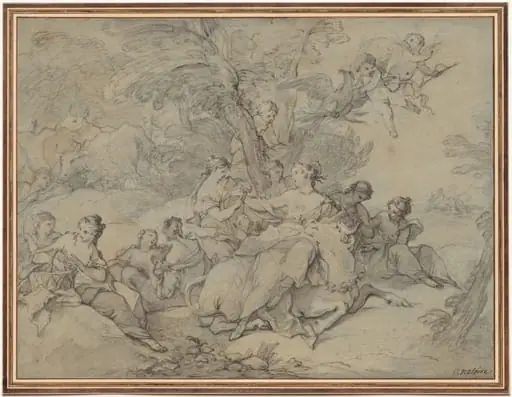 Rape of Europa