Artwork
South-west corner of St. Mark's Basilica with the porphyry sculpture of the Four Tetrarchs and the carved sixth-century pillars ("Pilastri acritani"), Venice, Italy
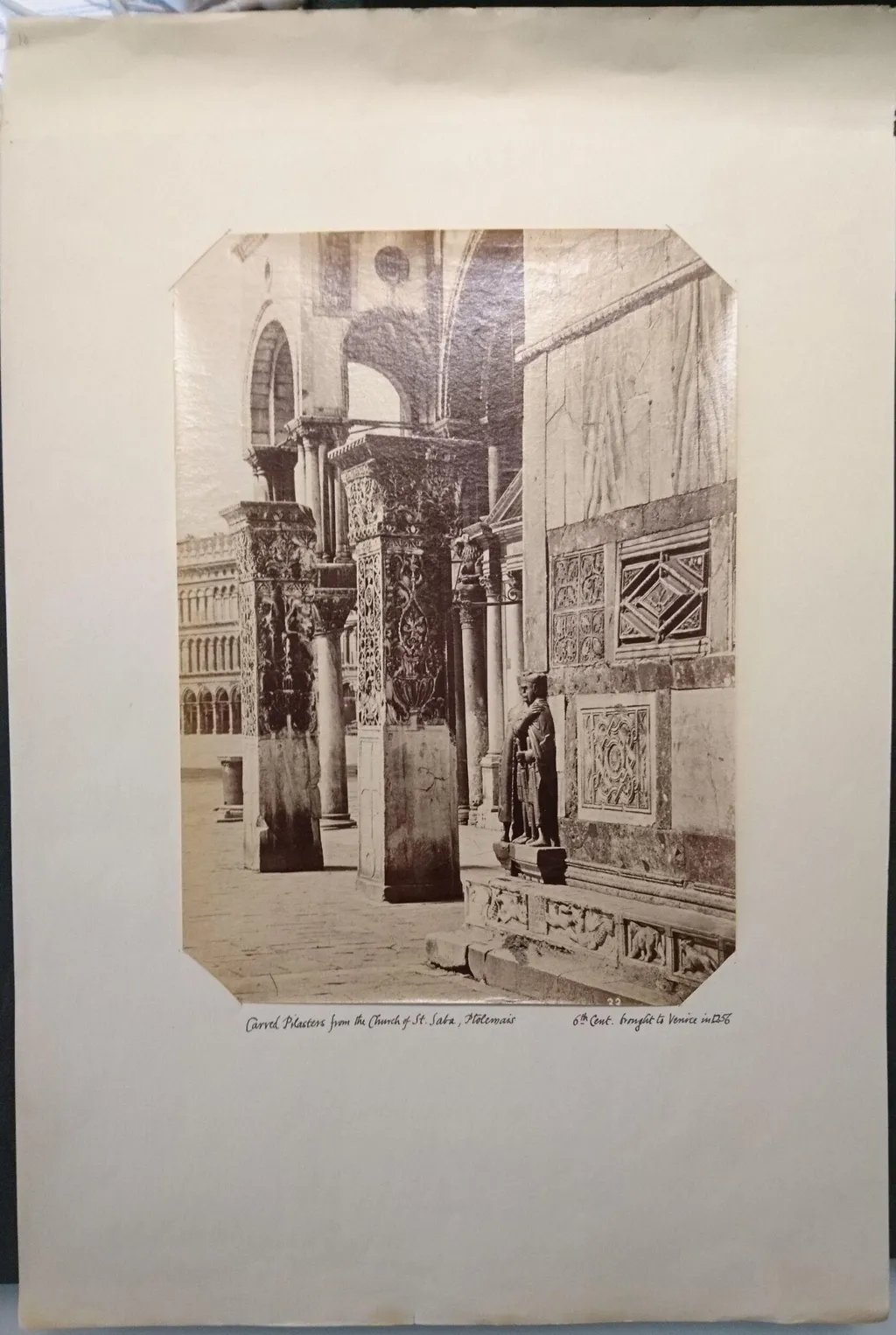
South-west corner of St. Mark's Basilica with the porphyry sculpture of the Four Tetrarchs and the carved sixth-century pillars ("Pilastri acritani"), Venice, Italy is a photographic photography by the Impressionist artist Unknown. It dates from 1870 and is held in the collection of the Victoria and Albert Museum. This black-and-white photograph captures the southwestern exterior corner of St.
About this work
Overview
This black-and-white photograph captures the southwestern exterior corner of St.
This black-and-white photograph captures the southwestern exterior corner of St. Mark’s Basilica in Venice, focusing on two ancient architectural elements relocated to the site: the porphyry sculpture of the Four Tetrarchs and the carved pillars known as Pilastri Acritani. Taken in the 19th century, the image belongs to a series compiled by topographical artist John Wharlton Bunney, likely serving as visual documentation for his own artistic reconstructions of Venetian monuments.
Subject & Meaning
The sculpture depicts four Roman emperors—two senior and two junior rulers—clasped in a symbolic embrace, originally created to represent imperial unity under the Tetrarchy system. Placed at St. Mark’s after being looted from Constantinople in 1204, the figures now serve as a visible relic of Byzantine imperial power and Venetian conquest. The surrounding pillars, carved in the 6th century, reflect Eastern Mediterranean craftsmanship, further emphasizing Venice’s historical ties to the Byzantine world.
Technique & Style
The photograph is rendered in monochrome, emphasizing texture and form over color. The high contrast highlights the weathered surfaces of the porphyry and the intricate, eroded carvings on the pillars. Compositionally, the image frames the sculpture against the basilica’s arched windows and stone flooring, drawing attention to the scale and placement of the ancient elements within the medieval architecture, without embellishment or staging.
History & Provenance
The Four Tetrarchs and the Pilastri Acritani were originally part of Byzantine monuments in Constantinople. They were taken as spoils of war by Venetian forces during the Fourth Crusade in 1204 and installed on the exterior of St. Mark’s Basilica. The photograph, produced in the 19th century by John Wharlton Bunney, records their condition after centuries of exposure and urban change, preserving their presence in a context they did not originally inhabit.
Context
In the 19th century, European artists and scholars increasingly documented historical sites as part of a broader antiquarian movement. Bunney’s photographs of Venice were part of this trend, aiming to record architectural details before further decay or alteration. The inclusion of these specific elements reflects their symbolic weight as cultural trophies and their role in shaping Venice’s visual identity as a bridge between East and West.
Legacy
The photograph endures as a historical record of how ancient artifacts were recontextualized in medieval and modern Venice. Held in the Victoria and Albert Museum’s collection, it contributes to scholarly understanding of artifact migration, 19th-century photographic practice, and the layered histories embedded in Venice’s urban fabric. It remains a quiet testament to the movement of cultural objects across empires and centuries.
Artist & collection

 Domestic Scene
 Giacomo and Cardinal Marco, investing Andrea, Abbot of San Zeno, with his Benefice
 The Nymph of Fontainebleau
 Portrait of a Woman
 Madonna and Child with Saints in the Enclosed Garden
 Venus and Minerva
 Family Group of Four on Sofa
 Wall painting from Room H of the Villa of P. Fannius Synistor at Boscoreale
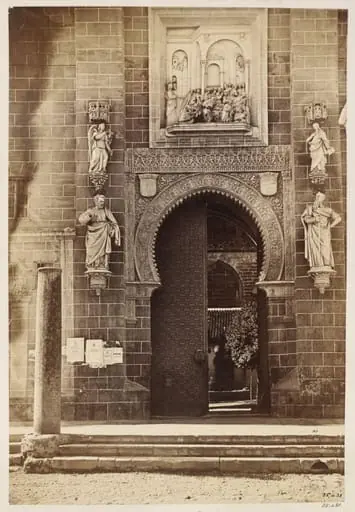 Cathedral Moorish Door (or door of Pardon), Seville
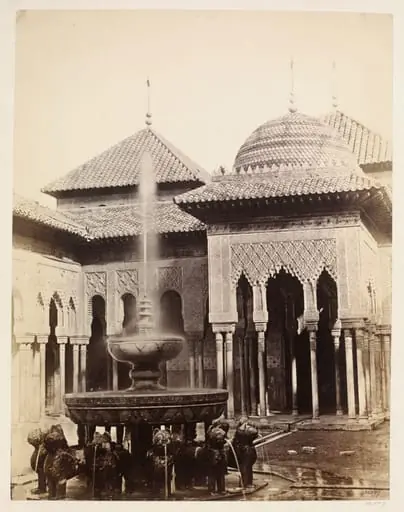 The Alhambra. Fountain and the pavilion of the Court of the Lions
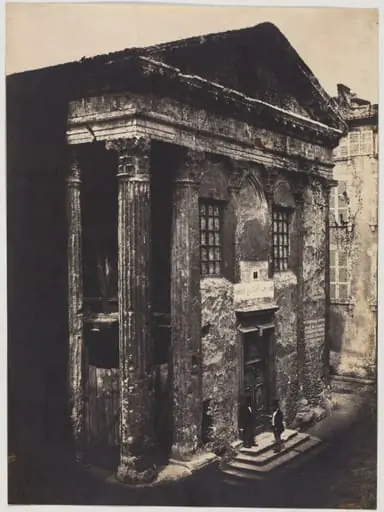 Façade, Temple of Augustus and Livia, Vienne
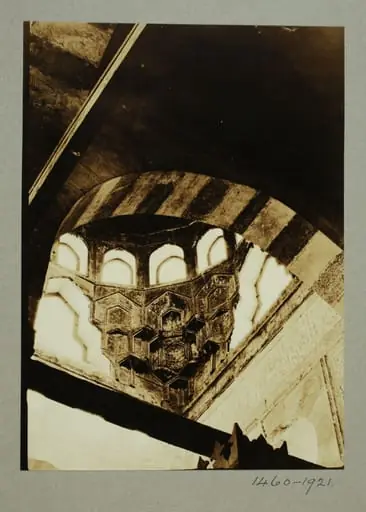 Pendentive of dome over mihrab in the mosque of Qadi Yahya Zayn al-Din (Habbaniyya), Cairo
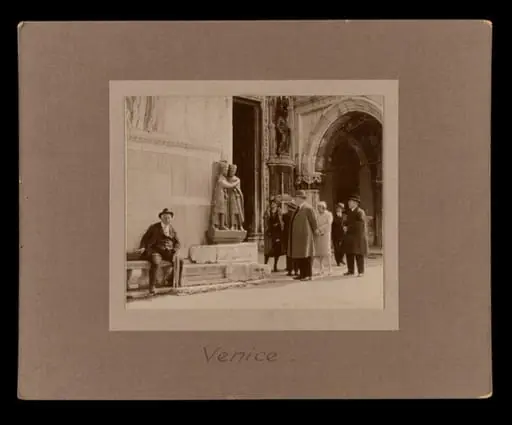 Venice
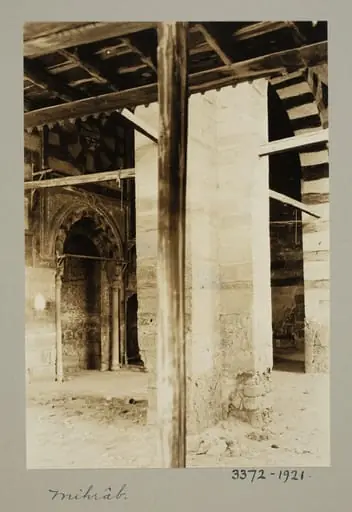 Mihrab of the mosque of Masih Pasha (Nur al-Din), Cairo
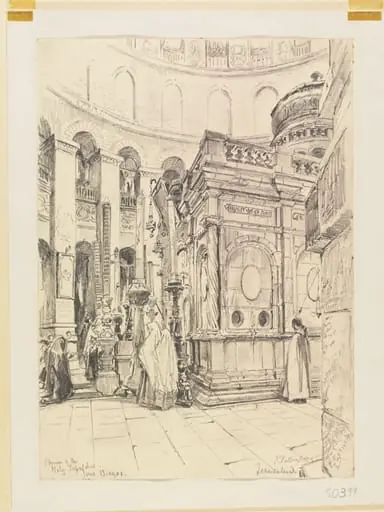 Shrine of the Holy Sepulchre, Jerusalem
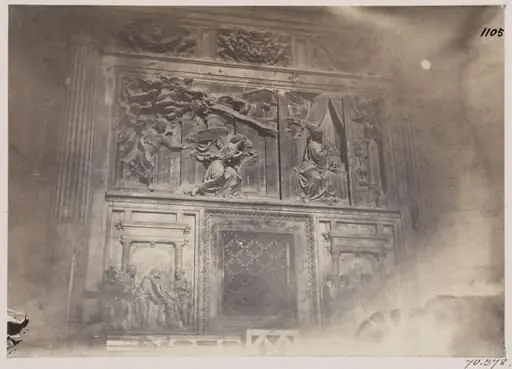 Out of Rome - House of the Blessed Virgin at Loreto. Sculpture of the Annunciation, A.D. 1520
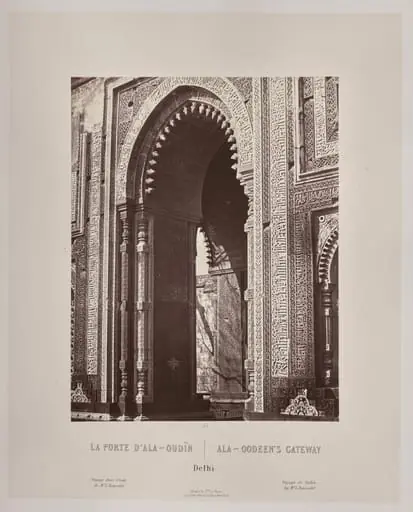 Ala-Oodeen's Gateway, Delhi
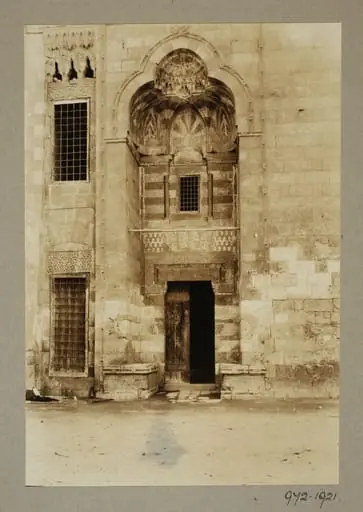 Entrance portal of the mosque of Qadi Yahya Zayn al-Din (Habbaniyya), Cairo