Artwork
The mendicant’s wife deceives him with a soldier, from a Tuti-nama (Tales of a Parrot): Fourth Night
The mendicant’s wife deceives him with a soldier, from a Tuti-nama (Tales of a Parrot): Fourth Night is an unspecified painting by the Mughal Painting artist Unknown. It dates from 1560 and is held in the collection of the Cleveland Museum of Art. This painting illustrates a scene from the Tuti-nama, a collection of tales told by a parrot.
About this work
You see a woman in a red dress sitting under a tree, laughing with a soldier while her husband, turned into an elephant, eats leaves in the background.
You see a woman in a red dress sitting under a tree, laughing with a soldier while her husband, turned into an elephant, eats leaves in the background.
This painting comes from a book of stories told by a parrot to keep its owner from sneaking out at night. The elephant-husband thinks he’s outsmarting fate, but the story says no trick can stop human nature. The bright colors and flat shapes feel like a comic strip from 1560s India.
To see more paintings like this, look up court of Akbar (reigned 1556–1605).
Overview
This painting illustrates a scene from the Tuti-nama, a collection of tales told by a parrot. It depicts a moment from the Fourth Night's story, where a wife deceives her husband, a yogi who has transformed into an elephant.
Subject & Meaning
The narrative revolves around the wife's infidelity, despite her husband's attempts to prevent it by transforming into an elephant. The story highlights the inevitability of human nature, suggesting that no measure can prevent adultery if someone is inclined to commit it.
Technique & Style
Characterized by bright colors and flat shapes, the painting's style is reminiscent of 16th-century Indian art. The composition features a woman in a red dress interacting with a soldier under a tree, while her elephant-husband is shown in the background.
Context
The painting is part of a manuscript associated with the court of Akbar, who reigned from 1556 to 1605. The Tuti-nama's stories, including this one, were meant to entertain and convey moral lessons.
Artist & collection

 Domestic Scene
 Giacomo and Cardinal Marco, investing Andrea, Abbot of San Zeno, with his Benefice
 The Nymph of Fontainebleau
 Portrait of a Woman
 Madonna and Child with Saints in the Enclosed Garden
 Venus and Minerva
 Family Group of Four on Sofa
 Wall painting from Room H of the Villa of P. Fannius Synistor at Boscoreale
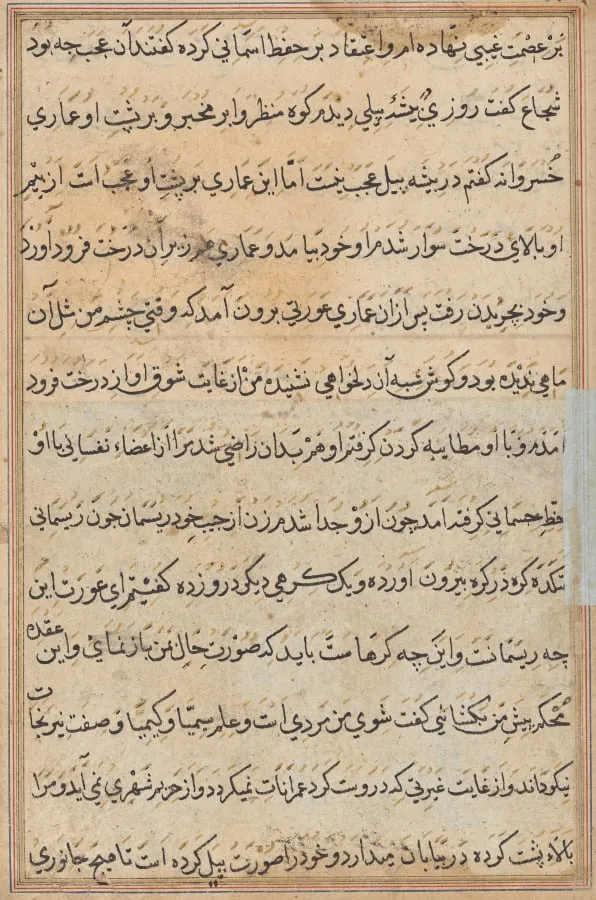
 Page from Tales of a Parrot (Tuti-nama): text page
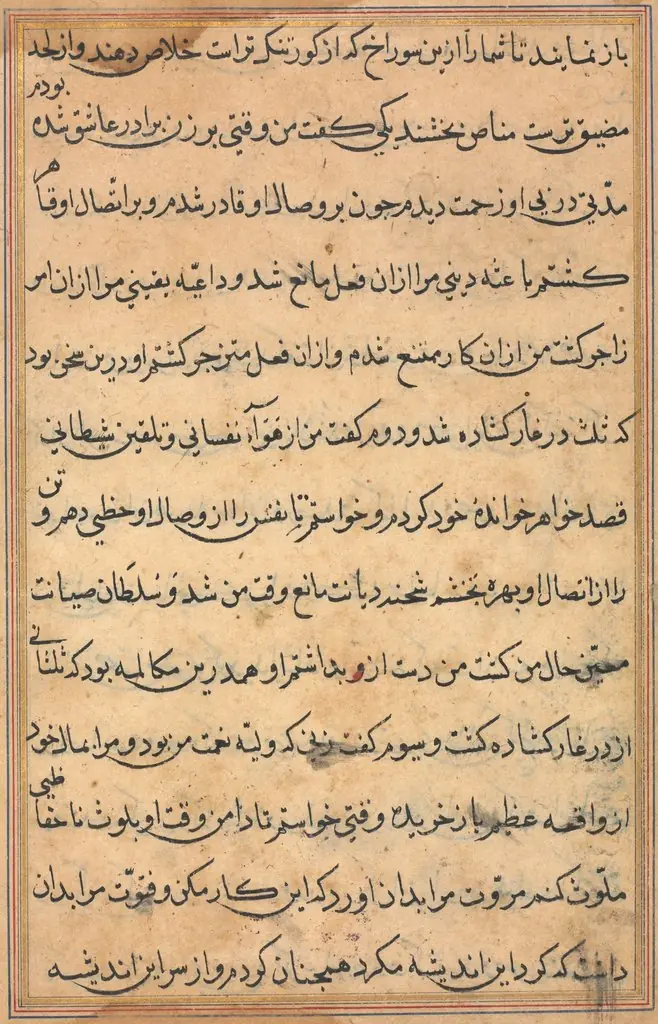
 Page from Tales of a Parrot (Tuti-nama): text page
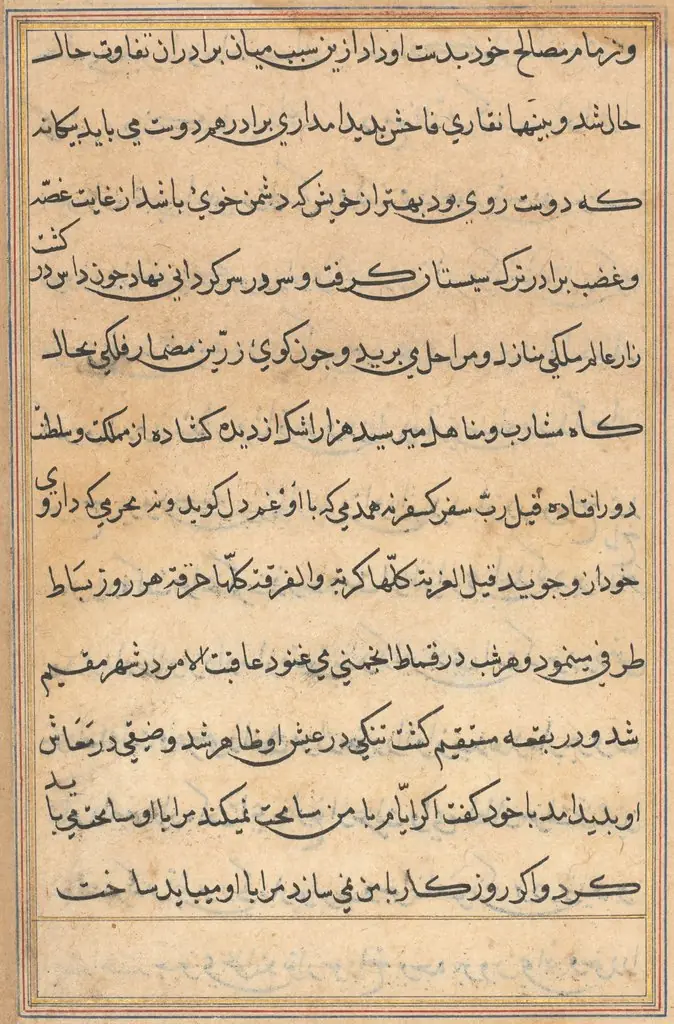
 Page from Tales of a Parrot (Tuti-nama): text page
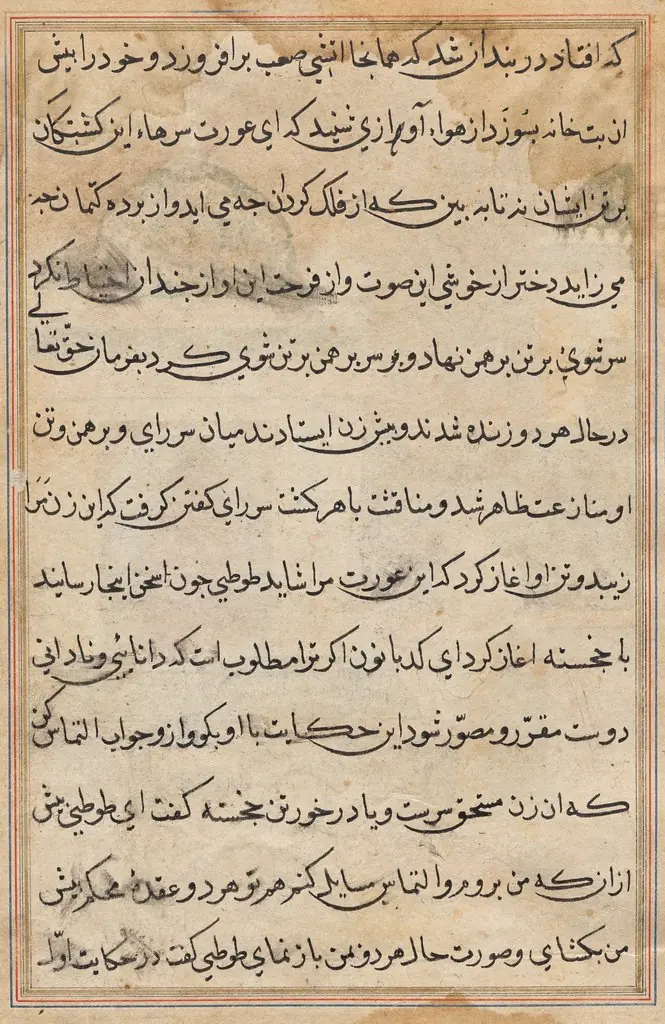
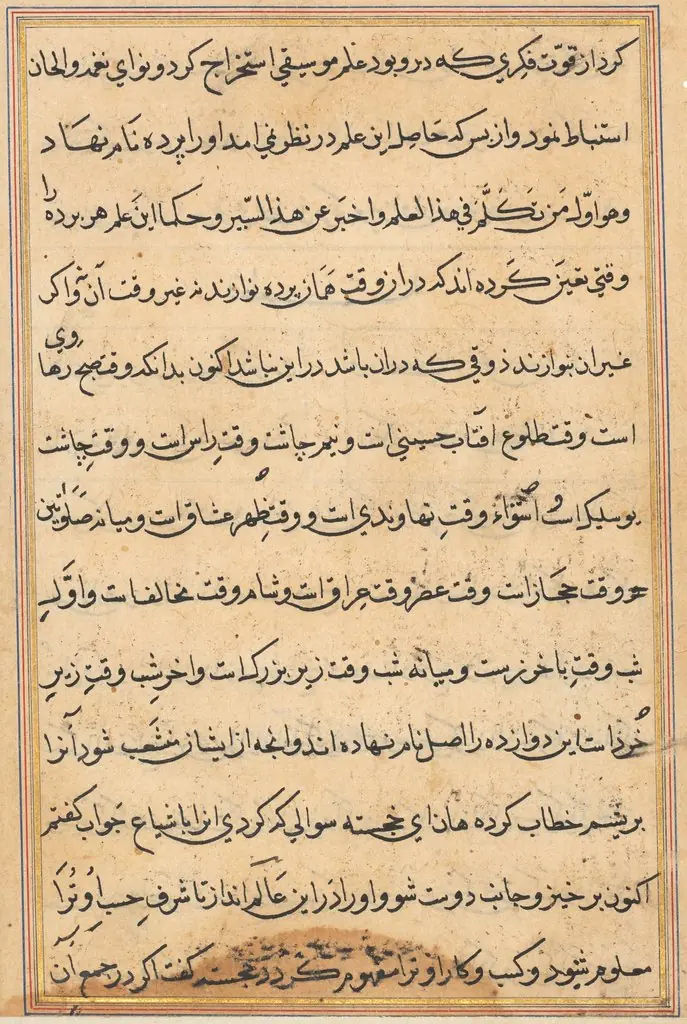 Page from Tales of a Parrot (Tuti-nama): text page
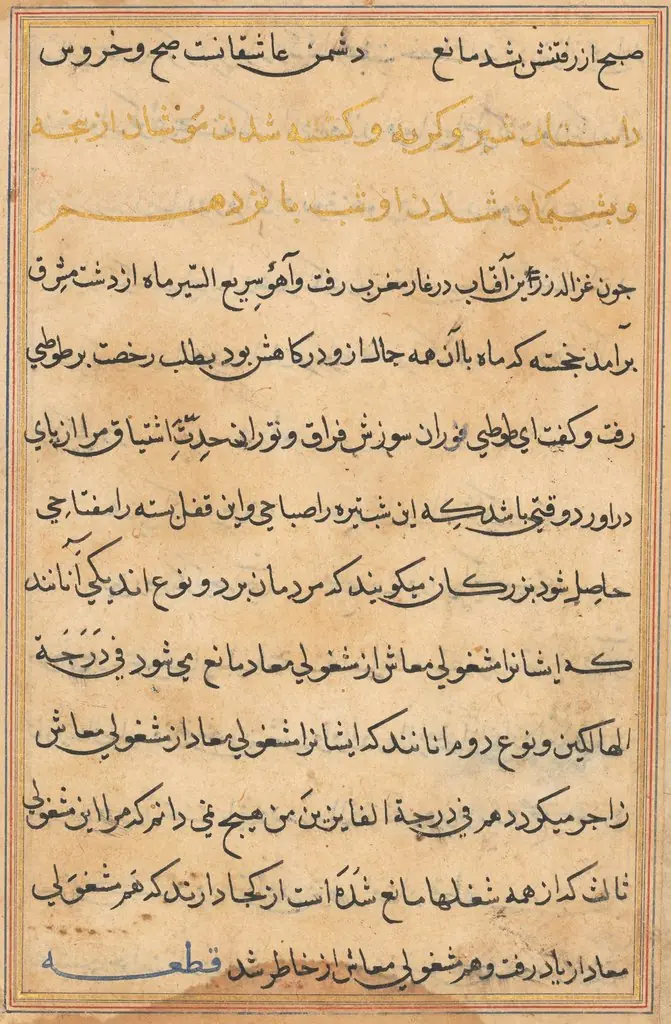 Page from Tales of a Parrot (Tuti-nama): text page
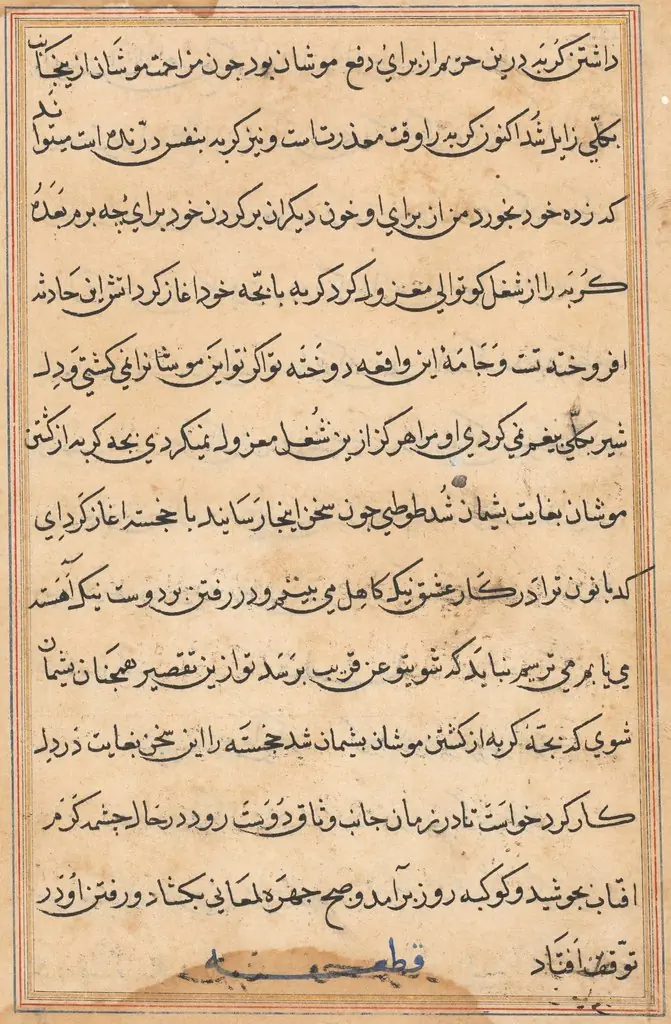 Page from Tales of a Parrot (Tuti-nama): text page
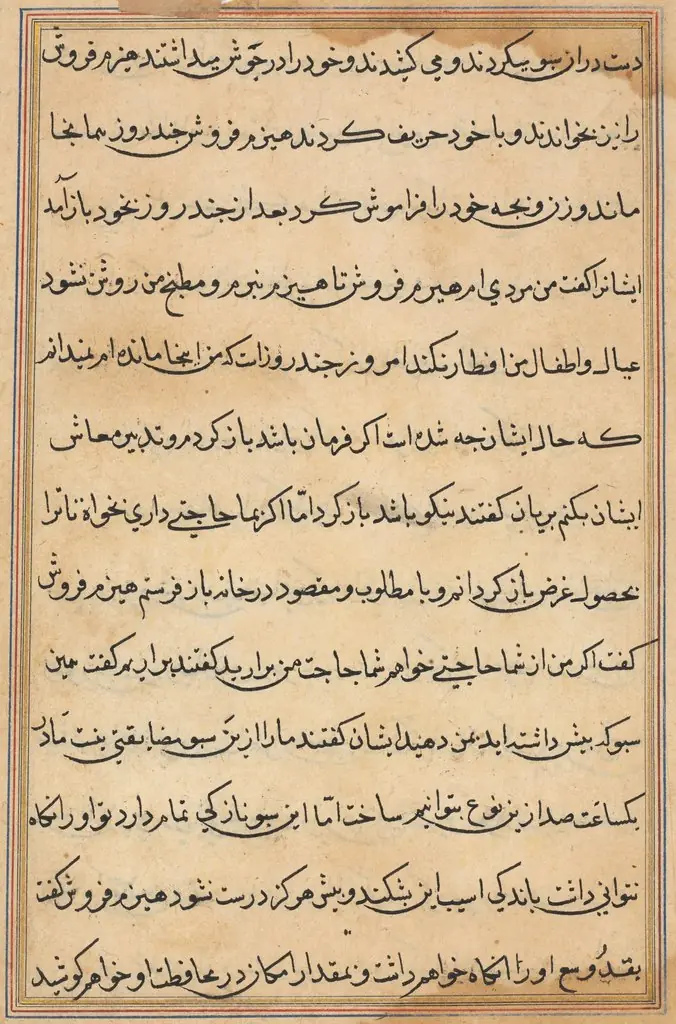 Page from Tales of a Parrot (Tuti-nama): text page
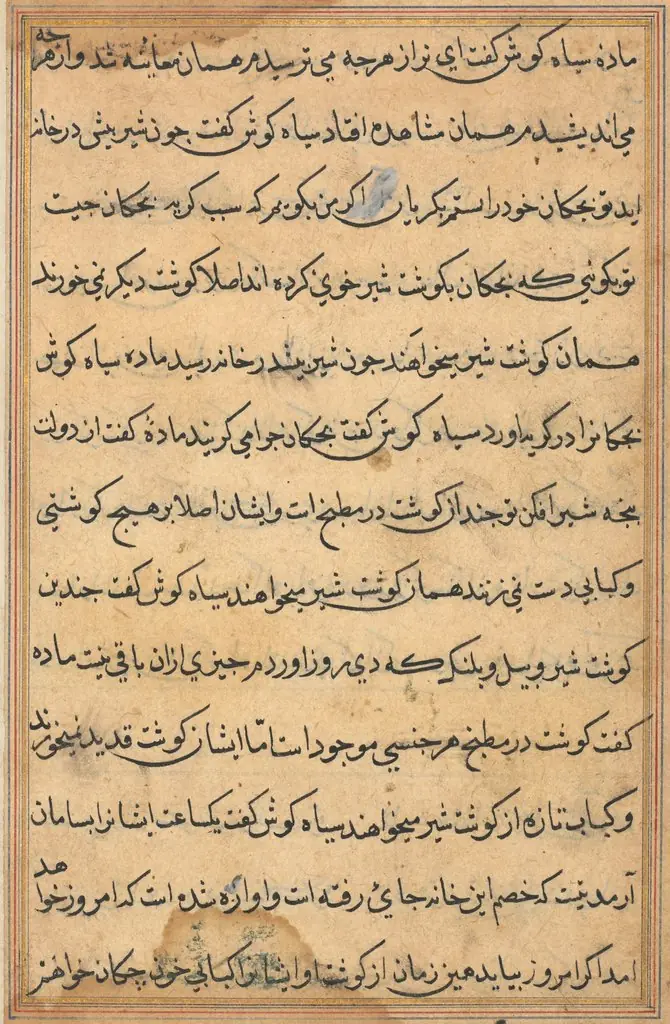 Page from Tales of a Parrot (Tuti-nama): text page
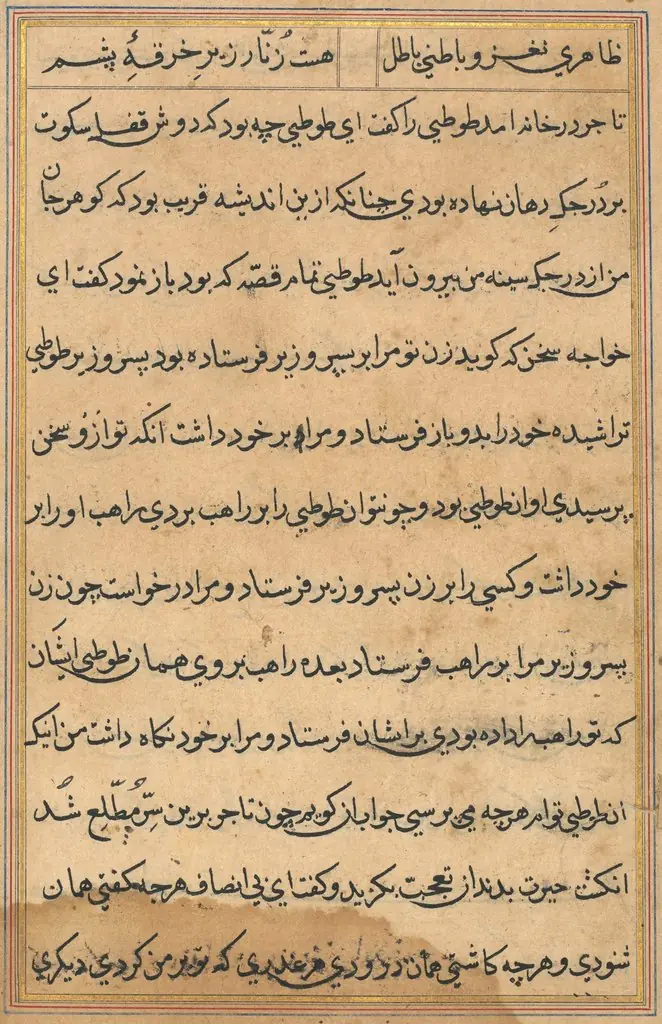 Page from Tales of a Parrot (Tuti-nama): text page
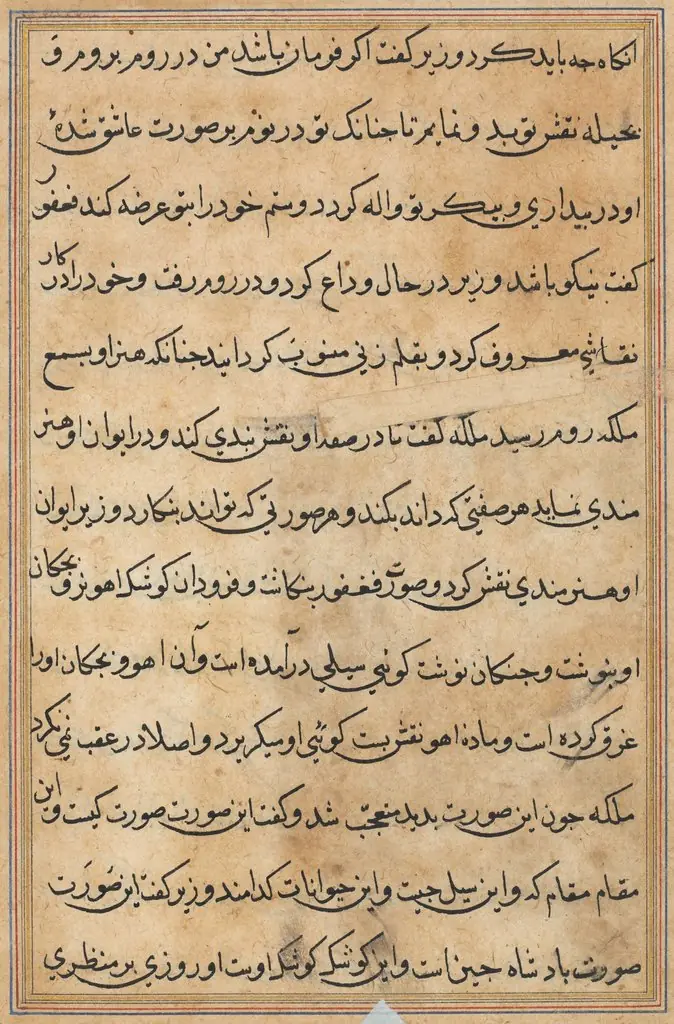 Page from Tales of a Parrot (Tuti-nama): text page
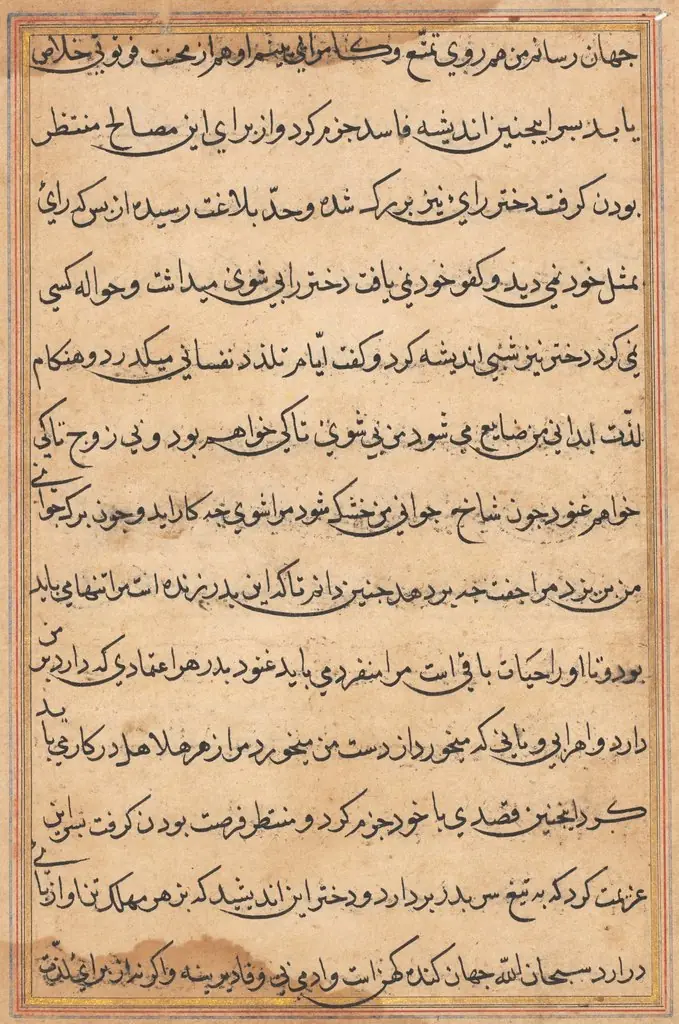 Page from Tales of a Parrot (Tuti-nama): text page
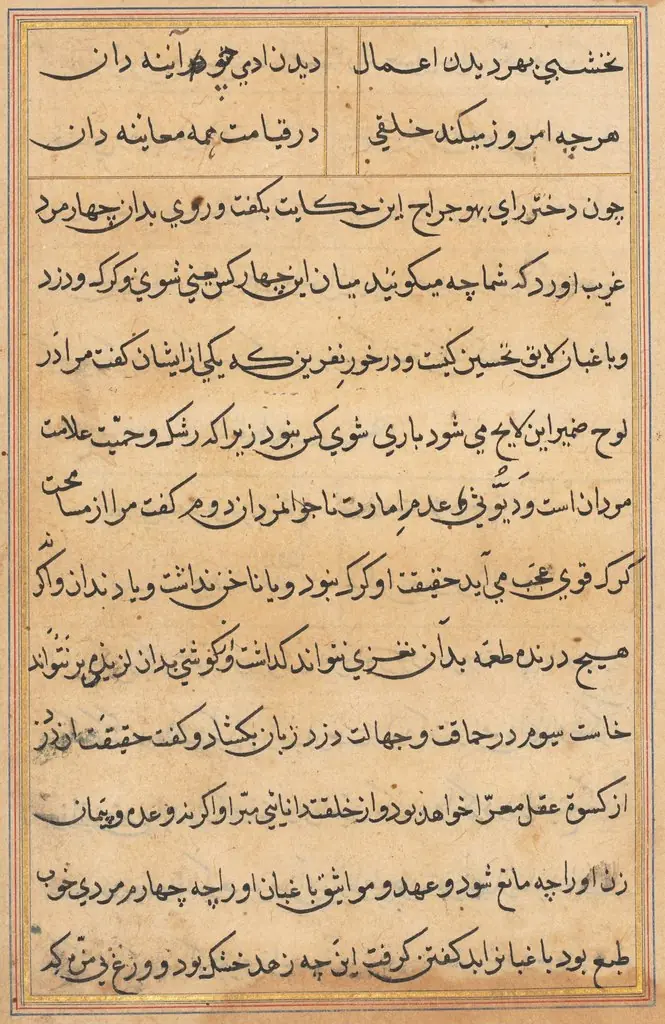 Page from Tales of a Parrot (Tuti-nama): text page