Artwork
Townhouse Facade
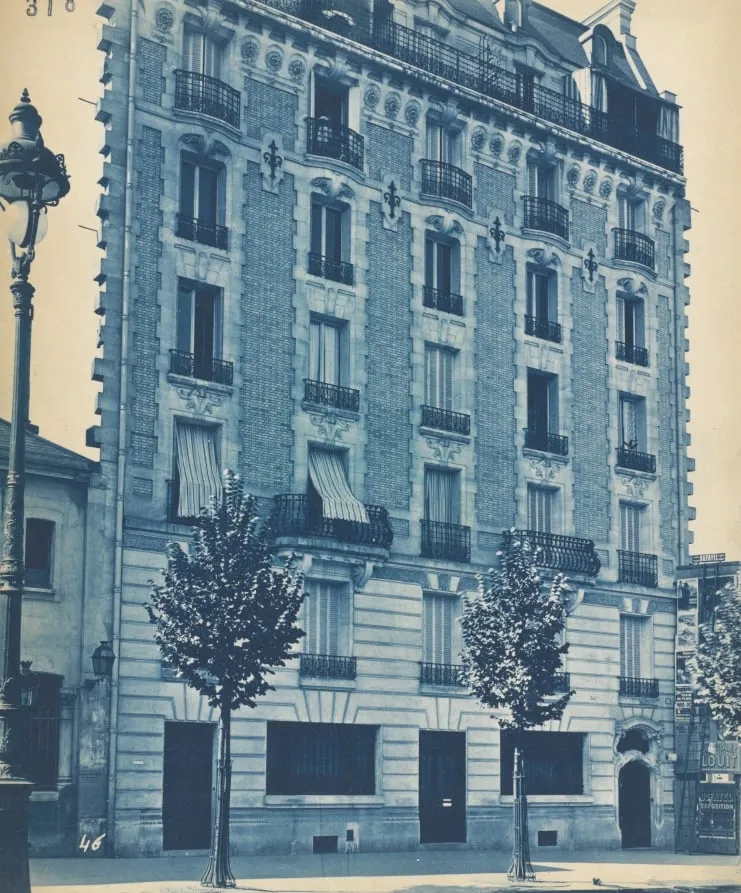
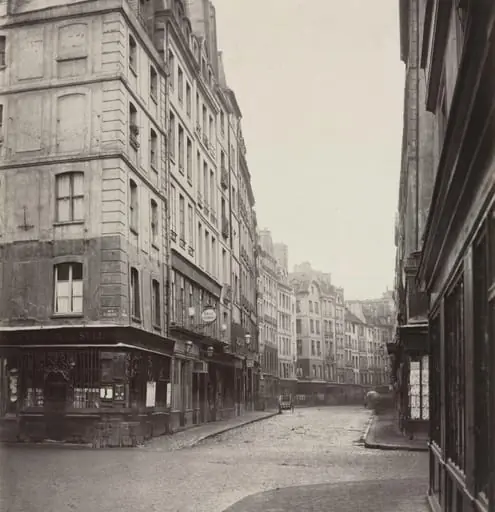
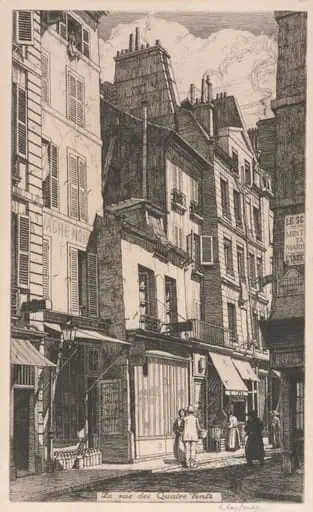
Townhouse Facade is a photography by the Impressionist artist Unknown. It dates from 1900 and is held in the collection of the Cleveland Museum of Art. This photograph captures the facade of a historic urban townhouse, rendered with precise detail.
About this work
Overview
The composition emphasizes architectural order and quiet urban life, avoiding dramatic lighting or stylized effects.
This photograph captures the facade of a historic urban townhouse, rendered with precise detail. The structure features a combination of brick and stone, numerous windows, and decorative balconies. A lamppost anchors the foreground, while mature trees and neighboring buildings frame the scene. The composition emphasizes architectural order and quiet urban life, avoiding dramatic lighting or stylized effects.
Subject & Meaning
The subject is a residential townhouse, representative of 19th-century urban housing in European or North American cities. Its ornate detailing suggests middle- to upper-class occupancy. The absence of people and the stillness of the street evoke a sense of solitude or routine, reflecting the quiet dignity of domestic architecture rather than social activity.
Technique & Style
The image employs a realistic approach, with careful attention to texture, proportion, and spatial depth. Brickwork, stone trim, and wrought iron balconies are rendered with clarity. Shadows and light follow naturalistic patterns, and the background buildings recede with subtle atmospheric perspective. The style prioritizes accuracy over emotional expression or abstraction.
History & Provenance
The photograph likely dates from the late 19th or early 20th century, when architectural documentation became common among photographers and urban planners. Its origin may be tied to a private collection, municipal archive, or academic study of urban development. No known artist or specific location is documented in the available record.
Context
During the period this image was likely made, cities were expanding rapidly, and townhouses like this one symbolized stable, ordered living. Photographers often recorded such facades to preserve architectural heritage amid industrialization. Though associated with realism, the image is sometimes misattributed to Impressionism, which favored loose brushwork and transient light, not architectural precision.
Legacy
This photograph contributes to the historical record of urban domestic architecture. It serves as a reference for preservationists, historians, and architects studying the evolution of residential design. Its value lies not in artistic innovation but in its role as a documentary record of a common yet increasingly rare urban form.
Artist & collection

 Domestic Scene
 Giacomo and Cardinal Marco, investing Andrea, Abbot of San Zeno, with his Benefice
 The Nymph of Fontainebleau
 Portrait of a Woman
 Madonna and Child with Saints in the Enclosed Garden
 Venus and Minerva
 Family Group of Four on Sofa
 Wall painting from Room H of the Villa of P. Fannius Synistor at Boscoreale
 Rue du Regard
 Quay Montebello
 Street in Dijon
 Rue de la Ferronnerie
 Tourelle de la rue de la Tixéranderie
 House with a Turret, rue de la Tixéranderie, Paris
 Rue de la Victoire (70). Hôtel Bonaparte
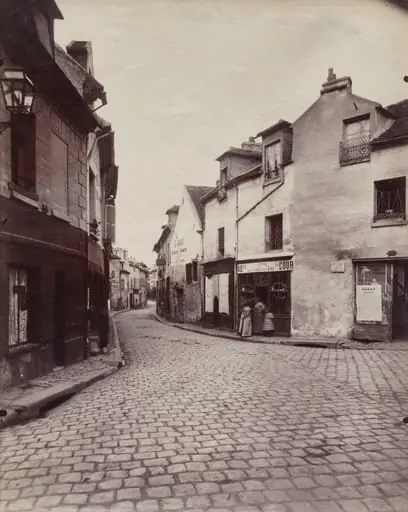 Clamart (Vielle Rue)
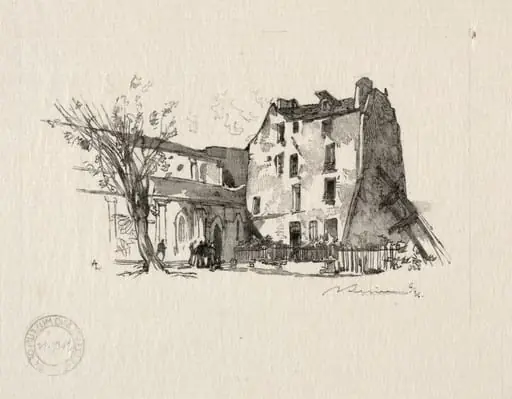 St. Julien le Pauvre: Le Presbytère
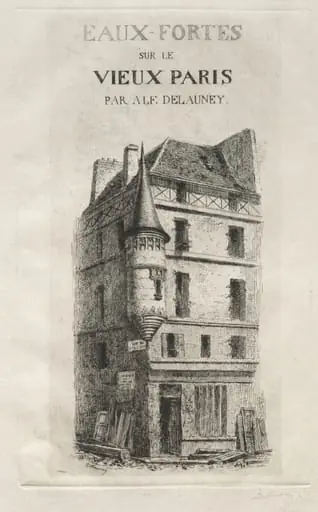 Tourelle rue de coq Saint-Jean
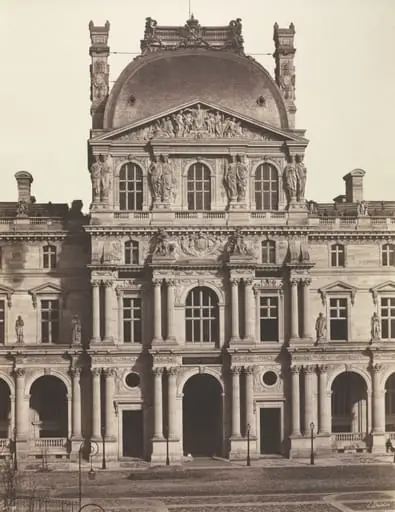 Pavilion Richelieu, Louvre, Paris
 La rue des Quatre Vents