Artwork
Two Putti
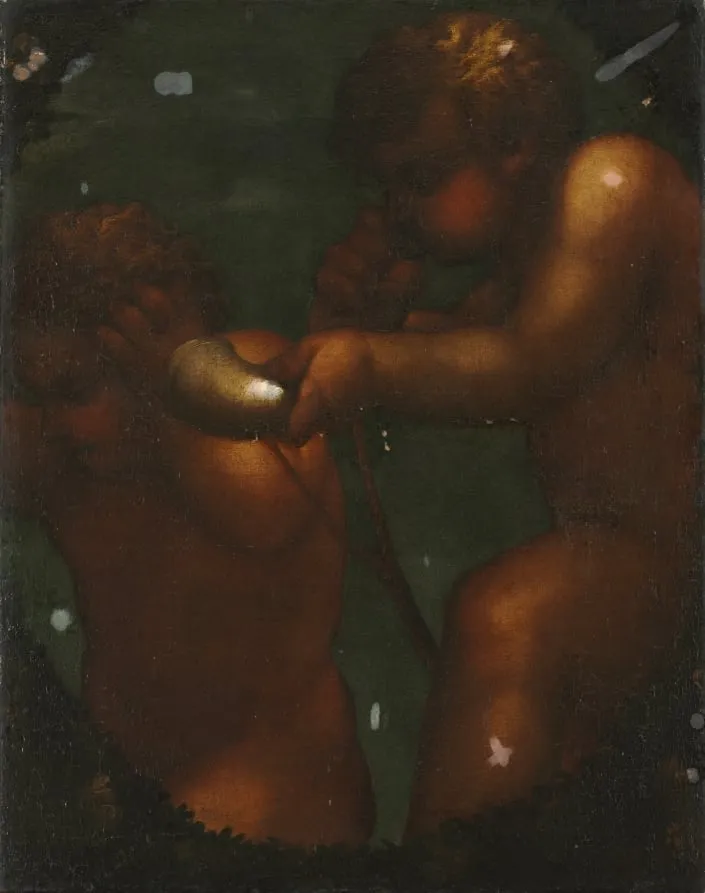
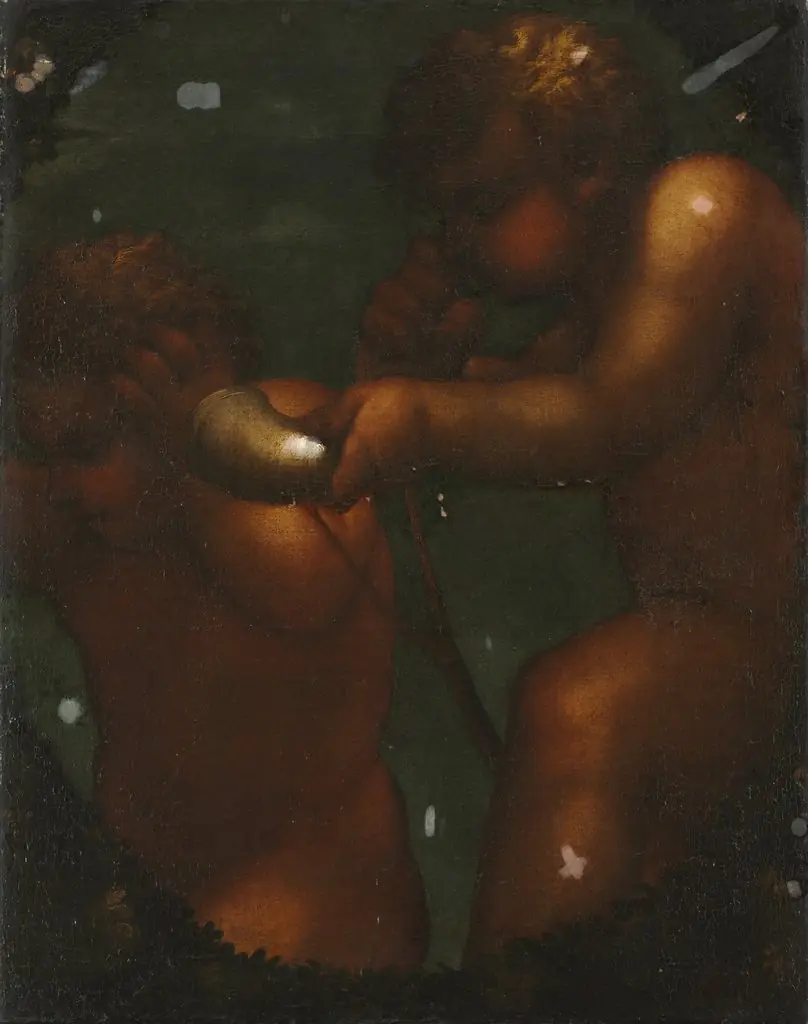
Two Putti is an unspecified painting by the Baroque artist Unknown. It dates from 1704 and is held in the collection of the Cleveland Museum of Art. The work presents a pair of cherubic figures, commonly known as putti, engaged in a lighthearted interaction.
About this work
Overview
The work presents a pair of cherubic figures, commonly known as putti, engaged in a lighthearted interaction. One child‑like figure presses a horn to the other's ear while the second shields his ears with his hands, his mouth open in a gesture of protest. The scene is set against a muted green background that has darkened over time, and the original pink flesh tones now appear bronzed.
Subject & Meaning
The composition captures a moment of playful mischief, illustrating the traditional Renaissance fascination with infant angels as symbols of innocence and divine humor. The act of one putto blowing a horn into the other's ear suggests a gentle teasing, a motif often employed to convey the fleeting nature of joy and the innocence of youthful interaction.
Technique & Style
Executed in oil on panel, the painting originally featured a bright green‑blue sky that has since shifted to a mossy hue due to varnish discoloration. The artist employed a soft modeling of flesh, typical of early 16th‑century Italian practice, though the pigments have aged, turning the pink tones to a bronze patina and the gray horn to a brass‑like sheen.
Context
The imagery echoes the playful putti Correggio painted in 1519 for the oval ceiling frescoes of the Camera di San Paolo in Parma. Those frescoes were commissioned by Abbess Gioanna da Piacenza for her private quarters in the Benedictine convent. After her death the convent remained closed to visitors for nearly two centuries, limiting direct exposure to the works.
History & Provenance
The present painting may derive from sketches made of Correggio’s frescoes during the abbess’s lifetime, or it could be the result of an artist who, after the convent reopened to the public, studied the originals and adapted their motifs. The work thus reflects both the transmission of Correggio’s designs and the continued appeal of his putti in later artistic circles.
Artist & collection

 Domestic Scene
 Giacomo and Cardinal Marco, investing Andrea, Abbot of San Zeno, with his Benefice
 The Nymph of Fontainebleau
 Portrait of a Woman
 Madonna and Child with Saints in the Enclosed Garden
 Venus and Minerva
 Family Group of Four on Sofa
 Wall painting from Room H of the Villa of P. Fannius Synistor at Boscoreale
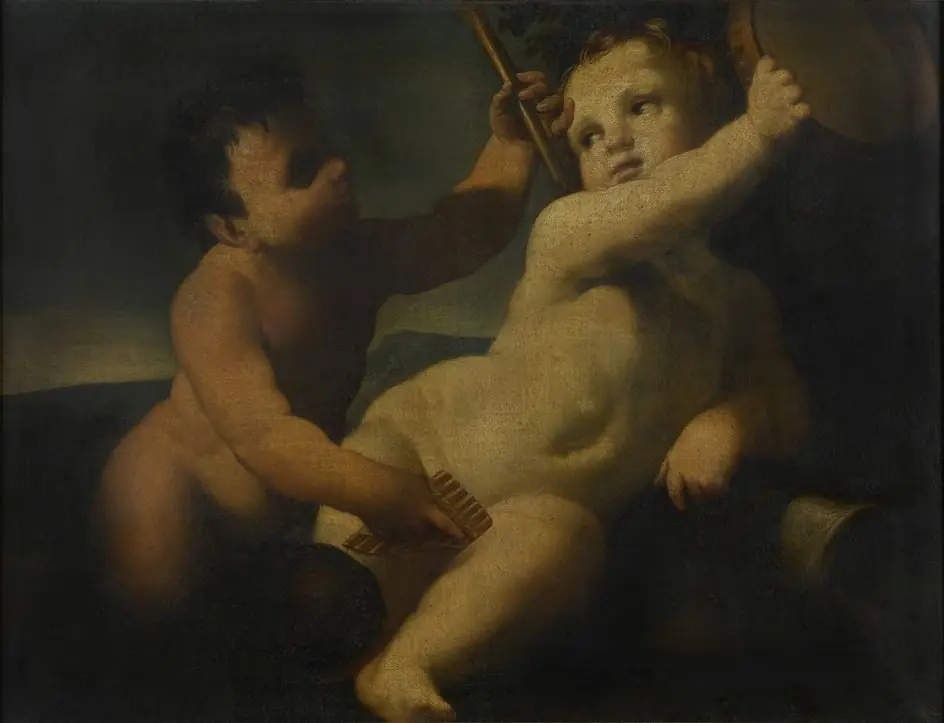 A Putto with a Tambourine and an Infant Satyr with a Panpipe
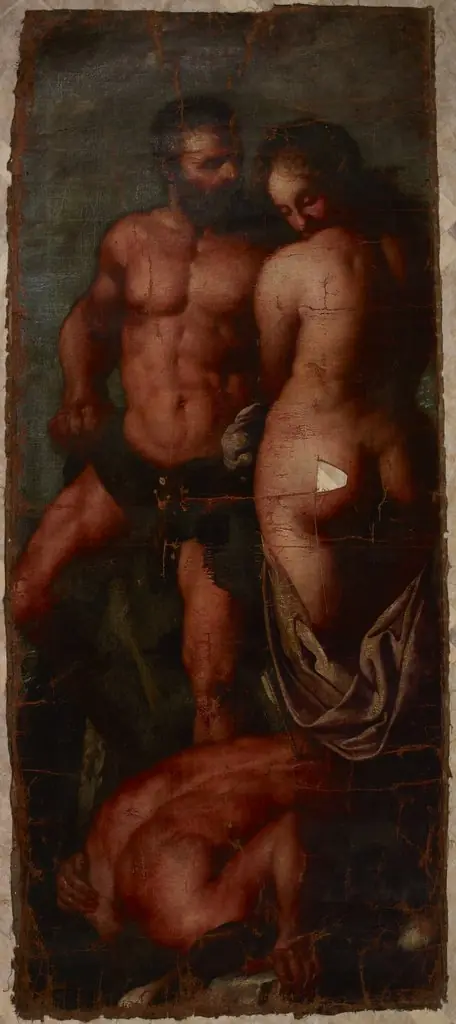 Mythological Scene (Hercules and Deianira?)
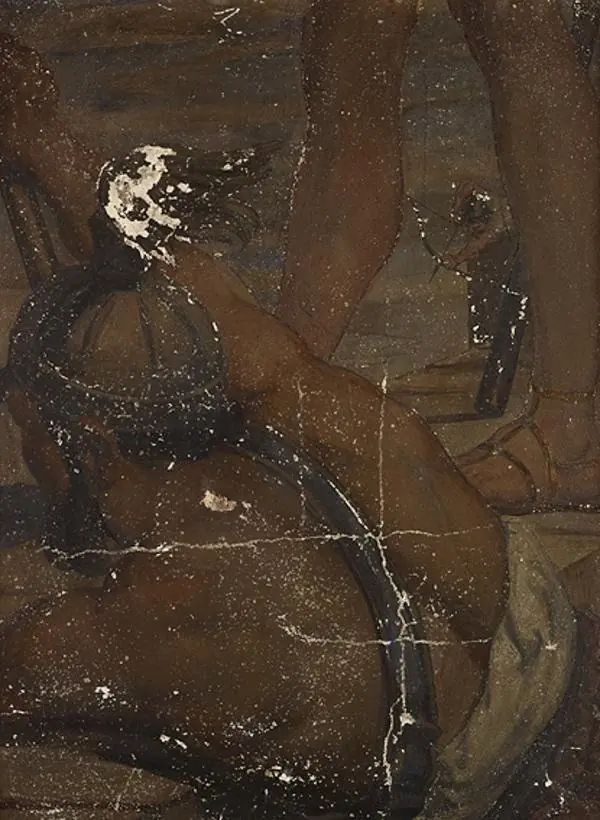 'The Fall of the Giants' (fragment)
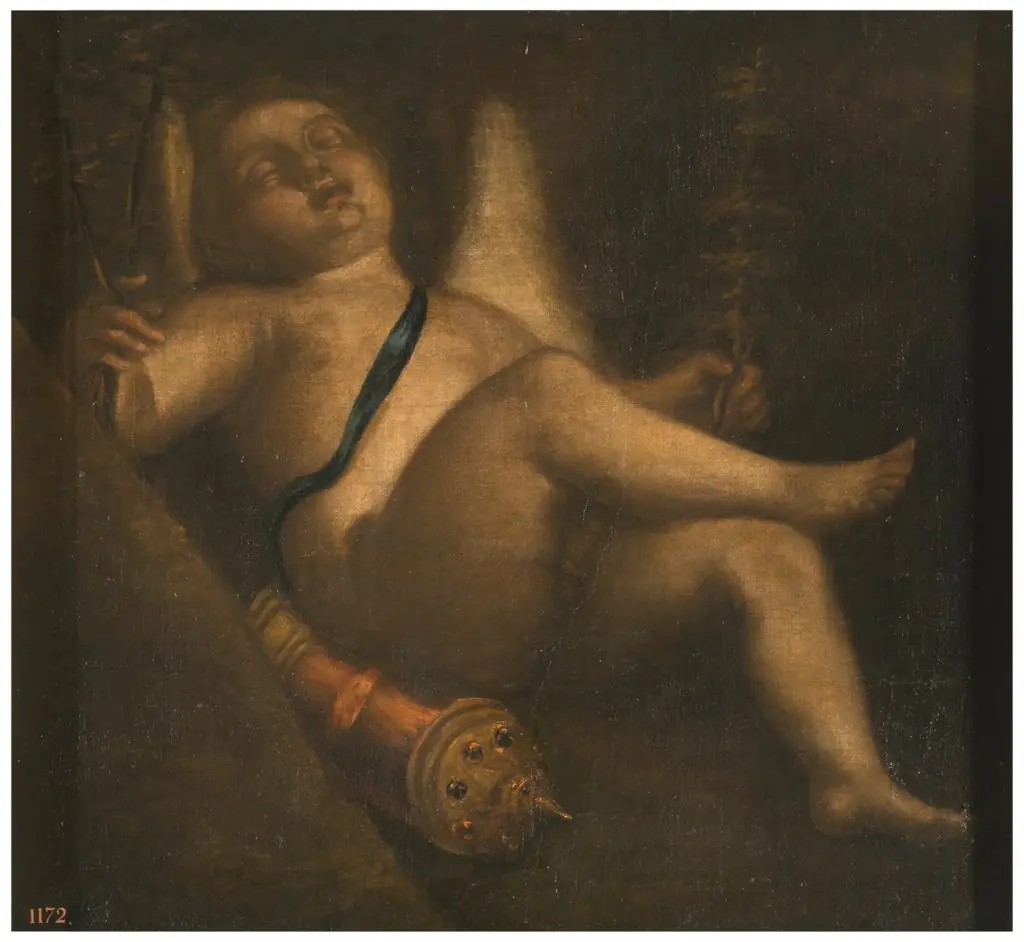 El Amor dormido
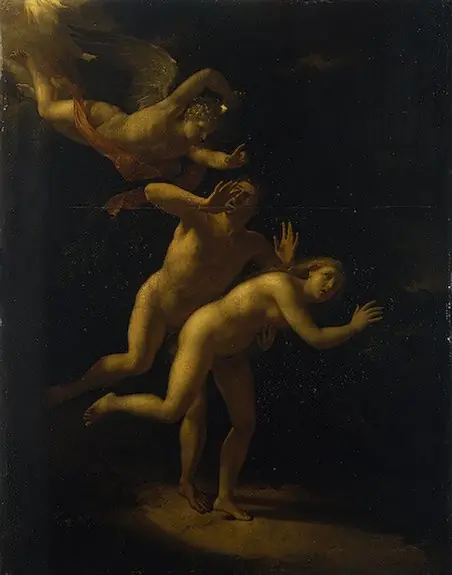 The Expulsion
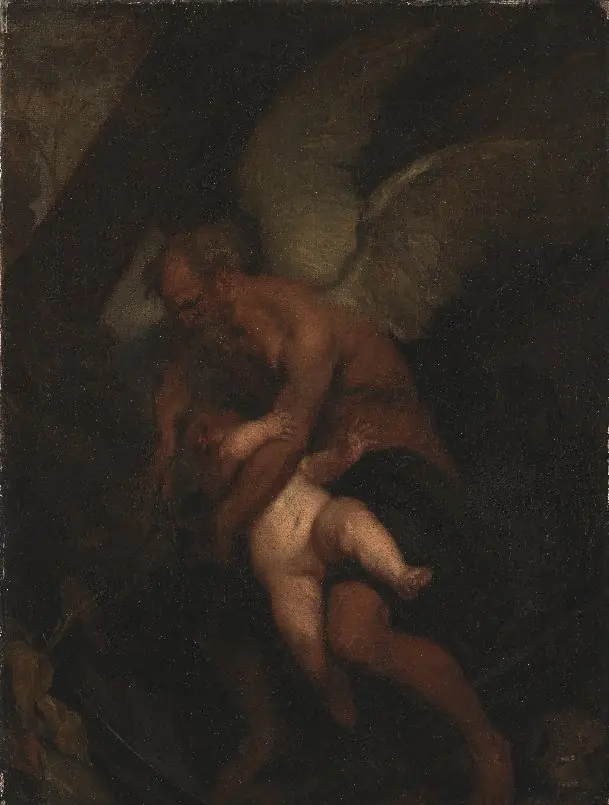 Time Clipping Cupid's Wings
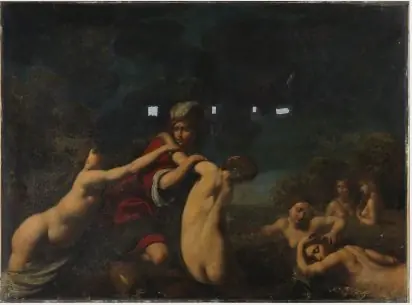 Hylas and the Nymphs
 Atlas
Atlas Visions of the Hereafter: Fall of the Damned into Hell
 Ceres and Bacchus
 Crowning of Cupid
 Two Putti