Artwork
Western front of the great temple at Halebid
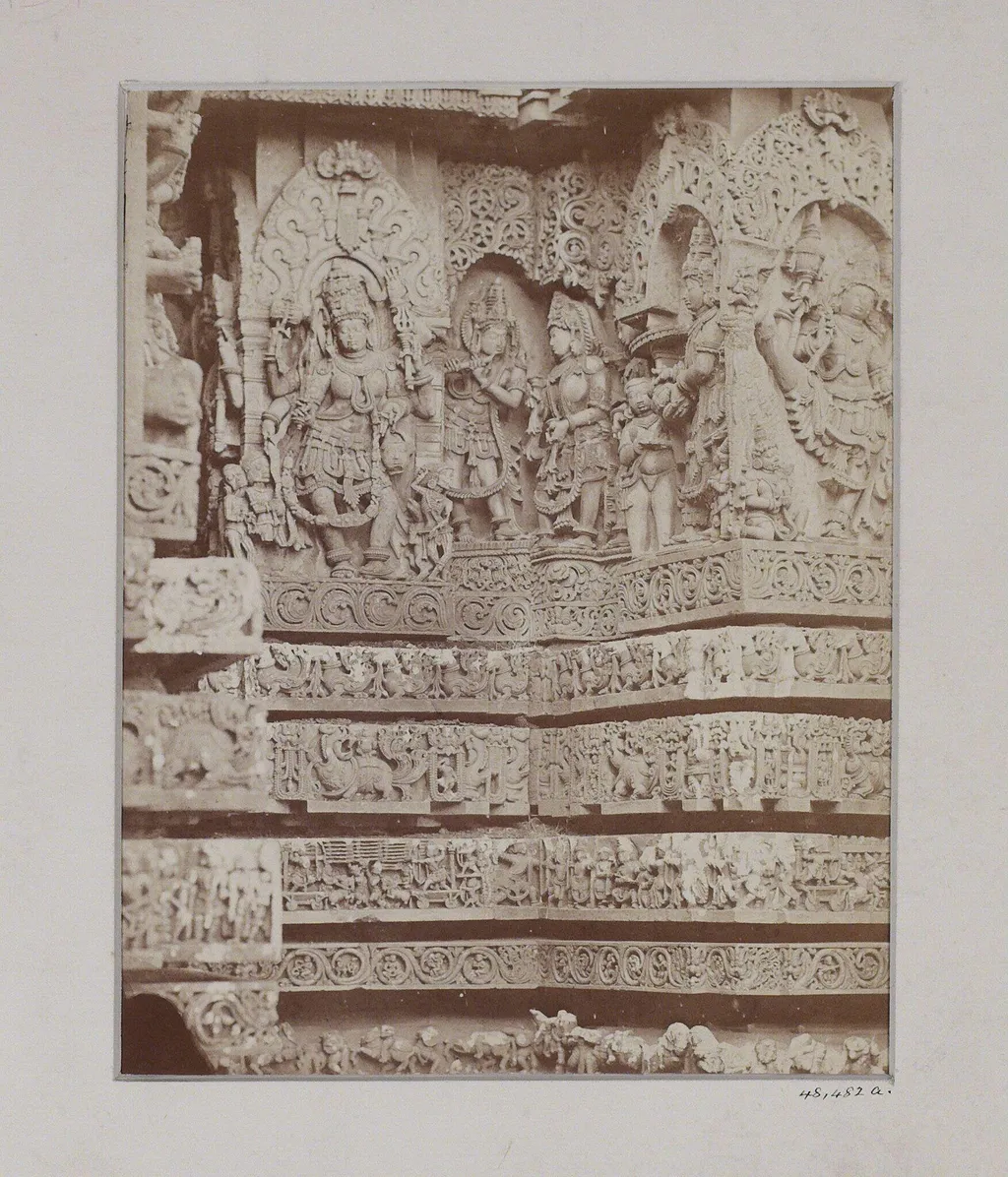
Western front of the great temple at Halebid is a photographic photography by Unknown. It dates from 1850 and is held in the collection of the Victoria and Albert Museum.
About this work
Overview
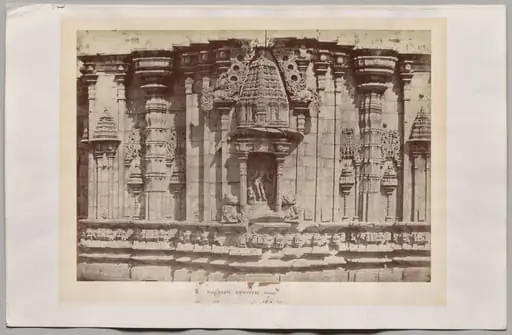
This photograph captures the western facade of the Hoysaleshwara Temple in Halebid, a 12th- to 13th-century structure commissioned by the Hoysala rulers.
This photograph captures the western facade of the Hoysaleshwara Temple in Halebid, a 12th- to 13th-century structure commissioned by the Hoysala rulers. The surface is densely covered with carved stone reliefs, arranged in horizontal bands that extend across the wall. The composition emphasizes rhythmic repetition and narrative layering, characteristic of South Indian temple design. The image records the temple’s exterior as it appears today, preserving the scale and density of its ornamentation.
Subject & Meaning
The reliefs depict scenes from Hindu mythology, primarily centered on Shiva and his associated deities, legends, and cosmic symbolism. Upper registers feature processions of divine figures, musicians, and attendants, while lower bands illustrate daily life, animals, and mythic creatures. These narratives function as both devotional imagery and cosmological maps, guiding viewers through sacred stories encoded in stone. The arrangement reflects a hierarchical visual language, with celestial beings above and earthly realms below.
Technique & Style
Artisans employed fine-grained chloritic schist, allowing for intricate, deep carving with sharp definition. Figures are rendered with elaborate headdresses, layered textiles, and detailed jewelry, each element meticulously undercut to create shadow and volume. The carving technique combines high relief with fine incision, enabling texture differentiation—skin, fabric, and foliage are rendered with distinct tactile qualities. The composition avoids empty space, filling every surface with rhythmic, interlocking forms.
History & Provenance
The temple was constructed between approximately 1121 and 1235 CE under the patronage of Hoysala kings, notably Vishnuvardhana and his successors. Halebid served as the dynasty’s capital, and the temple was a center of religious and civic life. Though partially damaged during later invasions, the western facade remained largely intact. The photograph likely originates from 19th- or early 20th-century documentation efforts, possibly linked to colonial archaeological surveys or museum collections.
Context
The Hoysala style emerged in the Deccan region as a distinct response to earlier Chalukyan and Pallava traditions, emphasizing sculptural density over structural monumentality. Temples like Halebid were not merely places of worship but public monuments where art, theology, and governance converged. The proliferation of narrative panels mirrored broader trends in South Indian temple architecture, where walls became canvases for religious storytelling accessible to diverse audiences.
Legacy
The temple’s carvings influenced later South Indian sculptural traditions and remain a key reference for the study of medieval Indian art. Photographs of its facades, like this one, helped introduce Hoysala art to global audiences in the 19th century. Many fragments and casts from Halebid entered museum collections, including the Victoria and Albert Museum, where they continue to inform scholarly and public understanding of pre-modern Indian craftsmanship.
Artist & collection

 Domestic Scene
 Giacomo and Cardinal Marco, investing Andrea, Abbot of San Zeno, with his Benefice
 The Nymph of Fontainebleau
 Portrait of a Woman
 Madonna and Child with Saints in the Enclosed Garden
 Venus and Minerva
 Family Group of Four on Sofa
 Wall painting from Room H of the Villa of P. Fannius Synistor at Boscoreale
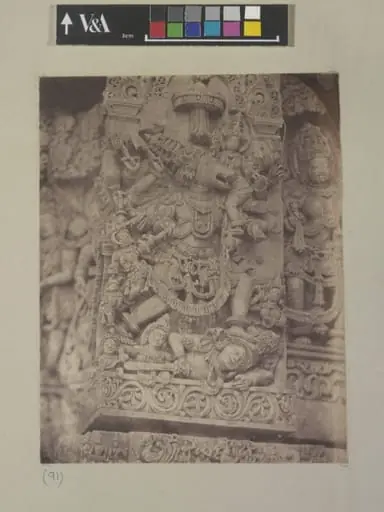 Hindoo Temple Sculptures, Southern India, Hullabeed
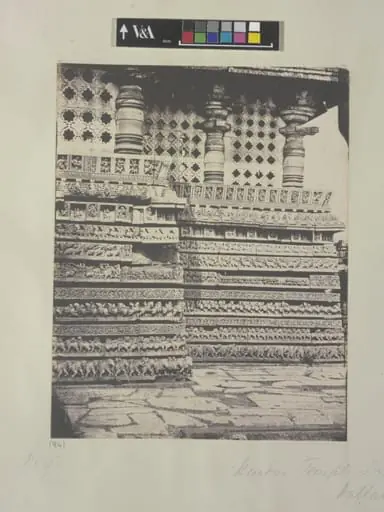 Hindoo Temple Sculpture, Southern India, Hullabeed
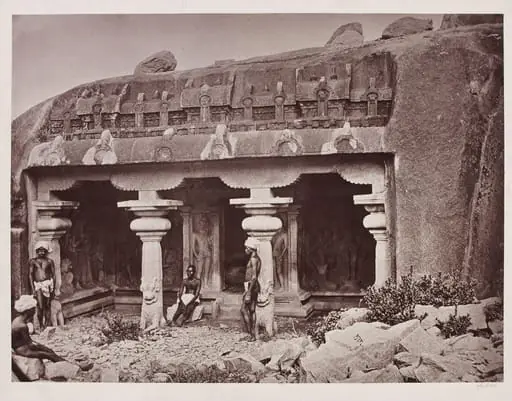 Cave sanctuary at Mahabalipuram
 Kirwuttee, A Temple, India
 Entrance to the Nata Dewale Grounds, Kandy
 Goldsmith's Arch, Rome
 Sculpture at Hungul
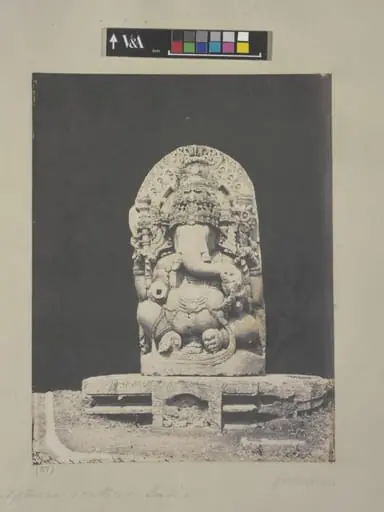 Hindoo Temple Sculptures, Southern India, Hullabeed
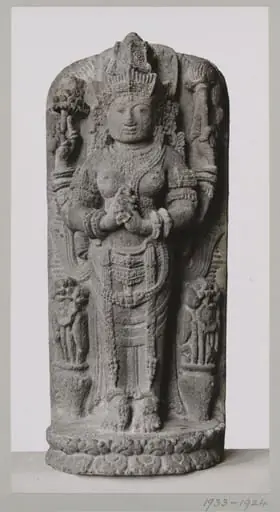 East Javanese volcanic rock sculpture, relief figure of Umā, early 15th century, V&A Museum, London