Artwork
Hindoo Temple Sculptures, Southern India, Hullabeed
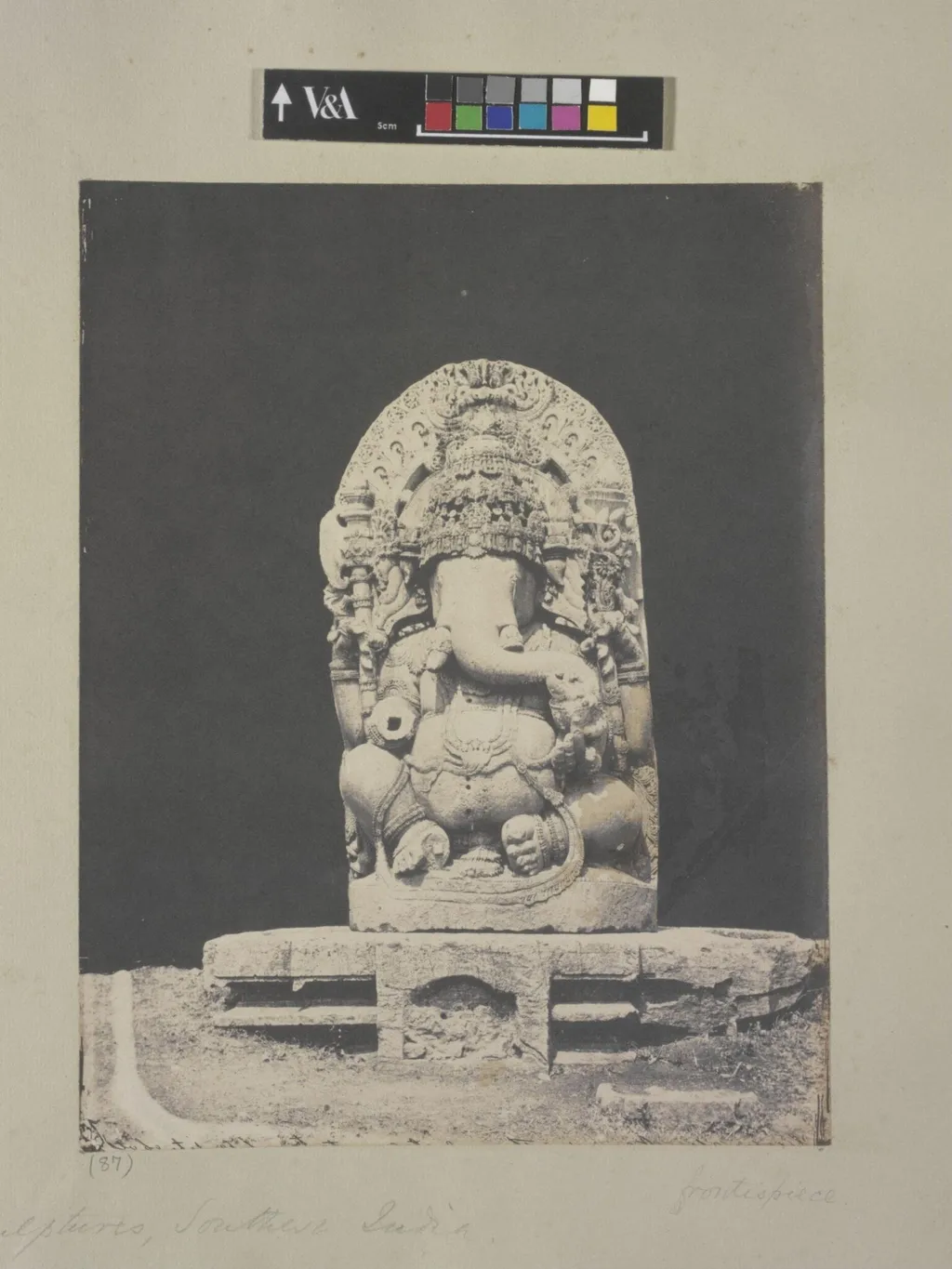
Hindoo Temple Sculptures, Southern India, Hullabeed is a photographic photography by the Impressionist artist Andrew Charles Brisbane Neill. It dates from 1855 and is held in the collection of the Victoria and Albert Museum.
About this work
Overview
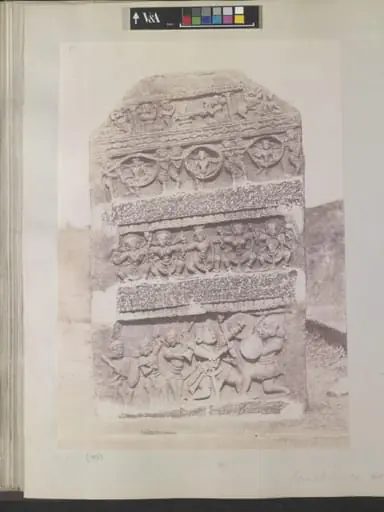
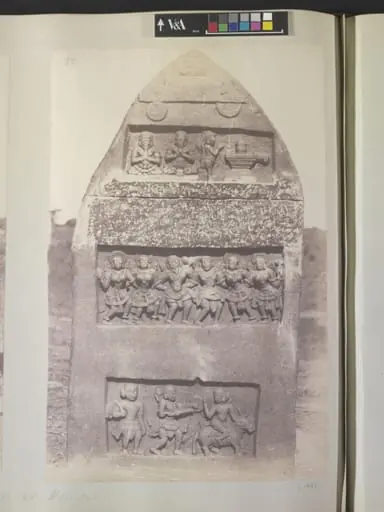
Andrew Charles Brisbane Neill’s photograph, dated around 1855, records a stone sculpture from a Southern Indian Hindu temple. The image, now part of the Victoria and Albert Museum’s collection, presents a weathered carving that once stood amid temple ruins. Neill’s work offers a mid‑nineteenth‑century visual record of Indian religious art as it appeared in situ.
Subject & Meaning
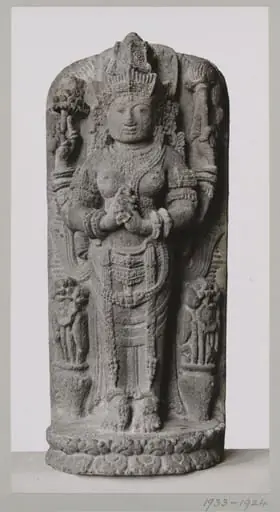
The sculpture depicts a seated deity with four arms, perched upon a lion, a motif common in Hindu iconography that conveys divine authority and power. The figure wears an intricately patterned headdress and grasps distinct objects in each hand, suggesting specific attributes and mythological associations, while the lion base reinforces themes of protection and sovereignty.
Technique & Style
Carved from stone, the statue exhibits the high relief typical of South Indian temple art, with deep folds in the drapery and detailed ornamentation on the headdress. The surface shows signs of erosion and breakage, indicating long exposure to the elements. Neill’s black‑and‑white photograph captures the texture of the stone, emphasizing the carving’s three‑dimensional qualities.
History & Provenance
Taken during Neill’s photographic survey of Southern Indian temples in the 1850s, the image entered the Victoria and Albert Museum’s holdings as part of its 19th‑century Asian collection. The photograph has remained in the museum’s archives, serving as a reference for scholars studying the condition and context of temple sculptures from that period.
Context
The image reflects a broader Victorian interest in documenting colonial territories and their cultural heritage. By recording the sculpture amid its ruined setting, Neill contributed to contemporary understandings of Indian religious architecture and provided visual evidence of the temple’s deteriorated state, which has informed later conservation efforts.
Artist & collection
Artist
Neill lugged a big wooden camera into Southern India in the 1850s and set up in front of sun-baked temples, waiting for the light to flatten shadows so the carvings would read sharp as type.

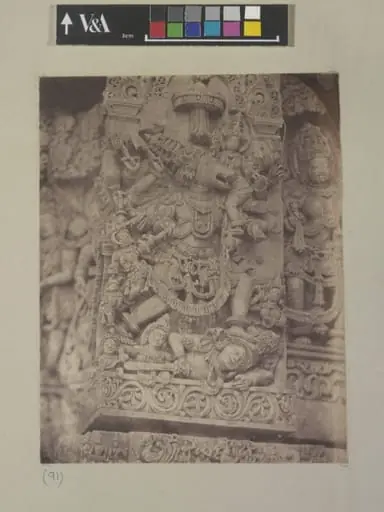 Hindoo Temple Sculptures, Southern India, Hullabeed
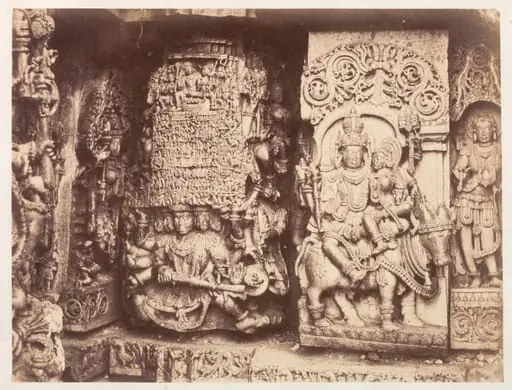 Hoyshaleshvara Temple Sculpture, Halebidu (Halebeedu)
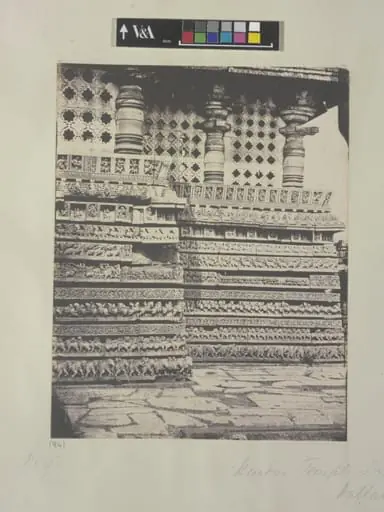 Hindoo Temple Sculpture, Southern India, Hullabeed
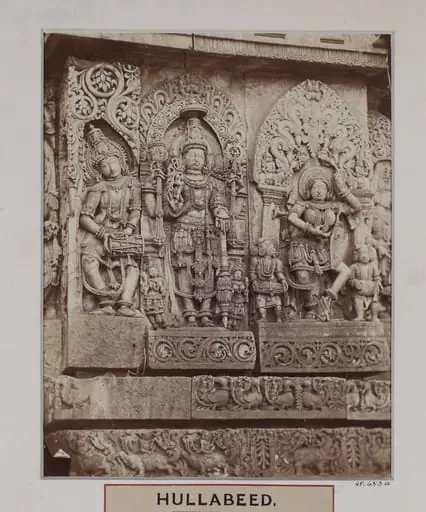 Relief sculpture of the great temple at Halebid
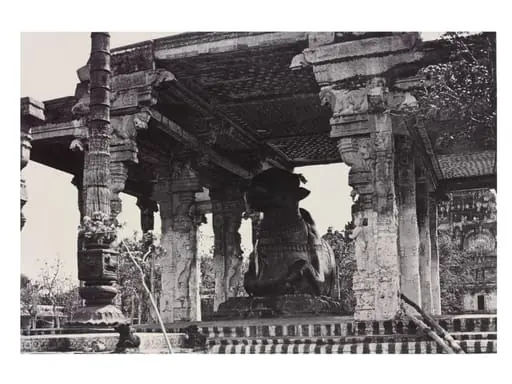 The Great Bull
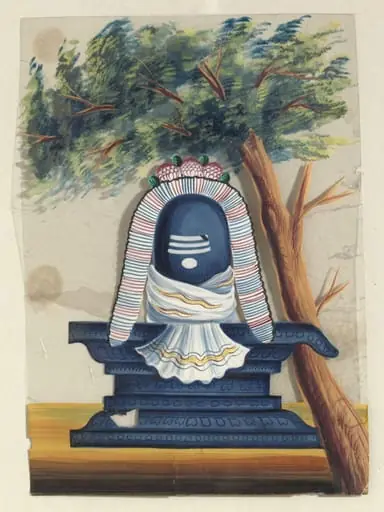 One of three paintings of Hindu deities.
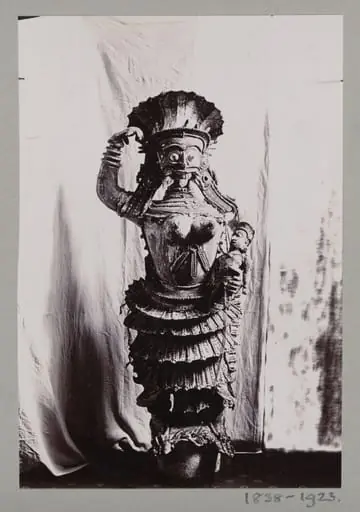 Carved wood sculpture, Goddess, Javanese (?)
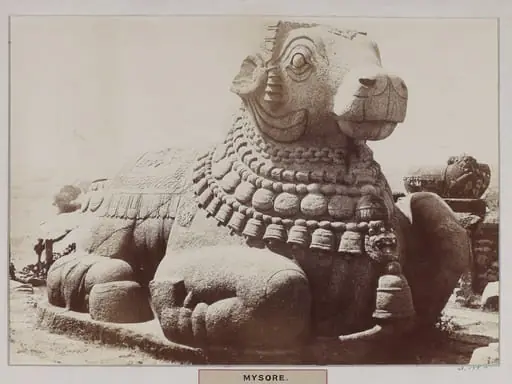 Sculpture of Nandi at the French rocks at Mysore