Artwork
Sculpture at Hungul
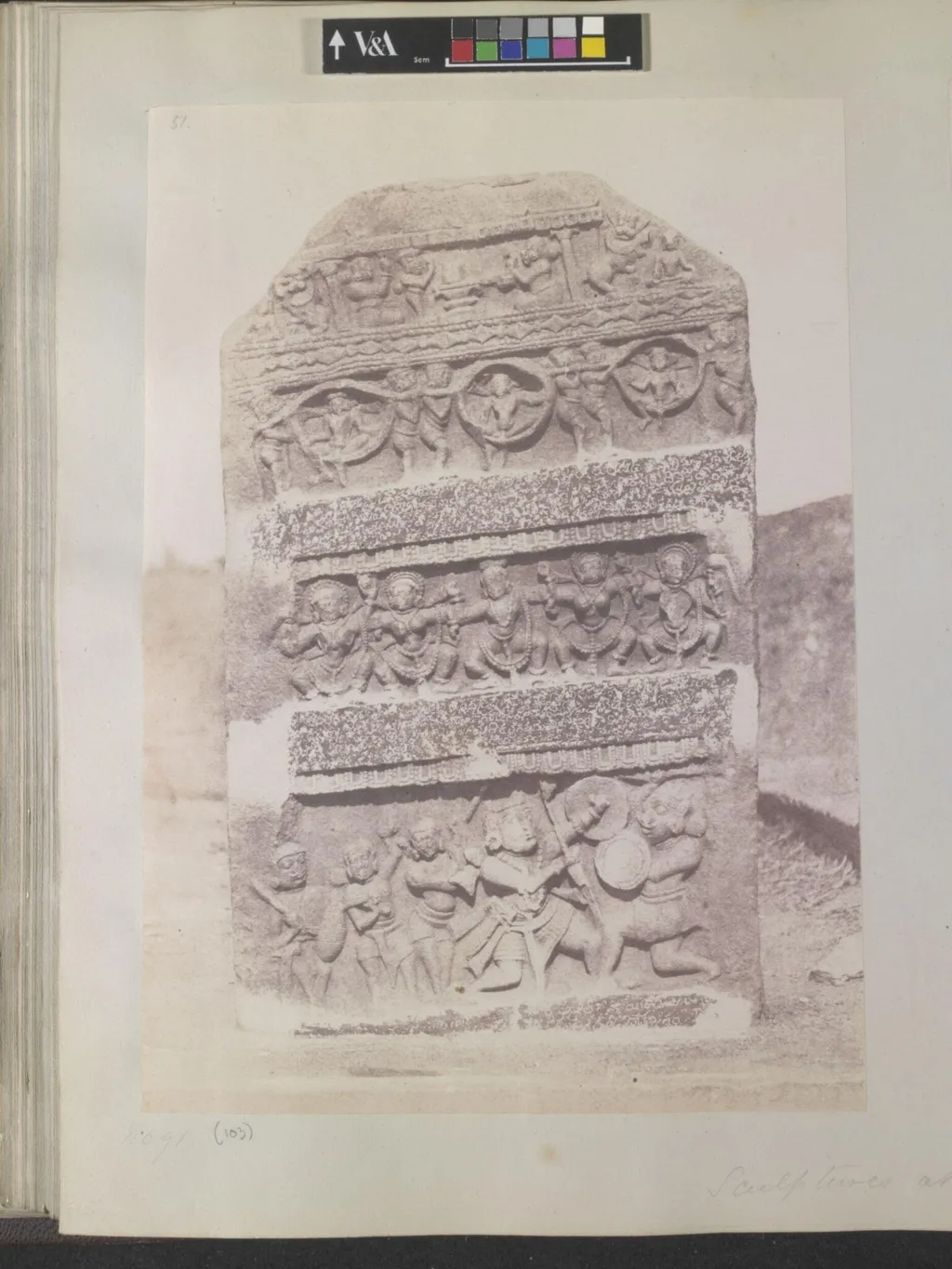
Sculpture at Hungul is a photographic photography by the Impressionist artist William Henry Pigou. It dates from 1858 and is held in the collection of the Victoria and Albert Museum.
About this work
Overview
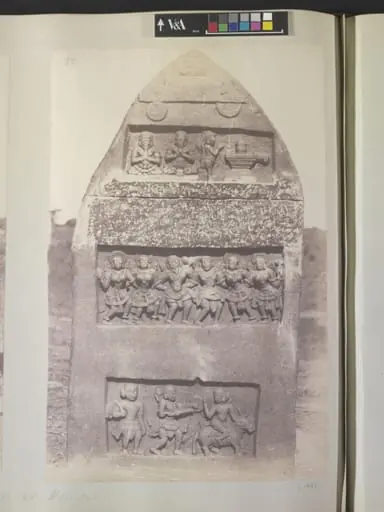
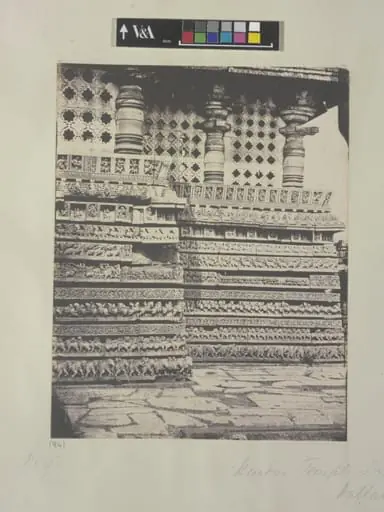
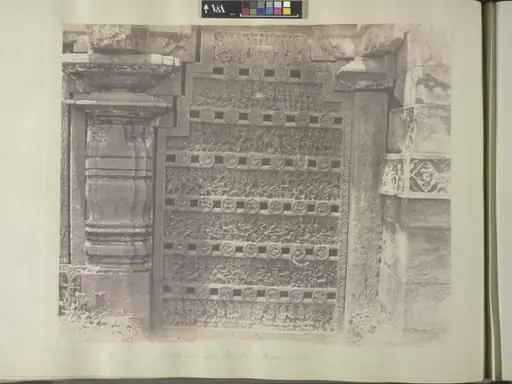
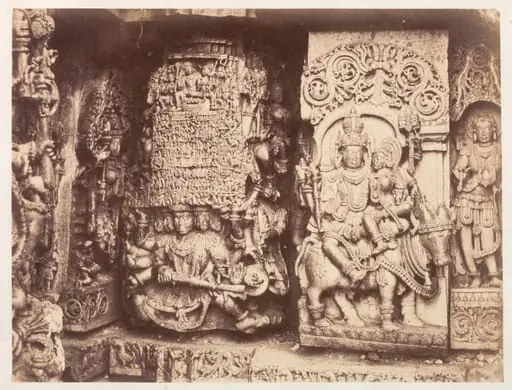
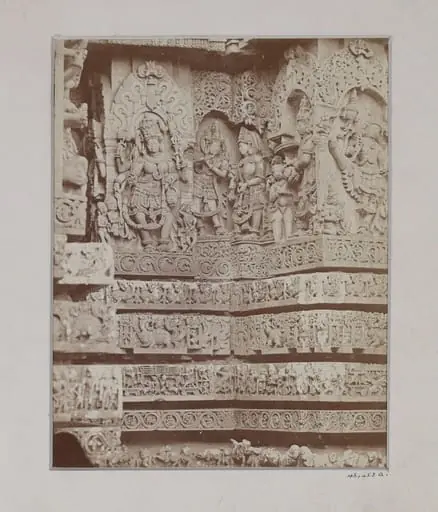
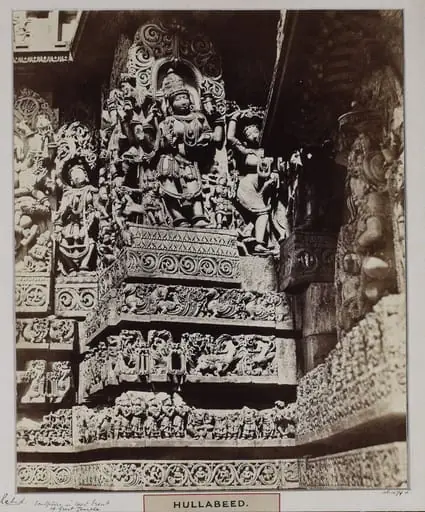
The work titled *Sculpture at Hungul* is a black‑and‑white photograph taken in 1858 by the British physician and amateur artist William Henry Pigou. The image records a carved stone relief that combines human and animal figures in a densely populated composition. The photograph is part of the permanent collection of the Victoria and Albert Museum in London.
Subject & Meaning
The lower register bursts with activity: riders on elephants and horses transport objects, hinting at a ceremonial or mythic episode.
The stone panel presents a tiered narrative scene. At the upper level three circular masks bearing stylised faces dominate the composition, suggesting ritual or protective symbolism. Beneath them, a procession of diminutive figures—some with elaborate hair or crowns—forms a linear arrangement. The lower register bursts with activity: riders on elephants and horses transport objects, hinting at a ceremonial or mythic episode.
Technique & Style
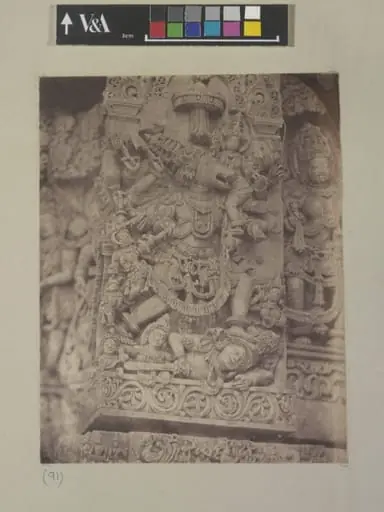
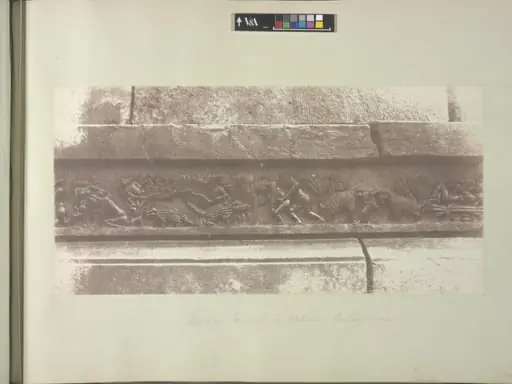
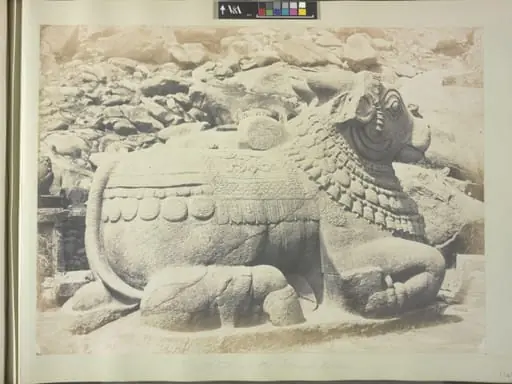
Pigou captured the relief using mid‑nineteenth‑century photographic processes, rendering the stone’s texture in stark monochrome. The photograph emphasizes the carving’s intricate detailing, from the delicate curls of hair to the ornamental patterns on the animals’ harnesses. The composition’s layered depth is preserved through careful lighting, allowing the viewer to discern the hierarchical arrangement of the figures.
History & Provenance
The image originates from Pigou’s fieldwork in the 1850s, during which he combined medical practice with sketching and photographing archaeological sites. After its creation, the photograph entered the collection of the Victoria and Albert Museum, where it has been conserved as an example of early documentary photography of Asian stone sculpture.
Context
The relief likely derives from a Southeast Asian tradition of narrative stone carving, where mythic or courtly scenes were recorded for religious or commemorative purposes. Pigou’s documentation reflects the Victorian era’s growing interest in Oriental antiquities, providing Western scholars with visual access to remote artistic heritage before the advent of color photography.
Artist & collection
Artist
This guy lugged a giant glass-plate camera through southern India in the 1850s, dodging lizards and temple priests alike.