Artwork
東海道五十三次 荒井|Arai
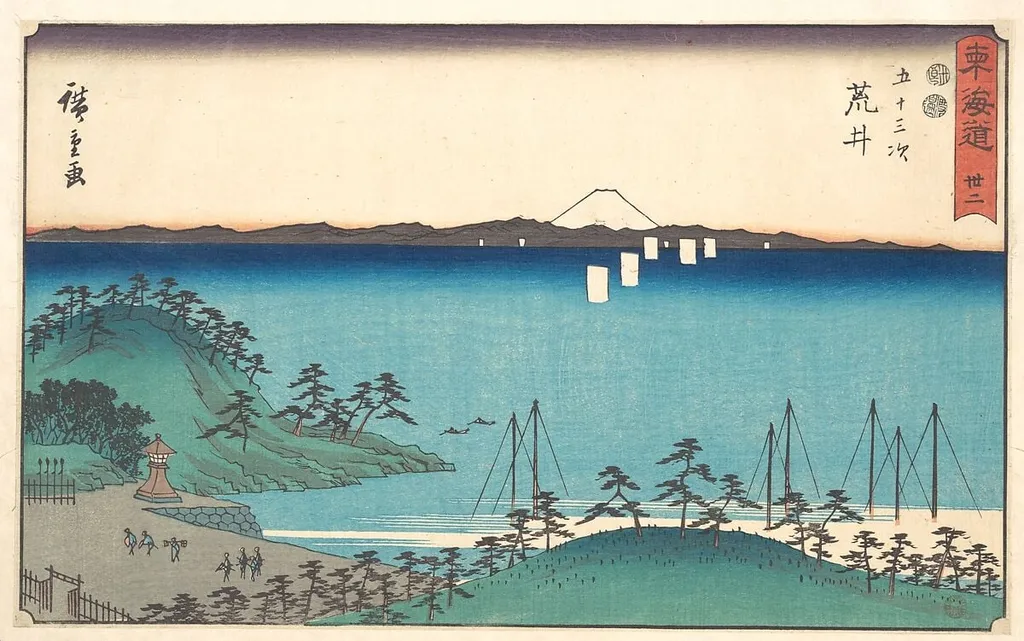
東海道五十三次 荒井|Arai is an ink print by the Romanticist artist Utagawa Hiroshige. It dates from 1840 and is held in the collection of the Metropolitan Museum of Art.
About this work
Overview
This woodblock print, Arai, is part of Utagawa Hiroshige's series The Fifty-three Stations of the Tōkaidō, created around 1840. It is a representative work of Hiroshige's landscape style, characterized by a serene and evocative atmosphere.
Subject & Meaning
The print depicts a tranquil lakeside scene with a small island, people strolling along a fenced path, and tall pine trees lining the shore. A stone lantern and a bridge add to the scenery, set against a looming mountain in the background.
Technique & Style
Hiroshige employed simple shapes and bold colors to achieve a dreamy effect. The composition features soft, flat colors and clean lines, with the trees and water blending into the surrounding environment, characteristic of his signature ukiyo-e style.
History & Provenance
The print is held in The Metropolitan Museum of Art's collection, exemplifying Hiroshige's contribution to the late Edo period's ukiyo-e art, which shifted focus from urban to natural and scenic themes.
Artist & collection
Artist
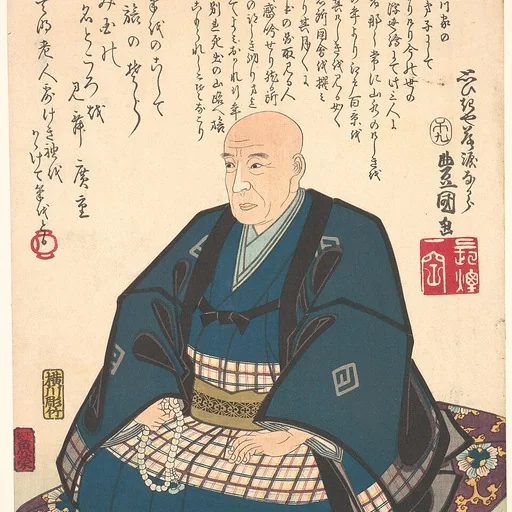
Utagawa Hiroshige (歌川 広重) or Andō Hiroshige (安藤 広重), born Andō Tokutarō (安藤 徳太郎; 1797 – 12 October 1858), was a Japanese ukiyo-e artist, considered the last great master of that tradition.

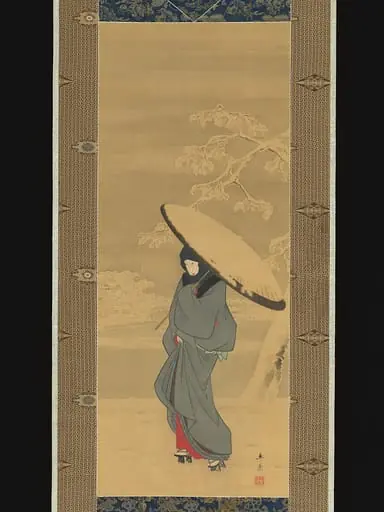
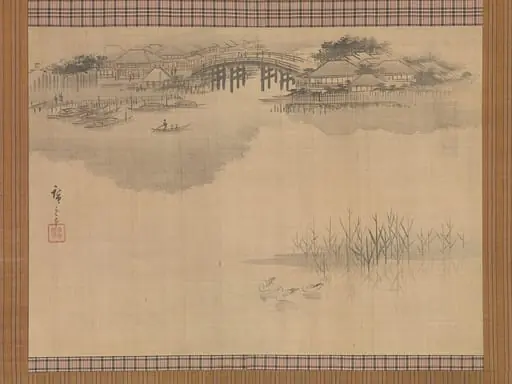
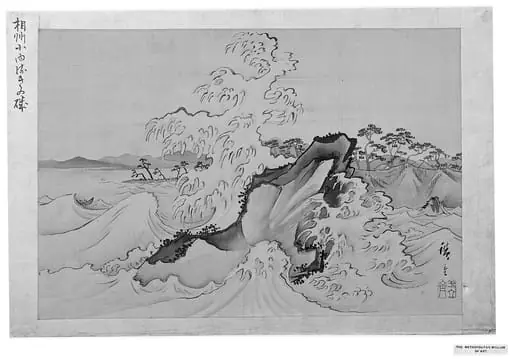
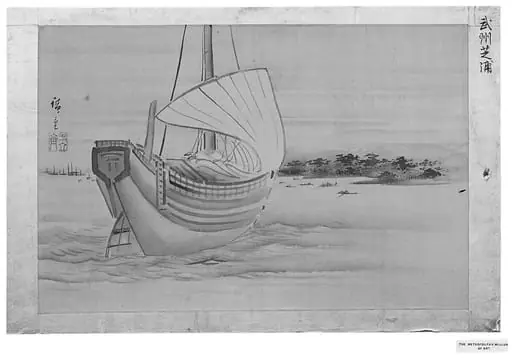
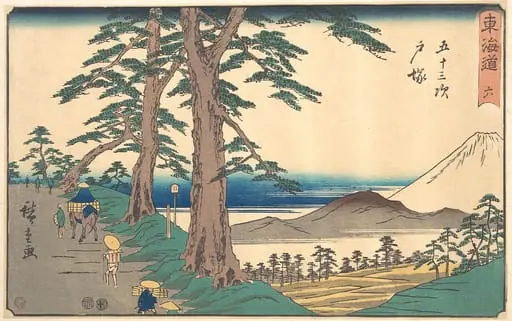 東海道五十三次 戸塚|Totsuka
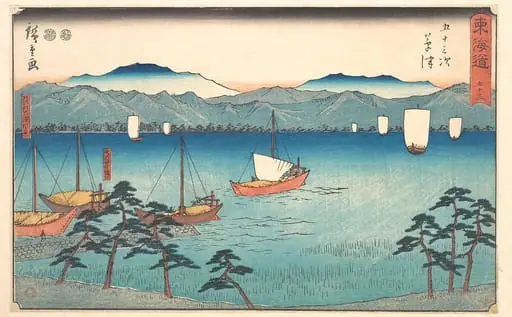 東海道五十三次 草津 矢ばせの渡口 琵琶湖風景|Kusatsu
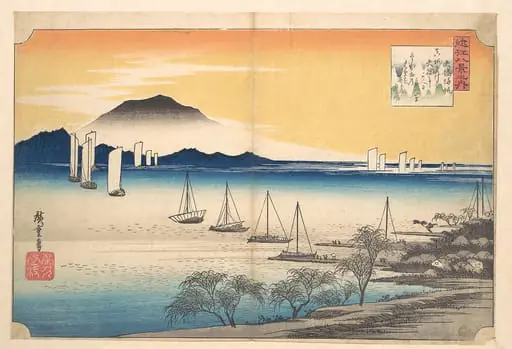 近江八景之内 矢橋帰帆|Sailing Boats Returning to Yabase, Lake Biwa
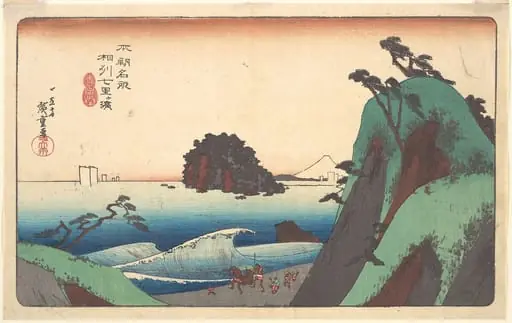 本朝名所 相州七里ヶ浜|Soshu, Shichi-ri ga Hama
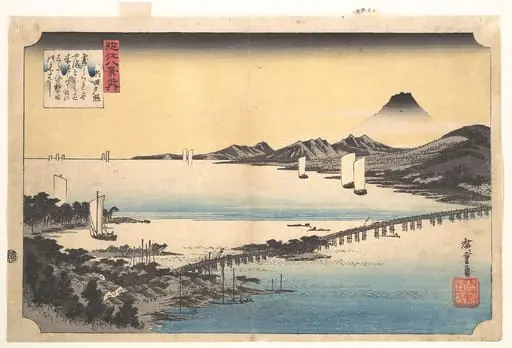 歌川広重画 近江八景の内 瀬田夕照|Sunset Glow at Seta (Seta sekishō), from the series Eight Views of Ōmi Province (Ōmi hakkei)
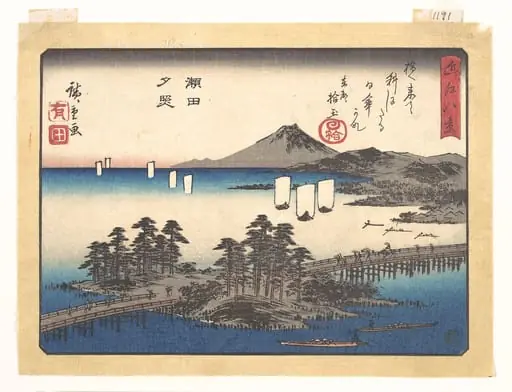 歌川広重画 「近江八景 瀬田夕照」|Sunset Glow at Seta, from the series Eight Views of Ōmi (Ōmi hakkei)
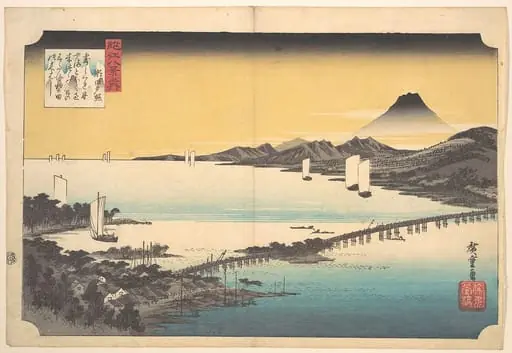 近江八景之内 瀬田夕照|Sunset at Seta
 Untitled