Artwork
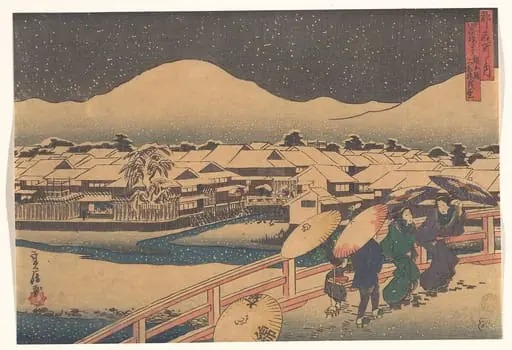
Atagoshita Yabu-Kōji|東都名所 芝赤羽根之雪|Winter Landscape
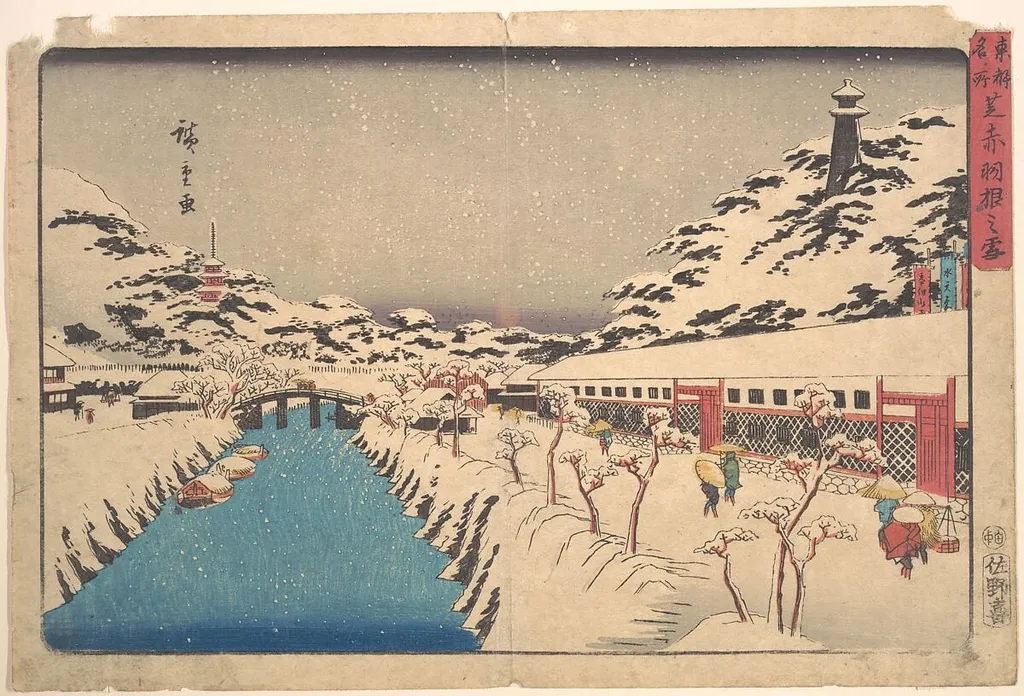
Atagoshita Yabu-Kōji|東都名所 芝赤羽根之雪|Winter Landscape is an ink print by the Romanticist artist Utagawa Hiroshige. It dates from 1846 and is held in the collection of the Metropolitan Museum of Art.
About this work
Overview
Atagoshita Yabu-Kōji (Winter Landscape), created in 1846 by Utagawa Hiroshige, is a woodblock print depicting a serene winter scene, characteristic of the artist's emphasis on atmospheric and seasonal effects in his landscape series.
Subject & Meaning
The print captures a quiet, snowy riverside moment, contrasting with the typical urban entertainment themes of ukiyo-e. The composition highlights the vastness of nature, with minimal human presence, underscoring the beauty of a tranquil winter landscape.
Technique & Style
Employing traditional woodblock print techniques with ink and color on paper, Hiroshige achieves depth and movement through simple lines and flat colors. The contrast between tiny figures and the expansive, snow-covered landscape further enhances the spatial sense.
History & Provenance
Part of Hiroshige's series on Edo's notable places, this work is now held in The Metropolitan Museum of Art's collection, reflecting its significance within the artist's oeuvre and the broader ukiyo-e tradition.
Context
Created during the late Edo period, this piece reflects Hiroshige's innovative approach to landscape prints, shifting focus from narrative and figures to the sublime portrayal of natural, seasonal environments.
Legacy
Atagoshita Yabu-Kōji contributes to Hiroshige's legacy as a pioneer in capturing Japan's natural beauty through ukiyo-e, influencing subsequent artistic interpretations of seasonal landscapes.
Artist & collection
Artist
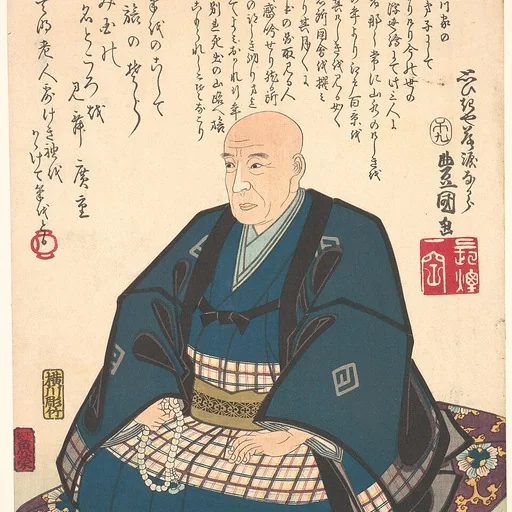
Utagawa Hiroshige (歌川 広重) or Andō Hiroshige (安藤 広重), born Andō Tokutarō (安藤 徳太郎; 1797 – 12 October 1858), was a Japanese ukiyo-e artist, considered the last great master of that tradition.

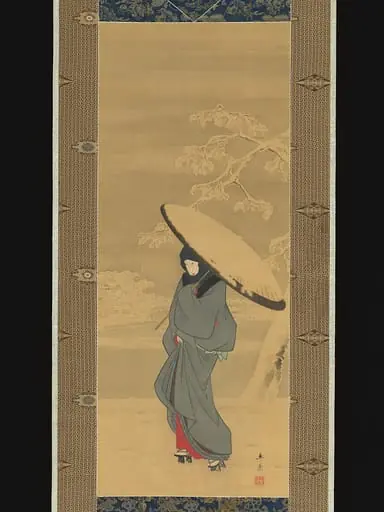
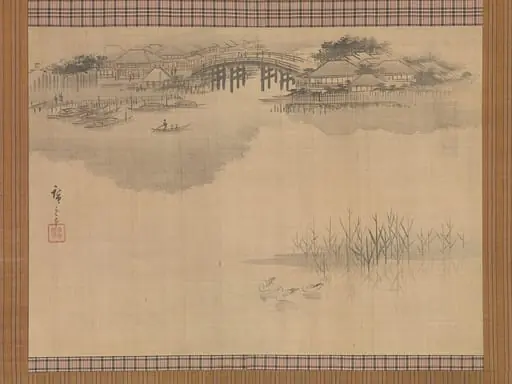
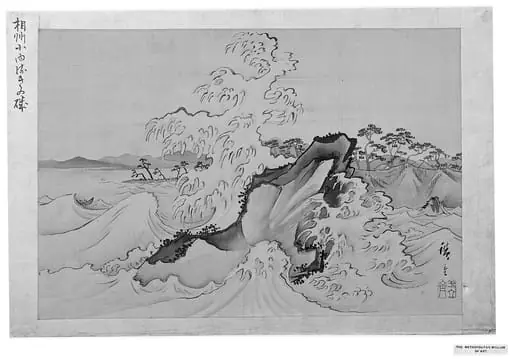
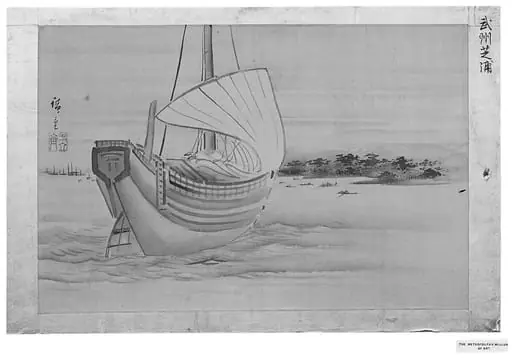
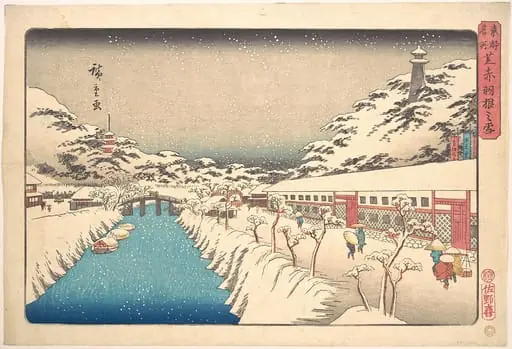 東都名所 芝赤羽根之雪|Shiba, Akabane no Yuki
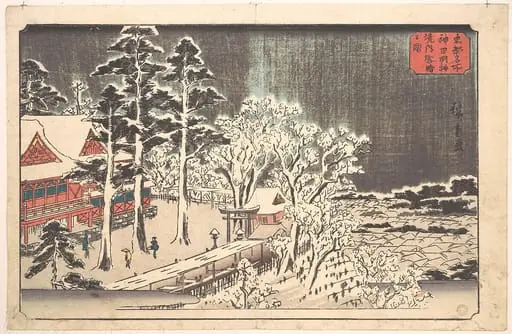 東都名所 神田明神境内雪晴之図|“Clear Weather after Snow in the Precincts of the Kanda Myōjin Shrine” (Kanda Myōjin keidai yukibare no zu), from the series Famous Places in the Eastern Capital (Tōto meisho)
 Untitled
 Untitled
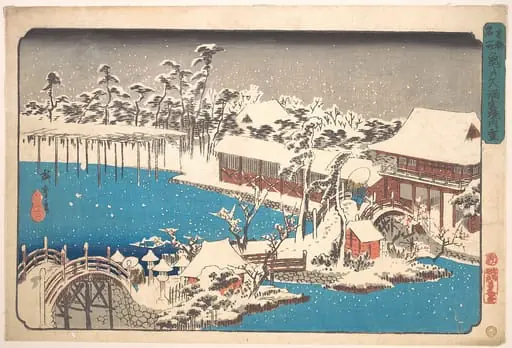 東都名所 亀戸天満宮境内雪|Kameido Tenmangu Keidai no Yuki
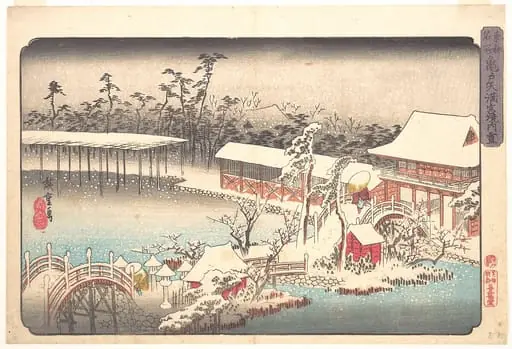 Kameido Tenmangu keidai no yuki|東都名所 亀戸天満宮境内雪|Tenmangū Shrine at Kameido in Snow
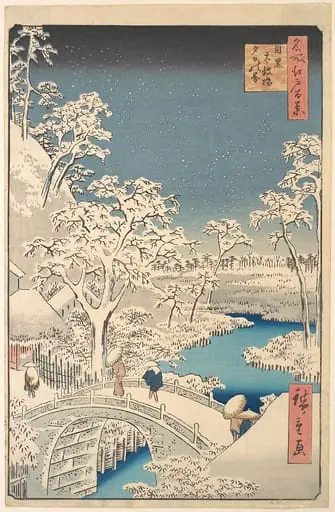 名所江戸百景 目黒太鼓橋夕日の岡|The Taiko (Drum) Bridge and the Yuhi Mound at Meguro
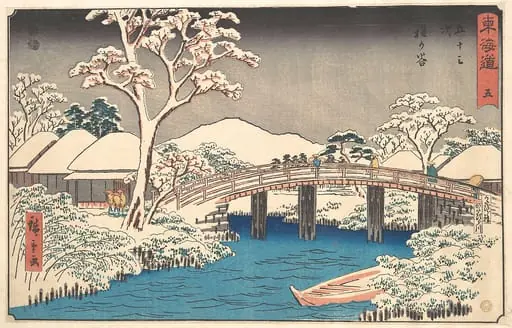 東海道五十三次 程ヶ谷 かたびら橋 かたびら川|Hodogaya
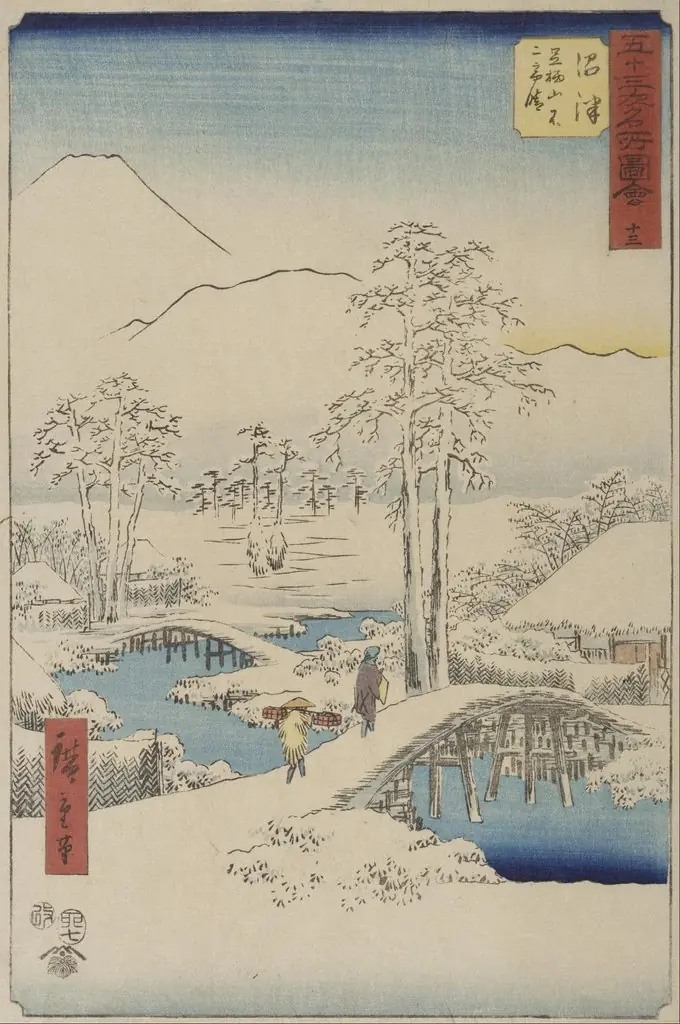 Mt. Fuji and Mt. Ashigara from Numazu from the series Vertical Tokaido (or "Famous Places of the Fifty-three Stations of the Tōkaidō")
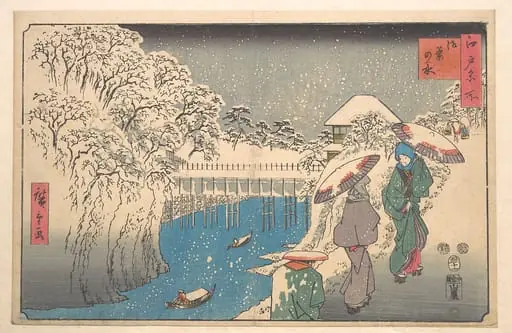 江戸名所 御茶之水|Ochanomizu
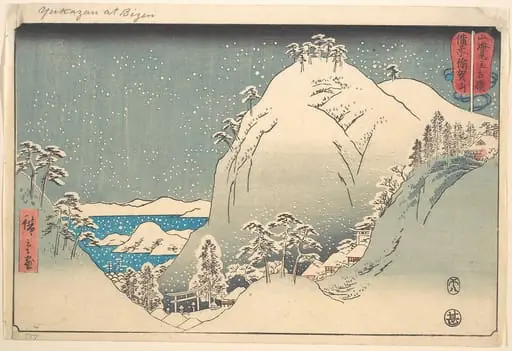 山海見立相撲 備前偸賀山|Mount Yuga in Bizen Province (Bizen Yugasan), from the series Wrestling Matches between Mountains and Seas (Sankai mitate zumō)
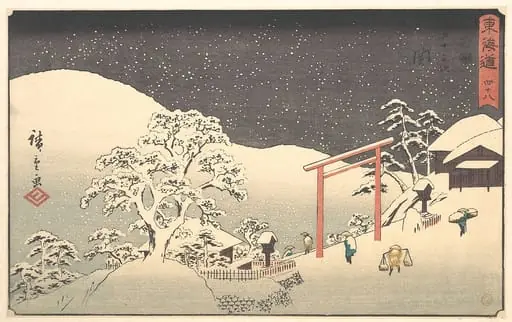 東海道五十三次 関|Seki