Artwork
東海道五十三次之内 濱松 冬枯の図|Hamamatsu, Toko no Zu
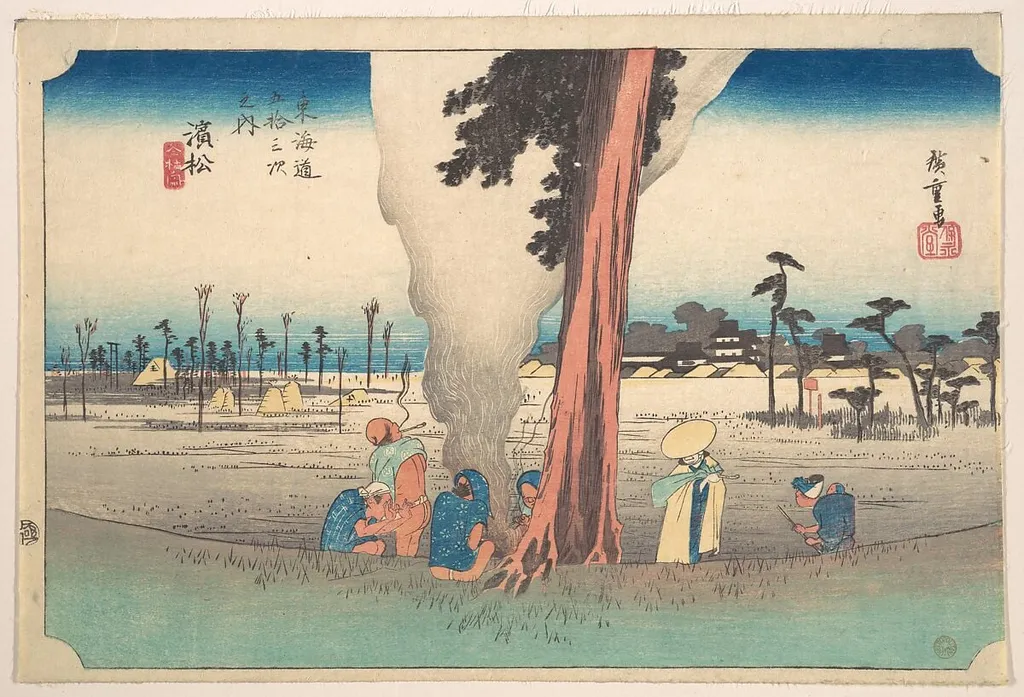
東海道五十三次之内 濱松 冬枯の図|Hamamatsu, Toko no Zu is an ink print by the Romanticist artist Utagawa Hiroshige. It dates from 1834 and is held in the collection of the Metropolitan Museum of Art.
About this work
Overview
Hamamatsu, Winter Scene is a woodblock print by Utagawa Hiroshige, created circa 1834 for his series The Fifty-three Stations of the Tōkaidō. This horizontal-format print captures a winter scene at the coastal station of Hamamatsu.
Subject & Meaning
The print depicts four figures engaged in fieldwork on a snowy day. Two individuals sit near a bare tree, with visible breath steam merging with the tree's trunk, while two others work in the distance. The scene conveys everyday life amidst winter's chill.
Technique & Style
Executed in ink and color on paper, the work showcases Hiroshige's skill in rendering atmospheric details. Soft, pale blue skies and the interplay of steam with natural elements exemplify his landscape-focused approach within ukiyo-e.
History & Provenance
Part of The Fifty-three Stations of the Tōkaidō series, this print documents a stop along the Edo to Kyoto route. Created during the Edo period, it reflects Hiroshige's departure from typical urban ukiyo-e subjects towards landscape emphasis.
Context
As part of a travel route series, Hamamatsu, Winter Scene highlights Hiroshige's interest in seasonal and geographical storytelling, appealing to travelers and armchair explorers of 19th-century Japan.
Legacy
This print contributes to Hiroshige's reputation as a master of landscape ukiyo-e, influencing subsequent artists with its serene, detailed depictions of natural scenes across seasons.
Artist & collection
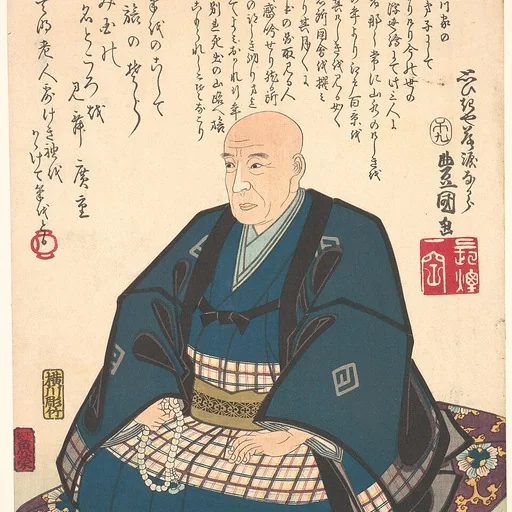
Artist
Utagawa Hiroshige (歌川 広重) or Andō Hiroshige (安藤 広重), born Andō Tokutarō (安藤 徳太郎; 1797 – 12 October 1858), was a Japanese ukiyo-e artist, considered the last great master of that tradition.

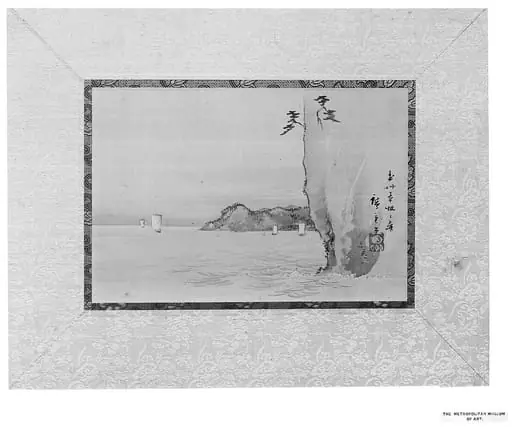
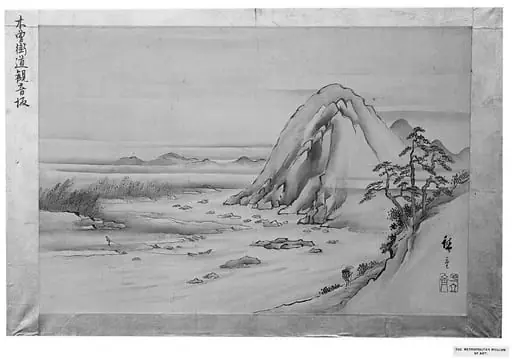
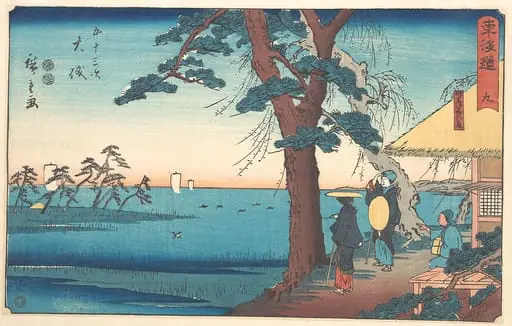 東海道五十三次 大磯 鴫立沢西行庵|Ōiso
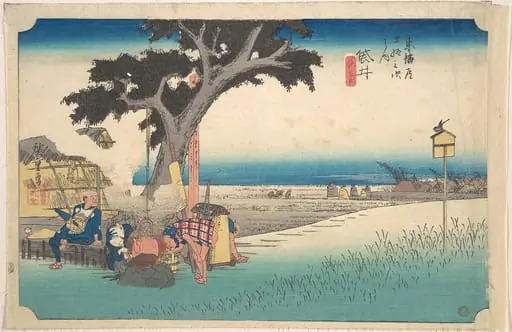 東海道五十三次之内 袋井 出茶屋の図|Fukuroi; De Chaya
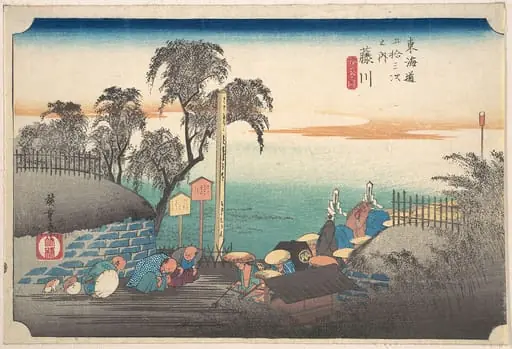 東海道五十三次之内 藤川 棒鼻の図|Fujikawa, Bo Bana
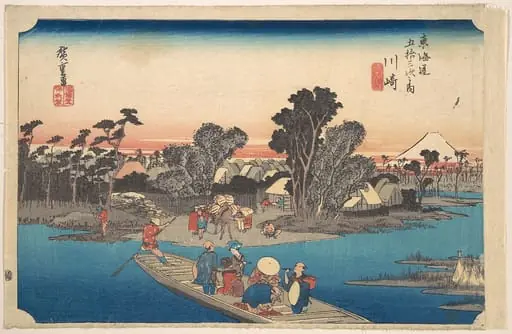 東海道五十三次之内 川崎 六郷渡舟|Ferry Boat Crossing the Rokugo River
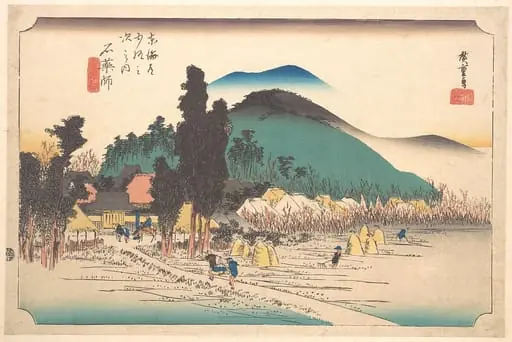 東海道五十三次之内 石薬師 石薬師寺|The Ishiyakushi Temple at Ishiyakushi
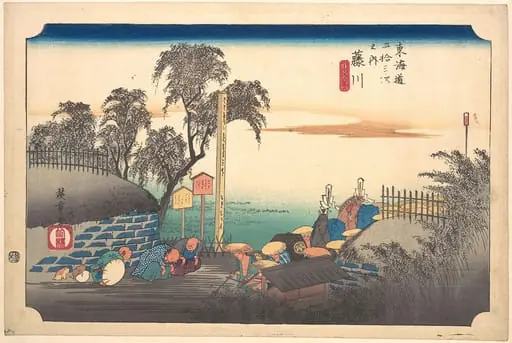 東海道五十三次之内 藤川 棒鼻の図|Station Thirty-Eight: Fujikawa, Scene at the Border, from the Fifty-Three Stations of the Tokaido
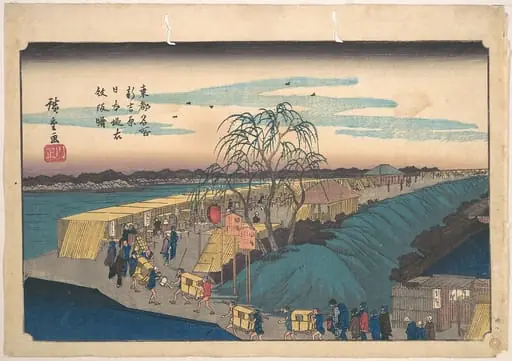 東都名所 新吉原日本堤衣紋坂曙|Shin Yoshiwara Nihon Tsutsumi Emonzaka Akatsuki
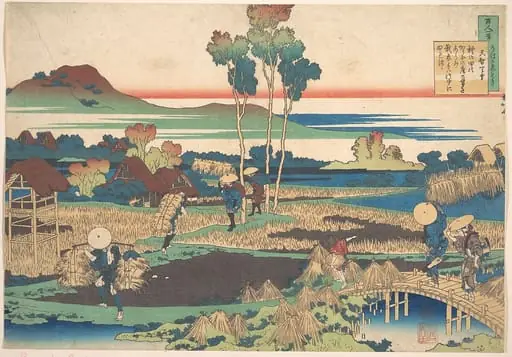 百人一首 うはかゑとき 天智天皇|Poem by Tenchi Tennō, from the series One Hundred Poems Explained by the Nurse (Hyakunin isshu uba ga etoki)