Artwork
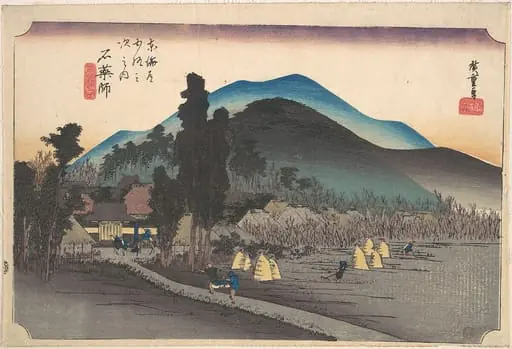
東海道五十三次之内 石薬師 石薬師寺|The Ishiyakushi Temple at Ishiyakushi
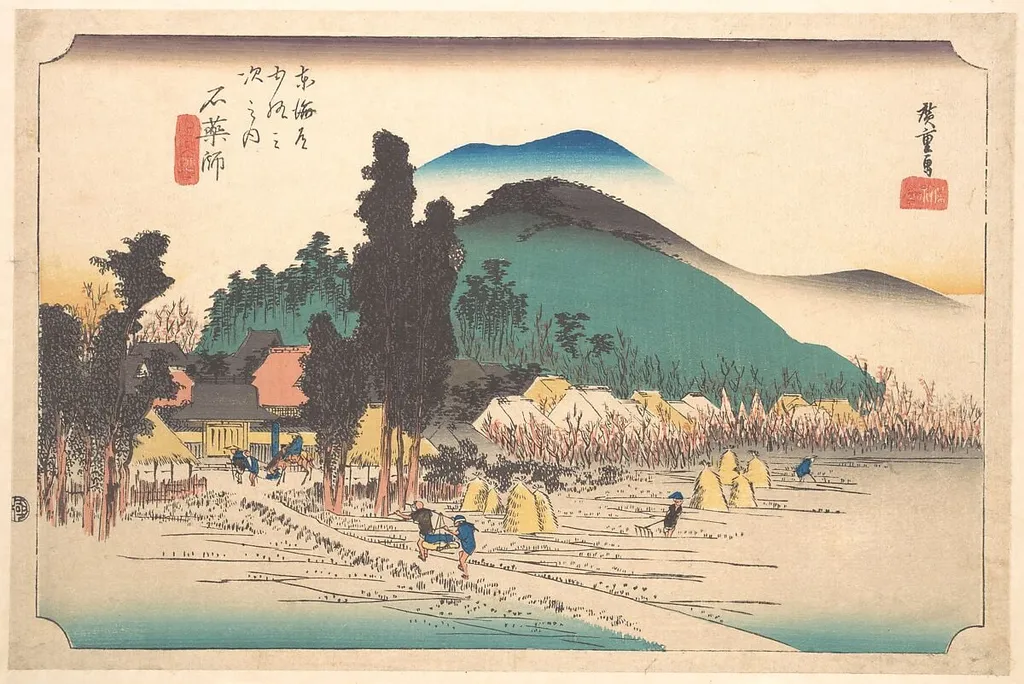
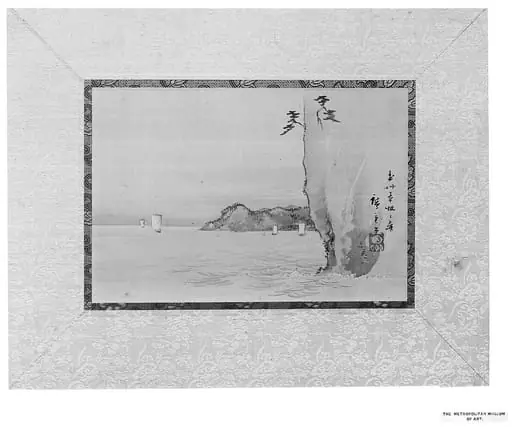
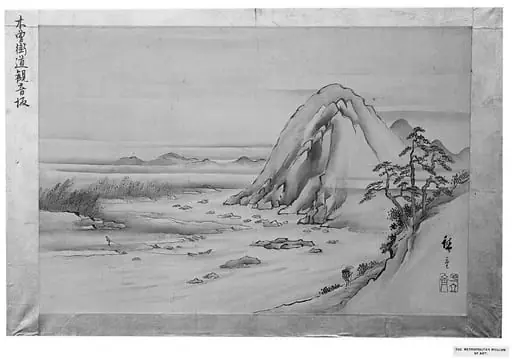
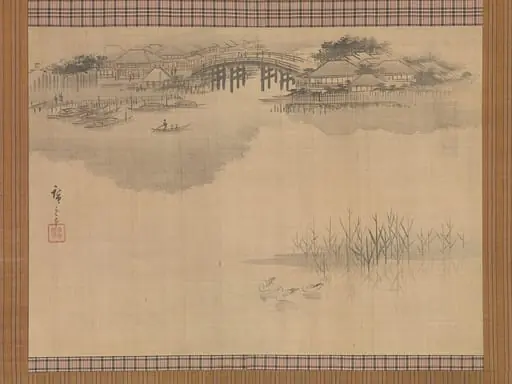
東海道五十三次之内 石薬師 石薬師寺|The Ishiyakushi Temple at Ishiyakushi is an ink print by the Romanticist artist Utagawa Hiroshige. It dates from 1834 and is held in the collection of the Metropolitan Museum of Art.
About this work
Overview
Created in 1834 by Utagawa Hiroshige, this woodblock print belongs to his series documenting the fifty-three post stations along the Tōkaidō road. The image captures the Ishiyakushi Temple and its surrounding landscape, rendered with ink and color on paper. It exemplifies Hiroshige’s shift toward depicting natural scenery rather than the urban entertainments typical of earlier ukiyo-e works.
Subject & Meaning
The composition presents a tranquil riverside village where laborers attend to fields beneath a pale sky. Central to the scene is the Ishiyakushi Temple, identifiable by its red tiled roof, set amid tall trees and a rising green mountain. The placement of modest figures against the expansive environment emphasizes the harmony between human activity and the surrounding landscape.
Technique & Style
Hiroshige employs the woodblock process, layering ink and pigments to achieve flat yet vibrant surfaces. Simple geometric forms and bold color contrasts convey spatial recession, while the diminutive figures reinforce a sense of scale. Subtle line work suggests foliage and water, creating depth without relying on extensive shading, a hallmark of his approach to landscape composition.
History & Provenance
The print was produced as part of the Tōkaidō series, which circulated widely among Edo‑period audiences and contributed to the popular visual record of travel routes. Original impressions were printed on handmade paper and distributed as affordable prints, allowing a broad public to engage with images of distant locales such as the Ishiyakushi Temple.
Artist & collection
Artist
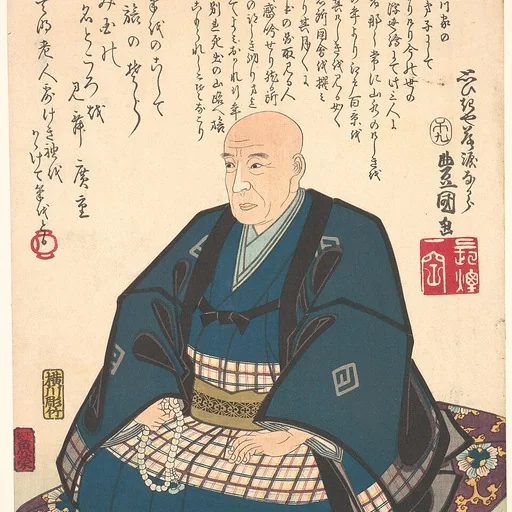
Utagawa Hiroshige (歌川 広重) or Andō Hiroshige (安藤 広重), born Andō Tokutarō (安藤 徳太郎; 1797 – 12 October 1858), was a Japanese ukiyo-e artist, considered the last great master of that tradition.