Artwork
二代歌川広重画 「諸国名所百景 京都四条夕すずみ」|Enjoying the Evening Cool at Shijō in Kyoto, from the series One Hundred Famous Views in the Various Provinces (Shokoku meisho hyakkei)
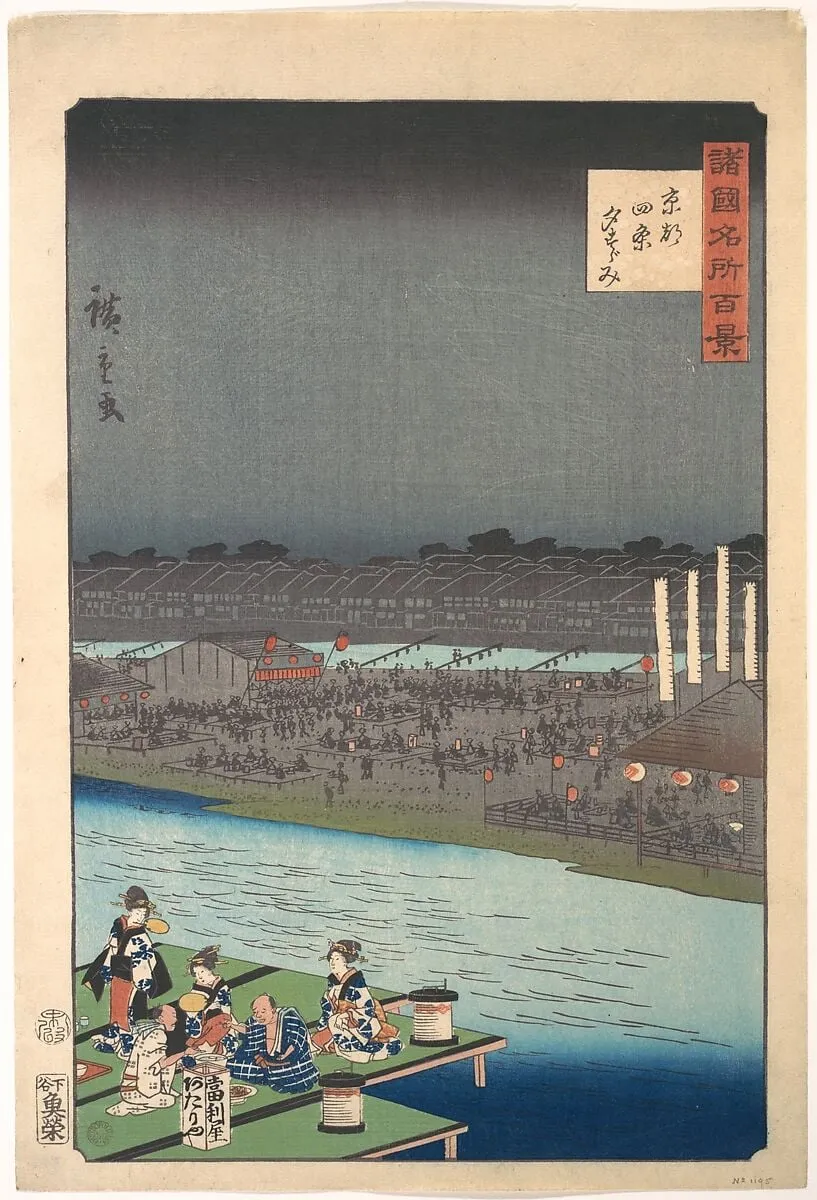
二代歌川広重画 「諸国名所百景 京都四条夕すずみ」|Enjoying the Evening Cool at Shijō in Kyoto, from the series One Hundred Famous Views in the Various Provinces (Shokoku meisho hyakkei) is an ink print by the Impressionist artist Utagawa Hiroshige II. It dates from 1859 and is held in the collection of the Metropolitan Museum of Art.
About this work
Overview
The composition balances human activity with the quiet rhythms of the city, reflecting the artist’s interest in capturing fleeting moments of daily existence.
This woodblock print, dated 1859, is part of the series *One Hundred Famous Views in the Various Provinces* by Utagawa Hiroshige II. Executed in ink and color on paper, it depicts a Kyoto scene at dusk, where urban life unfolds along the banks of a stream. The composition balances human activity with the quiet rhythms of the city, reflecting the artist’s interest in capturing fleeting moments of daily existence.
Subject & Meaning
The print portrays residents of Kyoto seeking relief from the summer heat along the Shijō riverbank. Figures recline on raised platforms, some sharing meals or conversation, while others gather across the water. The scene evokes the Japanese tradition of *nōryō*, or enjoying the evening cool, a practice that underscored the interplay between nature and urban life. Through this imagery, the work conveys a sense of communal leisure and seasonal awareness.
Technique & Style
Hiroshige II employs the *ukiyo-e* woodblock technique, layering pigments to achieve depth and texture. The palette relies on muted blues and grays, punctuated by accents of green and red, which guide the viewer’s eye across the composition. Delicate gradations of tone suggest the fading light of dusk, while fine lines delineate architectural details and human figures. The print’s style aligns with the broader *ukiyo-e* tradition, emphasizing clarity and atmospheric effect.
History & Provenance
Created in 1859, the print belongs to a series intended to showcase scenic locations across Japan. It entered the collection of The Metropolitan Museum of Art as part of its holdings of Japanese woodblock prints. The work’s production coincided with a period of growing interest in domestic travel and landscape imagery, reflecting shifts in Edo-period culture and commerce.
Context
During the late Edo period, urban expansion and cultural practices shaped depictions of city life. The *One Hundred Famous Views* series responded to a demand for images of both familiar and distant locales, catering to a public increasingly engaged with travel and regional identity. Hiroshige II’s print captures a specific Kyoto custom while situating it within a broader narrative of Japanese scenic beauty.
Legacy
The print contributes to the legacy of *ukiyo-e* as a medium that documented social rituals and urban landscapes. Its inclusion in institutional collections underscores the enduring appeal of Hiroshige II’s work, which extended the themes and techniques established by his predecessor, Utagawa Hiroshige. The image remains a reference point for studies of Edo-period printmaking and the representation of everyday life.
Artist & collection

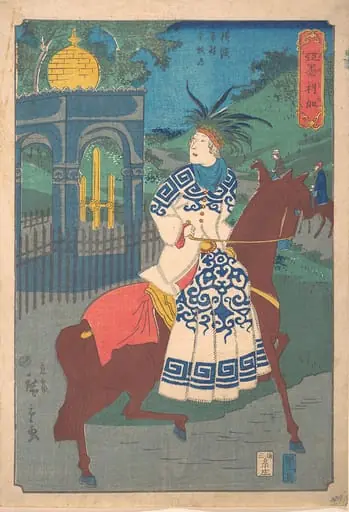 二代歌川広重画 『亜墨利加 横浜本村本牧道』|American Woman Riding Side-Saddle on the Road at Honmoku, Motomura, Yokohama (America Yokohama Motomura Honmoku michi)
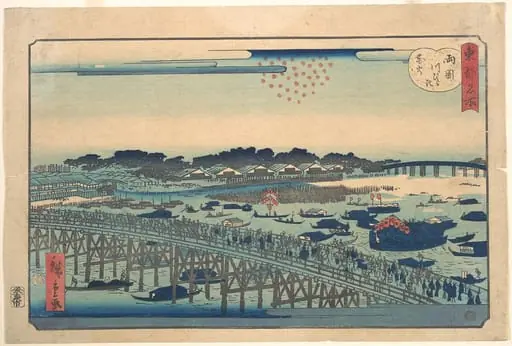 Untitled
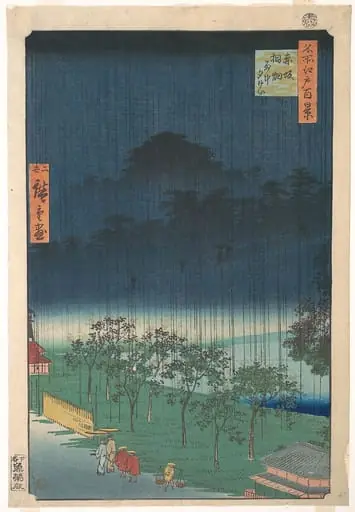 Untitled
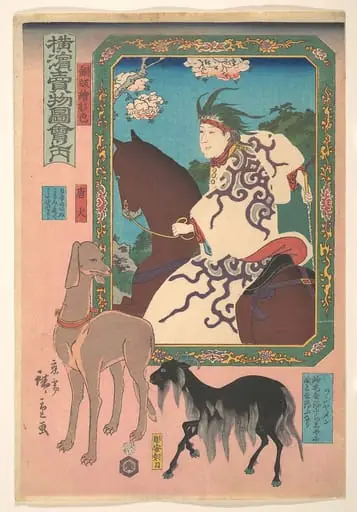 横浜賣物図会の内 唐犬|Copper Plate Engraving of a Woman Riding a Horse, a Goat and a Dog
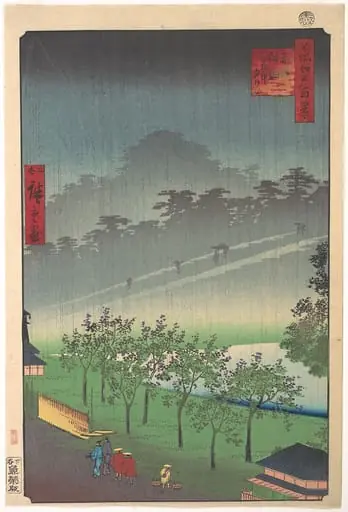 Untitled
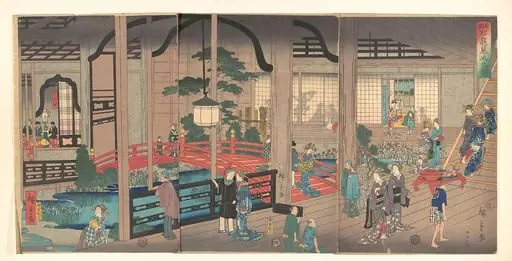 Yokohama Gankirō no zu|View of the Interior of the Gankirō Tea House in Yokohama
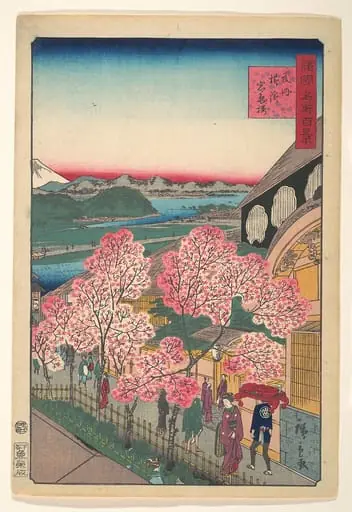 Bushu Yokohama Gankirō|諸国名所百景 武州横浜岩亀楼|Entrance to the Gankirō Tea House in the Miyozaki District, Yokohama, Bushu
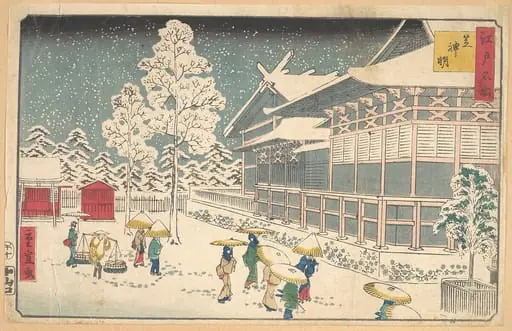 江戸名所 芝神明|Famous Places of Edo: Shiba Shinmei
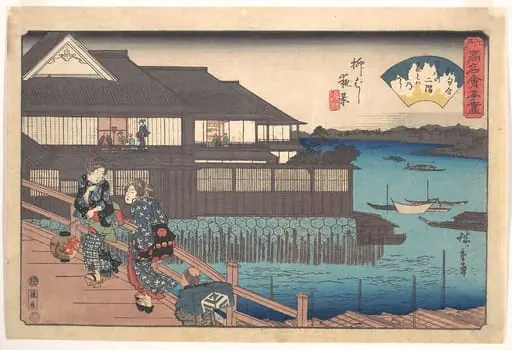 江戸高名会亭尽 柳ばし夜景 万八|The Manpachi at Evening in Yanagibashi
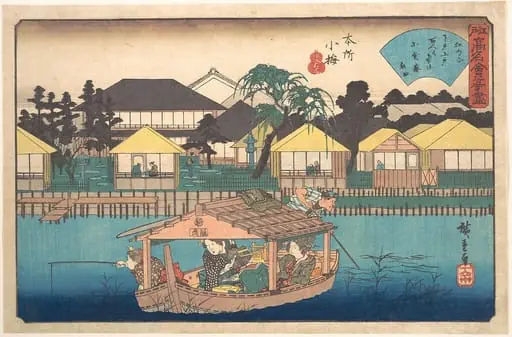 江戸高名会亭尽 本所小梅 小倉庵|Honjo Komme (Ogura-an)
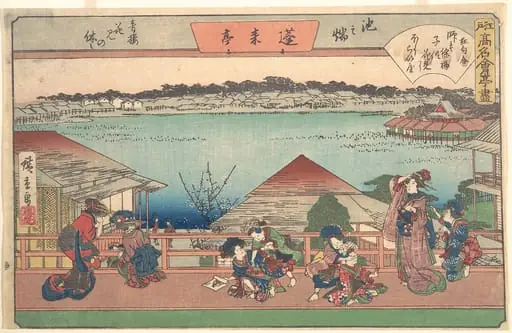 Untitled
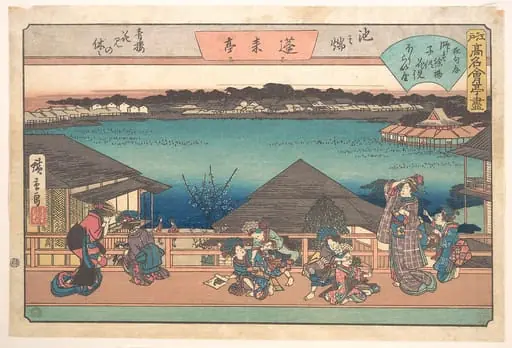 江戸高名会亭尽 池之端 蓬莱亭 青楼花見の休み|Ikeno Mata (Horai-ya)
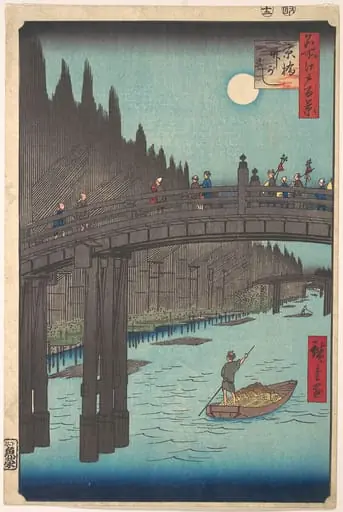 名所江戸百景 京橋竹がし|Full Moon Over Canal, with Bridge and Huge Stacks of Bamboo along the Bank
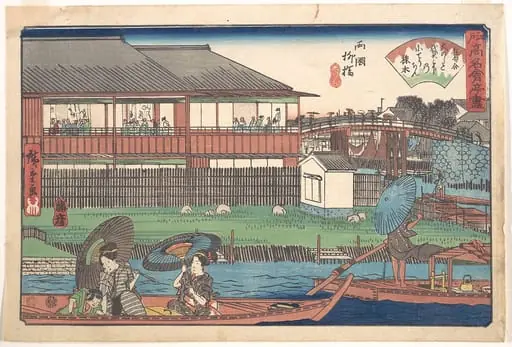 江戸高名会亭尽 両国柳橋 大のし|The Ono at Ryogoku Yanagibashi
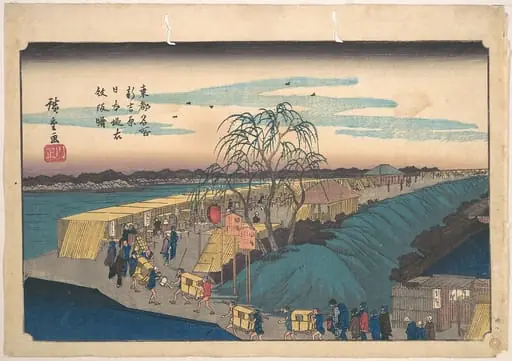 東都名所 新吉原日本堤衣紋坂曙|Shin Yoshiwara Nihon Tsutsumi Emonzaka Akatsuki
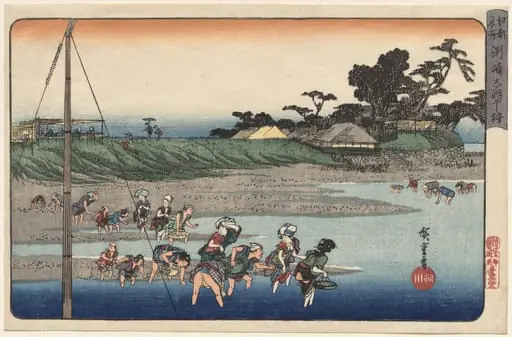 Gathering Shellfish at Low Tide at Susaki, from Famous Places in Edo
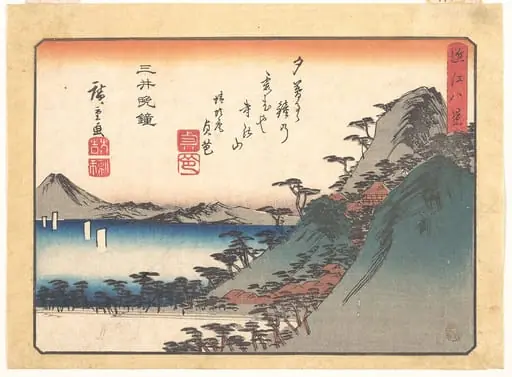 歌川広重画 「近江八景 三井晩鐘」|Evening Bell at Miidera Temple, from the series Eight Views of Ōmi (Ōmi hakkei)