Artwork
名所江戸百景 亀戸天神境内|In the Kameido Tenjin Shrine Compound
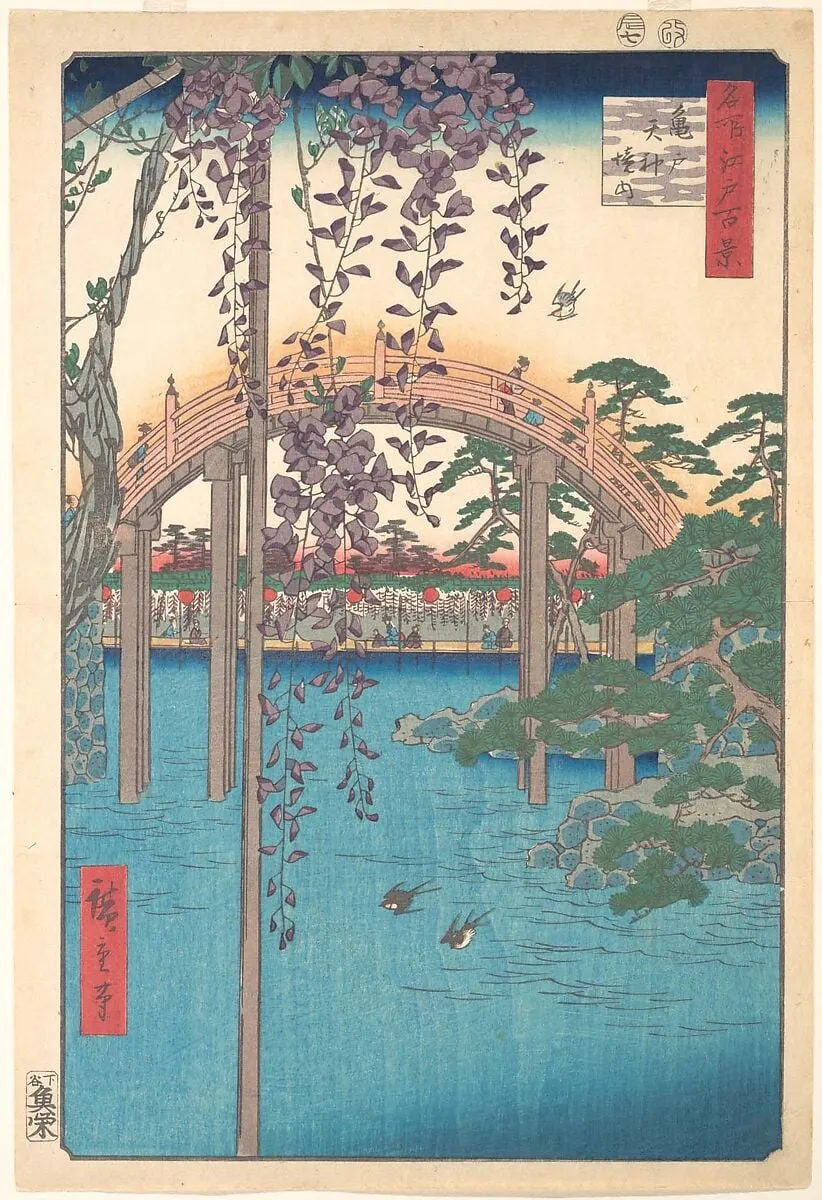
名所江戸百景 亀戸天神境内|In the Kameido Tenjin Shrine Compound is an ink print by the Impressionist artist Utagawa Hiroshige. It dates from 1856 and is held in the collection of the Metropolitan Museum of Art.
About this work
Overview
Executed in ink and color on paper, it belongs to a vertical-format subset that emphasizes atmospheric perspective and seasonal detail.
Created in 1856, this woodblock print is one of 120 works in Utagawa Hiroshige’s series *One Hundred Famous Views of Edo*. Executed in ink and color on paper, it belongs to a vertical-format subset that emphasizes atmospheric perspective and seasonal detail. The print captures a tranquil scene at Kameido Tenjin Shrine, reflecting Hiroshige’s shift from bustling urban life to quiet, contemplative landscapes of the Edo countryside.
Subject & Meaning
The scene centers on Kameido Tenjin Shrine, a Shinto site dedicated to the deity of learning. The composition frames the shrine’s distant structures behind a canopy of wisteria, its heavy blooms obscuring the sky and drawing attention to the bridge and pond below. The still water, with its subtle reflections of birds and fish, suggests a moment of pause amid daily life, aligning with the shrine’s role as a place of quiet reverence.
Technique & Style
Hiroshige employed fine linework and layered color washes to render the wisteria’s dense clusters and the water’s reflective surface. The bridge’s arches create a framed view, enhancing depth through overlapping planes. Subtle gradations in ink suggest shifting light beneath the flowers, while the absence of human figures amplifies the scene’s stillness. The print’s vertical format directs the eye upward, reinforcing the verticality of the trees and blossoms.
History & Provenance
The print was produced during the final years of Hiroshige’s life, as part of a widely distributed series that documented Edo’s landmarks. It entered The Metropolitan Museum of Art’s collection in the 20th century, alongside other prints from the *One Hundred Famous Views of Edo* series. Its preservation reflects its status as a representative example of mid-19th-century Japanese printmaking and its appeal to Western collectors.
Context
In the 1850s, Edo’s growing middle class sought affordable art that celebrated local scenery and seasonal change. Hiroshige’s series responded to this demand, blending topographical accuracy with poetic mood. Kameido Tenjin was a popular pilgrimage site, especially during wisteria season, making the print both a travel souvenir and a meditation on nature’s cycles within an urbanizing society.
Legacy
This print exemplifies Hiroshige’s influence on later landscape traditions, both in Japan and abroad. Its emphasis on atmosphere over narrative, and its use of natural forms to structure composition, anticipated aspects of Impressionism. Today, it remains a key reference in studies of ukiyo-e’s evolution from entertainment to artistic expression, valued for its quiet precision and emotional restraint.
Artist & collection
Artist
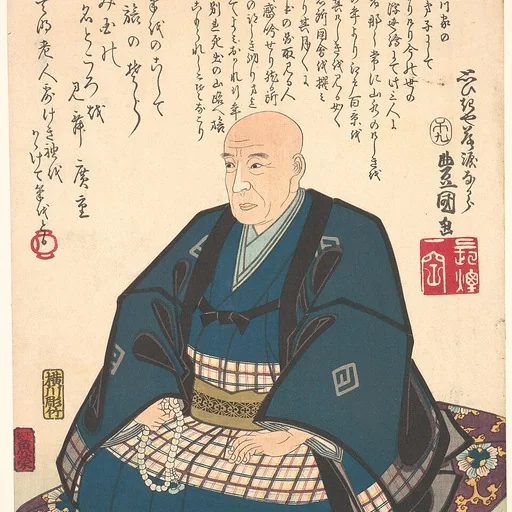
Utagawa Hiroshige (歌川 広重) or Andō Hiroshige (安藤 広重), born Andō Tokutarō (安藤 徳太郎; 1797 – 12 October 1858), was a Japanese ukiyo-e artist, considered the last great master of that tradition.

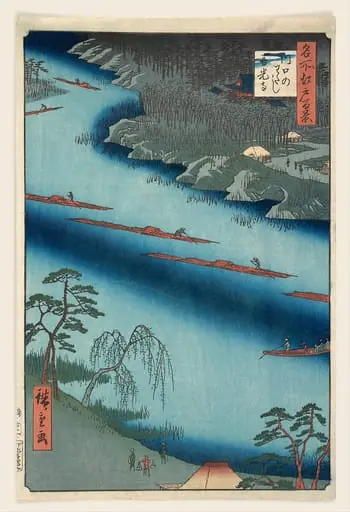 名所江戸百景 川口のわたし善光寺|Kawaguchi
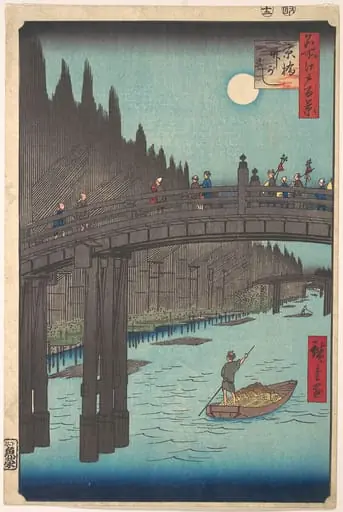 名所江戸百景 京橋竹がし|Full Moon Over Canal, with Bridge and Huge Stacks of Bamboo along the Bank
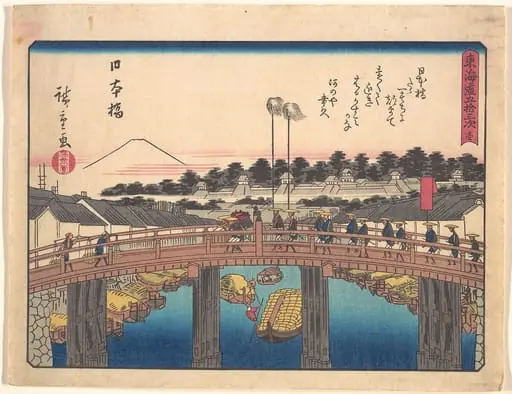 Untitled
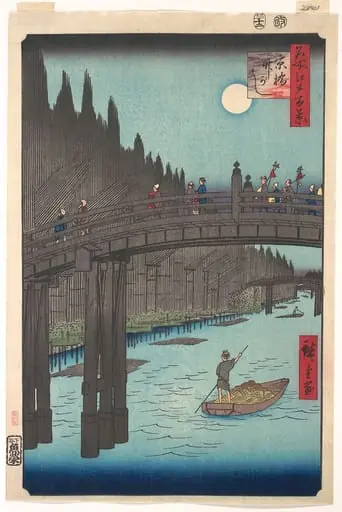 名所江戸百景 京橋竹がし|Bamboo Market at Capital Bridge
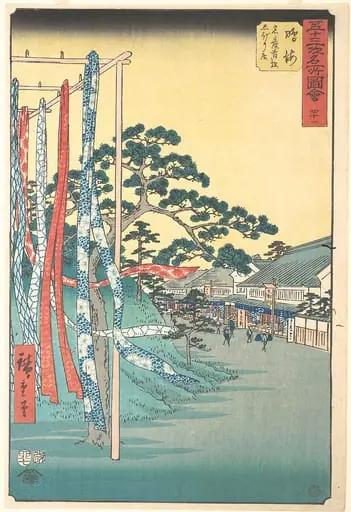 五十三次名所図会 鳴海 名產有松しぼり店|Narumi, Meisan Arimatsu Shibori Mise
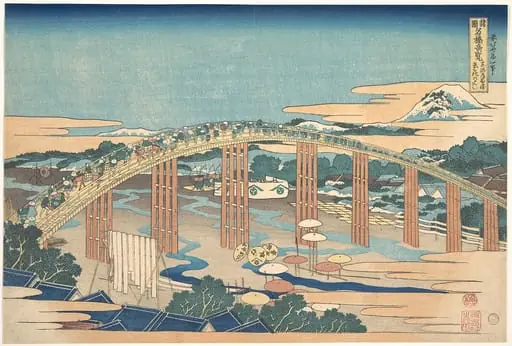 諸國名橋奇覧 東海道岡崎矢はぎのはし|Yahagi Bridge at Okazaki on the Tōkaidō (Tōkaidō Okazaki Yahagi no hashi), from the series Remarkable Views of Bridges in Various Provinces (Shokoku meikyō kiran)
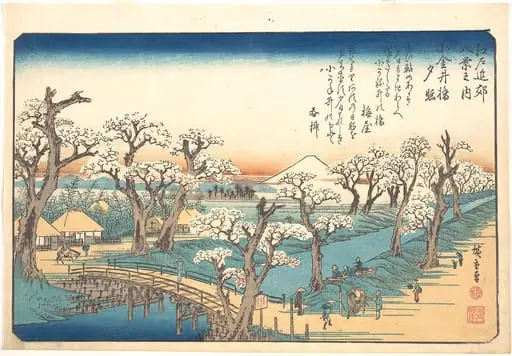 江戸近郊八景之内 小金井橋夕照|Evening Glow at Koganei Border
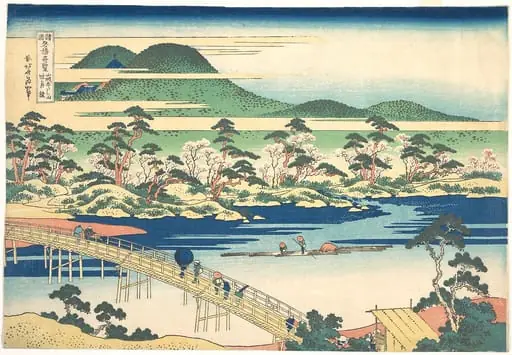 諸國名橋奇覧 山城あらし山吐月橋 |Togetsu Bridge at Arashiyama in Yamashiro, from the series Remarkable Views of Bridges in Various Provinces (Shokoku meikyō kiran)