Artwork
Cloth Fulling Jewel River in Settsu, from the series Six Jewel Rivers of the Various Provinces
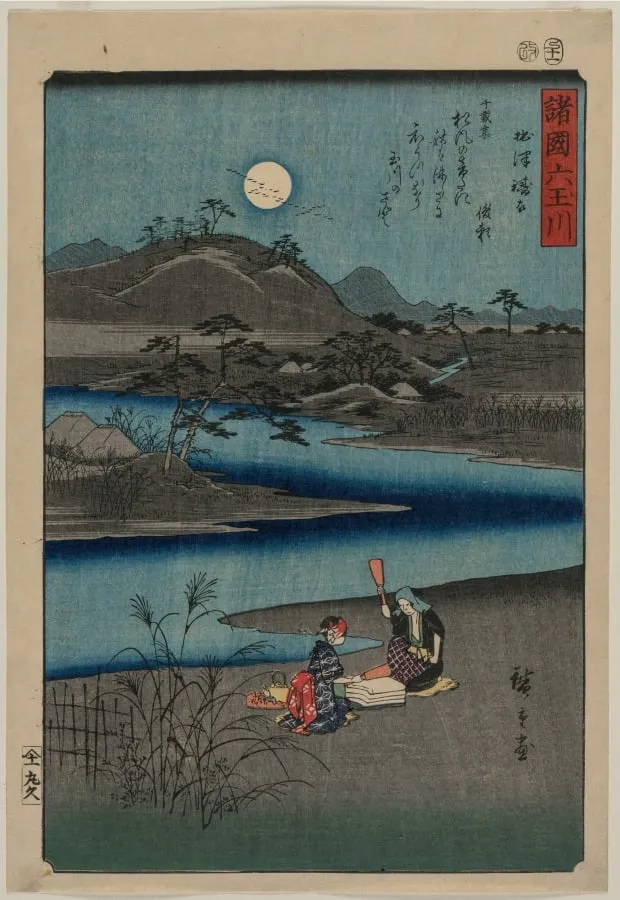
Cloth Fulling Jewel River in Settsu, from the series Six Jewel Rivers of the Various Provinces is a print by the Impressionist artist Utagawa Hiroshige. It dates from 1857 and is held in the collection of the Cleveland Museum of Art.
About this work
Overview
It depicts a quiet nocturnal scene along the Jewel River in Settsu Province, emphasizing natural beauty over the urban or theatrical themes common in ukiyo-e.
Created in 1857 by Utagawa Hiroshige, this woodblock print is one of six in the series *Six Jewel Rivers of the Various Provinces*. It depicts a quiet nocturnal scene along the Jewel River in Settsu Province, emphasizing natural beauty over the urban or theatrical themes common in ukiyo-e. The composition reflects Hiroshige’s mature style, where landscape and atmosphere take precedence over human activity.
Subject & Meaning
Two figures are shown engaged in the labor of cloth fulling—beating fabric to clean and thicken it—by moonlight. Their quiet, focused work contrasts with the stillness of the river and surrounding hills. The scene suggests harmony between human labor and nature, portraying rural life not as spectacle but as an intimate, unremarkable rhythm. The red banner identifies it as part of a regional series, reinforcing a sense of place.
Technique & Style
Hiroshige employed subtle gradations of ink and muted color to evoke nightfall: deep blues and grays dominate the hills and water, while the moon casts a pale glow. The figures are rendered with minimal detail, allowing the environment to dominate. The use of *bokashi*—gradated printing—creates atmospheric depth, and the calm water mirrors the sky, enhancing the scene’s stillness and spatial recession.
History & Provenance
Produced during Hiroshige’s final years, this print belongs to a late series commissioned by publisher Hoeido, which sought to document Japan’s celebrated rivers. Unlike earlier works focused on famous sites or travelers, this series emphasized quiet, everyday interactions with nature. The print was widely distributed as part of a popular landscape series, though few original impressions survive in pristine condition.
Context
In mid-19th century Japan, travel became more accessible, fueling public interest in regional landscapes. Hiroshige’s series responded to this trend, offering viewers a contemplative vision of distant provinces. The choice of a night scene and domestic labor diverged from typical ukiyo-e subjects, aligning with a broader shift toward poetic, introspective depictions of the natural world.
Legacy
This print exemplifies Hiroshige’s influence on later landscape traditions, both in Japan and abroad. Its emphasis on mood, light, and quiet realism prefigured Western impressionist approaches to nature. Though not widely celebrated in his lifetime as his later works would be, this series helped redefine ukiyo-e’s potential for lyrical, non-narrative expression.
Artist & collection
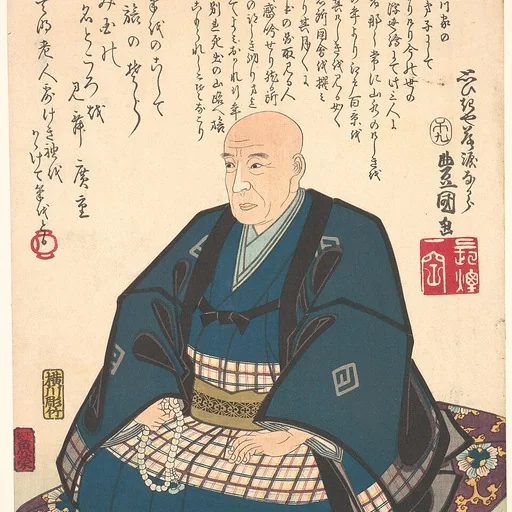
Artist
Utagawa Hiroshige (歌川 広重) or Andō Hiroshige (安藤 広重), born Andō Tokutarō (安藤 徳太郎; 1797 – 12 October 1858), was a Japanese ukiyo-e artist, considered the last great master of that tradition.

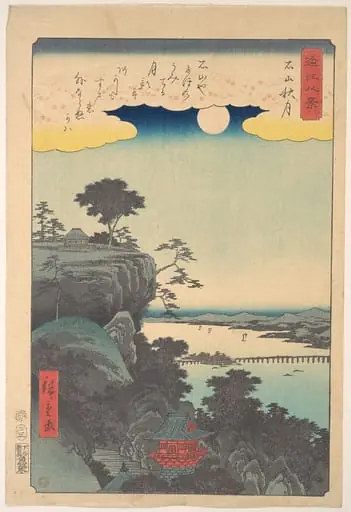 近江八景 石山秋月|The Autumn Moon on Ishiyama
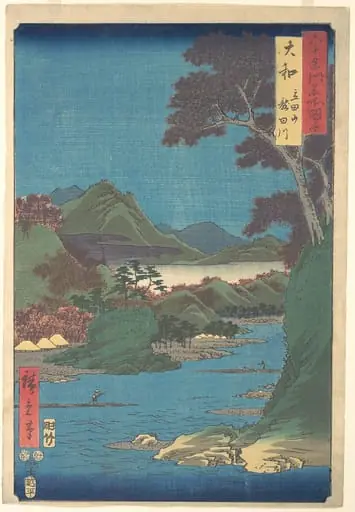 六十余州名所図会 大和 立田山 龍田川|Yamato, Tatsutayama, Tatsutagawa
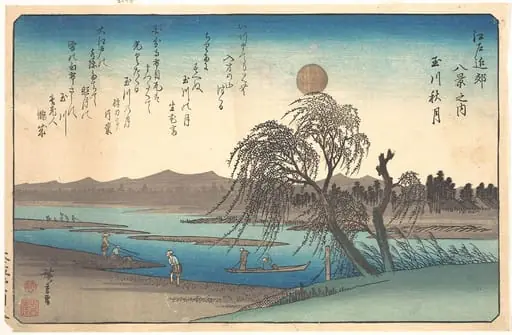 Tamagawa Shugetsu|江戸近郊八景之内 玉川秋月|Autumn Moon on the Tama River
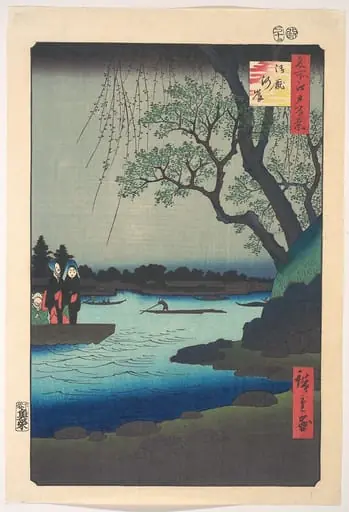 名所江戸百景 御厩河岸|Ommayagashi, Sumida River
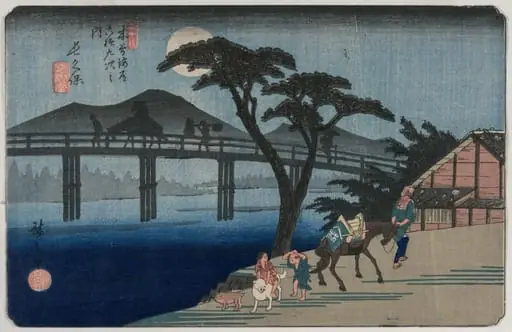 Nagakubo (Station 28) from the series Sixty-Nine Stations of the Kisokaido
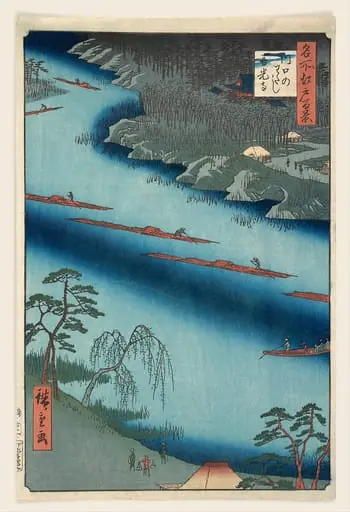 名所江戸百景 川口のわたし善光寺|Kawaguchi
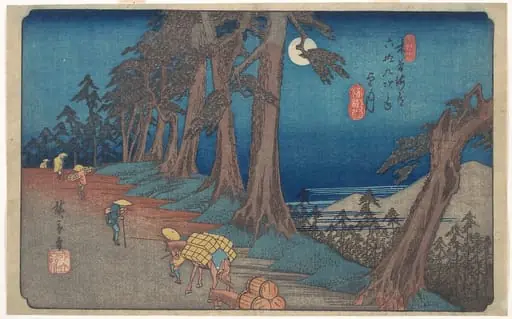 木曽海道六拾九次之内 望月|Mochizuki
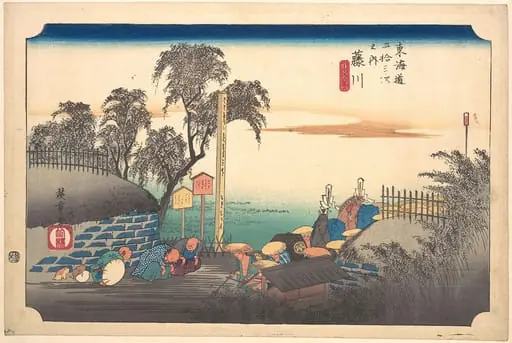 東海道五十三次之内 藤川 棒鼻の図|Station Thirty-Eight: Fujikawa, Scene at the Border, from the Fifty-Three Stations of the Tokaido
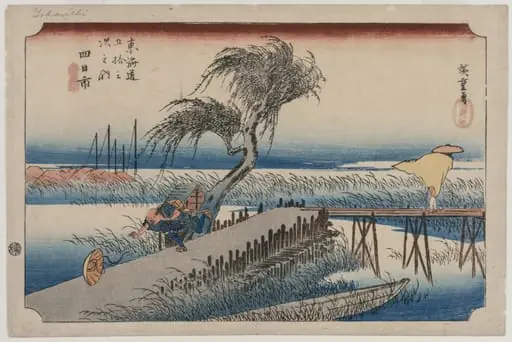 Yokkaichi: View of the Mie River, from the series The Fifty-Three Stations of the Tōkaidō
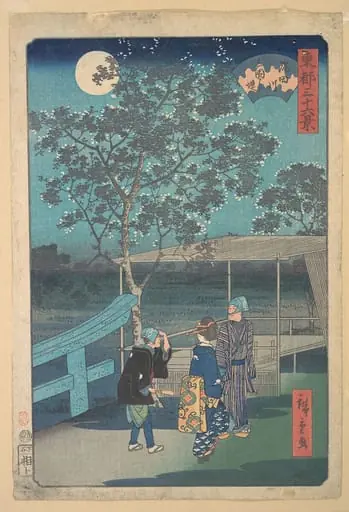 東都三十六景 隅田川三囲り堤|Sumidagawa, Mimeguri
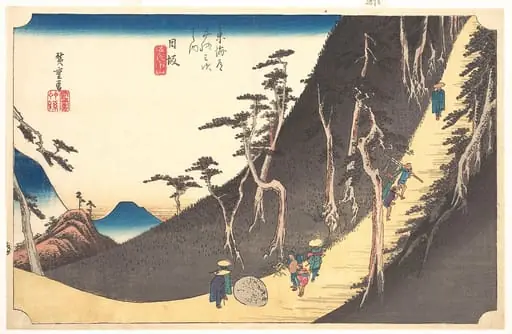 Nissaka-sayo no Naka Yama|東海道五十三次之内 日坂 佐夜の中山|Station Twenty-six: Nissaka, Sayo no Nakayama, from the Fifty-three Stations of the Tokaido
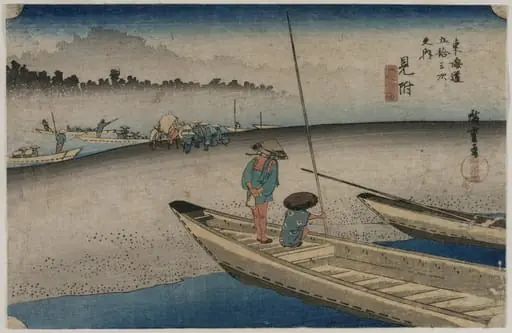 Picture of the Tenryu River near Mitsuke (Station 29), from the series Fifty-Three Stations of the Tokaido