Artwork
Nissaka-sayo no Naka Yama|東海道五十三次之内 日坂 佐夜の中山|Station Twenty-six: Nissaka, Sayo no Nakayama, from the Fifty-three Stations of the Tokaido
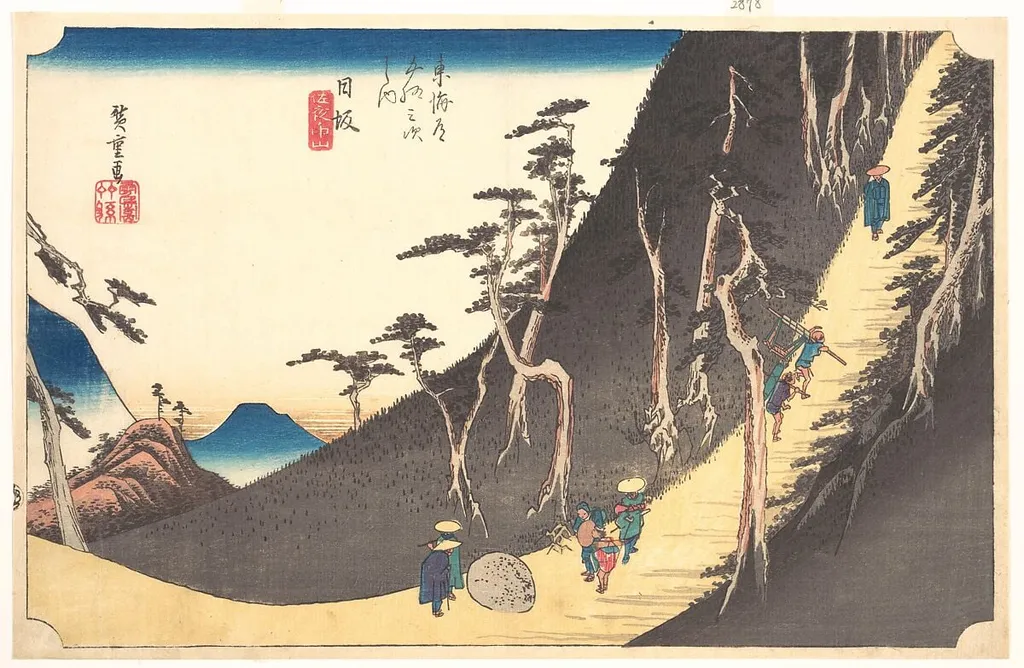
Nissaka-sayo no Naka Yama|東海道五十三次之内 日坂 佐夜の中山|Station Twenty-six: Nissaka, Sayo no Nakayama, from the Fifty-three Stations of the Tokaido is an ink print by the Romanticist artist Utagawa Hiroshige. It dates from 1834 and is held in the collection of the Metropolitan Museum of Art.
About this work
Overview
Created around 1834 by Utagawa Hiroshige, this woodblock print is the twenty-sixth in the series *The Fifty-three Stations of the Tōkaidō*.
Created around 1834 by Utagawa Hiroshige, this woodblock print is the twenty-sixth in the series *The Fifty-three Stations of the Tōkaidō*. It depicts a quiet mountain pass along the historic road connecting Edo and Kyoto. Unlike many ukiyo-e works centered on city life, Hiroshige focused on the natural landscape and the subtle rhythms of travel, using ink and color on paper to evoke a contemplative mood.
Subject & Meaning
The scene captures travelers navigating the narrow path of Nissaka, a challenging stretch of the Tōkaidō. Figures, some bearing loads or wearing straw hats, move slowly through the terrain, suggesting the physical and temporal weight of journeying. The stillness of the mountains and sparse trees implies solitude and endurance, reflecting the quiet dignity of ordinary travel in Edo-period Japan.
Technique & Style
Hiroshige employed layered woodblock printing to achieve subtle gradations of color, particularly in the distant mountains and sky. The composition uses receding planes and minimal detail to suggest depth, while the placement of figures along a winding path guides the viewer’s eye into the landscape. Soft lines and muted tones enhance the tranquil atmosphere, distinguishing his style from the bolder, more theatrical ukiyo-e traditions.
History & Provenance
The print was produced during Hiroshige’s most prolific period, when the *Tōkaidō* series gained widespread popularity across Japan. Published by Hoeidō, it was part of a commercial print run intended for travelers and urban dwellers fascinated by distant landscapes. Original impressions are now held in major museum collections, including the Museum of Fine Arts, Boston, and the British Museum.
Context
The Tōkaidō was the most important travel route in Edo-period Japan, used by merchants, pilgrims, and daimyō processions. Nissaka was known for its steep ascent and frequent fog, making it a memorable and perilous waypoint. Hiroshige’s depiction aligns with contemporary guidebooks and travel literature that romanticized the road’s natural challenges, transforming practical geography into poetic experience.
Legacy
Hiroshige’s *Tōkaidō* series redefined landscape printmaking in Japan, influencing later artists and Western impressionists. His emphasis on mood, seasonal change, and the individual within nature shifted focus from spectacle to introspection. The series remains a foundational reference in the study of Japanese visual culture and the representation of travel in art.
Artist & collection
Artist
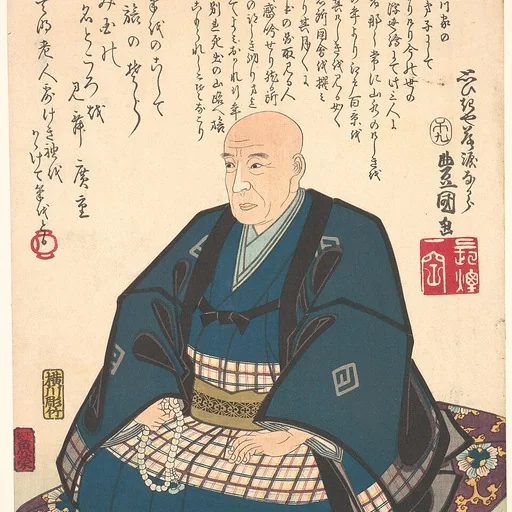
Utagawa Hiroshige (歌川 広重) or Andō Hiroshige (安藤 広重), born Andō Tokutarō (安藤 徳太郎; 1797 – 12 October 1858), was a Japanese ukiyo-e artist, considered the last great master of that tradition.

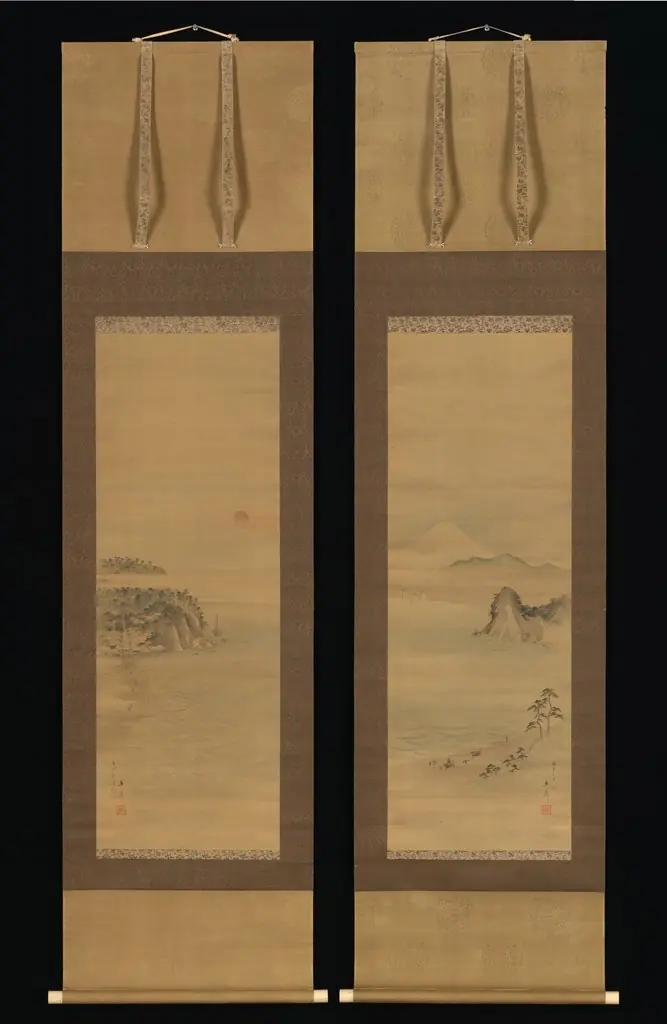
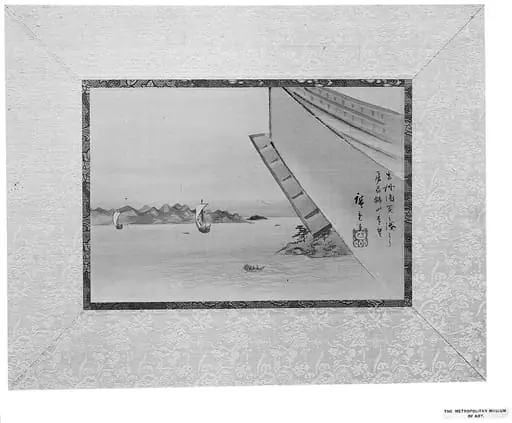
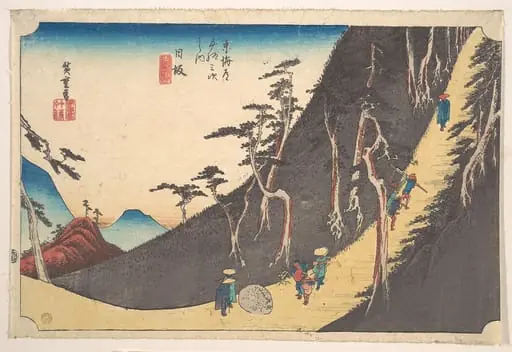 東海道五十三次之内 日坂 佐夜の中山|Nissaka, Sayo Nakayama
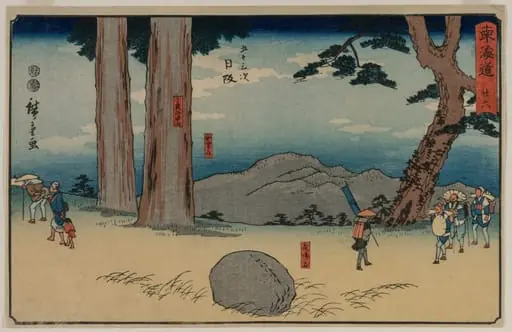 Nissaka: The Night-Weeping Stone at Sayo no Nakayama, from the series The Fifty-Three Stations of the Tōkaidō
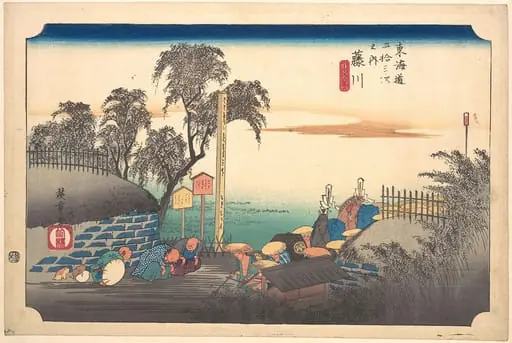 東海道五十三次之内 藤川 棒鼻の図|Station Thirty-Eight: Fujikawa, Scene at the Border, from the Fifty-Three Stations of the Tokaido
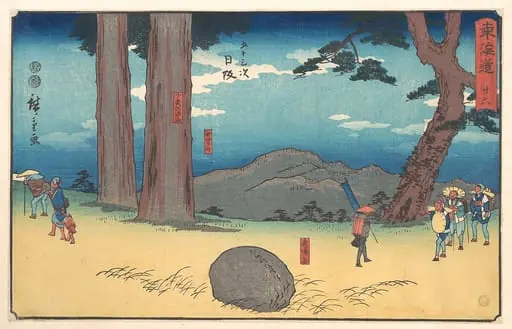 東海道五十三次 日阪 夜啼石 無間山 小夜の中山|Nissaka
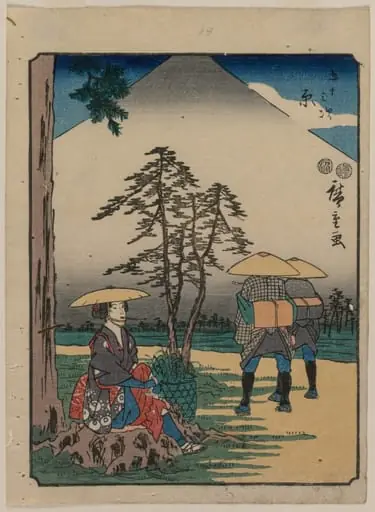 The Fifty-Three Stations of the Tokaido: Hara
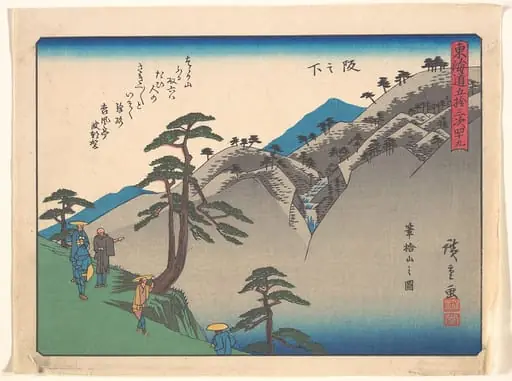 東海道五十三次 阪之下|Sakanoshita, from the series The Fifty-three Stations of the Tōkaidō Road