Artwork
Buyō Kanazawa Hasshō Yakei|雪月花 武陽金沢八勝夜景|Full Moon at Kanazawa, Province of Musashi
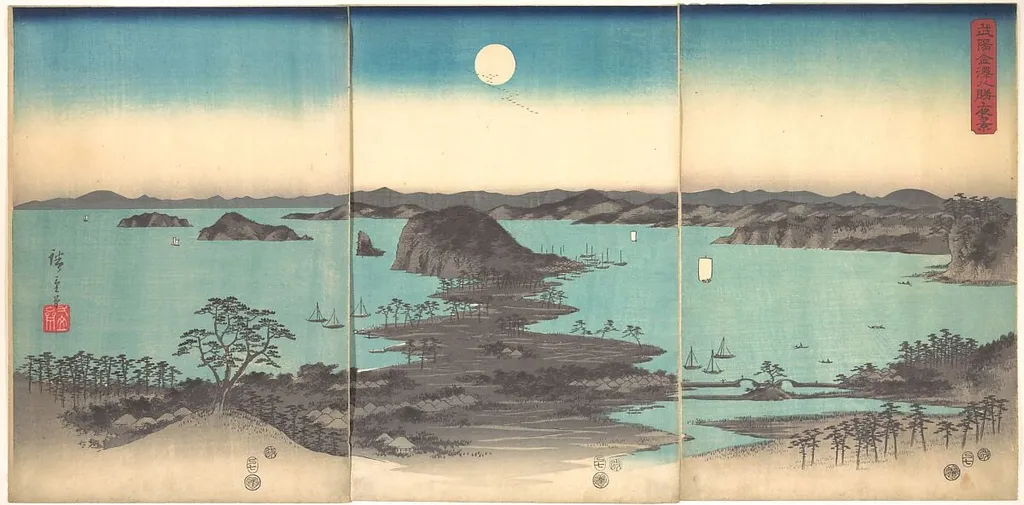
Buyō Kanazawa Hasshō Yakei|雪月花 武陽金沢八勝夜景|Full Moon at Kanazawa, Province of Musashi is an ink print by the Impressionist artist Utagawa Hiroshige. It dates from 1857 and is held in the collection of the Metropolitan Museum of Art.
About this work
Overview
Buyō Kanazawa Hasshō Yakei (Full Moon at Kanazawa, Province of Musashi) is a triptych woodblock print created by Utagawa Hiroshige in 1857. Composed of ink and color on paper, it is a characteristic example of Japanese ukiyo-e from the late Edo period.
Subject & Meaning
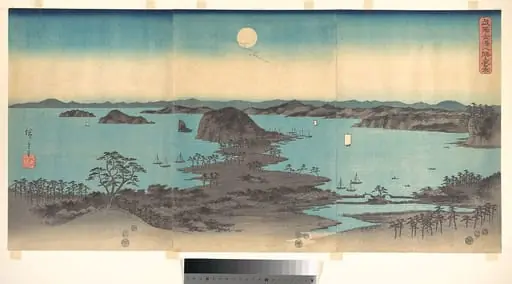
The triptych captures a serene nighttime coastal landscape illuminated by a pale, glowing moon. Dark shorelines, calm waters, small boats, and a rocky island with distant lights evoke a sense of quiet life under moonlight.
Technique & Style
Hiroshige employed soft blues, grays, and whites to convey the peaceful ambiance of the night. Subtle details, such as boats and island lights, add depth. The use of cross-hatching techniques (though not explicitly mentioned in the source, inferred from the visual note) likely contributed to the shadowing and texture of the scene.
History & Provenance
Created in 1857, shortly before Hiroshige’s death in 1858, the work is now part of The Metropolitan Museum of Art’s collection.
Context
Unlike typical ukiyo-e subjects of the time, which often focused on urban themes, this piece reflects Hiroshige’s penchant for natural landscapes, aligning with the broader artistic shift towards emphasizing the beauty of the natural world.
Legacy
As one of Hiroshige’s later works, Buyō Kanazawa Hasshō Yakei contributes to the legacy of ukiyo-e’s evolution, particularly in its serene and detailed depiction of nocturnal natural scenes, influencing subsequent generations of artists in their approach to landscape and mood.
Artist & collection
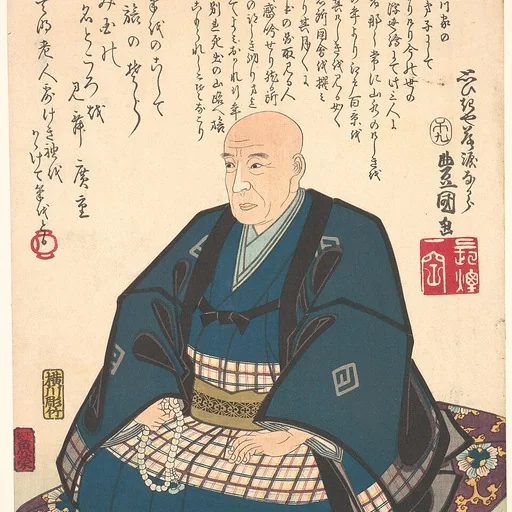
Artist
Utagawa Hiroshige (歌川 広重) or Andō Hiroshige (安藤 広重), born Andō Tokutarō (安藤 徳太郎; 1797 – 12 October 1858), was a Japanese ukiyo-e artist, considered the last great master of that tradition.

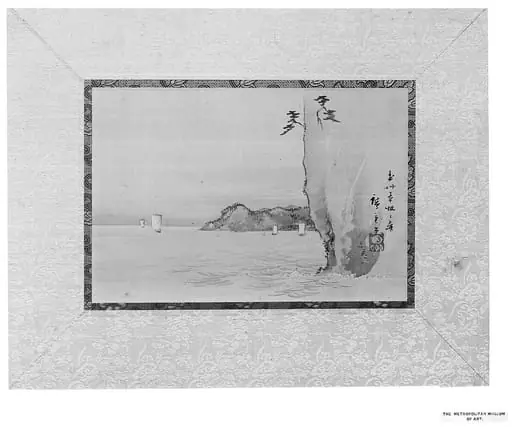
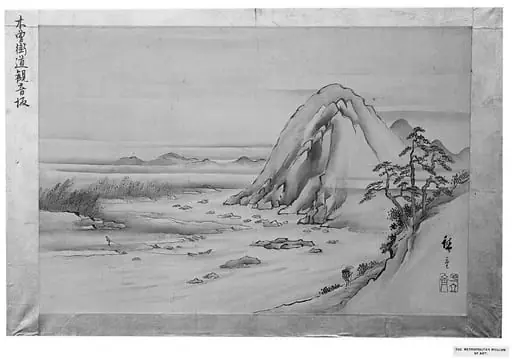
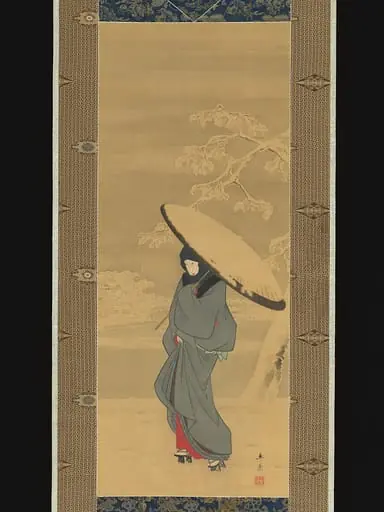
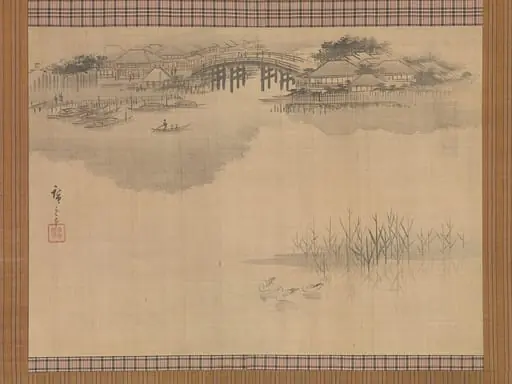
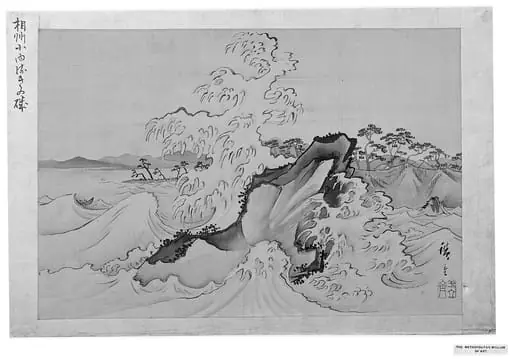
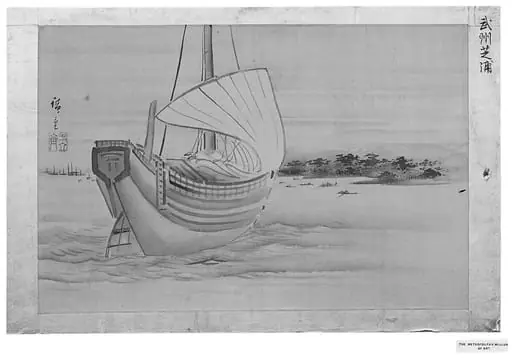
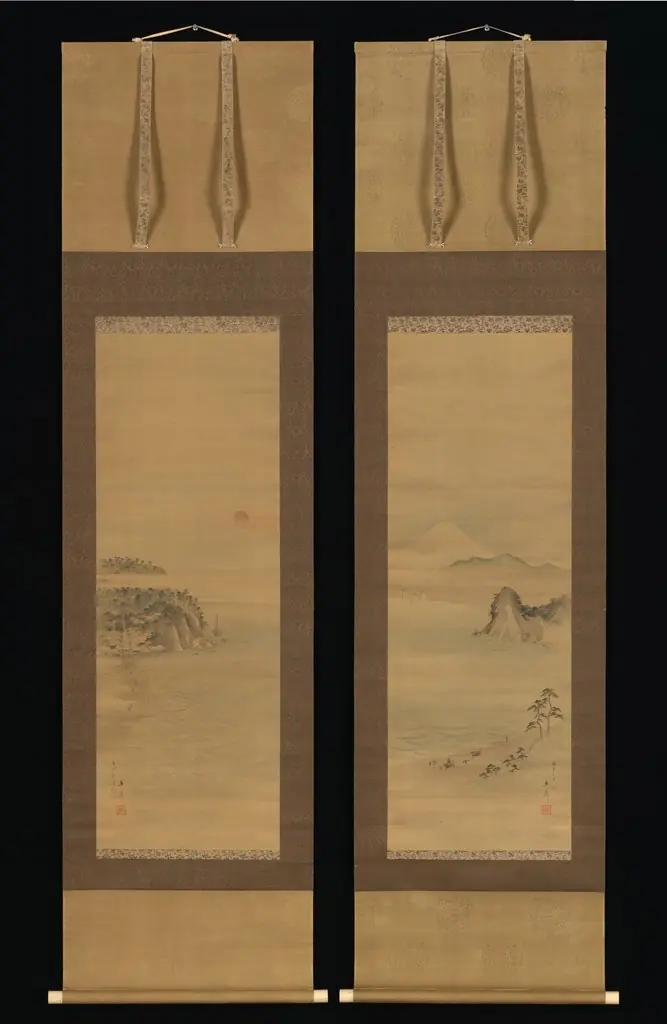
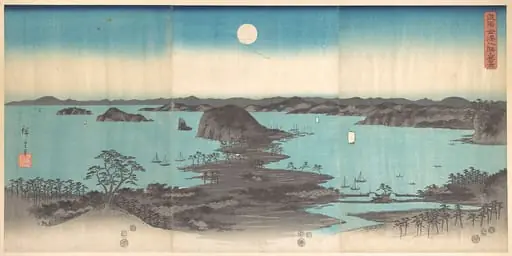 雪月花 武陽金沢八勝夜景|Panorama of the Eight Views of Kanasawa under a Full Moon
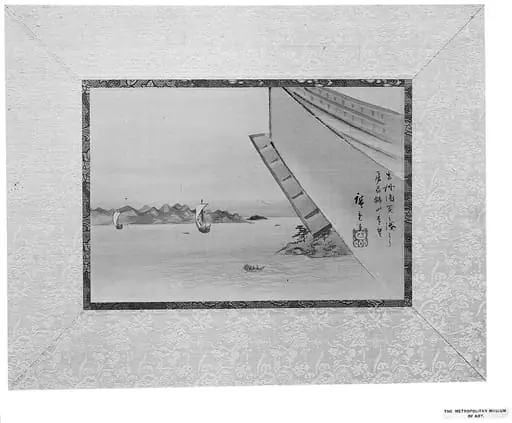
 奥村 政信画 浮絵 「紋尽名古屋曽我」|Full Moon at Kanazawa, Province of Musashi
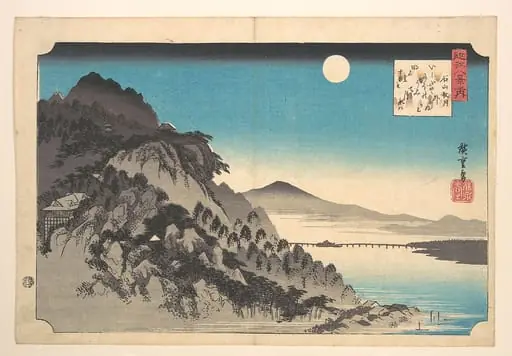 近江八景之内 石山秋月|The Autumn Full Moon at Ishiyama
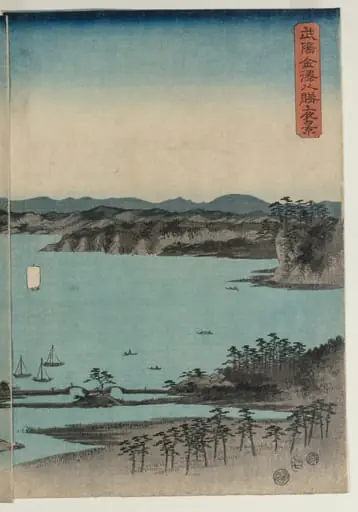 Full Moon on Kanazawa, Musashi
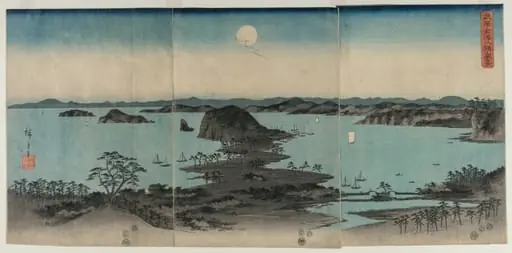 Eight Views of Kanazawa at Night
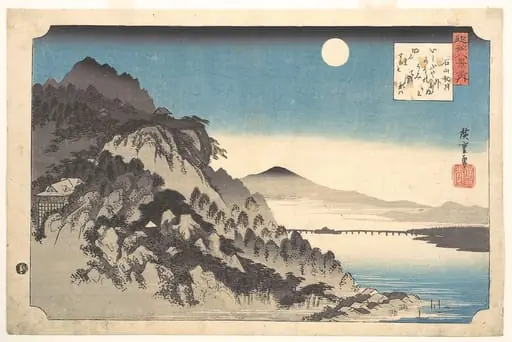 歌川広重画 近江八景之内 石山秋月|Autumn Full Moon at Ishiyama Temple (Ishiyama shūgetsu), from the series Eight Views of Ōmi Province (Ōmi hakkei)
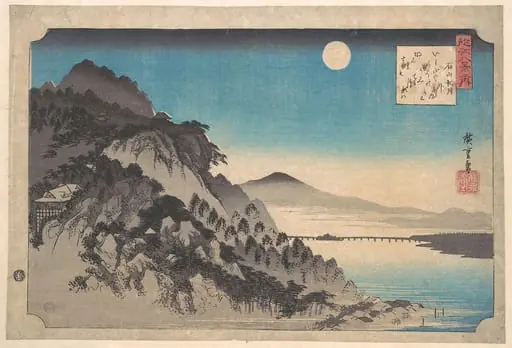 近江八景之内 石山秋月|The Autumn Moon at Ishiyama on Lake Biwa
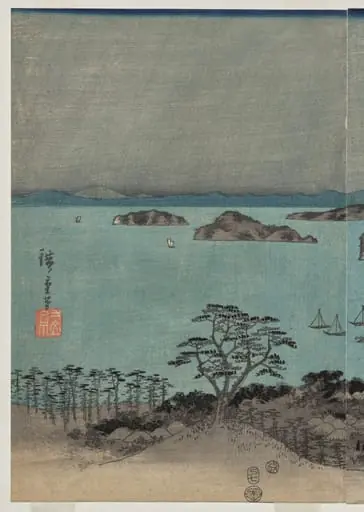 Evening View of the Eight Famous Places near Kanazawa Under Full Moon in Musashi Province
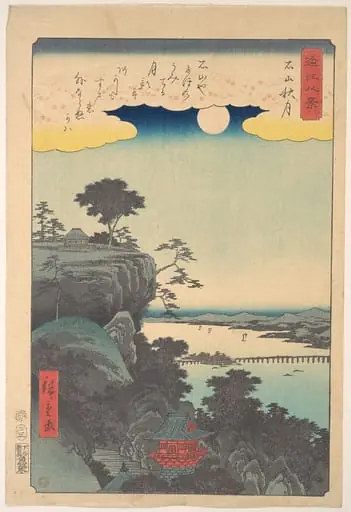 近江八景 石山秋月|The Autumn Moon on Ishiyama
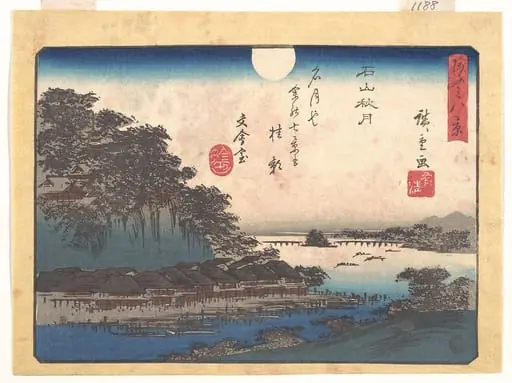 歌川広重画 「あふみ八景 石山秋月」|Autumn Moon at Ishiyama, from the series Eight Views of Ōmi (Ōmi hakkei)